Vietnam
Entry Visa
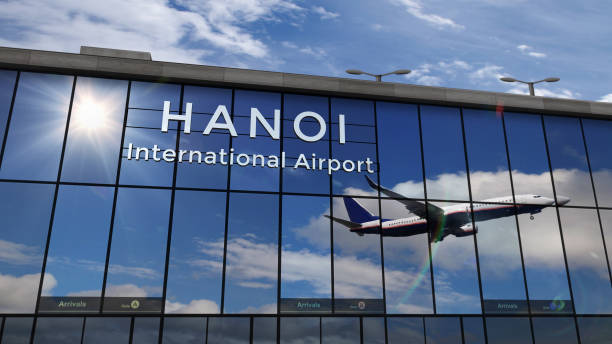
Visa Requirements: Most travelers need a visa to enter Vietnam. There are 3 options for visa application: e-visa (available for citizens of many countries and can be applied for online); a visa through a Vietnamese embassy or consulate; and visa on arrival. For visa through Embassy/Consulate and visa on arrival, it is required a visa approval letter issued by Vietnam Immigration Department. To obtain this letter, VFF will assist appointed MOs, participating teams.
Documents Required: A passport valid for at least six months with two blank pages, a digital scan of your passport, a recent passport-size photo (4x6 cm, white background), proof of accommodation in Vietnam, a completed visa application form a passport valid for at least six months with two blank pages, a digital scan of your passport, a recent passport-size photo (4x6 cm, white background), proof of accommodation in Vietnam, a completed visa application form
Major Airports
Tan Son Nhat International Airport (SGN) in Ho Chi Minh City.
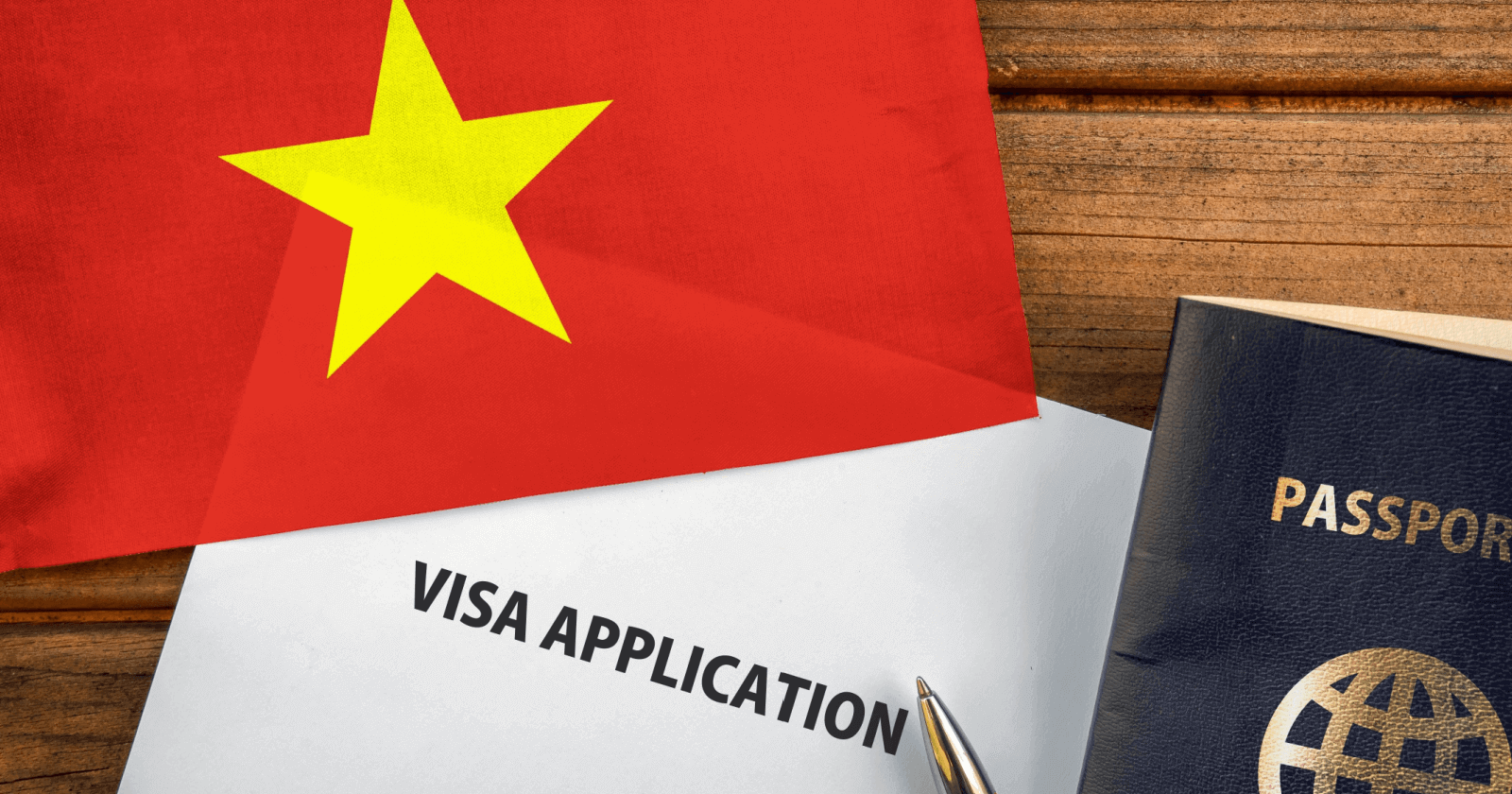
Noi Bai International Airport (HAN) in Hanoi.
Da Nang International Airport (DAD) in Da Nang
Cam Ranh (CXR) Dual terminals, lounges, free Wi‑Fi, dining, and shops.
Facilities: All airports offer a wide range of amenities including lounges, restaurants, duty-free shopping, and free Wi-Fi.
Money Exchange
Currency: Vietnamese Dong (VND)
Exchanging Money: Currency can be exchanged at banks, exchange booths, and at the airport. ATMs are widely available, but check for fees.

Dress Code
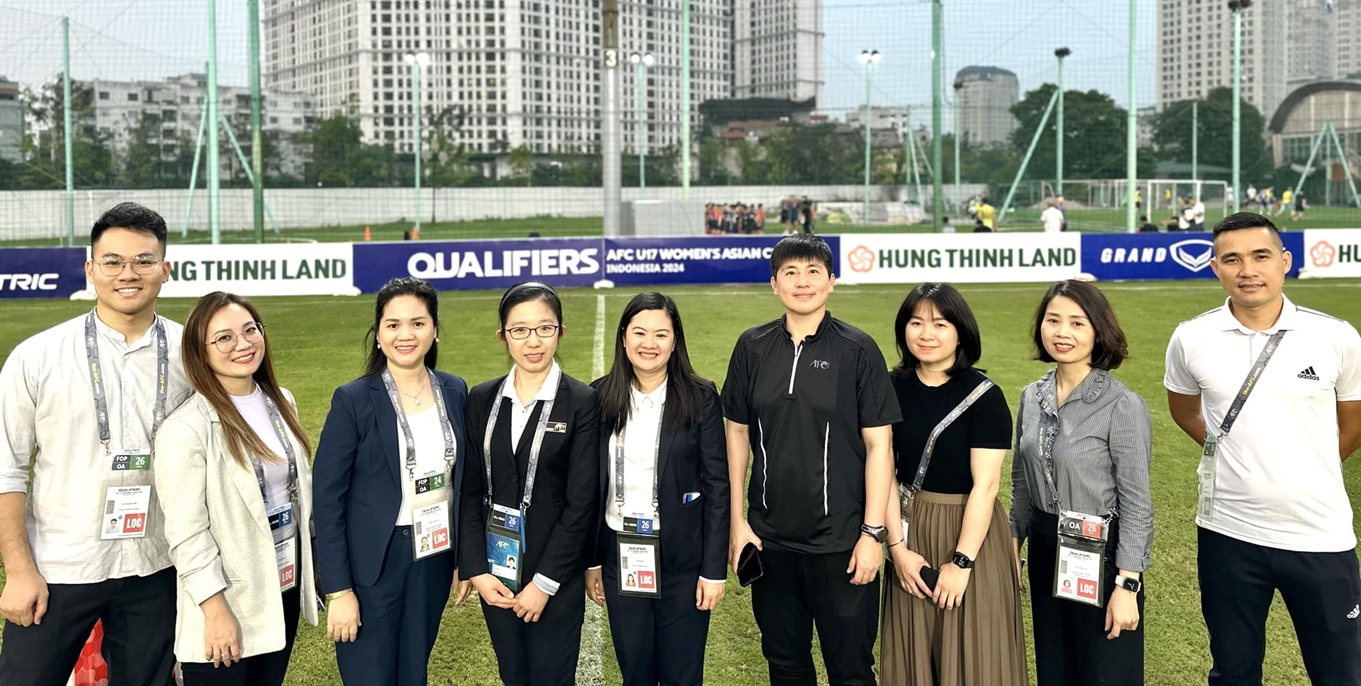
Business attire is generally formal or business casual
Men: Suits or dress pants with collared shirts and ties.
Women: Professional dresses or blouses with skirts/slacks. Dressing conservatively is appreciated.
Language
Vietnamese is the official language of the country, serving as the primary means of communication for the majority of the population. English is widely recognized and commonly spoken in business and professional settings, particularly in major cities and urban centers, although the level of proficiency can differ significantly among individuals.
Hello: Xin chào (pronounced seen chow) is a universal and polite greeting.
Hello (to an older man): Chào anh (pronounced chow ahn).
Thank you: Cảm ơn (pronounced gahm un).
Thank you very much: Cảm ơn rất nhiều (pronounced gahm un zet nyew).
You're welcome / No problem: Không có gì (pronounced khom go zee).
Please: Làm ơn (pronounced lahm un).
Excuse me / Sorry: Xin lỗi (pronounced sin loy).
Telephone
International Dialing: To call Vietnam from abroad, use +84. For local calls, the area code must be included.
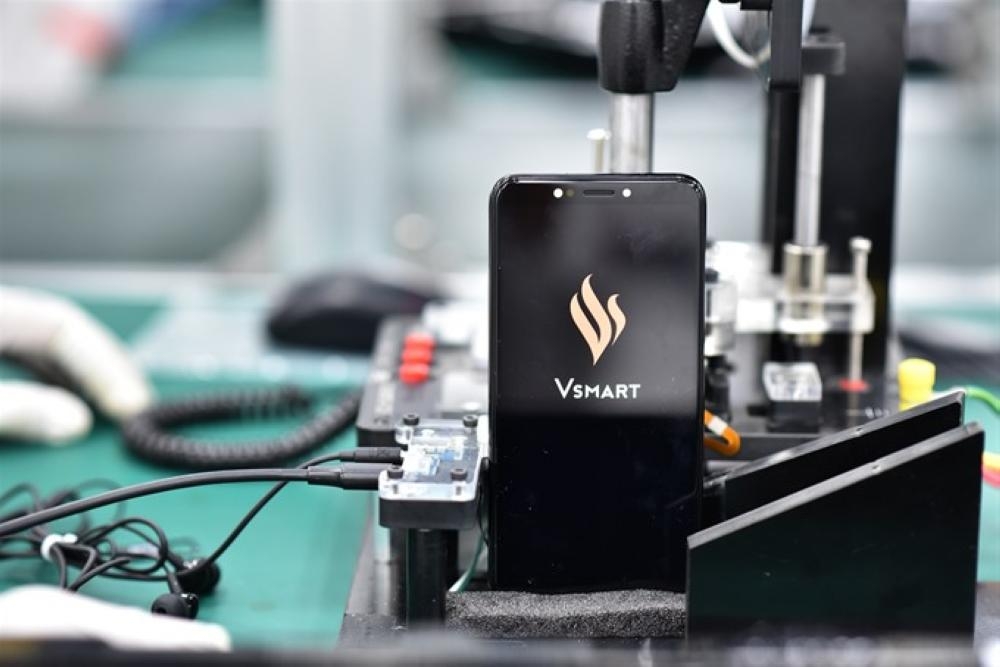
Local SIM Cards: Available from providers like Viettel, Mobifone, and Vinaphone. They offer affordable data plans.
Internet
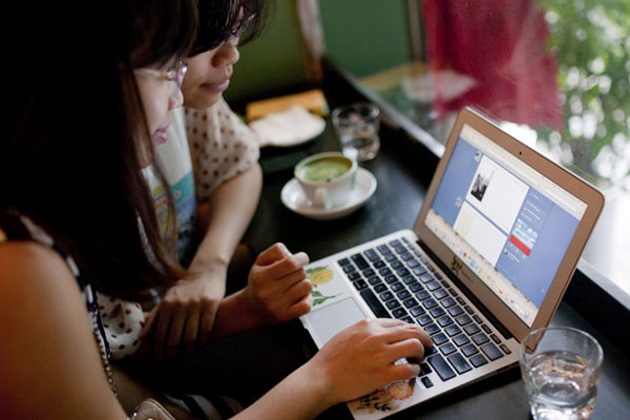
Free Wi-Fi is readily available in hotels, guesthouses, restaurants, and cafes throughout Vietnam.
Convenience: Many businesses offer free Wi-Fi as a standard service, especially in cities like Hanoi, Ho Chi Minh City, and Da Nang.
Performance: The quality and speed can vary. Hotel Wi-Fi is often reliable, while public networks in crowded areas may be slower during peak times.
Security: Public Wi-Fi can be less secure. It is advisable to use a Virtual Private Network (VPN) for privacy, especially when accessing sensitive information.
Mobile internet
Mobile connectivity is robust and generally affordable, with widespread 4G coverage and an expanding 5G network in major cities.
Local SIM cards
Purchasing a local prepaid SIM card is a popular option for tourists and offers excellent value. You can buy a SIM card at airports upon arrival, official carrier stores, or convenience stores. The leading mobile carriers are Viettel, Vinaphone, and Mobifone.
- Viettel: Often cited as having the widest coverage, including in rural and mountainous areas.
- Vinaphone: The first carrier to roll out 5G services in Vietnam.
Registration: A passport is required to register a SIM card.
Cost: Tourist packages are very affordable, with some plans offering ample data for as little as $5–$10 for a month.
Business Hours
Typical business hours are Monday to Friday, 8 AM to 5 PM, with a lunch break from 12 PM to 1 PM. Some businesses may operate on Saturday mornings.
Punctuality
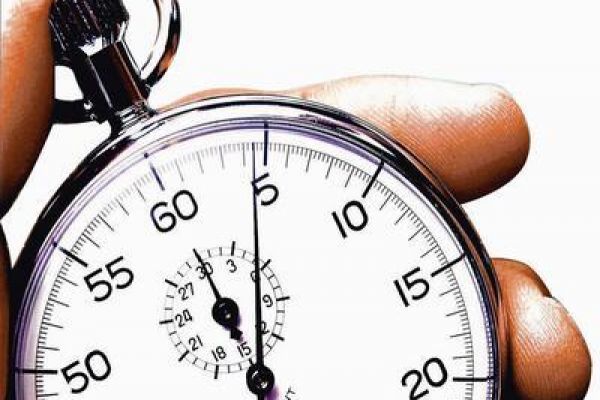
In business environments, punctuality is highly regarded as it reflects professionalism and respect for others' time; however, a certain degree of flexibility is often allowed depending on the circumstances. Generally, arriving on time is appreciated and can contribute positively to workplace relationships and efficiency.
Meeting Etiquette
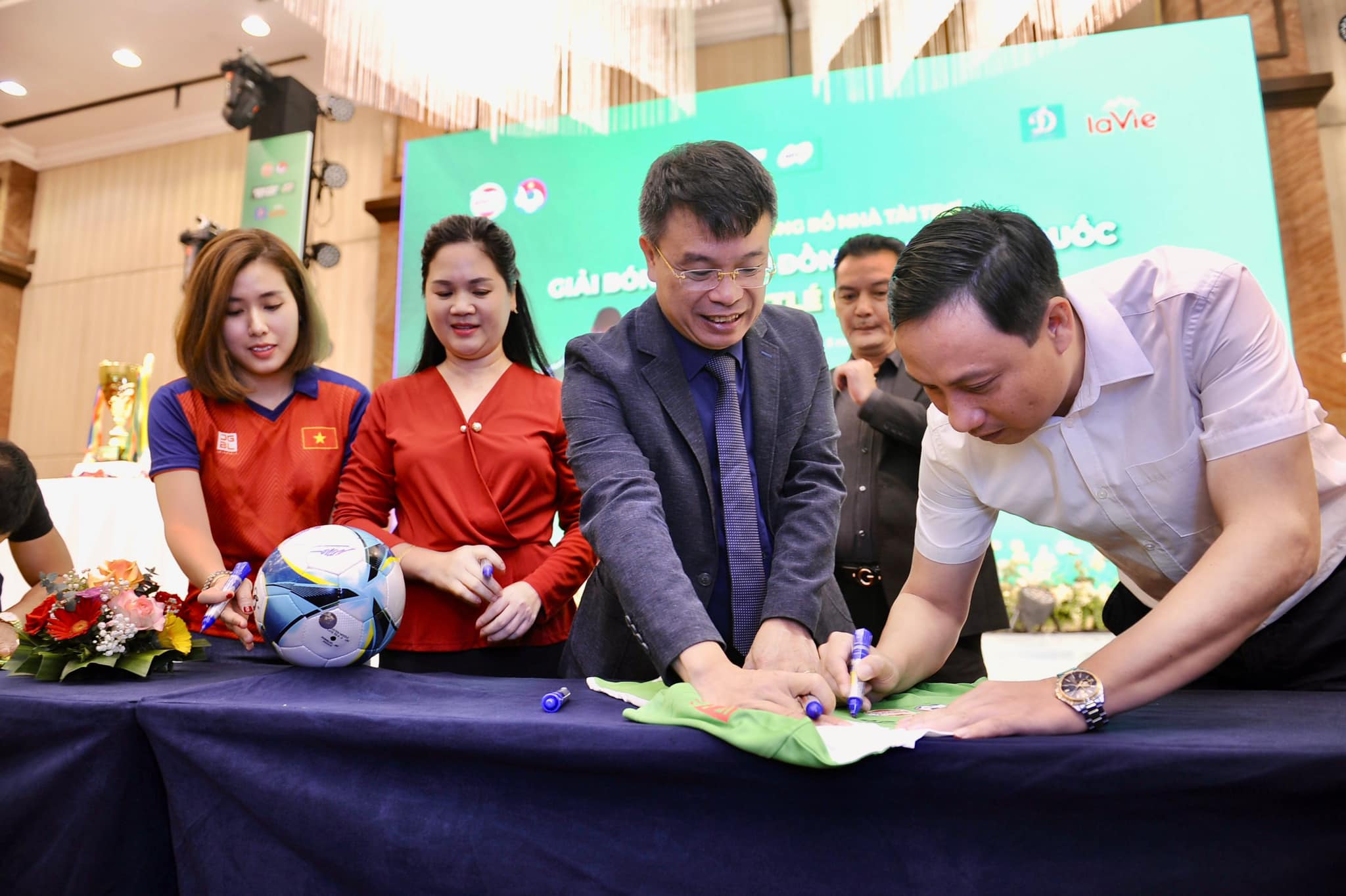
Meetings typically begin with polite greetings and some light small talk to set a comfortable tone. It is customary to address participants using their titles and last names unless they specifically invite you to use their first names.
The exchange of business cards is a common practice during introductions; it is considered respectful to offer and accept cards using both hands. Additionally, participants often take a moment to carefully examine the received card before putting it away, demonstrating appreciation and attentiveness.
History of Major Football Incidents
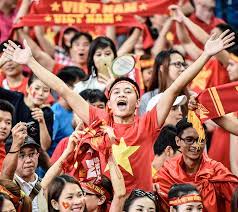
Football holds a significant place in Vietnam's sports culture, enjoying widespread popularity across the country. The national team actively competes in numerous regional and international tournaments, often facing tough competition from ASEAN rivals. Matches are known for their high intensity and passionate fan engagement, which sometimes unfortunately leads to incidents of fan violence, especially during critical, high-stakes games where emotions run high. Additionally, the use of flares by fans has become a recurring challenge, raising concerns about safety and sportsmanship at stadiums.
Natural Disasters
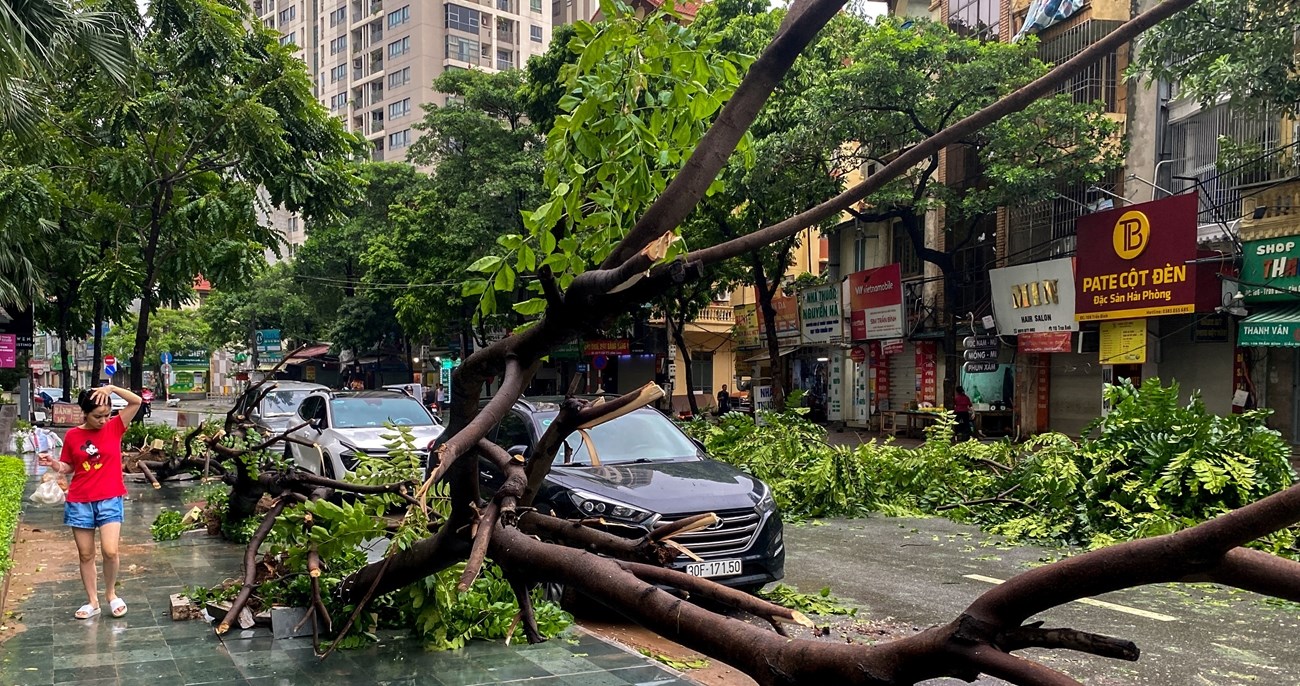
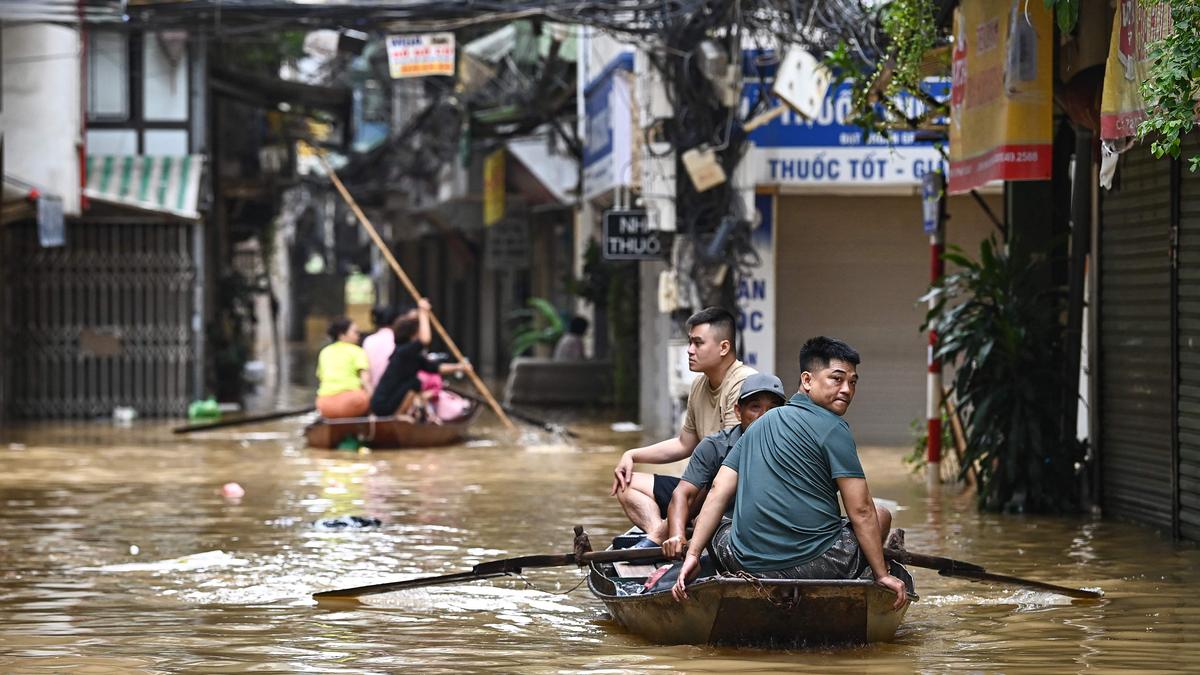
Floods and typhoons are Vietnam's most common and destructive natural disasters. The country experiences an average of four to six typhoons and tropical depressions annually. The storm season typically runs from June to November.
Devastating typhoons: Recent and historical records show numerous catastrophic typhoons. In September 2024, Typhoon Yagi caused severe flooding and landslides in northern Vietnam, killing at least 59 people. The storm also caused billions in damages and extensive power outages. Another powerful storm, Typhoon Kajiki, struck in August 2025, triggering flooding and landslides that killed at least seven people.
Widespread flooding: Large-scale flooding is a recurrent issue, particularly in central Vietnam and the Mekong River Delta. In October and November 2020, central Vietnam experienced a historic series of floods caused by multiple tropical cyclones and monsoon rains. The disaster resulted in 189 deaths and economic losses of over $1.5 billion.
Storm surges: Typhoons can also cause storm surges, which raise sea levels and lead to coastal flooding, dike system damage, and destruction of coastal infrastructure.
Heavy rainfall from typhoons and monsoons frequently triggers landslides and flash floods, especially in the country's mountainous and hilly regions.
Recent deadly landslides: The 2020 floods in central Vietnam involved several deadly landslide events. Landslides struck a hydropower plant in Quảng Trị province and military barracks in Quảng Trị province, killing dozens of soldiers and rescue workers. In Quảng Nam province, two major landslides also killed multiple people.
Ongoing risk: With a significant portion of the country's population living in hilly areas, landslides pose a persistent threat, especially during the rainy season
Emergency Response
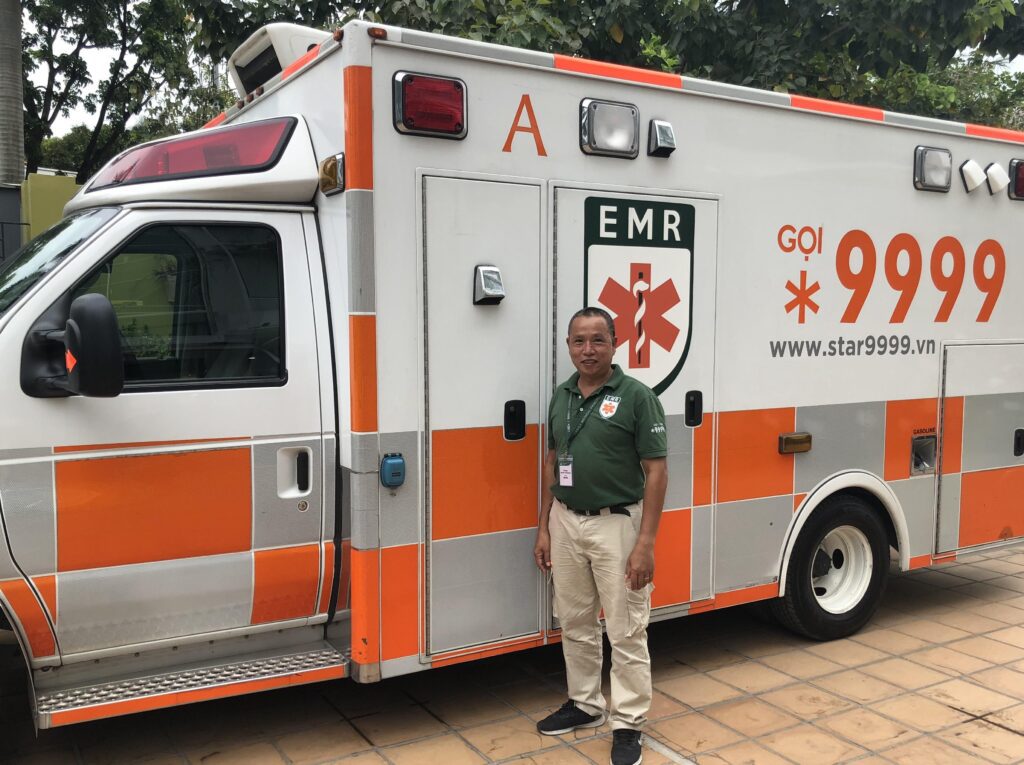
For emergencies, dial 113 for police, 114 for fire, and 115 for medical emergencies. Keep contact information for your hotel and local authorities handy.
Medical Services
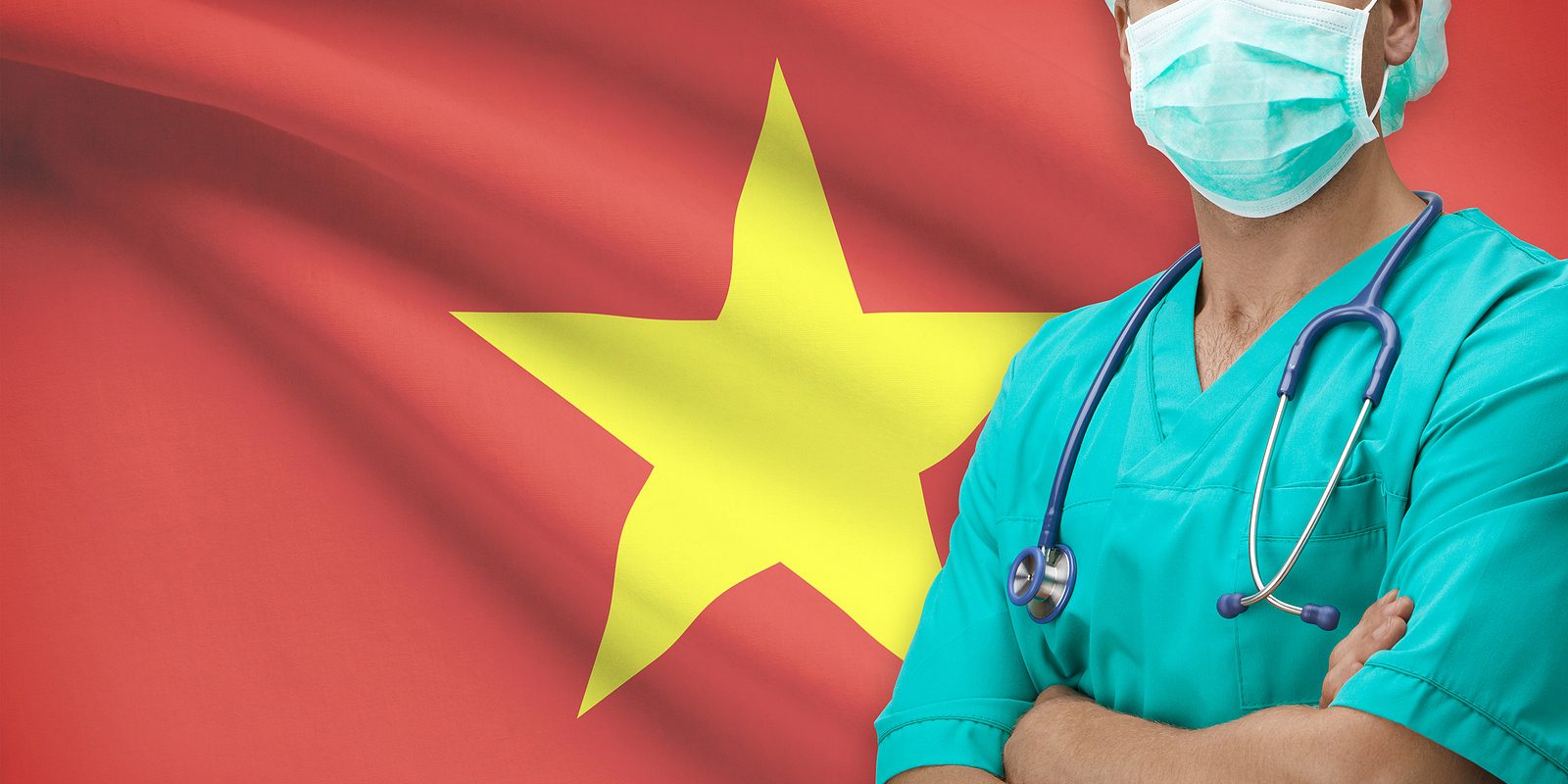
Vietnam's medical care system includes both public and private sectors, with major cities offering high-quality, modern international facilities that are a key draw for medical tourists. Healthcare is significantly more affordable than in Western countries, but the quality of care can vary dramatically between rural and urban areas
Pharmacies
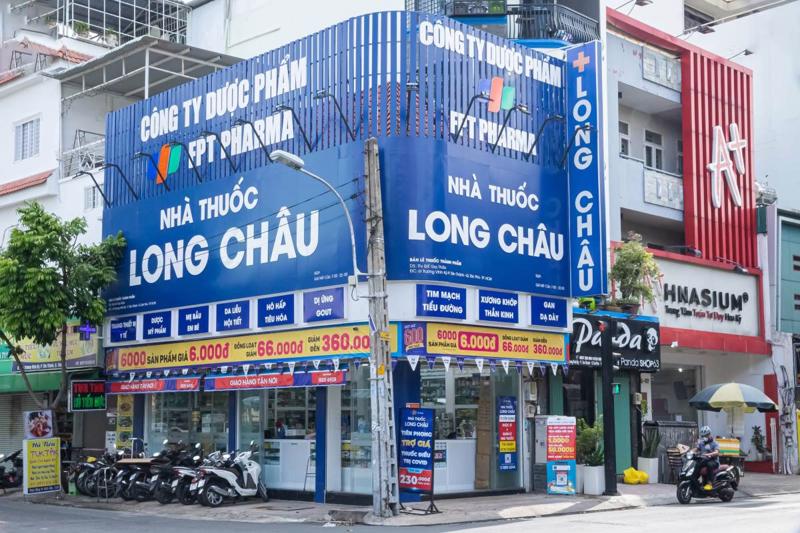
In Vietnam, pharmacies range from large, modern chains to small, independent "Nhà thuốc". While many medications, including some antibiotics, are available over the counter, it is safest to use a reputable pharmacy chain to avoid counterfeit or expired drugs.
Major pharmacy chains
- Pharmacity: As Vietnam's largest pharmacy chain, Pharmacity has over 1,100 stores and is known for its wide product range and consistent quality. Stores are found in most major cities.
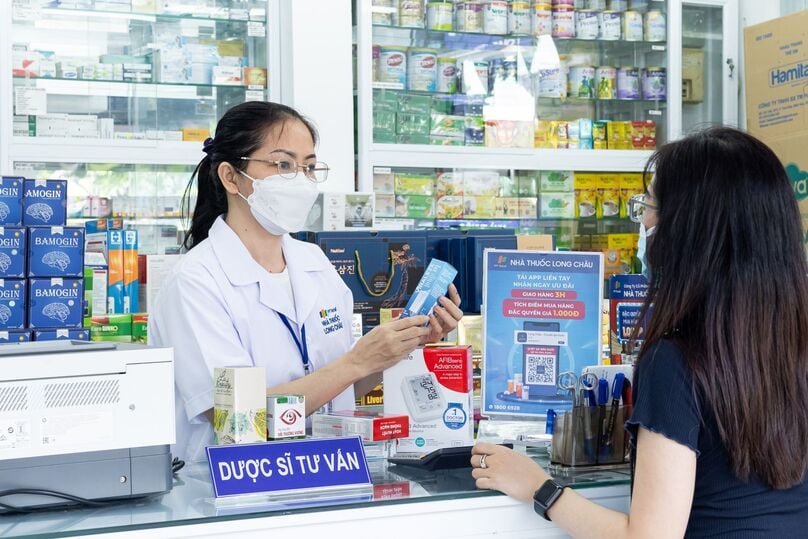
- Long Chau Pharmacy: Another major retail chain, Long Chau is known for professional services and medical-grade products.
- Guardian: This chain primarily focuses on health and beauty but also offers basic medicines.
- Medicare: Similar to Guardian, Medicare stores are stocked with some basic medicines alongside health and beauty products.
- Phano Pharmacy: This chain was the first in Vietnam to meet GPP (Good Pharmacy Practice) standards. It operates in multiple business models, including standalone and clinic stores.
Buying medicine in Vietnam: what to expect
Finding a pharmacy: Pharmacies, or Nhà thuốc, are common in cities like Hanoi, Ho Chi Minh City, and Da Nang. Look for a bright green cross sign or the word "Nhà thuốc" on the storefront.
Over-the-counter availability: For common ailments such as headaches, the flu, or diarrhea, a prescription is often not required. Pharmacists will typically ask about your symptoms and provide a suitable medication.
Prescription medication: While some drugs that require a prescription in Western countries are sold over the counter, it is best to be cautious with self-medication, particularly for conditions needing closer monitoring.
Foreign prescriptions: Most pharmacies will not accept a foreign prescription. It is best to carry a digital or printed copy with the generic name of your medication. For refills, you may need to visit a local clinic to get a Vietnamese prescription.
Potential language barrier: Many pharmacists, especially at chain pharmacies, speak some English. However, it is helpful to use a translation app to clearly explain your symptoms and needs.
Culture & Foods
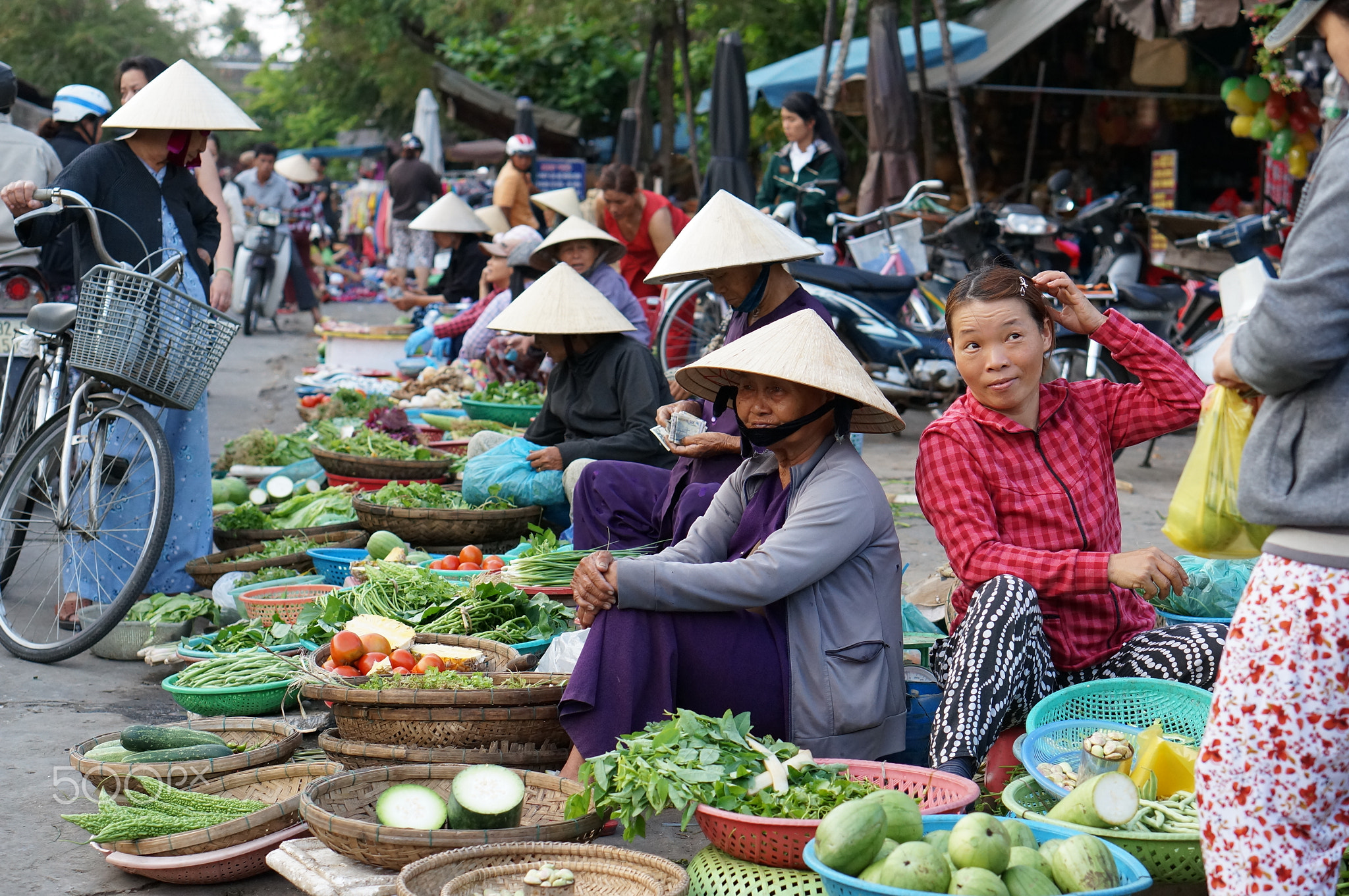
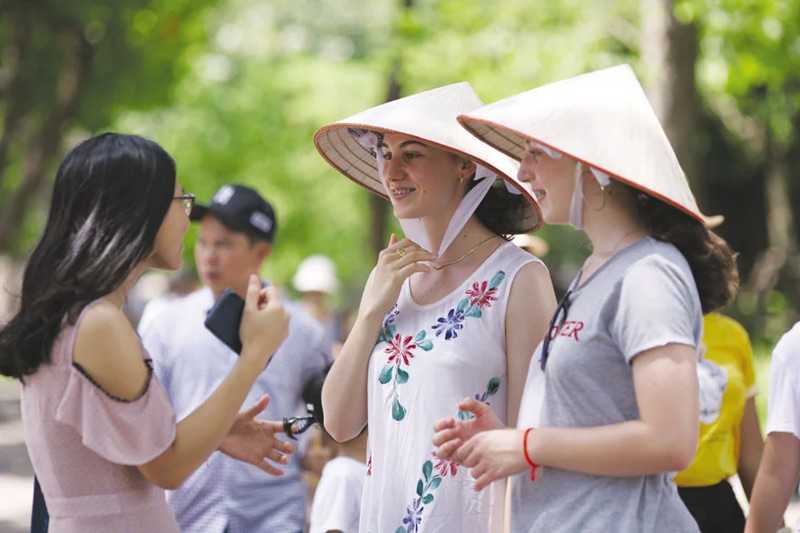
Culture: Vietnam has a rich cultural heritage with strong traditions. Respect for local customs, especially regarding greetings and dress, is important.
Foods:
- Pho: A famous noodle soup, typically served with beef or chicken.
- Bun Cha: a northern dish of grilled pork patties and slices in a light dipping sauce with rice noodles, herbs, and pickles
- Banh Mi: A Vietnamese sandwich made with a French baguette and various fillings.
- Cha Ca: Hanoi’s famous fried fish with with rice noodles, peanuts, fresh dill
- Gio Lua: Vietnamese pork sausage, commonly used in banh mi and other dishes.
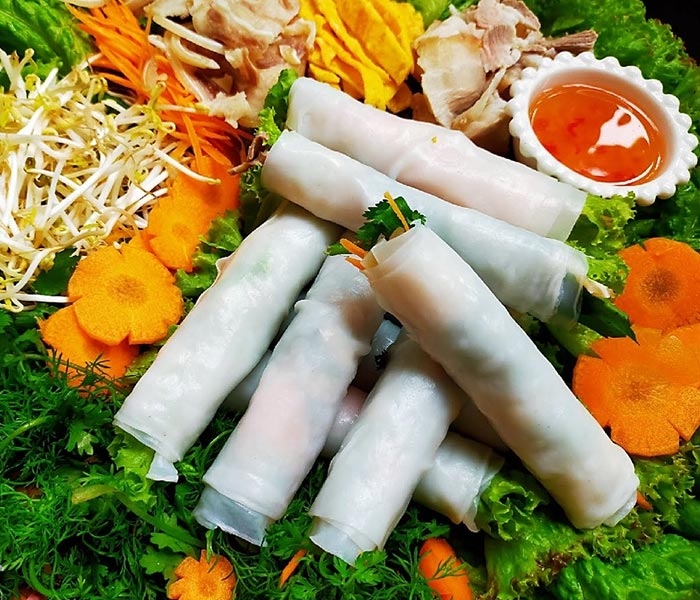
- Spring Rolls (Goi Cuon): Fresh spring rolls filled with vegetables, herbs, and sometimes meat or shrimp.
Halal food is not popular in Vietnam, however, there are some good restaurants in the city centre (Hanoi, Hochiminh City). In other provinces, cities, it is not easy to find Halal restaurant.
Others
Vietnam is one of the safer countries in Southeast Asia for tourists. Violent crimes against tourists are rare, but petty theft is common in cities.
Time Zone: GMT+7
Transport: Flights, buses, ride-hailing.
Climate: Tropical monsoon; hot and wet.