Uzbekistan
Entry Visa
Visa Requirements: Most travelers require a visa to enter Uzbekistan. However, citizens of certain countries can enter visa-free or obtain an e-visa.
Documents Required: Valid passport, a passport-sized photo, and a completed visa application form. An invitation letter may be required for business visas.
Major Airports
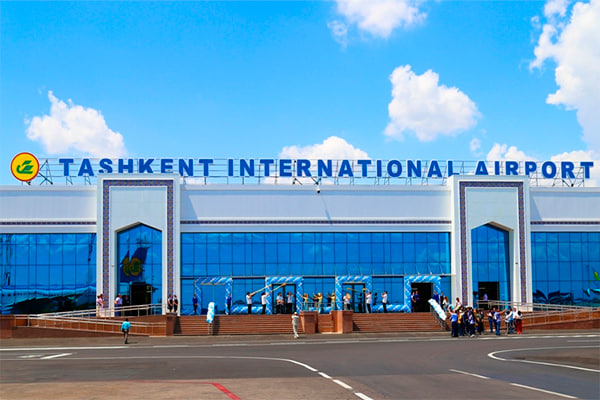
The main international airport in Uzbekistan is the Islam Karimov Tashkent International Airport (TAS).
Location: The airport is located in Tashkent, the capital city of Uzbekistan (20 mins from the city centre)
Name: It is officially named after the first President of Uzbekistan, Islam Karimov.
Busiest Airport: It is the largest and busiest airport in the country and the third busiest in Central Asia.
Services: It serves both foreign airlines and the national airline, Uzbekistan Airways.
Facilities: The airport offers basic amenities, including currency exchange, shops, and dining options. Wi-Fi is typically available.
Money Exchange
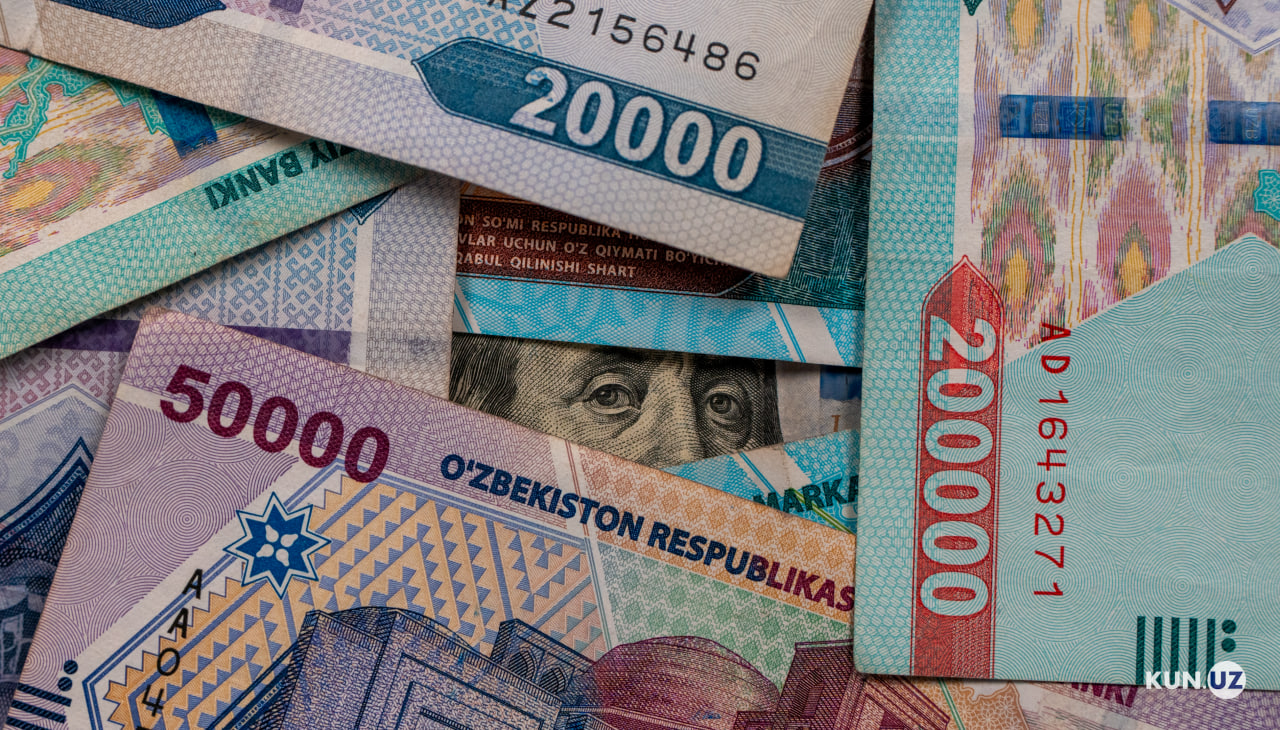
Currency Code: The international code for the Uzbekistani Som is UZS. The Uzbekistani Som has shown relative stability in recent months against leading currencies like the US dollar.
Exchange for travelers: While international currencies like the US dollar are widely accepted, you will need local currency for day-to-day transactions at markets and for public transport.
Exchanging Money: Currency can be exchanged at banks, exchange offices, and at the airport. ATMs are available but may have withdrawal limits.
Dress Code
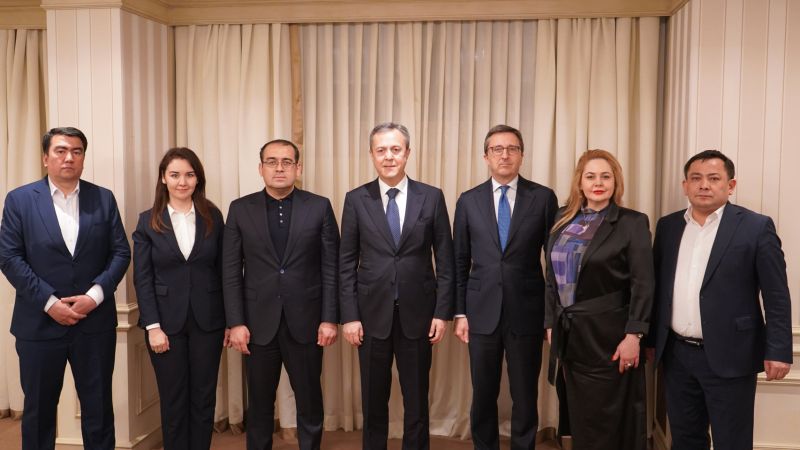
Business attire is generally formal.
For Men: Suits or dress pants with collared shirts and ties.
For Women: Professional dresses or suits. Conservative attire is recommended, particularly when visiting government offices or rural areas.
Language
Uzbek is the official language. Russian is also widely spoken, especially in urban areas. English proficiency is growing, particularly among younger people and in business settings.
Greetings & Basic Phrases
Hello: Salom (informal), Assalomu Aleykum (formal)
Goodbye: Xayr
Thank you: Rahmat
Thank you very much: Katta rahmat
You are welcome: Arzimaydi
Please: Iltimos / Marxamat
Excuse me / I'm sorry: Kechirasiz / Uzr
Yes: Ha
No: Yo'q
Telephone
Mobile phone usage in Uzbekistan is served by a competitive market of providers, with Samsung and Xiaomi dominating in popularity. The country has modern 4G/LTE networks in major cities, but coverage can be less reliable in more remote areas.
International Dialing: To call Uzbekistan from abroad, use +998. For local calls, area codes are required.
Local SIM Cards: Available from local providers like Ucell, Beeline, and Mobiuz. They offer affordable data packages.
Internet
Internet access in Uzbekistan is rapidly expanding, with an internet penetration rate of 89% as of early 2025. This growth is supported by government investment in digital infrastructure and services, though access still varies between urban and rural areas. The internet environment, however, remains heavily controlled by the government, which blocks online content and restricts internet freedom.
Business Hours
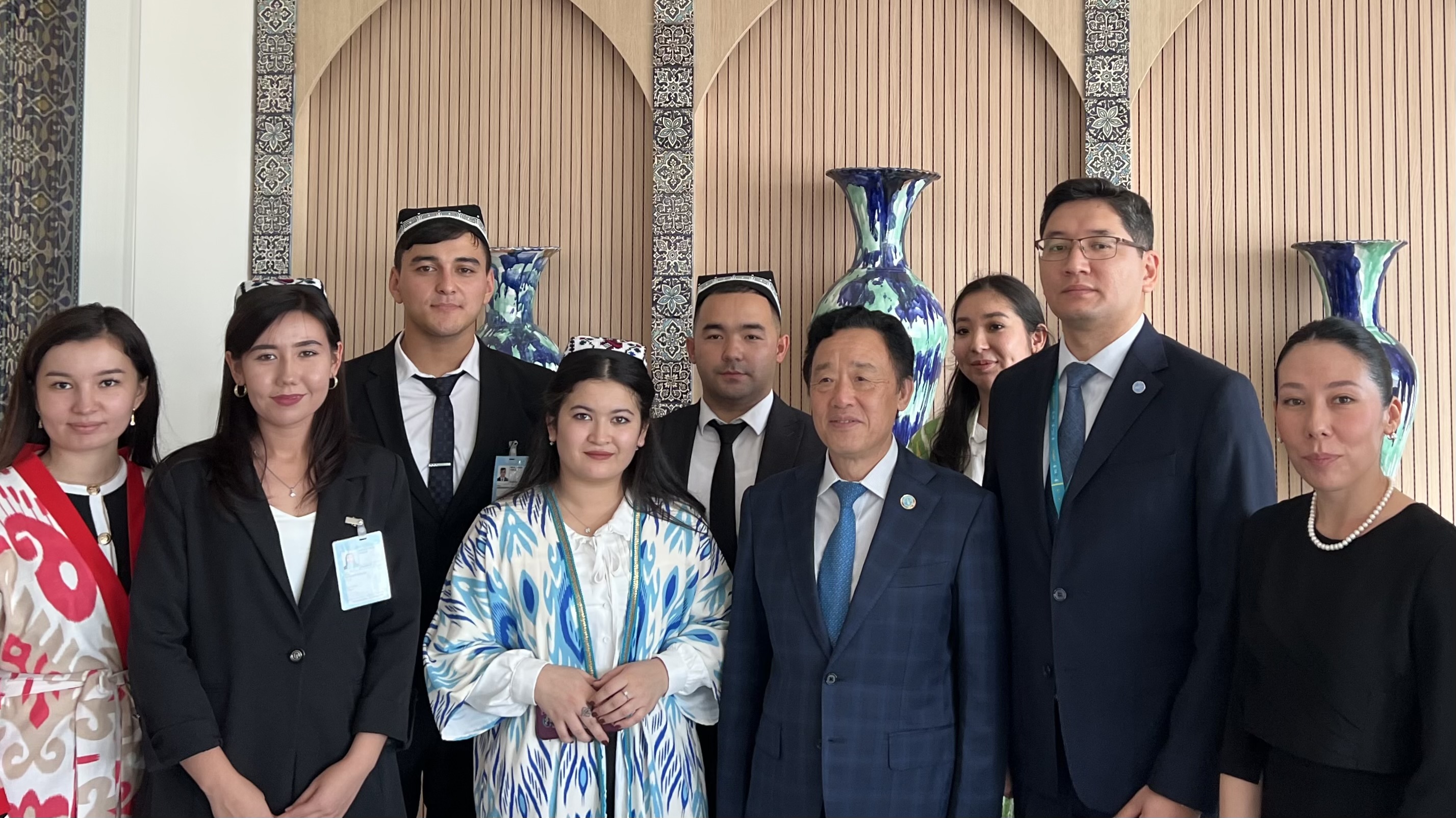
Government Sector: Monday–Friday, approx. 9:00 AM–6:00 PM.
Private Sector: Similar schedule, often with lunch and prayer breaks.
Punctuality
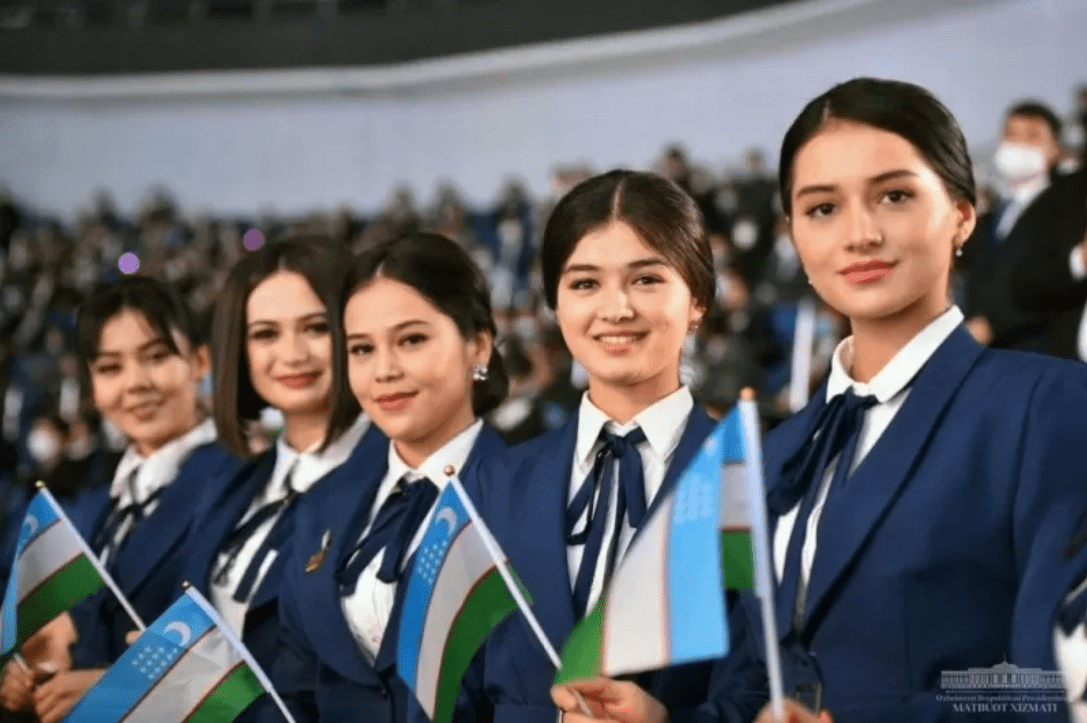
In Uzbekistan, the perception and importance of punctuality vary significantly depending on the social context. While trains and airlines are known to be reliable, personal and business meetings are often viewed with more flexibility.
Meeting Etiquette
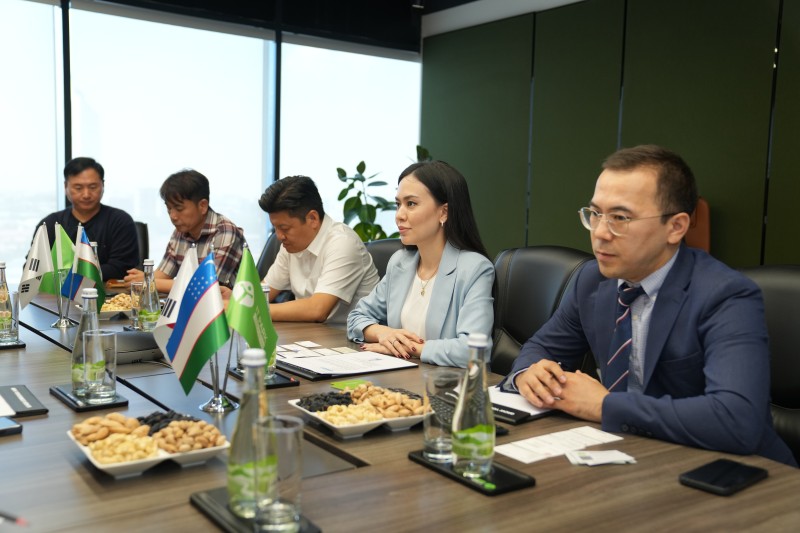
Key office meeting etiquette in Uzbekistan includes a high-context communication style, a strong emphasis on relationships and respect for elders, and a more fluid approach to punctuality. A relationship-based approach is often more important than a task-based one, especially during initial meetings.
Football Culture
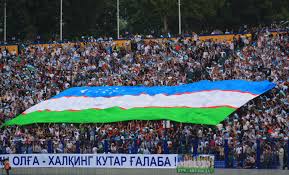
Uzbekistan's football culture is currently defined by a historic World Cup qualification, the emergence of a "golden generation" of players like Abdukodir Khusanov and Eldor Shomurodov, and substantial government investment in academies and infrastructure since 2018. While a dark incident from a 1979 air crash that killed the Pakhtakor team continues to be mourned, the FA has cracked down on player indiscipline and implemented fan restrictions to promote a more disciplined and positive sporting environment.
Key Aspects of Uzbekistan Football Culture
Government Support:
Football is increasingly used by the government to promote the concept of "New Uzbekistan," with recent victories framing the nation's progress.
"Golden Generation": Players like Khusanov, Shomurodov, and Abbosbek Fayzullaev are spearheading the team's success, fulfilling a promise to play the best football the country has ever seen.
Current State and Future Outlook
Historic World Cup Qualification: The national team has achieved its first-ever World Cup qualification, making history for Central Asia.
Focus on Discipline: The government and football association are emphasizing discipline, with a greater focus on fostering high performance and professional conduct among players.
Positive Trajectory: The rise of the "golden generation" and the success of the national team have created a sense of optimism for the future of Uzbek football.

Natural Disasters
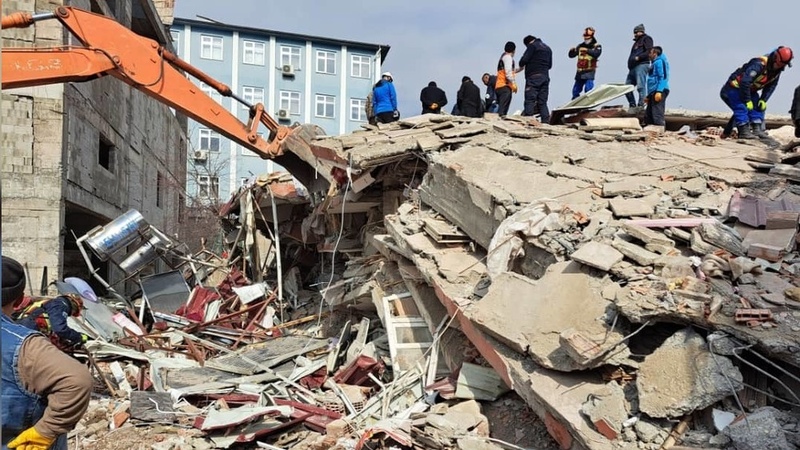
Uzbekistan's primary natural disaster risks include earthquakes, with the eastern part of the country highly vulnerable, and hydro-meteorological hazards such as floods, droughts, and landslides, particularly in mountain regions.
Annually, these hazards affect around 1.4 million people and cause substantial economic losses. Climate change is projected to increase the frequency and severity of these events, increasing the need for robust early warning systems and community preparedness.
Earthquakes: Uzbekistan is seismically active, especially in its eastern areas, including the cities of Tashkent, Samarkand, and Bukhara, and the Fergana Valley. The 1966 Tashkent earthquake was a devastating event.
Floods: Frequent floods occur, often due to snowmelt, severe storms, or the bursting of mountain lakes, impacting agricultural areas and causing casualties.
Emergency Response
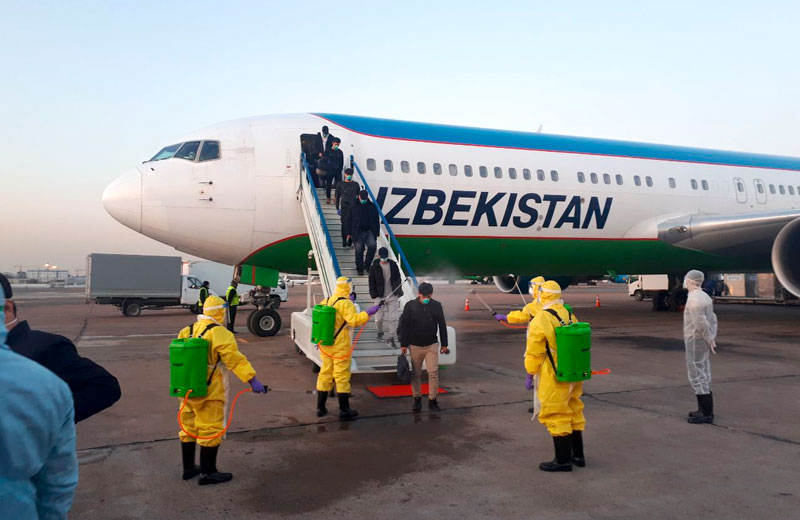
Emergency response in Uzbekistan is managed by the Ministry of Emergency Situations (MES), alongside other government bodies and international partners. In recent years, the country has focused on enhancing its disaster preparedness and shifting from a reactive to a proactive disaster risk management approach.
Emergency contact numbers
Unified emergency service: 112.
Police: 102.
Ambulance: 103.
Fire service: 101.
Emergency gas service: 104.
Rescue service (MES): 1050.
Tourist police: 1173.
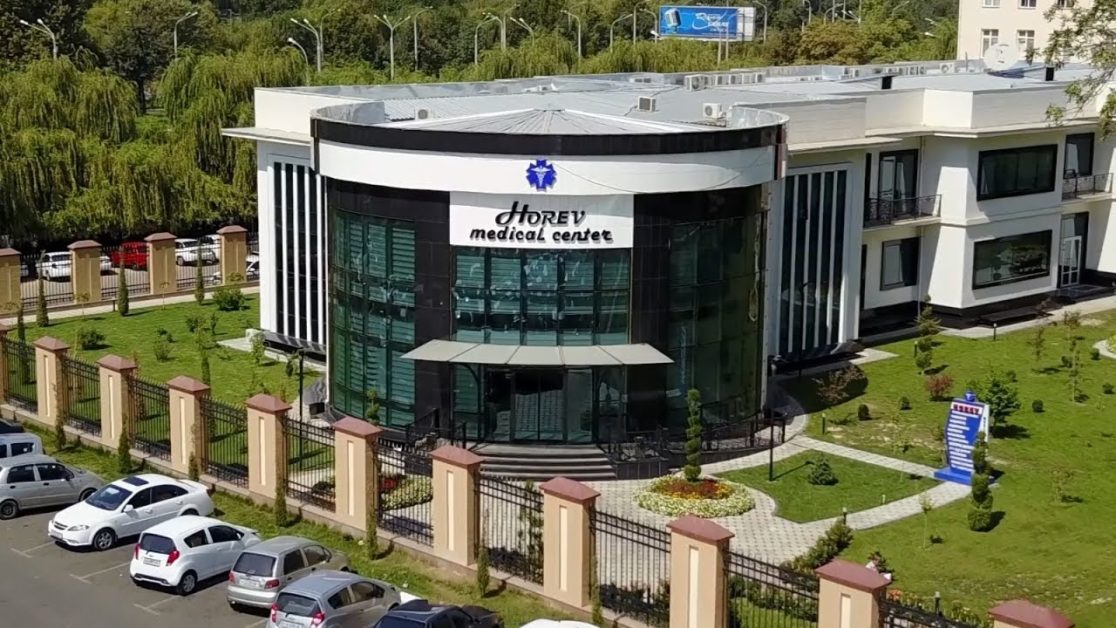
Medical Services
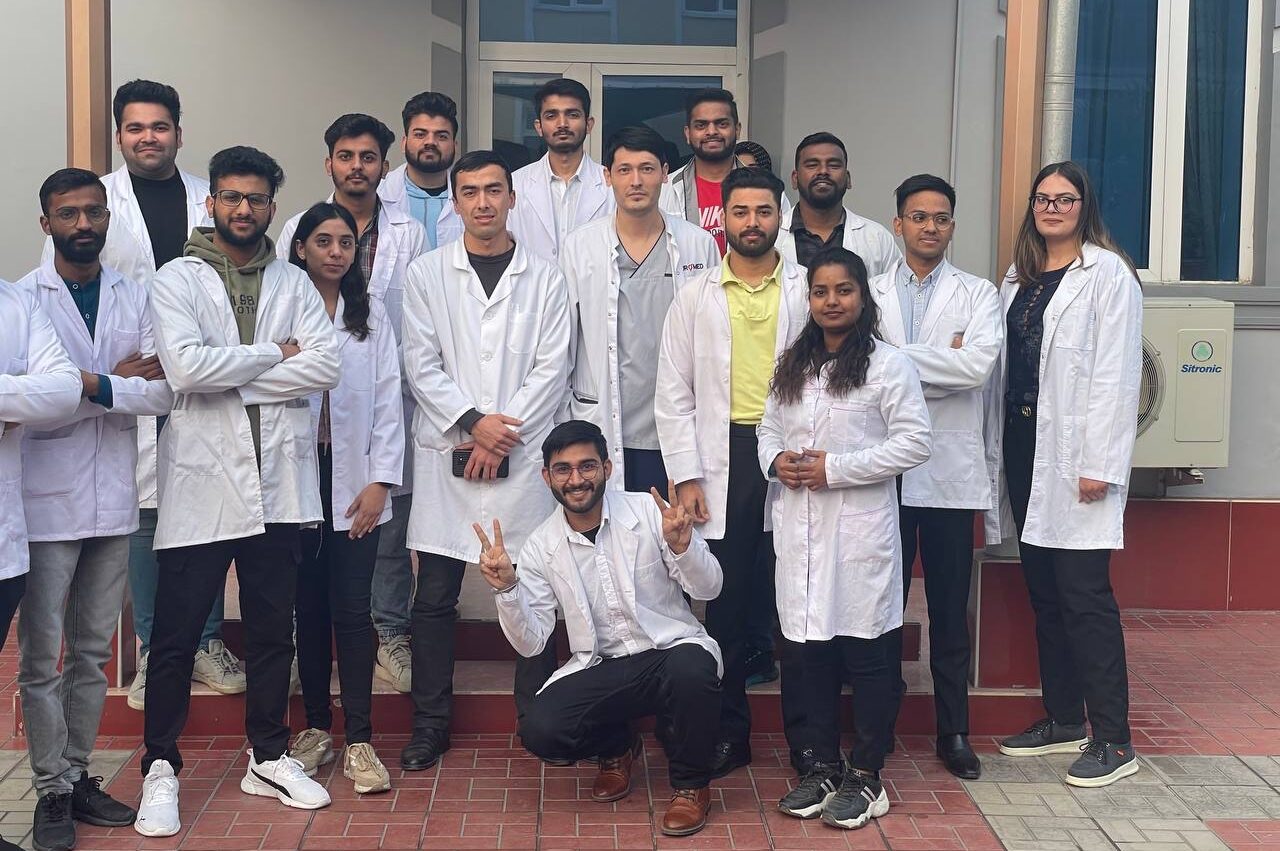
Uzbekistan is working to improve its healthcare services through government reforms, partnerships with international organizations, and the expansion of private sector access. While quality varies, with issues in public facilities and disparities between urban and rural areas, modern equipment is being introduced in many areas, and a nationwide public health insurance system is slated for full implementation by 2026. For expats needing complex procedures, private clinics, particularly in Tashkent, are often recommended, and travel abroad for treatment is common.
Healthcare Quality & Access
Public vs. Private: Quality in Uzbekistan's public healthcare system is generally considered poor, with limited resources and unhygienic conditions. Private hospitals, particularly in Tashkent, offer better services, but access is limited outside the capital.
Urban vs. Rural: There are significant disparities in health worker distribution, with a concentration of professionals in urban centers and shortages in rural areas, impacting a large portion of the population.
Specialized Care: Complex surgical and medical procedures for expats often require travel to other countries or specialized private hospitals.
Pharmacies
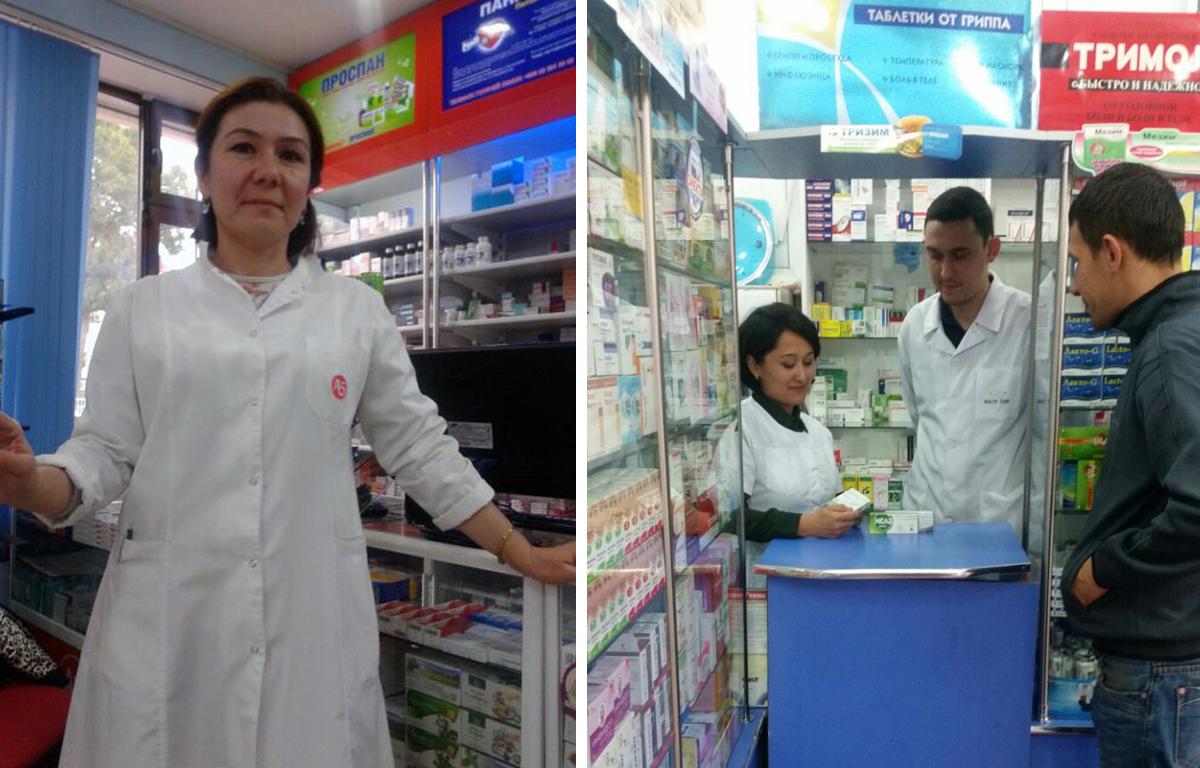
Major pharmacy chains in Uzbekistan include JSC Dori-Darmon, OXYmed, and Dorixona Pharmacy +03, with many branches operating 24/7 in larger cities like Tashkent. The pharmaceutical market is actively developing, but travelers should be aware of rules regarding prescription medications.
Major pharmacy chains
JSC Dori-Darmon: A large, multi-branch pharmaceutical network that supplies medicines throughout the country.
OXYmed: A modern pharmacy chain that offers a wide range of medications, medical products, vitamins, and cosmetics. They also operate an online platform.
Dorixona Pharmacy +03: A network with many years of experience, known for its extensive selection of medications and 24/7 locations.
Eco Med Аптека: Another chain with numerous locations in Tashkent, providing a wide variety of medicines around the clock.
Shopping for medicine
Local names: Pharmacies carry both locally produced and imported medications. For a specific drug, it is best to know the generic name, as local brand names may differ from what you are familiar with.
Hours of operation: Many pharmacies, especially those belonging to large chains and located in major cities like Tashkent, are open 24 hours.
Availability: While major chains and stores in Tashkent are well-stocked, regional pharmacies may have different selections. Online purchasing is also an option.
Pricing: In 2024, Uzbekistan introduced a new system to improve the affordability of and access to medicines at the primary healthcare level.
Rules for prescription medication
Bringing medicine into Uzbekistan: If you are bringing prescription medications into Uzbekistan, especially narcotics and psychotropics, U.S. Embassy guidance suggests carrying a letter from your physician with your diagnosis, the name of the drug, and dosage. You should also bring a copy of the prescription itself.
Over-the-counter: Over-the-counter medications can be purchased at pharmacies. Bringing a small supply of common over-the-counter remedies from home for minor issues is still recommended.
No airport pharmacy: As of early 2025, there was no pharmacy in the arrivals area of the Tashkent airport, so it is advisable to get any necessary medications in the city.

Culture & Foods
Culture:
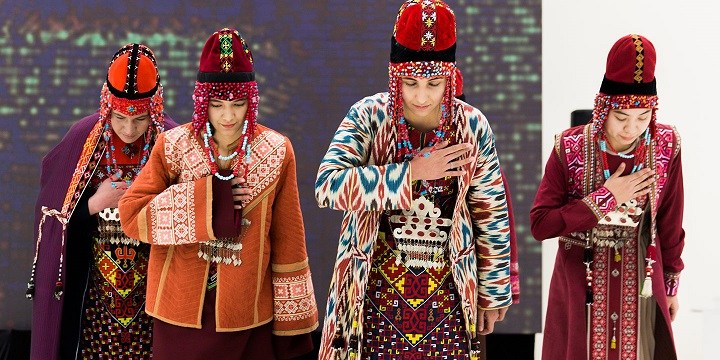
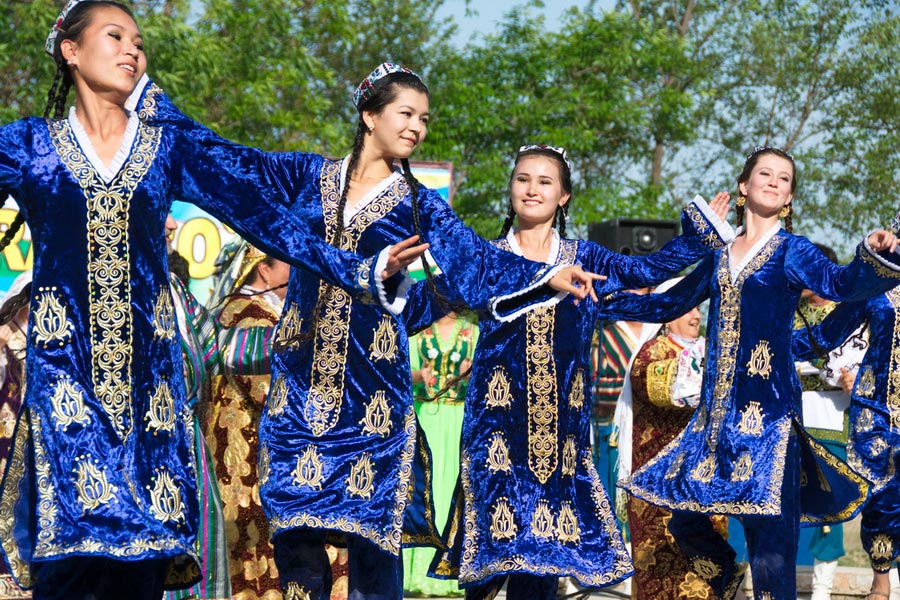
Uzbekistan's traditional culture is a vibrant tapestry woven from its history as a crossroads on the Silk Road, blending Turkic, Persian, and Islamic influences. Strong family ties, respect for elders, and legendary hospitality are central to Uzbek society.
Social and family traditions Hospitality:
Offering tea and a bountiful spread known as a dastarkhan to guests is a cornerstone of Uzbek culture, symbolizing respect and generosity. It is customary to accept tea when offered and to bring sweets or small gifts for the host's children.
Family and respect for elders: Extended families often live together in large, courtyard-centered homes. Elders are given the most honorable seating and their advice is highly valued.
Life-cycle rituals: Significant events like the birth of a child, circumcision ceremonies for boys (khatna-kilish), and weddings (nikokh-tui) are accompanied by specific rituals and large feasts. Wedding preparations can be extensive, involving multiple stages from matchmaking (fatiha-tui) to the final greeting of the bride (kelin salom) in her new home.
Mahalla: The traditional neighborhood community, known as a mahalla, plays a vital role in social life. It operates on principles of mutual aid, such as helping neighbors with major events like weddings through collective effort (hashar).
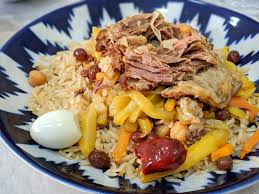
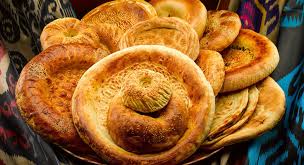
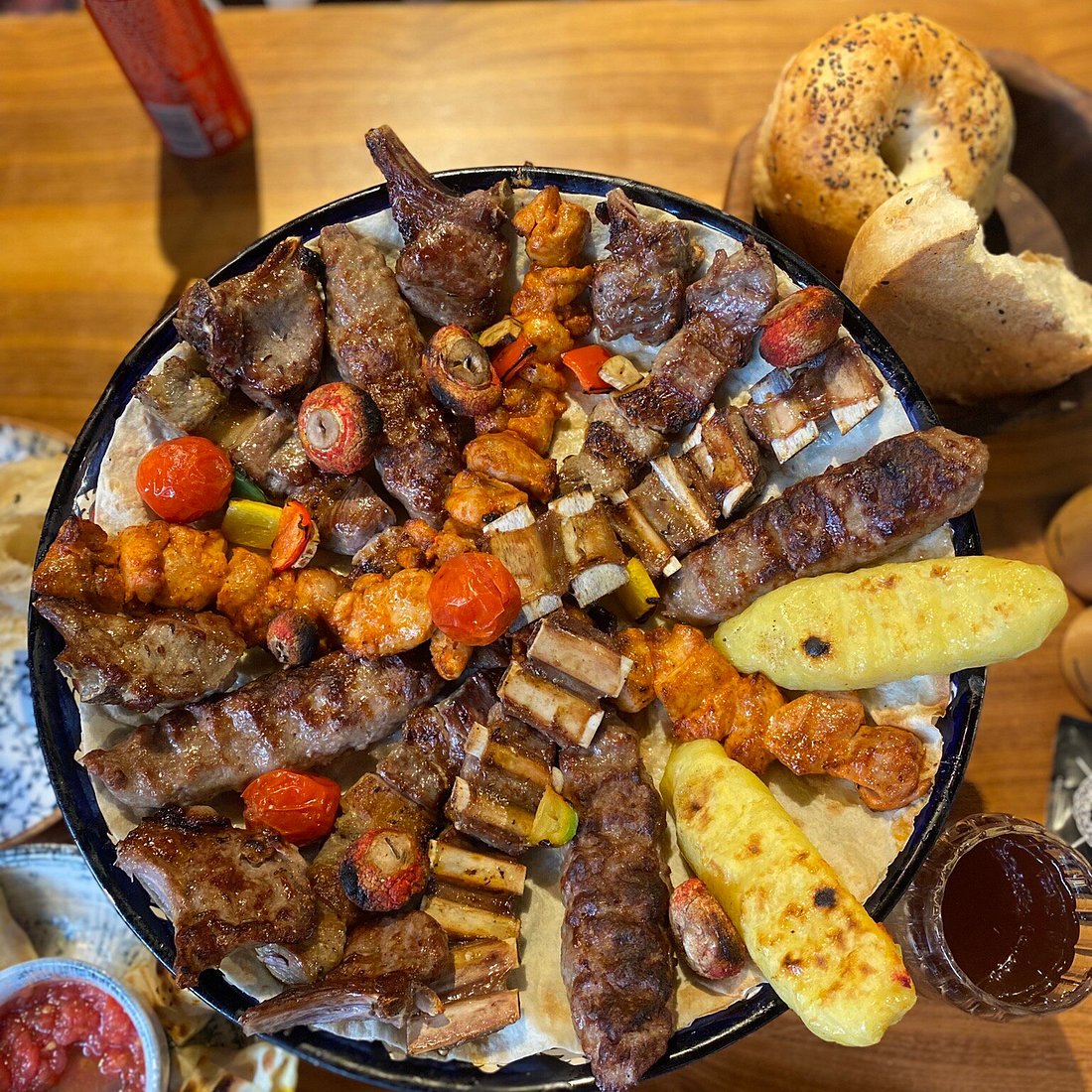
Uzbekistan's popular local cuisines feature dishes like Plov, the national rice pilaf with meat and vegetables; Lagman, a hearty noodle soup; Manti and Chuchvara, steamed and boiled dumplings, respectively; Shashlik, grilled meat skewers; and Samsa, savory oven-baked pastries. Other notable dishes include Dimlama, a meat and vegetable stew; Shurpa, a rich soup; and various types of bread (non).
Main Dishes
Plov (Palov): The iconic national dish, a rich rice pilaf cooked with lamb or chicken, carrots, onions, and spices like cumin and coriander.
Lagman: A comforting soup or stew with hand-pulled noodles and a flavorful meat and vegetable sauce.
Manti: Delicate, steamed dumplings filled with spiced ground meat, often served with tomato sauce or yogurt.
Chuchvara: Small, boiled dumplings similar to dumplings but often served in a hearty broth.
Shashlik: Skewered, marinated meat, such as lamb, beef, or chicken, grilled to perfection and often enjoyed with fresh herbs.
Samsa:
Savory oven-baked pastries with fillings like minced meat, onions, or other ingredients.
Dimlama: A hearty, slow-cooked stew of meat, vegetables like potatoes, carrots, and onions, and fragrant spices.
Soups
Shurpa: A nourishing soup made with a generous amount of meat, vegetables, and fragrant spices.
Mastava: A rich soup featuring meat, rice, and a variety of vegetables, often prepared with lamb.
BONUS!
Shashleek Barbecue Restaurant
Operating Time: 12 PM - 3 AM Daily Address: Uzbekiston Ovozi Street 49, Tashkent, Uzbekistan Tel: +998981010111 Recommendation: Nestled within the lush greenery of Eco Park,
Shashleek brings the heart of Uzbek grilling to life in a relaxed, stylish setting. The aroma of sizzling skewers fills the air as chefs serve perfectly charred lamb, chicken, and beef, complemented by crisp samsa and fresh salads. It’s a favorite among locals for its warm service and open-air terrace — ideal for a laid-back evening meal. While the menu is mainly in Russian, the flavors speak a universal language of comfort and craftsmanship.
Syrovarnya Italian Restaurant
Operating Time: 9 AM - 12 AM Daily Address: Shakhrisabz Street 31Б, 181301, Tashkent, Uzbekistan Tel: +998908153131 Website: https://familygarden.su/syrovarnyatashkent/
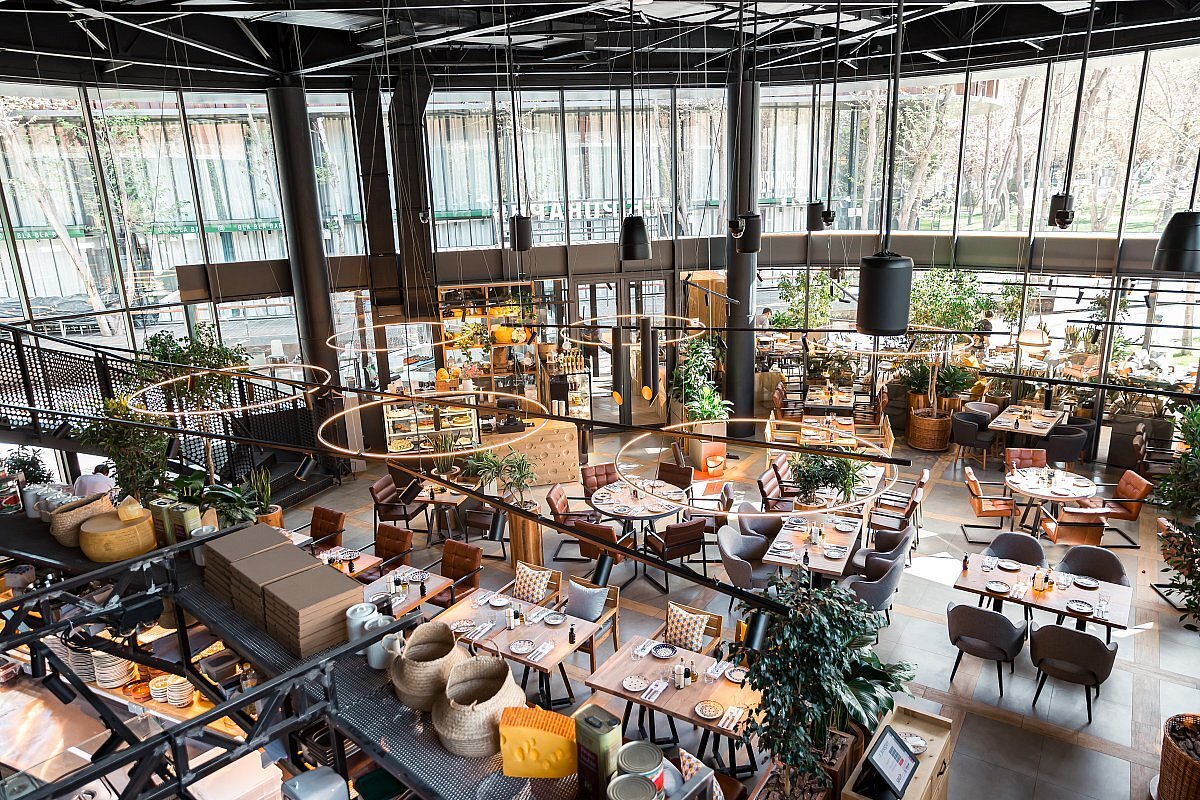
Recommendation: Tucked away on Shakhrisabz Street in central Tashkent, Syrovarnya offers a chic yet welcoming escape for cheese lovers and gourmand travelers. Inside a bright, modern space, you’ll discover an in-house cheese workshop churning out fresh mozzarella, burrata and more — all finding their way into salads, pasta and decadent desserts. Whether you arrive for a leisurely brunch or an elegant evening meal, attentive staff and refined dishes elevate the experience. Reservations are wise for the popular evening service.
Others
By keeping these points in mind, you'll be well-prepared for your business trip to Uzbekistan. Safe travels!
Time Zone: GMT+5 (no daylight saving).
Transport: Taxis, ride-hailing apps, and public buses. Metro in Tashkent.
Climate: Continental climate — hot, dry summers (June–August); cold winters (Dec–Feb). Spring/autumn are mild.