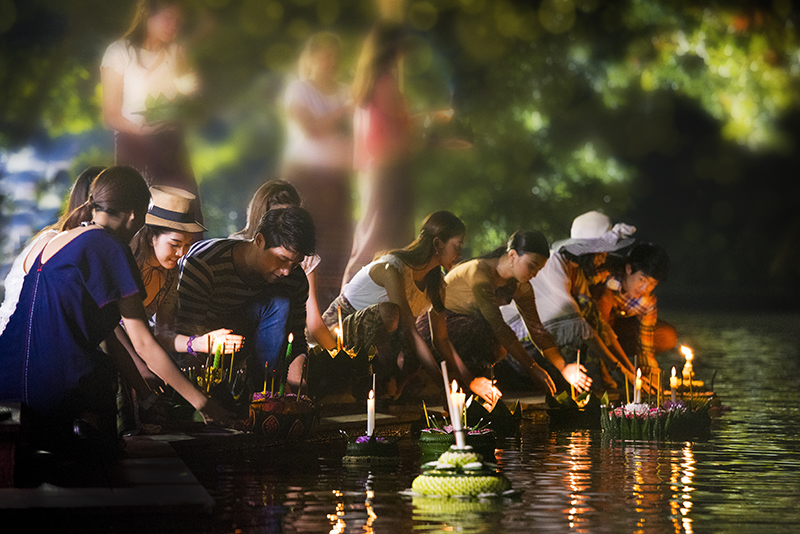
Thailand
Entry Visa
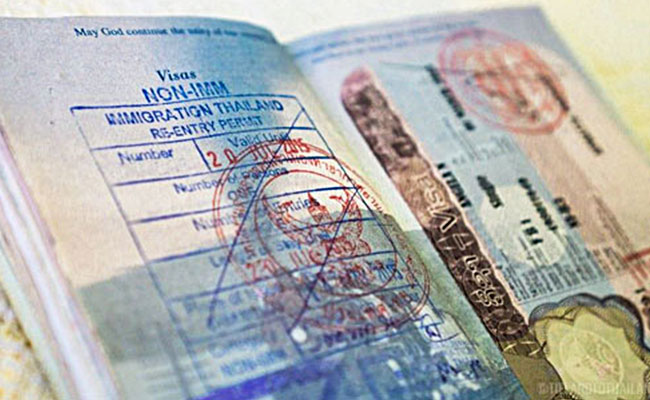
Visa Requirements: Many nationalities can enter Thailand visa-free for stays of up to 30 days if arriving by air (or 15 days by land). For longer stays, a visa must be obtained in advance.
Documents Required: Valid passport (with at least six months validity), a completed visa application form (if needed), and proof of onward travel.
IMPORTANT!
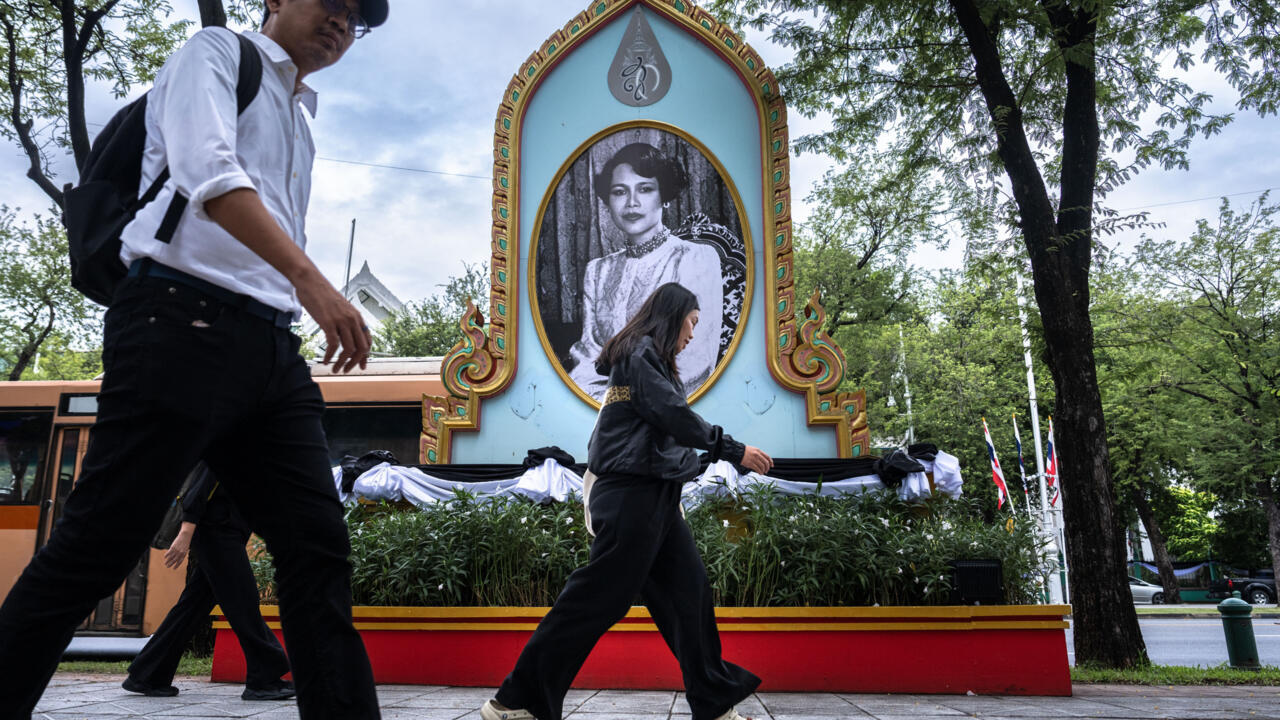
Following the death of Her Majesty Queen Sirikit, the Queen Mother, in October 2025, Thailand has entered a period of national mourning. Travelers should be aware of the official mourning guidelines and respectful etiquette.
Mourning period schedule
The official periods vary depending on the group and level of observance.
One year: Members of the Royal Family, court officials, civil servants, and state employees are requested to wear black mourning attire for one year from October 25, 2025.
90 days: The general public is encouraged to wear black, white, or subdued colors for 90 days as a sign of respect, but this is not mandatory for citizens or tourists.
Guidelines for visitors
Visitors are not required to wear black but are encouraged to observe local etiquette.
Dress respectfully: Consider wearing black, white, or other muted, dark-colored clothing, especially when visiting temples, royal sites, or government buildings. Modest attire is also recommended.
Show respect: Loud and boisterous behavior in public is not appropriate during this solemn period. Be mindful of a more somber atmosphere, particularly in Bangkok and around major cultural sites.
Toned-down events: Organizers of public activities and entertainment events have been asked to adjust the tone to reflect the national mood.
Major Airports
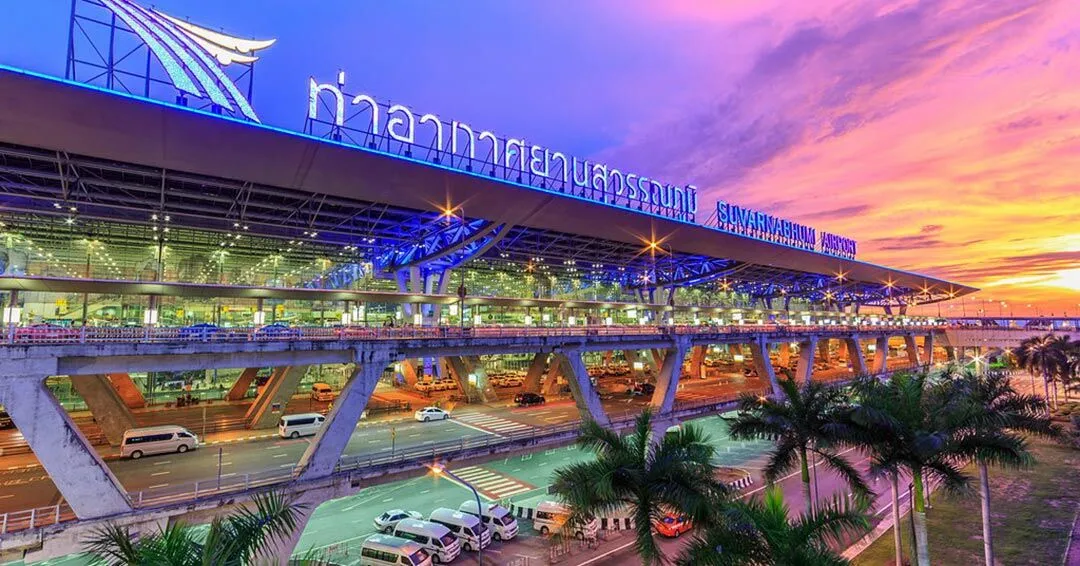
Suvarnabhumi Airport (BKK) in Bangkok is the main international gateway.
Don Mueang International Airport (DMK) serves low-cost airlines.
Facilities: Both airports offer a range of amenities including restaurants, shops, and free Wi-Fi.
Money Exchange
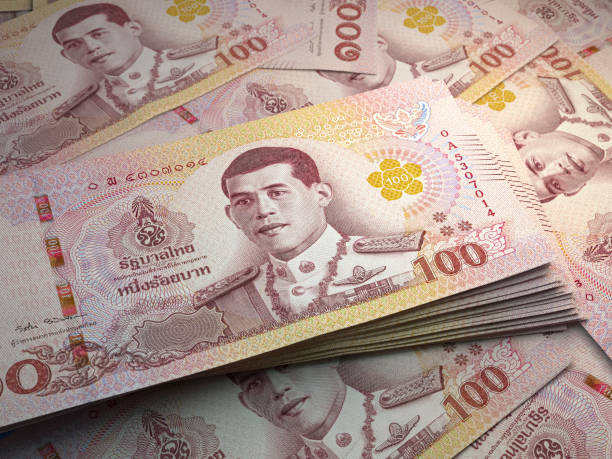
Currency: Thai Baht (THB).
Currency exchange is available at various locations including banks, exchange booths, and airports. Additionally, ATMs are widely accessible throughout the city, but it is important to verify any applicable fees before using them to withdraw money.

Dress Code
Business attire is generally formal.
For Men: Suits or dress pants with collared shirts and ties.
For Women: Professional dresses or blouses with skirts/slacks. Dressing conservatively is appreciated.
Language
Thai serves as the official language of the country, forming the foundation of communication across all regions. English, while not the primary language, is widely used and understood in business environments, particularly within major cities and among professionals. However, the level of English proficiency can differ significantly depending on the area and the individuals involved, with urban centers generally exhibiting higher fluency compared to rural locations.
Hello / Goodbye: Sawasdee krub/ka (สวัสดีครับ/ค่ะ)
Thank you: Khob khun krub/ka (ขอบคุณครับ/ค่ะ)
Excuse me / Sorry: Khor thot krub/ka (ขอโทษครับ/ค่ะ)
You're welcome / It's okay: Mai pen rai (ไม่เป็นไร)
Please: Karuna (กรุณา)


Telephone
International Dialing: When calling Thailand from outside the country, dial +66 followed by the local number, omitting the leading zero from the area code for local calls.
Local SIM Cards: These are widely available from major providers such as AIS, DTAC, and TrueMove, each offering a variety of competitive data plans suitable for travelers and residents alike, ensuring reliable connectivity throughout the country.
Internet
Internet access is widely available across many regions, especially in urban areas where high-speed options are prevalent. Additionally, numerous cafes, hotels, and public spaces provide free Wi-Fi to ensure connectivity for residents and visitors alike.
Business Hours
Government Offices operate Monday through Friday from 8:30 AM to 4:30 PM, ensuring services are available during regular business hours. The Private Sector generally maintains similar operating times, although banks often extend their hours to include Saturdays for customer convenience. It is also common for many offices to close earlier on Fridays to accommodate weekend preparations and staff schedules.
Government Offices: Monday – Friday, 8:30 AM–4:30 PM.
Private Sector: Similar hours; banks often close Saturdays.
Many offices may close early on Fridays.
Punctuality
In business environments, punctuality is highly regarded as a sign of professionalism and respect; however, there is often an understanding that some degree of flexibility may be necessary due to unforeseen circumstances. Being on time is typically appreciated and seen as a positive attribute, contributing to smoother interactions and efficient operations.

Meeting Etiquette
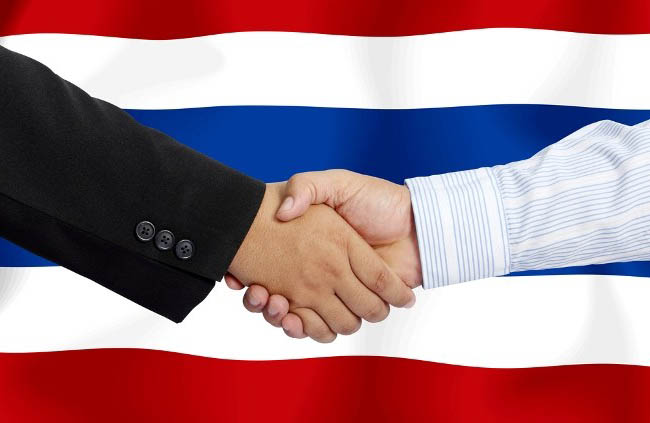
Business meetings in Thailand typically begin with polite greetings and a few minutes of small talk, which helps build rapport and establish trust. Maintaining a respectful and calm demeanor is important, as Thai culture values harmony and subtlety in communication. When addressing colleagues or partners, it’s customary to use titles and last names—such as “Khun” followed by the person’s name—until you’re invited to use first names. Formality is appreciated, especially in initial meetings. Exchanging business cards is a common practice and should be done with care. Always offer and receive cards using both hands, and take a moment to look at the card before putting it away, as a sign of respect. While Thai time can be somewhat flexible, it’s best to arrive on time or slightly early to show professionalism. Communication tends to be indirect, so it’s important to read between the lines and avoid open disagreement or confrontation. Maintaining politeness and patience goes a long way toward building strong business relationships in Thailand.
History of Major Football Incidents
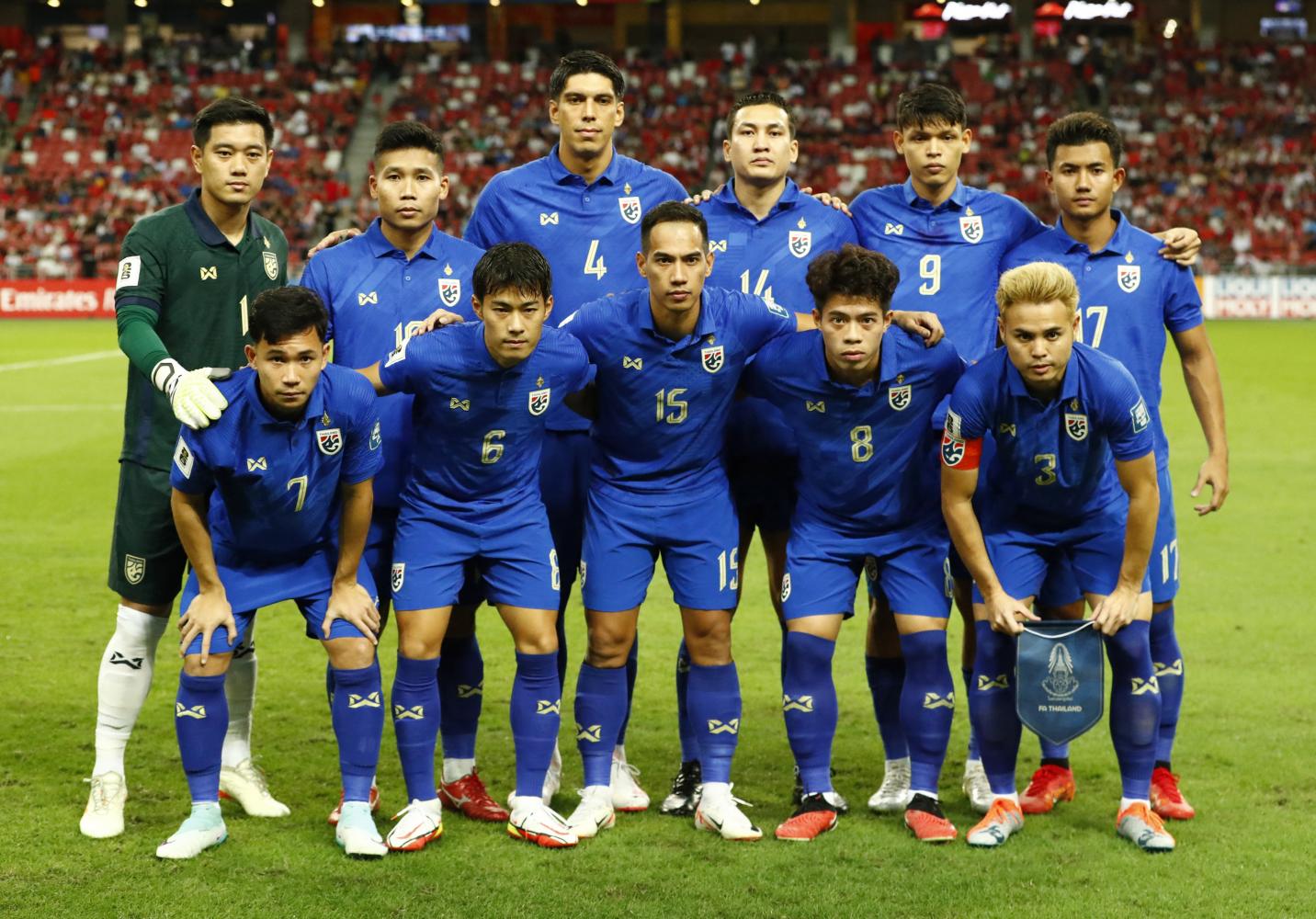
Football is hugely popular across Thailand, with passionate fans supporting local and international teams. While incidents of violence are rare, the excitement and strong rivalries between clubs can sometimes lead to tense or heated moments during matches. Visitors attending games are advised to stay aware of their surroundings and follow stadium safety guidelines.
Major Football Stadiums in Thailand
1. Rajamangala National Stadium (Bangkok) - Thailand’s largest stadium, with a capacity of around 50,000. It hosts national team matches, major league games, and large events.
2. Supachalasai Stadium (Bangkok) - Also known as the National Stadium, it is frequently used for football matches and athletic events.
3. Thunderdome Stadium (Pathum Thani) Home to Muangthong United, one of Thailand’s most successful clubs, with a capacity of about 15,000.
4. Thunder Castle Stadium (Buriram) - Home ground of Buriram United, another top club, known for its passionate fan base and modern facilities.
5. True BG Stadium (Pathum Thani) - Hosting BG Pathum FC, this stadium holds around 15,114 spectators and is known for its vibrant atmosphere.
Natural Disasters
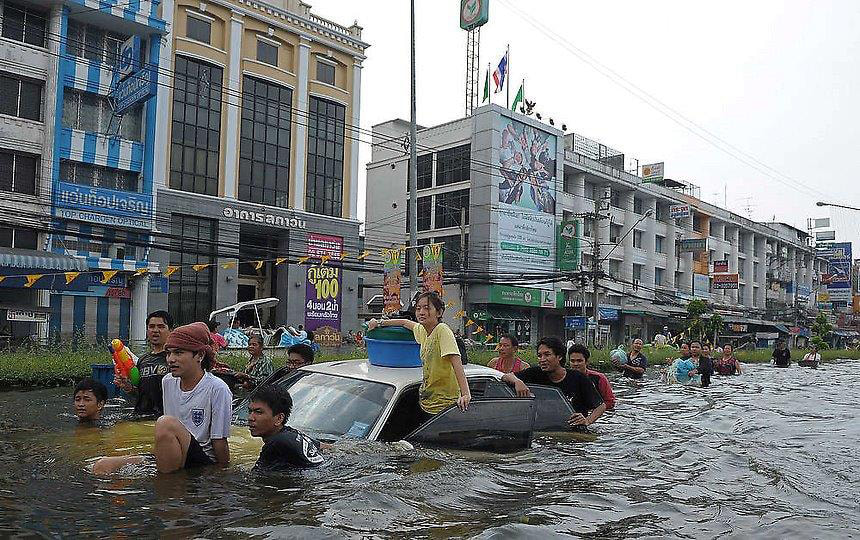
Thailand is prone to seasonal flooding, especially during the rainy season from May to October. Some areas, particularly low-lying and coastal regions, are more vulnerable. While earthquakes are less common, occasional tremors can occur. Travelers should stay informed about weather forecasts and familiarize themselves with local emergency procedures to stay safe during such events.
Emergency Response
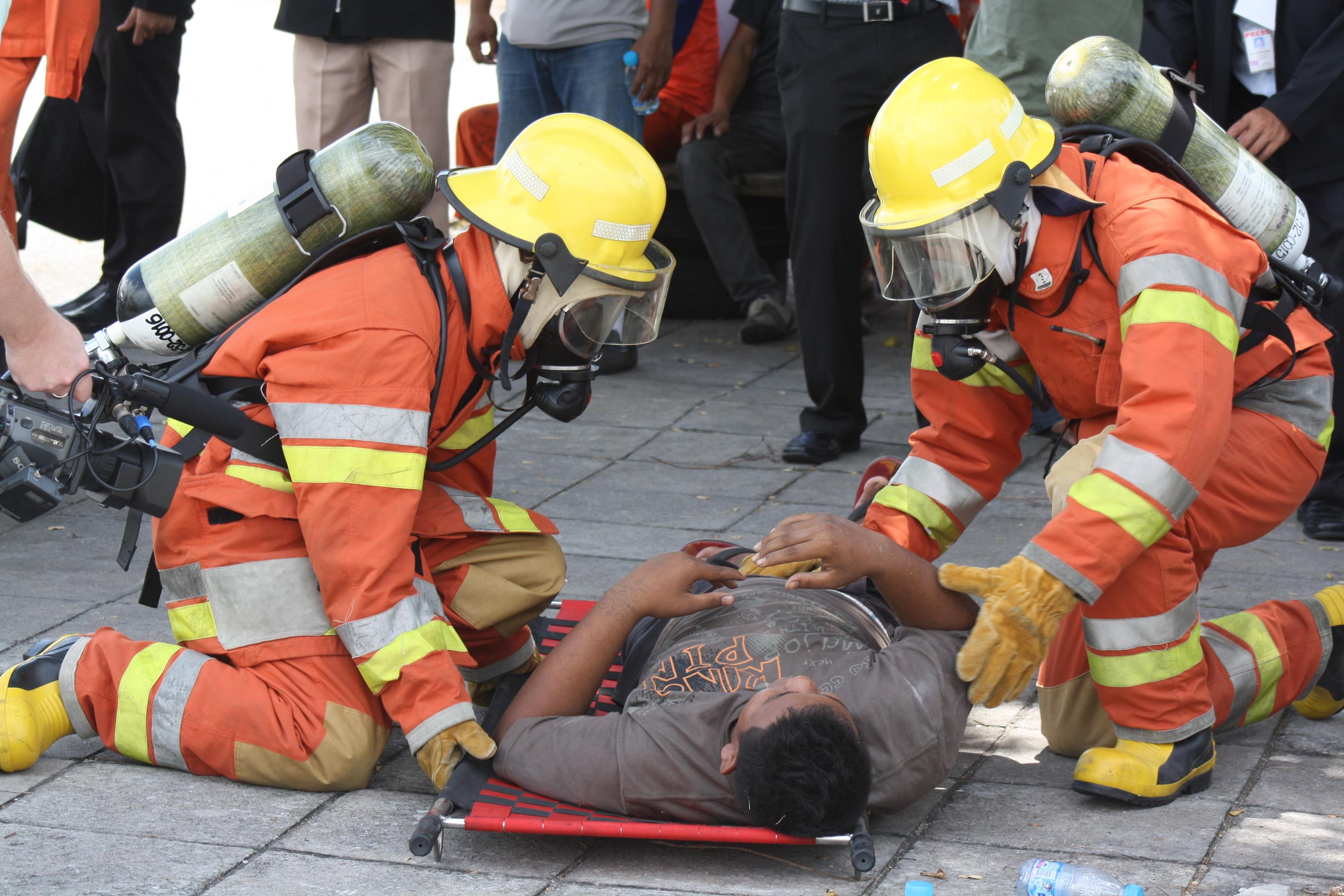
In case of emergencies, dial the following numbers: 191 – Police, 1669 – Medical Emergencies and Ambulance 199 – Fire Services It’s important to keep your hotel’s contact details and local authorities’ numbers handy while traveling. This ensures quick access to help when needed.
Medical Services
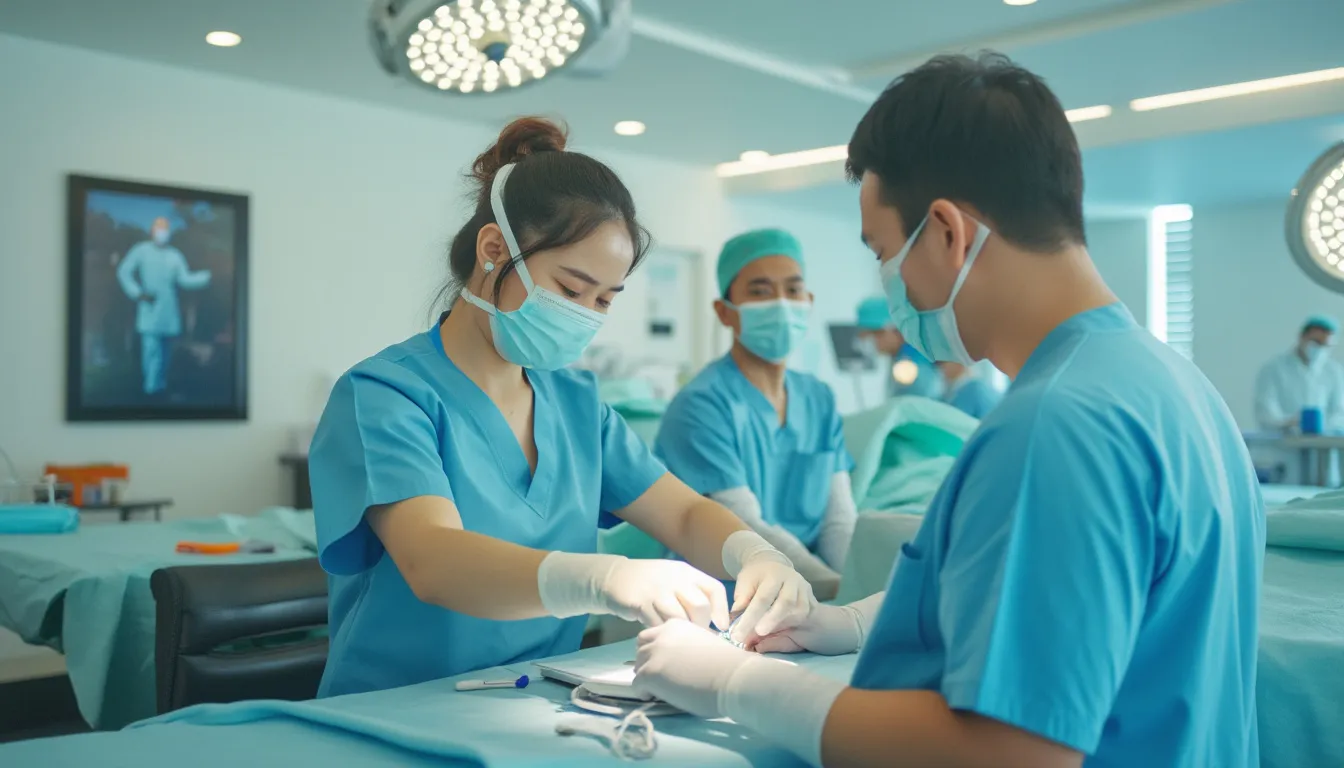
Thailand’s healthcare system is well-developed, especially in major cities like Bangkok, Chiang Mai, and Phuket, where many hospitals meet international standards and offer high-quality care. Both public and private hospitals are available, with private facilities often preferred by travelers for faster service and English-speaking staff. Comprehensive travel insurance covering medical emergencies is highly recommended, as private healthcare costs can be expensive for tourists. In rural areas, medical facilities may be limited, so it’s best to plan accordingly and seek care in urban centers when possible.
Pharmacies
💊 Pharmacies in Thailand
Pharmacies are widely available across Thailand and are generally well-stocked with both prescription and over-the-counter (OTC) medications. You’ll find them in cities, towns, shopping malls, near hospitals, and even in tourist areas. Many pharmacists speak basic English, especially in urban centers and tourist hotspots.
Major Pharmacy Chains in Thailand
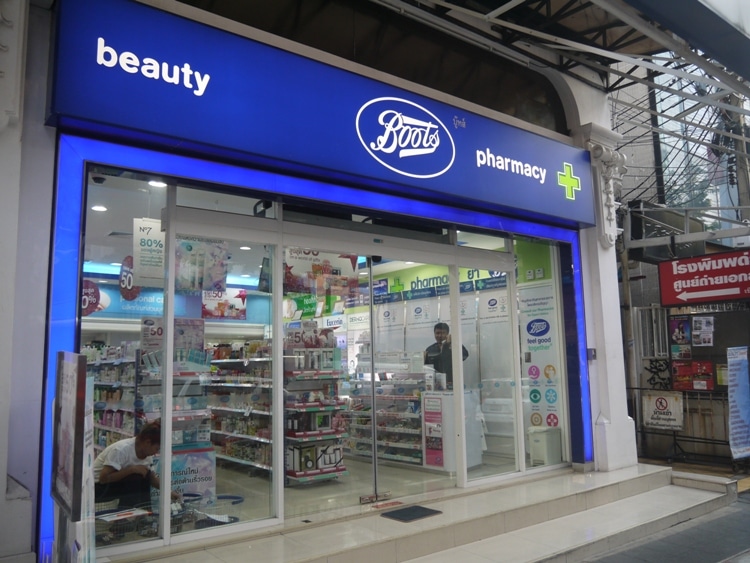
1. Boots
– A popular international chain offering OTC medications, health and beauty products, and some prescription services. Commonly found in malls and city centers.
2. Watsons – Offers a wide range of OTC drugs, personal care items, and supplements. Frequently located in shopping malls and near BTS/MRT stations.
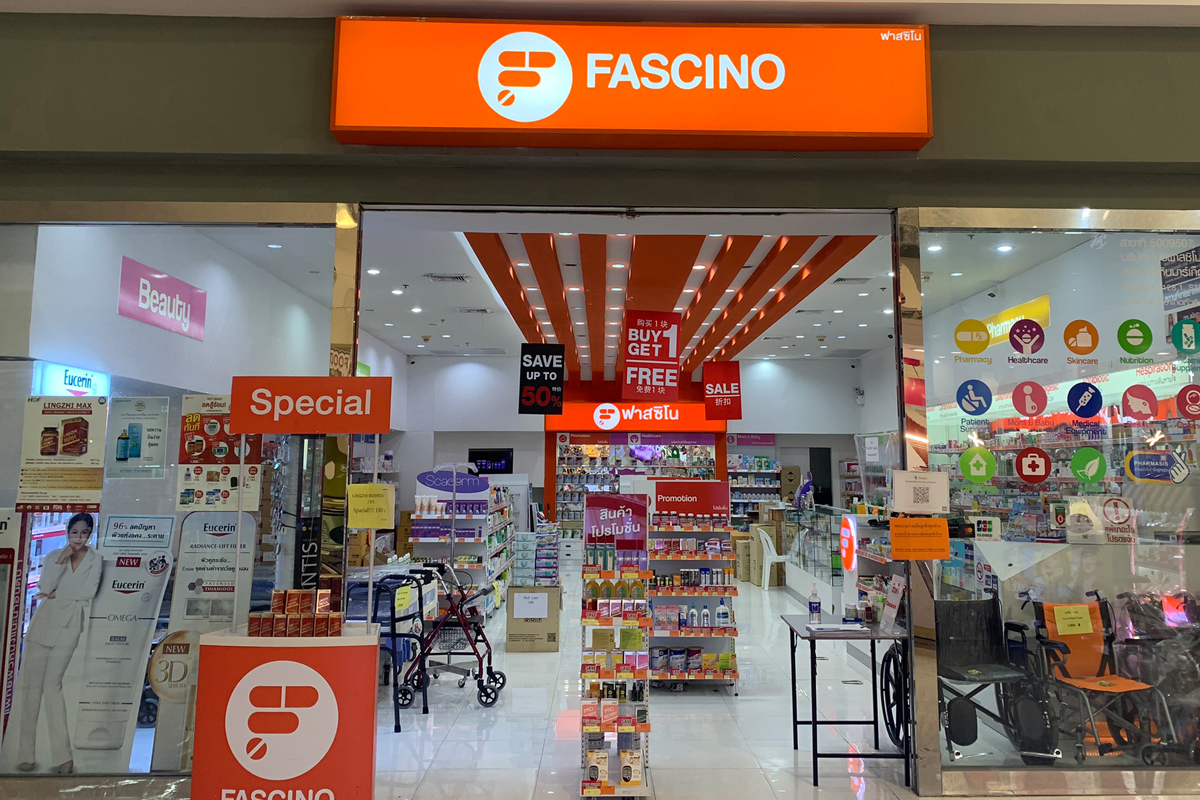
3. Fascino Pharmacy – Thai-owned chain known for its extensive selection of medicines and professional service.
4. Save Drug – Offers prescription medications, health supplements, and medical equipment. Found in various cities across Thailand.
5. Pure Pharmacy (by Big C) – A growing chain connected to Big C supermarkets, convenient for both groceries and basic pharmaceutical needs.
Other Options: Independent pharmacies are common and often offer lower prices. Most urban pharmacies operate until late (9–10 PM), and 24-hour pharmacies can be found in larger cities like Bangkok, Chiang Mai, and Phuket. Online & Delivery Apps: Some major chains provide delivery services through apps like Lazada, Grab, Watsons Thailand, or Boots Thailand Online—especially useful for travelers staying long-term.
🩺 Common Over-the-Counter Medicines
1. Paracetamol (Tylenol, Panadol) – Readily available for pain, fever, and colds.
2. Ibuprofen (Nurofen) – For pain, inflammation and menstrual cramps. Available in most pharmacies, but use with caution if you have stomach issues.
3. Antihistamines (Loratadine, Cetirizine) – Commonly used for allergies, colds, or insect bites.
4. Decongestants (e.g., pseudoephedrine) – Helpful for nasal congestion, though some forms may require a pharmacist’s approval.
5. Throat Lozenges & Sprays (Strepsils, Betadine) – Widely available and commonly used for sore throats and dry coughs.
6. Cough Syrups (e.g., Bisolvon, Robitussin) – OTC options for dry and productive coughs.
7. Cold & Flu Remedies (e.g., Decolgen, Tiffy, Actifed) – Combination meds with antihistamines, decongestants, and pain relief.
8. Stomach Remedies (e.g., charcoal tablets, Buscopan, antacids) – Used for indigestion, diarrhea, or bloating; sold without a prescription.
9. Electrolyte Powders (e.g., ORS) – Important for rehydration, especially in hot weather or after food-related illness.

Culture & Foods
Culture: Thai culture emphasizes respect, especially for the monarchy and religion. It’s important to be polite and avoid confrontational behavior.
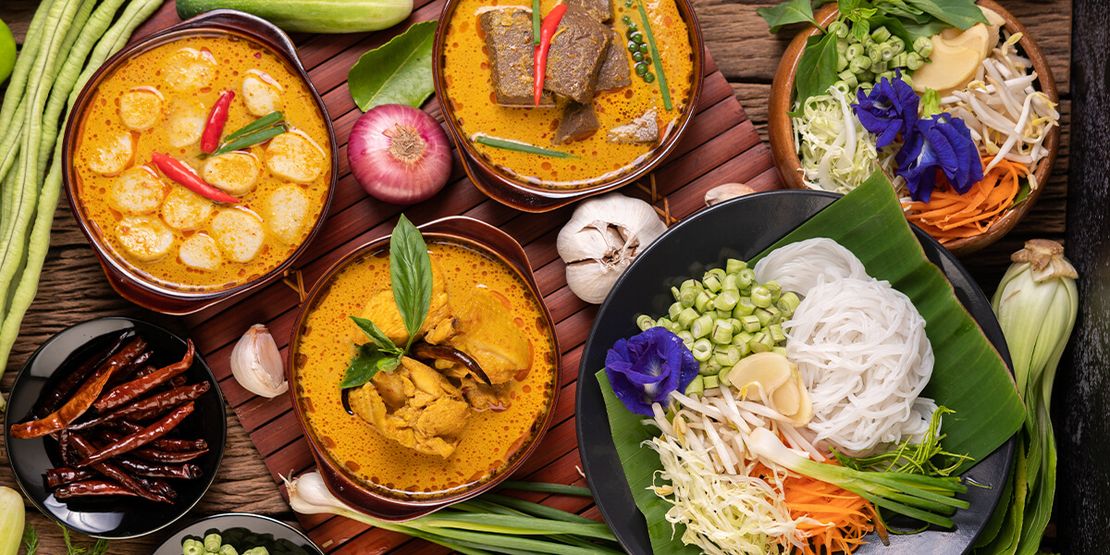
🥘 Signature Thai Dishes
1. Pad Thai Stir - fried rice noodles with shrimp, chicken, or tofu, mixed with egg, bean sprouts, garlic, tamarind sauce, and topped with crushed peanuts and lime. A beloved street food classic.
2. Tom Yum Goong - A hot and sour soup featuring shrimp, lemongrass, kaffir lime leaves, galangal, chili, and lime juice. Spicy, citrusy, and deeply aromatic.
3. Green Curry (Gaeng Keow Wan) - A creamy, spicy curry made with green chili paste, coconut milk, chicken or beef, Thai eggplants, and fresh basil. Often served with steamed rice.
4. Massaman Curry - A milder, Muslim-influenced curry made with slow-cooked beef or chicken, potatoes, peanuts, cinnamon, and coconut milk. Rich and comforting.
5. Som Tum (Green Papaya Salad) - A spicy, tangy salad made from shredded unripe papaya, tomatoes, garlic, chili, lime juice, fish sauce, peanuts, and sometimes dried shrimp or salted crab.
6. Khao Pad (Thai Fried Rice) - Simple yet flavorful fried rice with egg, vegetables, and your choice of meat or seafood, often served with lime and cucumber slices.
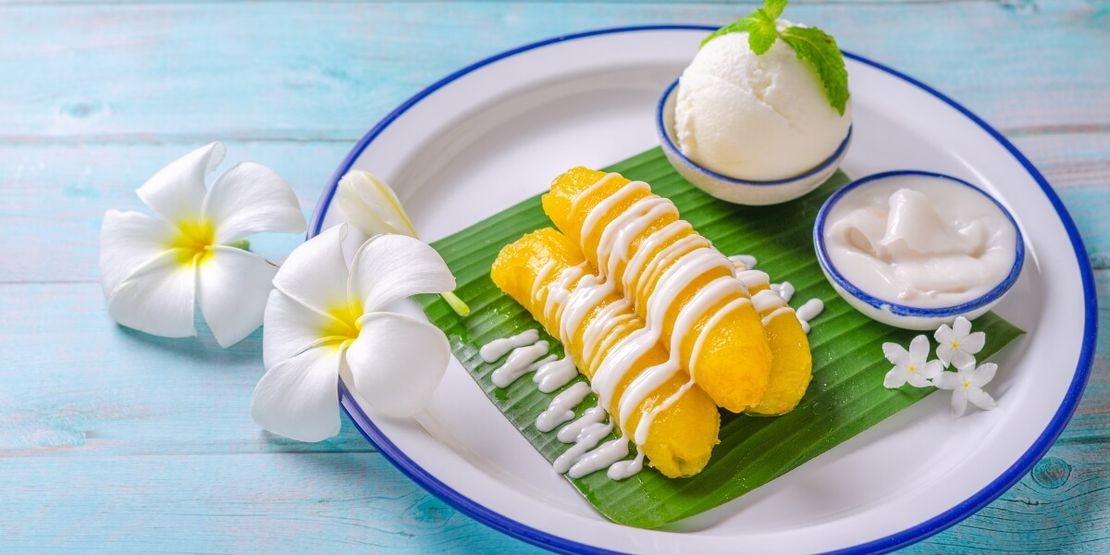
🍨 Popular Thai Desserts
1.Mango Sticky Rice (Khao Niew Mamuang) - Ripe mango slices served with sticky rice soaked in sweetened coconut milk. A seasonal favorite and national dessert.
2. Coconut Ice Cream - Often served in a coconut shell and topped with roasted peanuts, sticky rice, or corn. Refreshing and dairy-free.
🥄 Good to Know
Many dishes can be adjusted for spice level—just ask for “mai phet” (not spicy) or “phet nit noi” (a little spicy). Street food in Thailand is not only affordable but often more flavorful and authentic than restaurant fare. Regional cuisines vary: Northern Thailand features milder, herb-forward dishes, while the South is known for intense heat and seafood.
Others
By keeping these points in mind, you'll be well-prepared for your business trip to Thailand. Safe travels!
Time Zone: GMT+7 (no daylight saving)
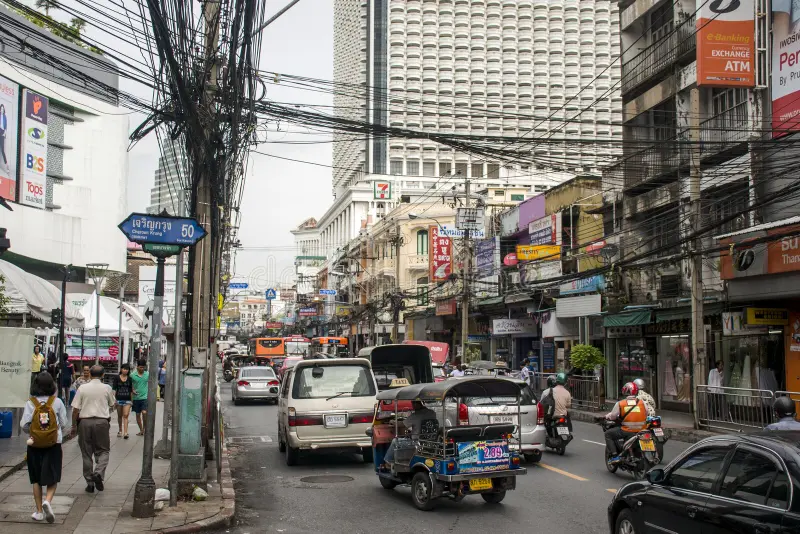
Transport: Excellent transit options—MRT, BTS, buses, taxis, ride-hailing (Grab).
Climate: Tropical hot and humid year-round (25–32 °C). Peak rainy season (May–October) and occasional thunderstorms.