
Syria
Entry Visa
Visa Requirements: Most travelers need a visa to enter Syria. It's advisable to obtain a visa before arrival, which can typically be applied for at a Syrian embassy or consulate.
Documents Required: Valid passport (with at least six months validity), a completed visa application form, a passport-sized photo, and possibly an invitation letter from a local business or organization.
Major Airports
Damascus International Airport (DAM) is the main international airport.
Facilities: The airport has basic amenities, but services may be limited. Expect longer wait times and limited flight options due to the ongoing situation.
Money Exchange
Currency: Syrian Pound (SYP).
Exchanging Money: Currency can be exchanged at banks, exchange offices, and some hotels. ATMs may be available in larger cities but are not always reliable. Cash is often preferred.


Dress Code
Business attire is typically formal.
Men: Suits or dress pants with collared shirts and ties.
Women: Professional dresses or blouses with skirts/slacks. Conservative attire is strongly recommended.
Language
Arabic is the official language. English may be spoken in business contexts, but proficiency can vary widely.


Telephone
International Dialing: To call Syria from abroad, use +963. For local calls, area codes must be included.
Local SIM Cards: Available from local providers, but check compatibility with your phone. Coverage may vary.
Internet
Internet access can be limited and subject to government control. Wi-Fi is available in some hotels and cafes, but speed and reliability can be inconsistent.


Business Hours
Typical business hours are Monday to Friday, 8 AM to 4 PM, with breaks for lunch. Many businesses may also close early on Fridays.
Punctuality
Punctuality is appreciated in business settings. Arriving on time for meetings is expected.


Meeting Etiquette
Meetings often begin with greetings and small talk. Use formal titles and last names until invited to use first names. Exchanging business cards is customary; treat them with respect.
History of Major Football Incidents
Football is popular in Syria, with a passionate fan base. While incidents of violence have occurred, particularly related to political tensions, they are not common during regular matches.


Natural Disasters
Syria is prone to earthquakes. Familiarize yourself with local emergency procedures and stay aware of your surroundings.
Emergency Response
For emergencies, local police can be reached by dialing 112. Keep contact information for your hotel and local authorities handy.

Medical Services
Healthcare facilities are limited, especially outside major cities. Comprehensive travel insurance that covers medical emergencies is essential.
Pharmacies
Pharmacies are available in cities, but stock may be limited. It’s advisable to bring personal medications as needed.
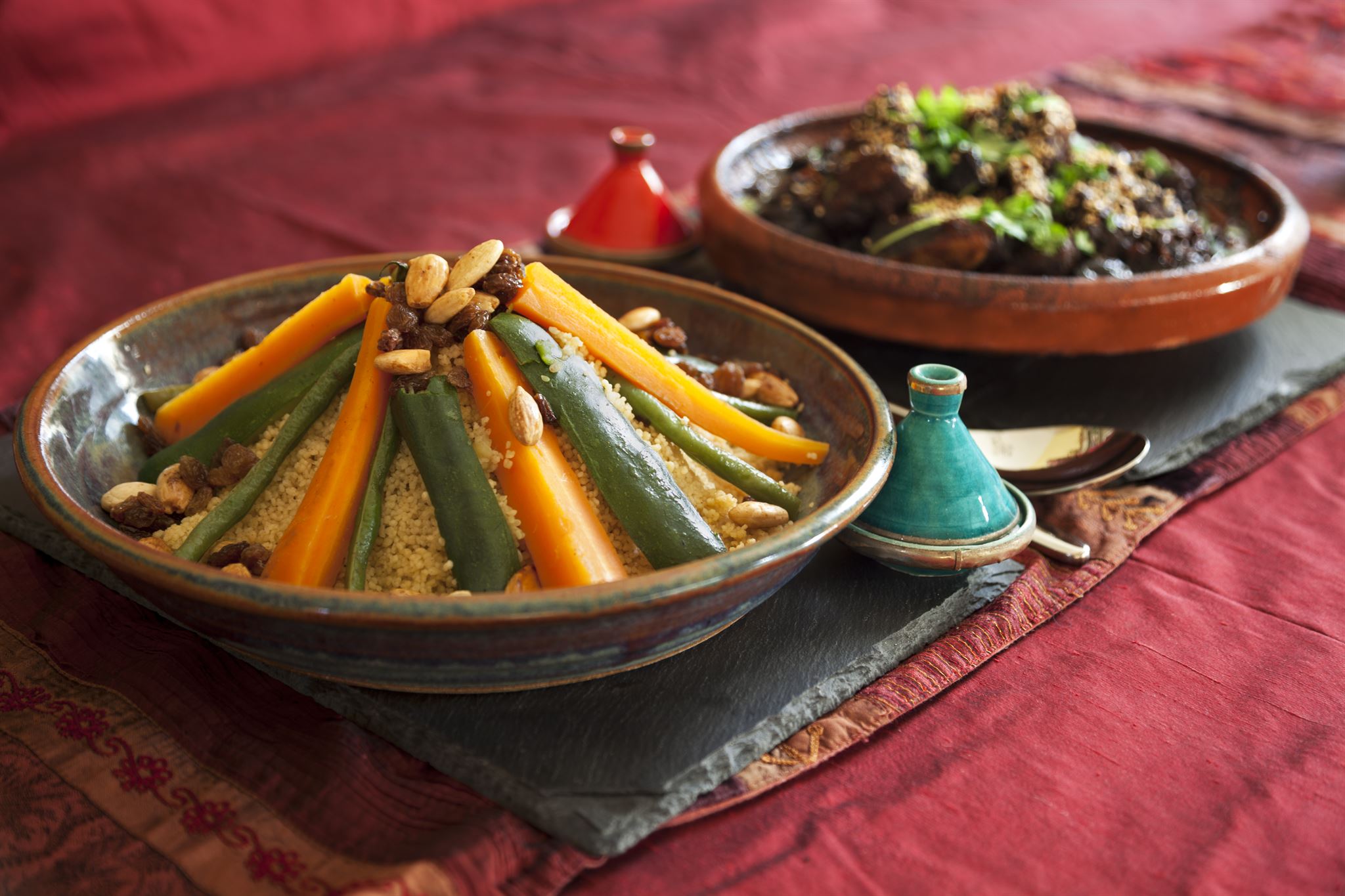
Culture & Foods
Culture: Syrian culture is rich and diverse, influenced by its long history. Respect for traditions and customs is important.
Foods:
- Kibbeh: A traditional dish made with bulgur, minced onions, and ground meat.
- Tabbouleh: A salad made from parsley, tomatoes, and bulgur.
- Fattoush: A bread salad made with mixed greens and fried pieces of pita bread.
- Baklava: A sweet pastry made of layers of filo dough filled with nuts and honey.
Others
Safety: Due to ongoing conflict and security issues, it’s crucial to stay informed about the current situation. Consult your government’s travel advisories and consider travel insurance that covers conflict zones.
Cultural Sensitivity: Be respectful of local customs and practices, especially regarding religion and social norms.
By keeping these points in mind, you'll be better prepared for your business trip to Syria. Safe travels!
Time Zone: GMT+3.
Transport: Limited public services; travel between airports and cities is often disrupted or restricted.
Climate: Mediterranean on the coast, arid inland; summers hot with mild winters.