
Sri Lanka
Entry Visa
Visa Requirements: Most travelers need a visa to enter Sri Lanka. An e-visa (ETA) can be obtained online for short stays (up to 30 days) for tourism and business purposes.
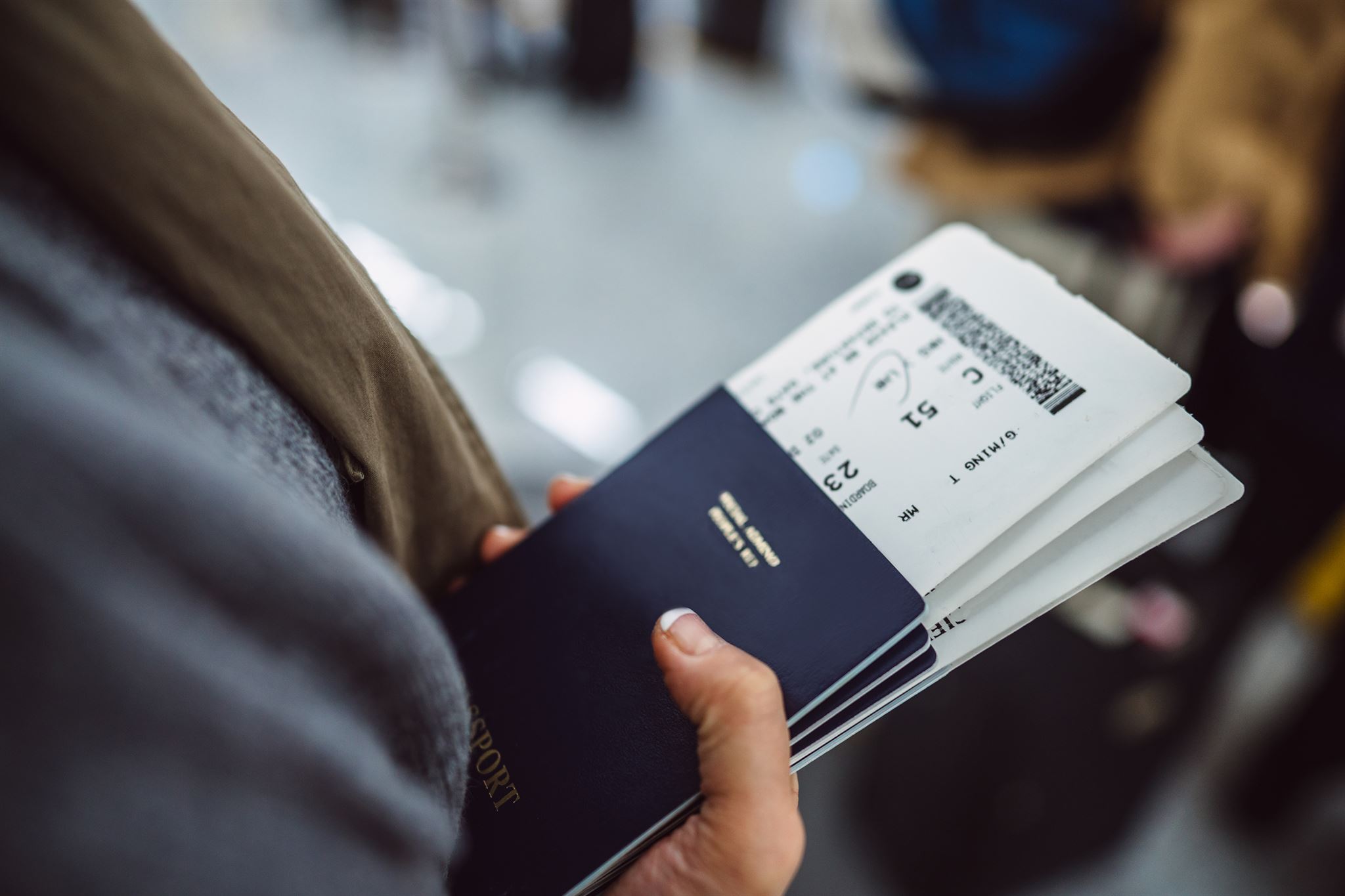
Documents Required: Valid passport (with at least six months validity), completed visa application, and proof of onward travel.
Major Airports
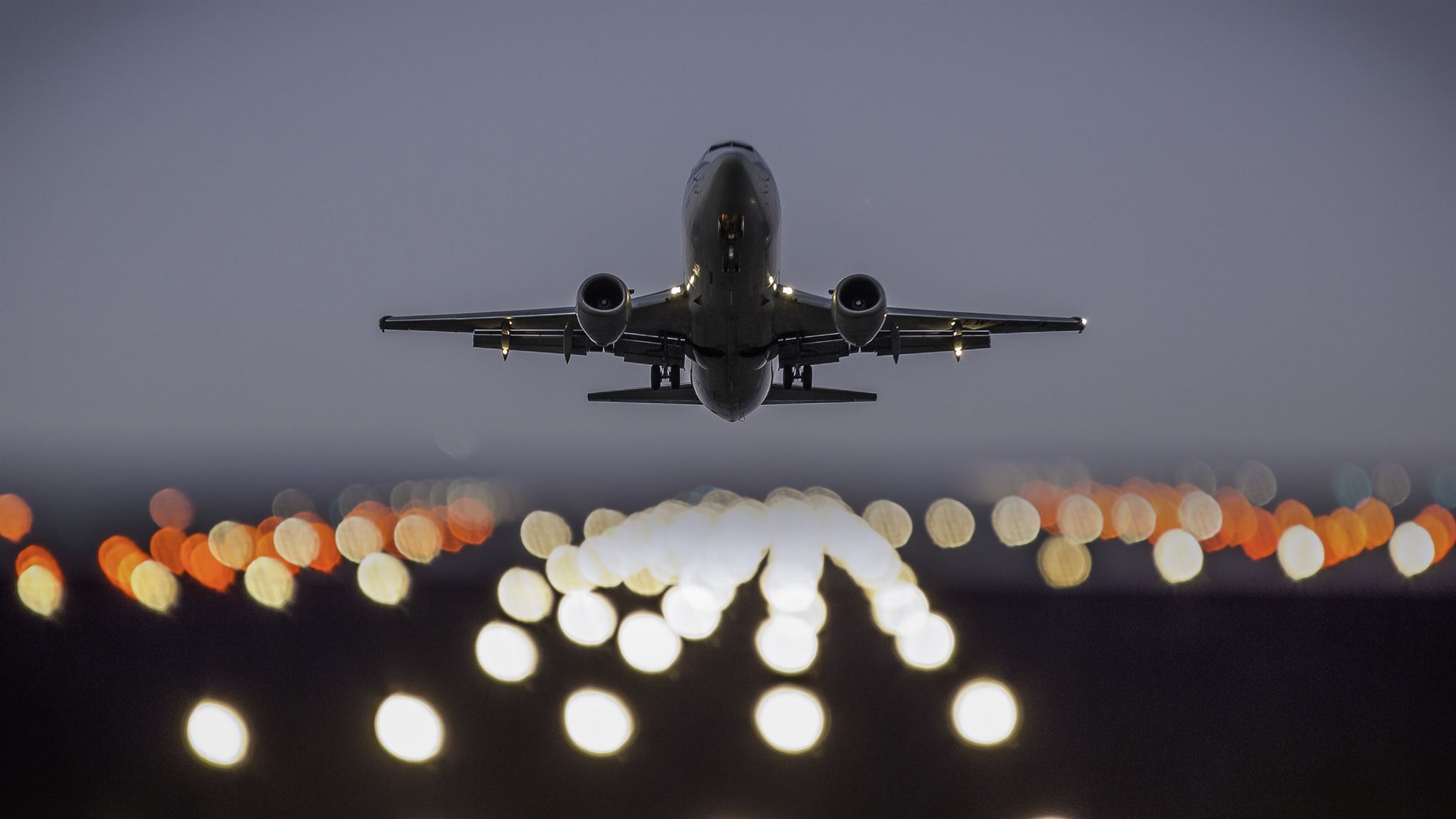
Bandaranaike International Airport (CMB): Near Colombo, it’s the busiest airport
Ratmalana International Airport (RML): Serves regional flights near Colombo Mattala Rajapaksa International Airport (HRI): Located in Hambantota.
Jaffna International Airport (JAF): Serves northern Sri Lanka; reopened for international flights
Facilities: The airport offers various amenities, including duty-free shops, restaurants, and free Wi-Fi.
Money Exchange
Currency: Sri Lankan Rupee (LKR).
Exchanging Money: Currency can be exchanged at banks, authorized exchange centers, and at the airport. ATMs are widely available in cities, and credit cards are accepted at most major establishments.


Dress Code
Business attire is generally formal.
For Men: Suits or dress pants with collared shirts and ties.
For Women: Professional dresses or blouses with skirts/slacks. Modesty is valued, especially in more conservative settings.
Language
Sinhala and Tamil are the official languages. English is widely spoken in business contexts, especially in urban areas and among professionals.


Telephone
International Dialing: To call Sri Lanka from abroad, use +94. For local calls, area codes must be included.
Local SIM Cards: Available from providers like Dialog, Mobitel, and Airtel, offering competitive data plans.
Internet
Internet access is widely available in urban areas. Many hotels, cafes, and restaurants offer free Wi-Fi, although connection speeds may vary.


Business Hours
Government Offices: Monday – Friday, 8:30 AM–4:00 PM
Private Sector: Similar hours; some services operate half-day Saturday.
Many offices may close early on Fridays.
Punctuality
Punctuality is appreciated in business settings. Arriving on time for meetings is expected, although some flexibility may be observed.


Meeting Etiquette
Meetings usually start with greetings and small talk. Use formal titles and last names until invited to use first names. Exchanging business cards is common; present them with both hands.
History of Major Football Incidents
Football (soccer) is popular in Sri Lanka, but major incidents are rare. The local football league has its dedicated fanbase, and the sport is generally well-received.


Natural Disasters
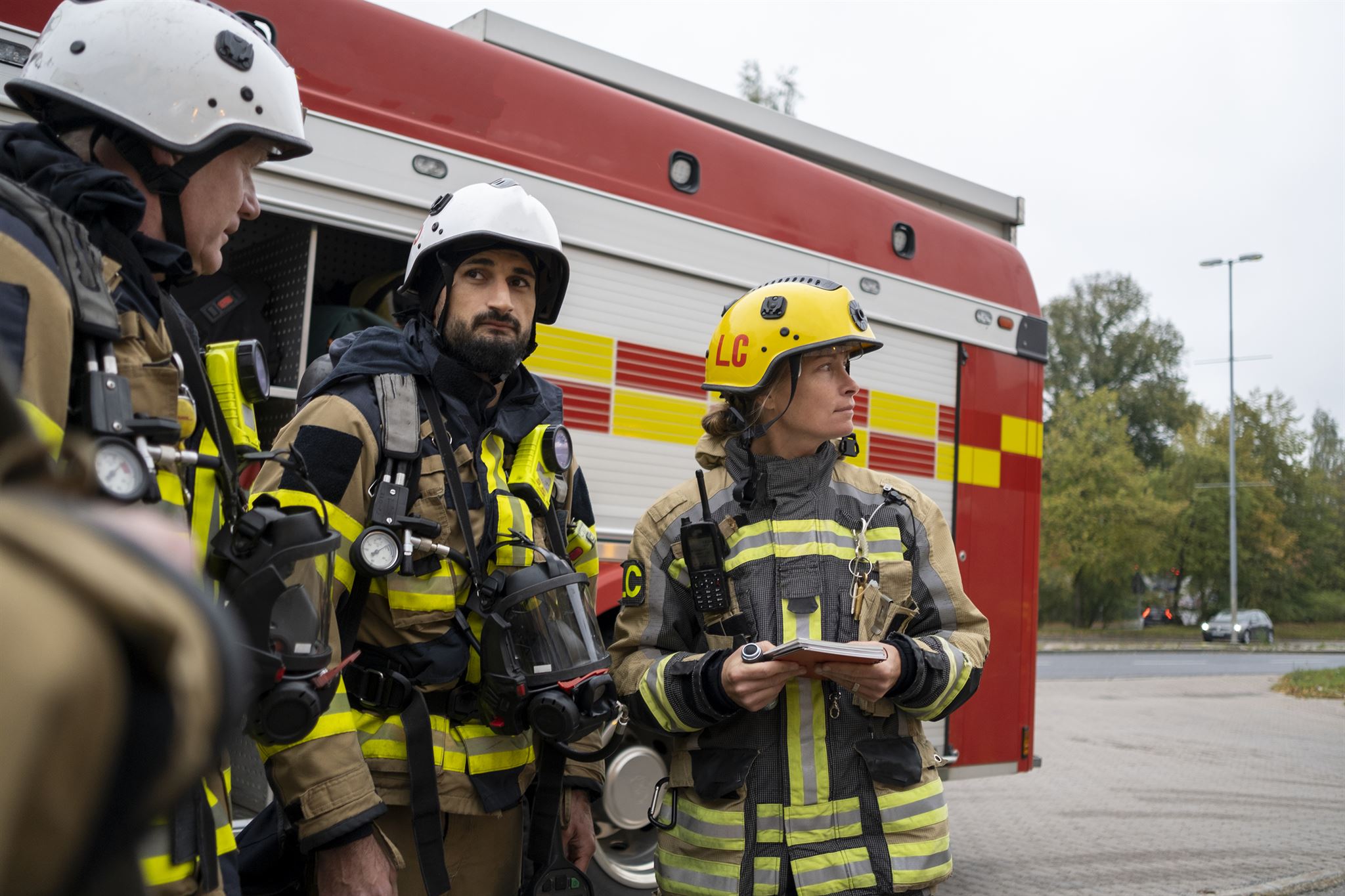
Sri Lanka is prone to natural disasters such as monsoons, flooding, and occasional earthquakes. Familiarize yourself with local emergency procedures.
Emergency Response
For emergencies, dial 119 for police and 110 for ambulance services. Keep contact information for your hotel and local authorities handy.

Medical Services
Healthcare facilities vary in quality, with better services available in urban areas. Comprehensive travel insurance that covers medical emergencies is recommended.
Pharmacies
Pharmacies are readily available, with many operating extended hours. Over-the-counter medications are easily accessible, but it’s wise to bring personal medications as needed.
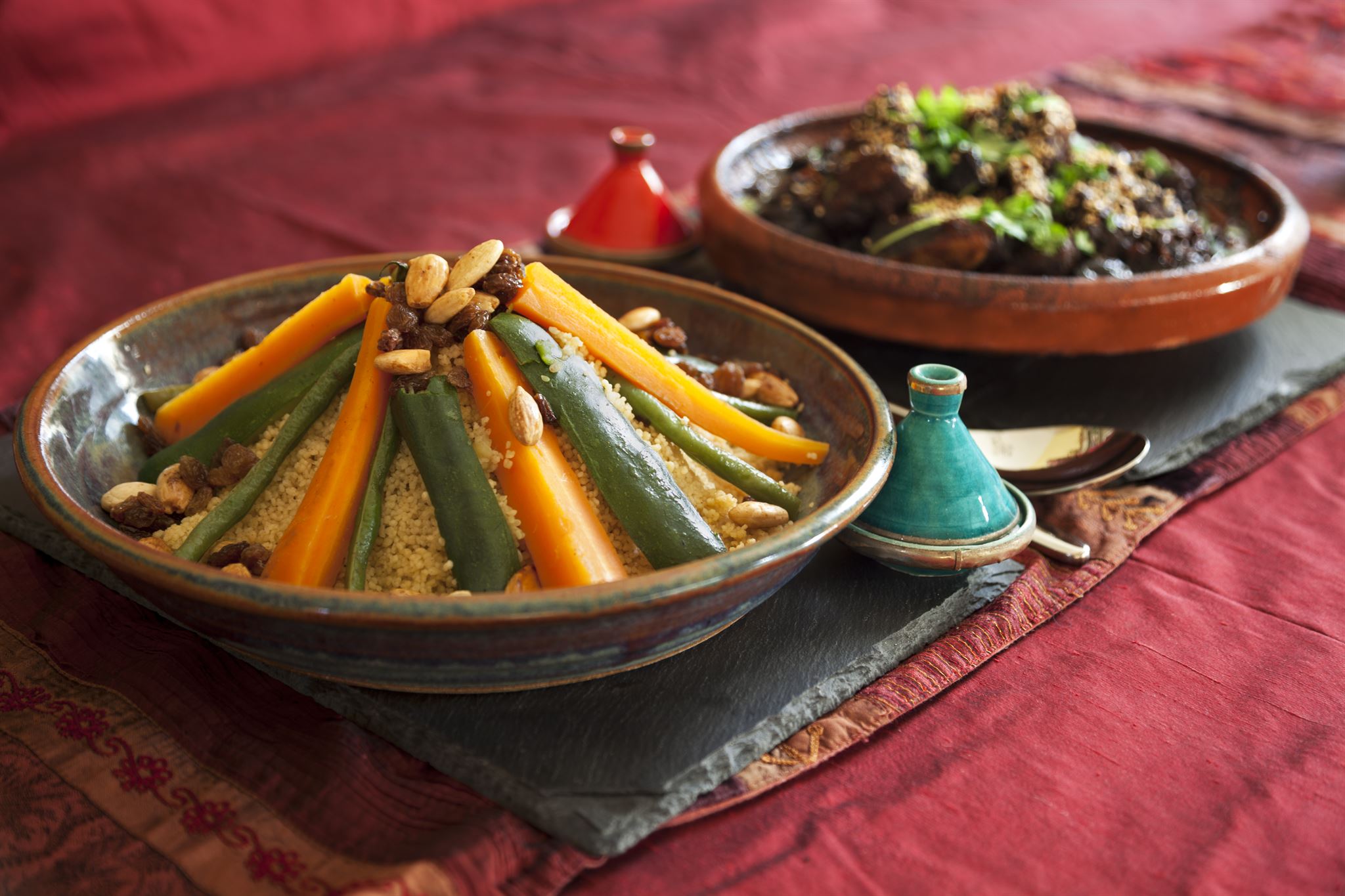
Culture & Foods
Culture: Sri Lankan culture is rich and diverse, influenced by its history and various ethnic groups. Respect for traditions and customs is important.
Foods:
- Rice and Curry: A staple meal featuring rice served with various curries and side dishes.
- Hoppers (Appa): Bowl-shaped pancakes made from rice flour, often served with eggs or sweet fillings.
- Kottu Roti: A popular street food made from chopped roti, vegetables, and meat, stir-fried on a hot griddle.
- Fish Ambul Thiyal: A sour fish curry made with tamarind.
Others
By keeping these points in mind, you’ll be well-prepared for your business trip to Sri Lanka. Safe travels!
Time Zone: GMT+5:30 (no daylight saving)
Transport: Includes buses, trains, ride-hailing apps (PickMe, Uber), and taxis.
Climate: Tropical warm year-round with temperatures from 25–32 °C. Two monsoon seasons: May–September (southwest) and October–January (northeast); coastal flooding may occur.