Saudi Arabia
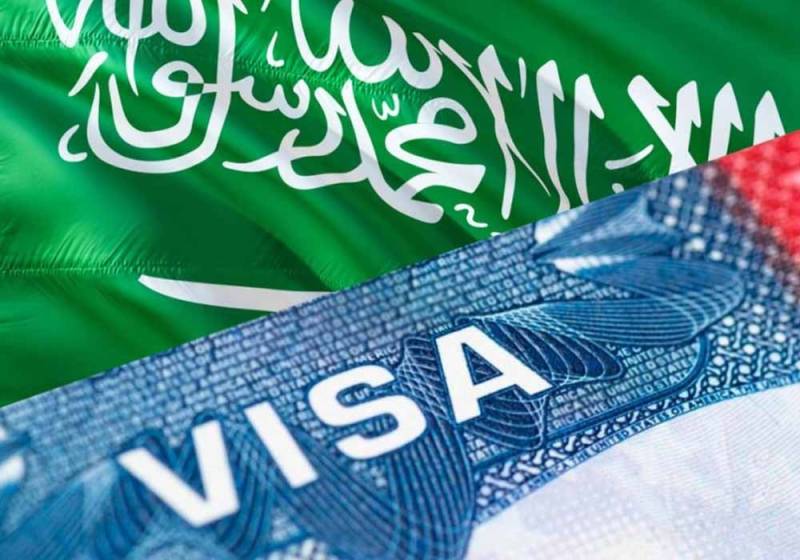
Entry Visa
Visa Requirements: All non-GCC nationals require a visa before arrival. Citizens from eligible countries can obtain an e-Visa or visa on arrival (valid for 90 days) through an official online portal. GCC citizens may enter with a national ID card. Passports must be valid for at least six months.
Documents Required: A valid passport (with at least six months validity), a completed visa application form, a passport-sized photo, and possibly an invitation letter from a Saudi company.
Major Airports
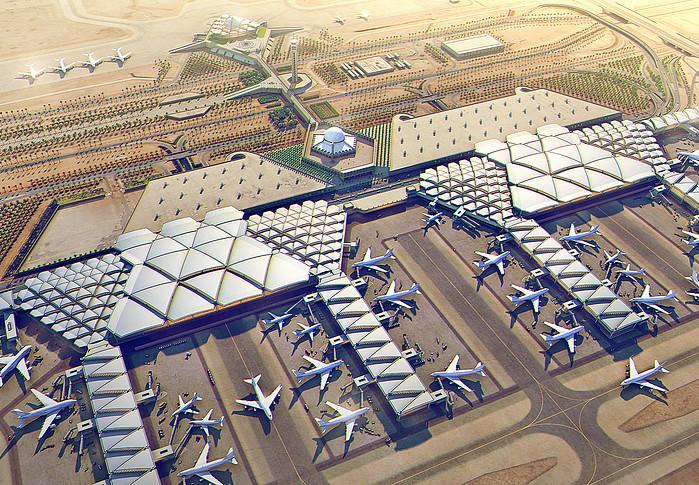
King Khalid International Airport (RUH): Riyadh Major international hub with 5 terminals, VIP lounges, extensive facilities, and strong transport links.
King Abdulaziz International Airport (JED): Jeddah Serves as the main gateway for Hajj and Umrah pilgrims; includes Hajj Terminal, duty-free, lounges, and mosque.
King Fahd International Airport (DMM): Dammam Among the world’s largest by land area, full international services, lounges, free Wi‑Fi, and transport facilities.
Additional Airports: Ta’if (TIF), Abha (AHB), Medina (MED), whose capacities and facilities may vary.
Facilities: Free Wi‑Fi, medical services, lounges, duty-free shops, restaurants, currency exchange, car rentals, and public transport options.
Money Exchange
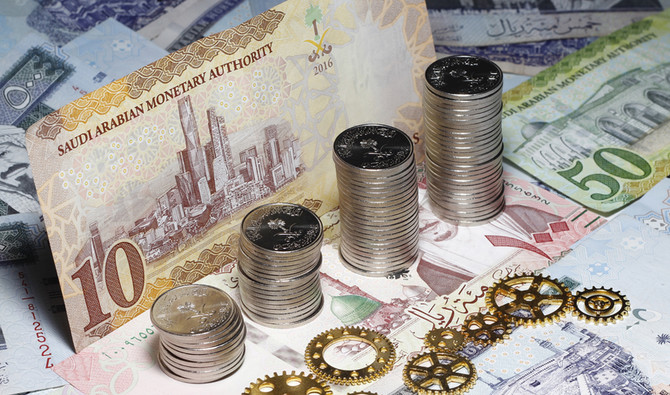
Currency: Saudi Riyal (SAR).
Exchanging Money: Available at airports, malls, hotels, and exchange offices. ATMs and credit card payments are common and reliable.
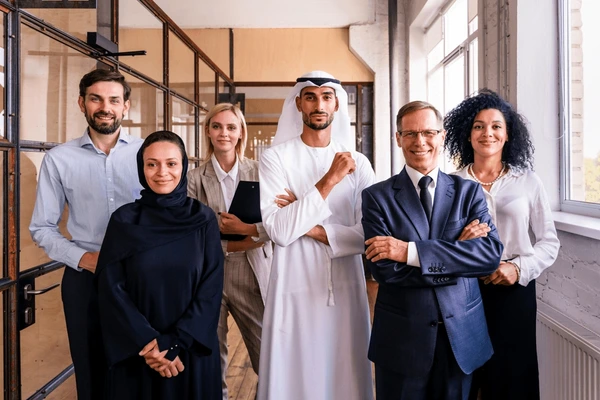
Dress Code
Business attire is generally formal and conservative.
For Men: Suits and ties are standard in business traditional dress (thobe) is also acceptable.
For Women: Professional attire should cover arms and legs; long skirts and blouses are recommended. In public, women are required to wear an abaya (a loose-fitting black cloak).
Language
The official language is Arabic. English is commonly spoken in business contexts, especially in major cities.
Common Phrases:
1. السلام عليكم (As-salāmu ʿalaykum) – Peace be upon you (common greeting)
2. وعليكم السلام (Wa ʿalaykum as-salām) – And peace be upon you (response)
3. شكراً (Shukran) – Thank you
4. من فضلك (Min faḍlik) – Please
5. نعم (Naʿam) – Yes
6. لا (Lā) – No
7. كم السعر؟ (Kam as-siʿr?) – How much is this?
Telephone
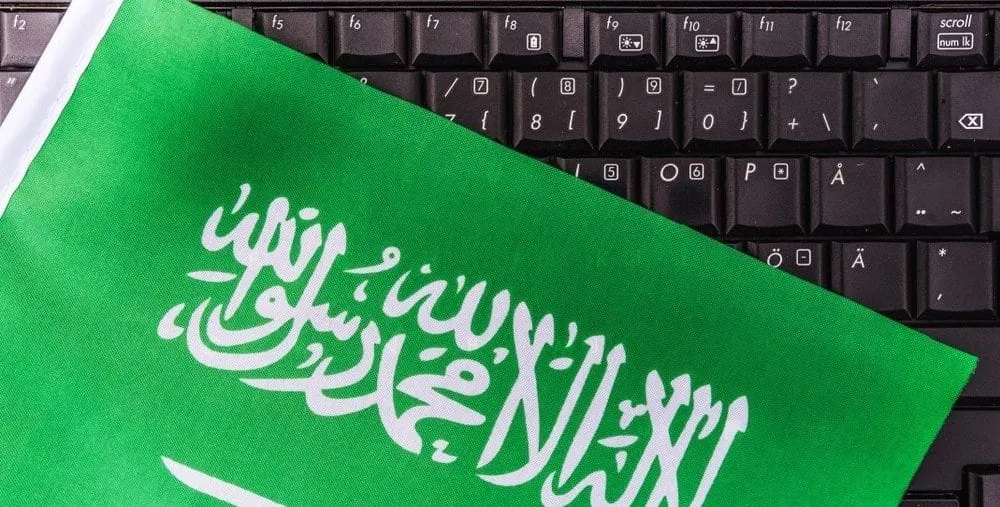
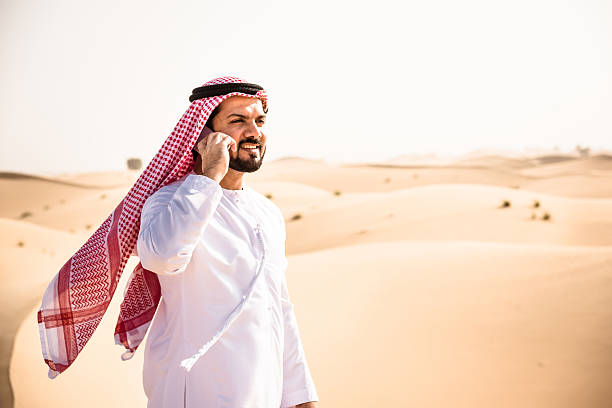
International Dialing: To call Saudi Arabia from abroad, use +966. For local calls, dial the number directly.
Local SIM Cards: Available from providers like STC, Mobily, and Zain, offering various data plans.
Internet
The internet in Saudi Arabia is highly advanced, with near-universal penetration and fast speeds driven by strong government investment in digital infrastructure. This connectivity, however, is coupled with extensive government censorship and surveillance of online content and user activity.
Internet usage and speed
High penetration:
In early 2025, Saudi Arabia's internet penetration reached 99% of the population, with over 33.9 million active users. A report from May 2025 confirms this high rate, noting that 99.4% of internet usage is via mobile phones.
Top global speeds: Saudi Arabia ranks among the top ten countries in the world for mobile internet speed. In early 2025, median mobile download speeds were reported at 124.61 Mbps, while median fixed internet speeds were 116.96 Mbps, according to Ookla.
Consumption habits: The Saudi Internet Report 2024 revealed that mobile data consumption is exceptionally high, with an average of 48 GB per person monthly, three times the global average. Peak usage occurs between 9:00 PM and 11:00 PM.


Business Hours
Government Sector: Sunday to Thursday, 8:00 AM – 3:00 PM
Private Sector: Typically, 9:00 AM – 6:00 PM, with a break during prayer or lunch hours
Weekend Friday and Saturday
In Saudi Arabia, the standard workweek is from Sunday to Thursday, with the weekend consisting of Friday and Saturday. This schedule is common throughout the GCC region and aligns with the significance of Friday as an Islamic holy day for prayer and community gathering. While the official workweek runs Sunday to Thursday, some employers may arrange different rest days, but all employees are entitled to at least one day off per week.
Punctuality
Saudi Arabians are more flexible about punctuality and being on time, so don't be surprised or offended if your Saudi counterparts are running late or if meetings start late. As a foreign visitor, though, you should still arrive on time as a sign of respect for your hosts.


Meeting Etiquette
Meetings often begin with greetings and small talk. Use formal titles and last names until invited to use first names. Exchanging business cards is customary; present and receive them with both hands.
History of Major Football Incidents
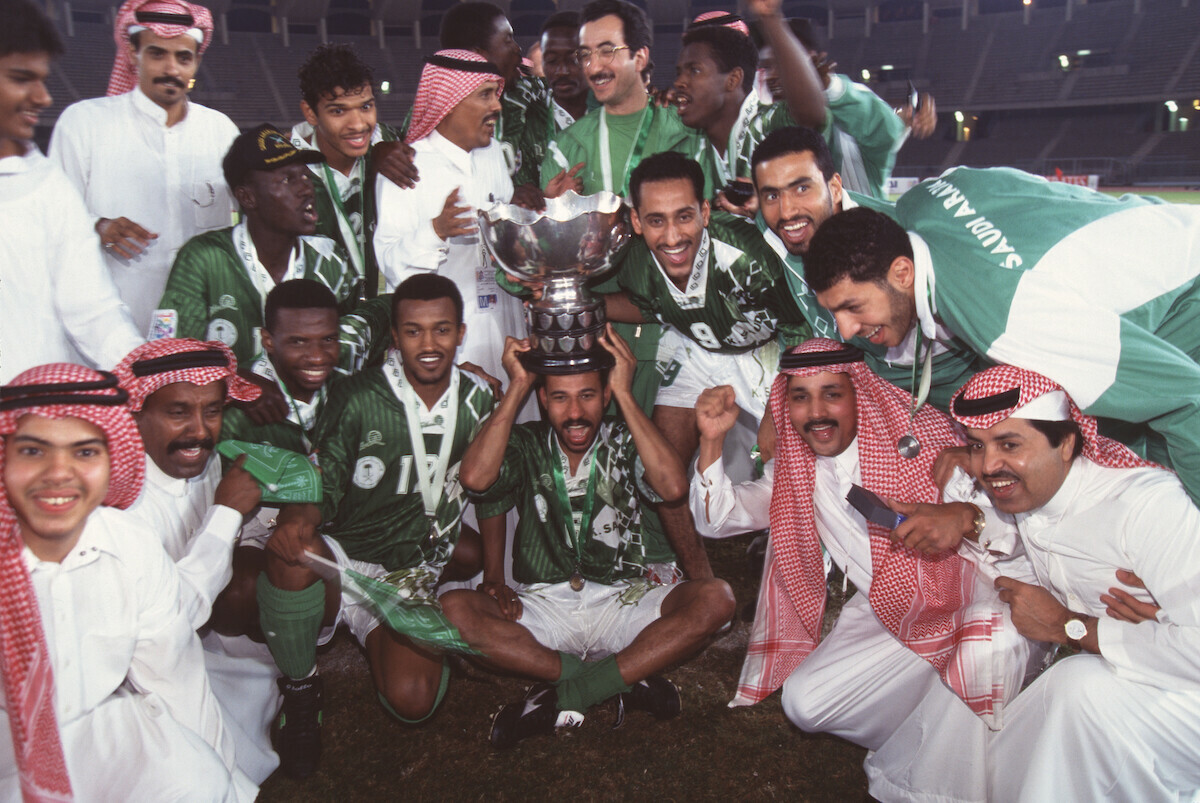
Football is extremely popular in Saudi Arabia, with passionate fans. There have been incidents during matches, including crowd control issues, but these are generally not frequent.
1984, 1988 & 1996: Saudi Arabia won the AFC Asian Cup three times one of the most successful records in Asia.
1994 FIFA World Cup: The national team reached the Round of 16 in their debut appearance.
2022 FIFA World Cup: Saudi Arabia made headlines by defeating Argentina 2-1 in the group stage.
Club Success: Al Hilal is the most successful club in Asia, with four AFC Champions League titles.
Hosting Tournaments:
Scheduled to host the AFC Asian Cup 2027.
Hosted multiple AFC competitions including the U23 Asian Cup and FIFA Club World Cup 2023.
Natural Disasters
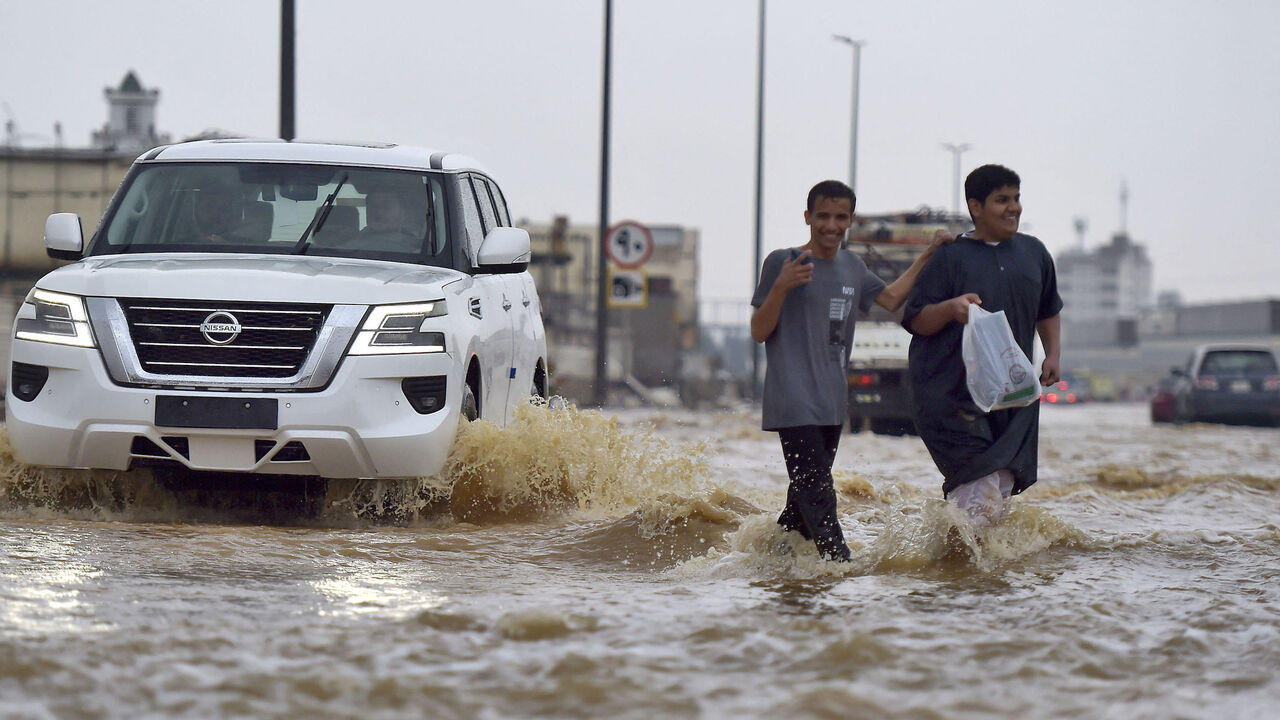
Saudi Arabia most commonly experiences floods and flash floods which could result in loss of life and damage to property. Since it is primarily desert they also can experience sandstorms. Familiarize yourself with local safety procedures in case of severe weather events.
Emergency Response
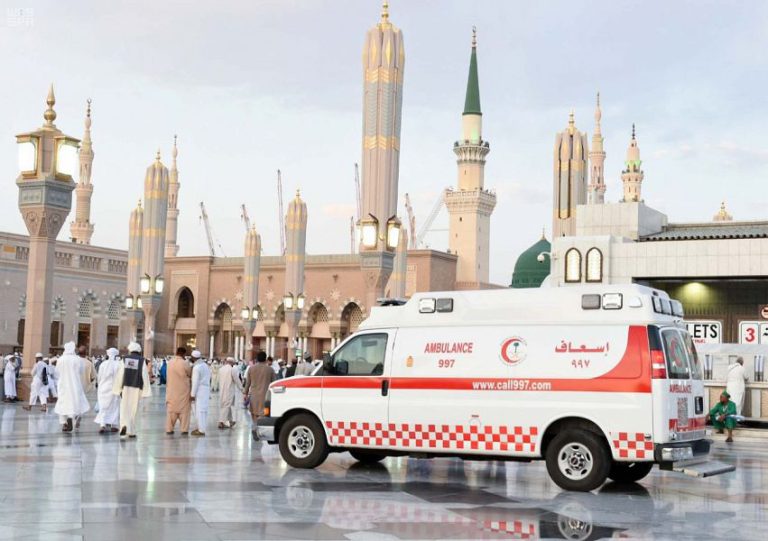
911 (in most major cities), 999 (general emergency), and 997 for ambulance.
Emergency services are well-equipped and responsive. English-speaking staff are often available at airports and international hotels.
Medical Services
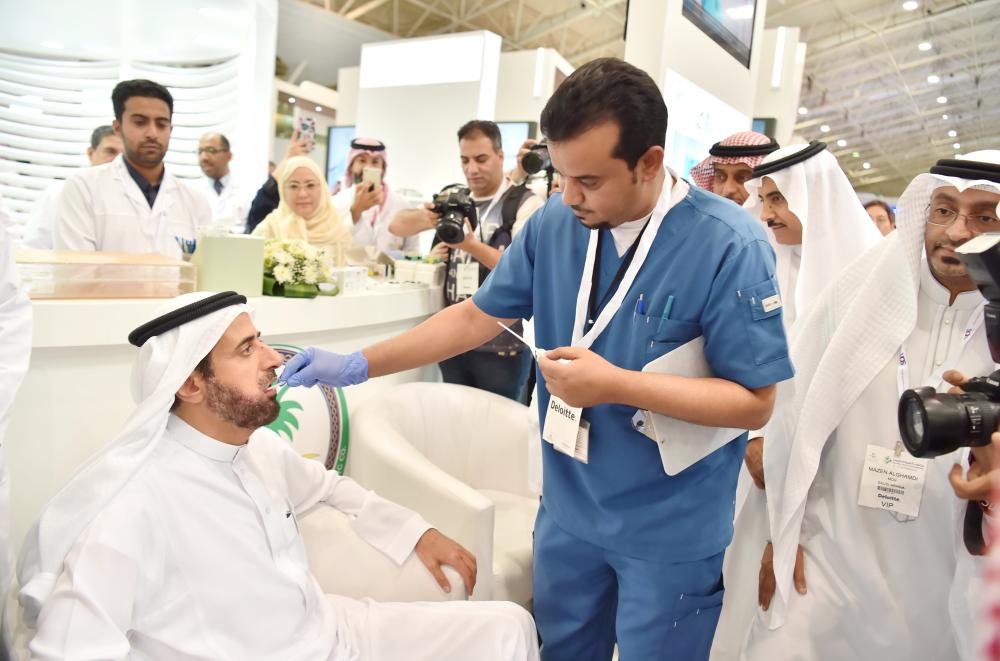
Healthcare services are generally of high quality, especially in urban areas. It's advisable to have comprehensive travel insurance that covers medical emergencies.
Pharmacies
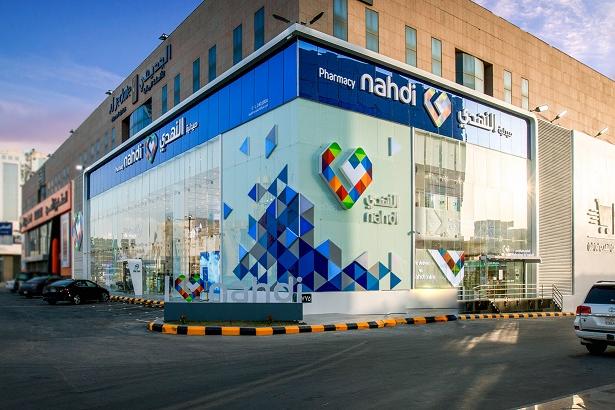
Pharmacies are widely available, offering both prescription and over-the-counter medications. Many pharmacies are open late and may have English-speaking staff.
OTC medications for common issues:
Muscle aches: Voltaren gel, Salonpas patch/spray
Headaches: Ibuprofen or Paracetamol (Panadol, Adol, Advil)
Cold/Cough: Cough Syrups (Riaphan Syrup Mucosolvan Forte)
Common Pharmacy Chains:
- Nahdi Pharmacy
- Al-Dawaa Pharmacies
- United Pharmacies
- Planet Pharmacy
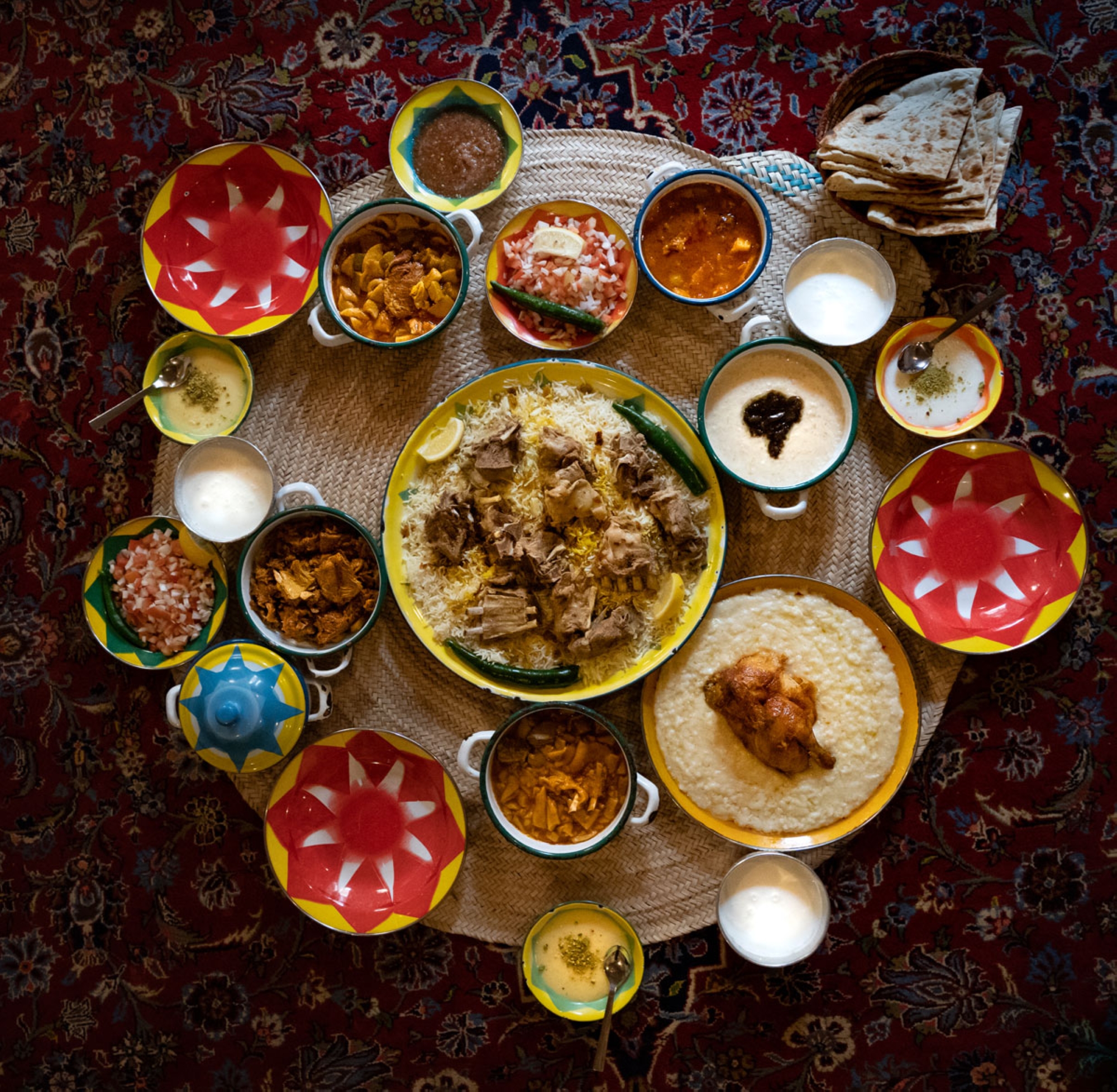
Culture & Foods
Culture: Saudi Arabia has a rich cultural heritage influenced by Islamic traditions. Respect for local customs and norms is essential, especially in public spaces.
Foods:
Pork and alcohol are prohibited, and Halal practices are strictly followed.
- Mandi: Slow-cooked meat and rice, often lamb, cooked in a tandoor-style oven.
- Samboosa: Savory pastries filled with meat, vegetables, and spices. Kebabs: Grilled meats like lamb, chicken, or beef, marinated in spices.
- Mutabbaq: A vegetarian dish with layers of thin pastry filled with vegetables and spices.
- Kabsa: A traditional rice dish often served with meat, flavored with spices.
- Shawarma: A popular street food made with marinated meat wrapped in pita bread.
- Hummus: A common appetizer made from chickpeas and tahini.
- Dates: A staple food, often served with Arabic coffee as a gesture of hospitality.
- Kunafa: A sweet pastry made with thin noodle-like strands soaked in sugar syrup, layered with cheese or nuts
Others
By keeping these points in mind, you’ll be well-prepared for your business trip to Saudi Arabia. Safe travels!
Time Zone: GMT+3 (no daylight-saving time)
Transport: Well-developed highways and domestic flights; Uber and Careem are commonly used.
Climate: Saudi Arabia has a desert climate. Summers (May–September) are extremely hot, with daytime temperatures often exceeding 45°C. Winters (December–February) are mild and dry, with temperatures ranging from 10°C to 25°C.