
Palestine
Entry Visa
Visa Requirements: Visa requirements vary depending on your nationality. Many countries can enter Palestine via Israel with a valid Israeli visa. It's advisable to check specific requirements based on your nationality.
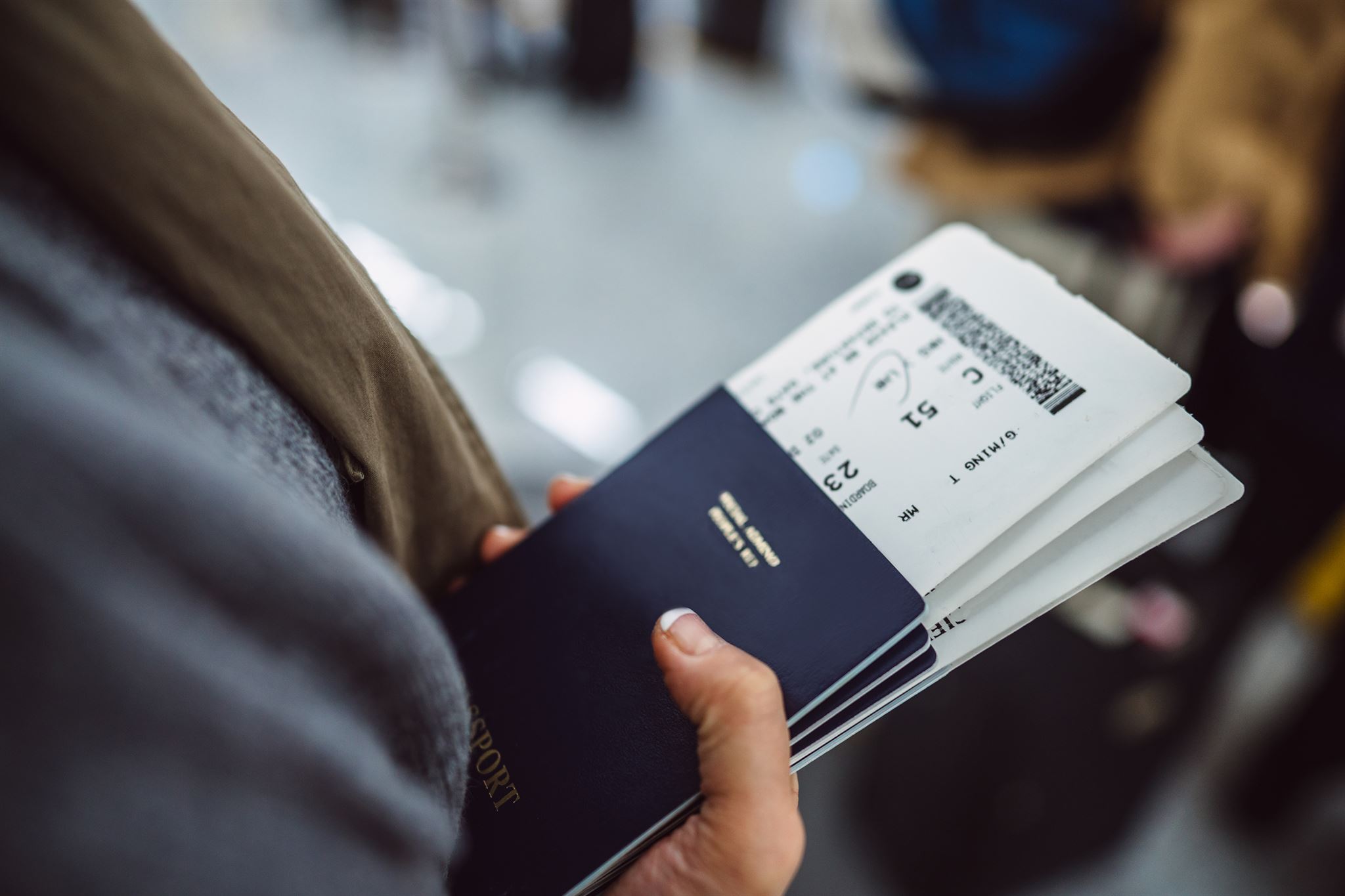
Documents Required: Typically, you’ll need a valid passport, and it’s a good idea to have proof of accommodation and return flights.
Major Airports
There are currently NO active civilian airports in Palestinian.
Palestinians currently travel through Queen Alia International Airport (Amman, Jordan), depending on crossing arrangements. Palestinians currently travel through Queen Alia International Airport (Amman, Jordan), depending on crossing arrangements.
From Amman to the King Hussein/Allenby Bridge (approx. 45–60 minutes from Amman) This is the only crossing point to enter the West Bank/Palestinian via Jordan.
Money Exchange
Currency: The Israeli New Shekel (ILS) is commonly used in the West Bank, while the Jordanian Dinar (JOD) is also accepted.
Exchanging Money: Currency can be exchanged at banks, exchange offices, and some hotels. ATMs are available, but it’s wise to carry cash, especially in smaller towns.


Dress Code
Business attire is generally formal, but you may also encounter a more relaxed style in certain areas.
Men: Suits or dress pants with collared shirts.
Women: Professional dresses or blouses with skirts/slacks. Modesty is appreciated, particularly in conservative areas.
Language
Arabic is the primary language spoken in Palestine. English is widely understood in business contexts, especially among professionals.


Telephone
International Dialing: To call Palestine, use the country code +970. For local calls, area codes are necessary.
Local SIM Cards: Available from local providers like Jawwal and Ooredoo, which offer competitive data plans.
Internet
Internet access is widely available in urban areas. Wi-Fi is common in hotels, cafes, and restaurants, though connectivity may vary.


Business Hours
Typical business hours are Sunday to Thursday, 8 AM to 4 PM. Many businesses close on Fridays and Saturdays.
Punctuality
Punctuality is appreciated, but there can be some flexibility in timings, especially for informal meetings.


Meeting Etiquette
Meetings often begin with greetings and small talk. Use formal titles and last names until invited to use first names. Exchanging business cards is customary; treat them with respect.
History of Major Football Incidents
Football is popular, with a passionate fan base. While there have been political tensions surrounding the sport, major incidents are relatively rare. The local league has a dedicated following, and international matches can be significant events.


Natural Disasters
Palestine is not prone to major natural disasters, but occasional earthquakes can occur. Be aware of emergency procedures.
Emergency Response
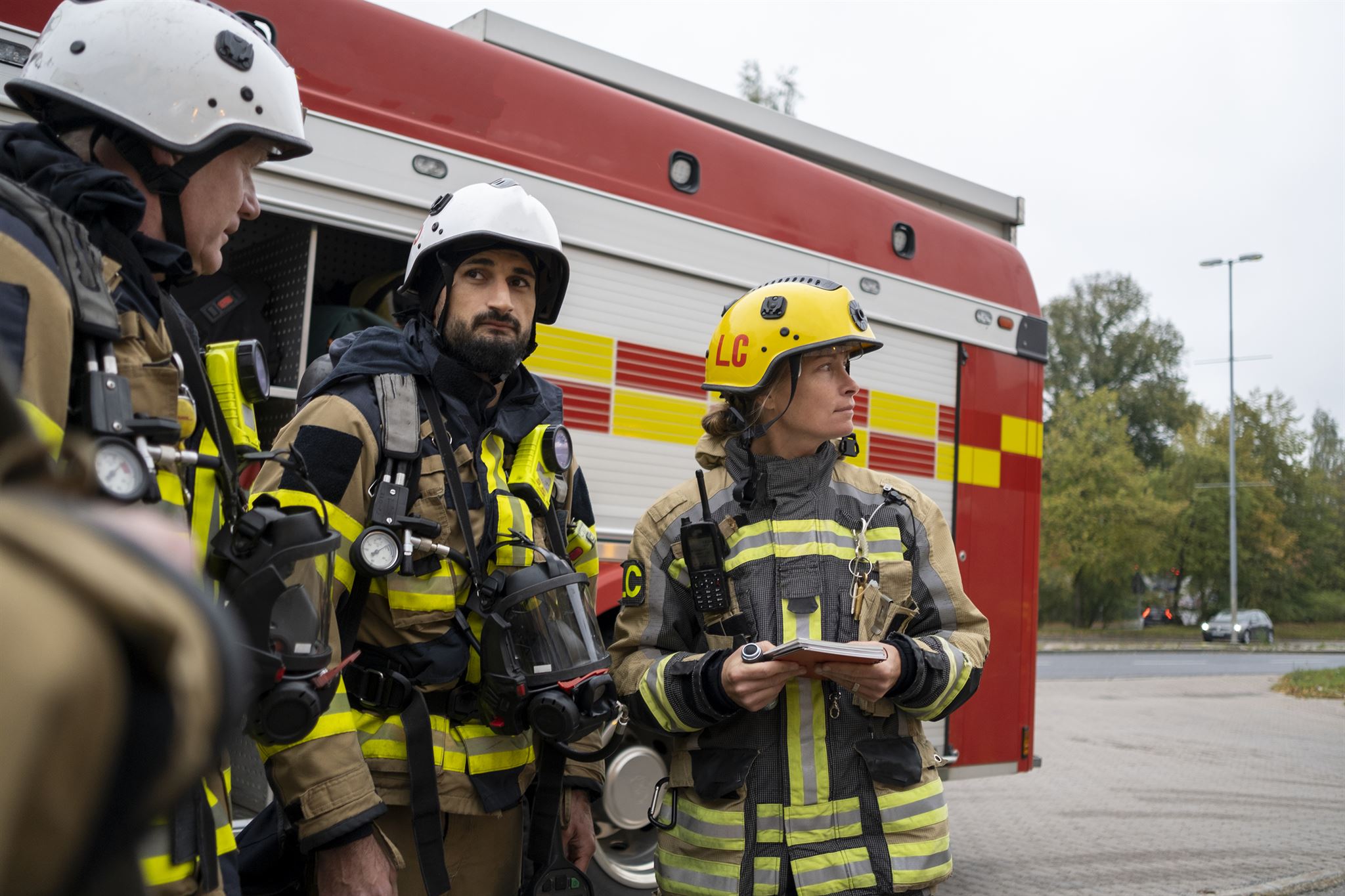
For emergencies, dial local emergency numbers (varying by area). Keep contact information for local authorities and your accommodation handy.

Medical Services
Healthcare facilities vary in quality, with better services available in larger cities like Ramallah and Bethlehem. Comprehensive travel insurance that covers medical emergencies is essential.
Pharmacies
Pharmacies are readily available in urban areas, offering both prescription and over-the-counter medications. It’s advisable to bring any specific medications you may need.
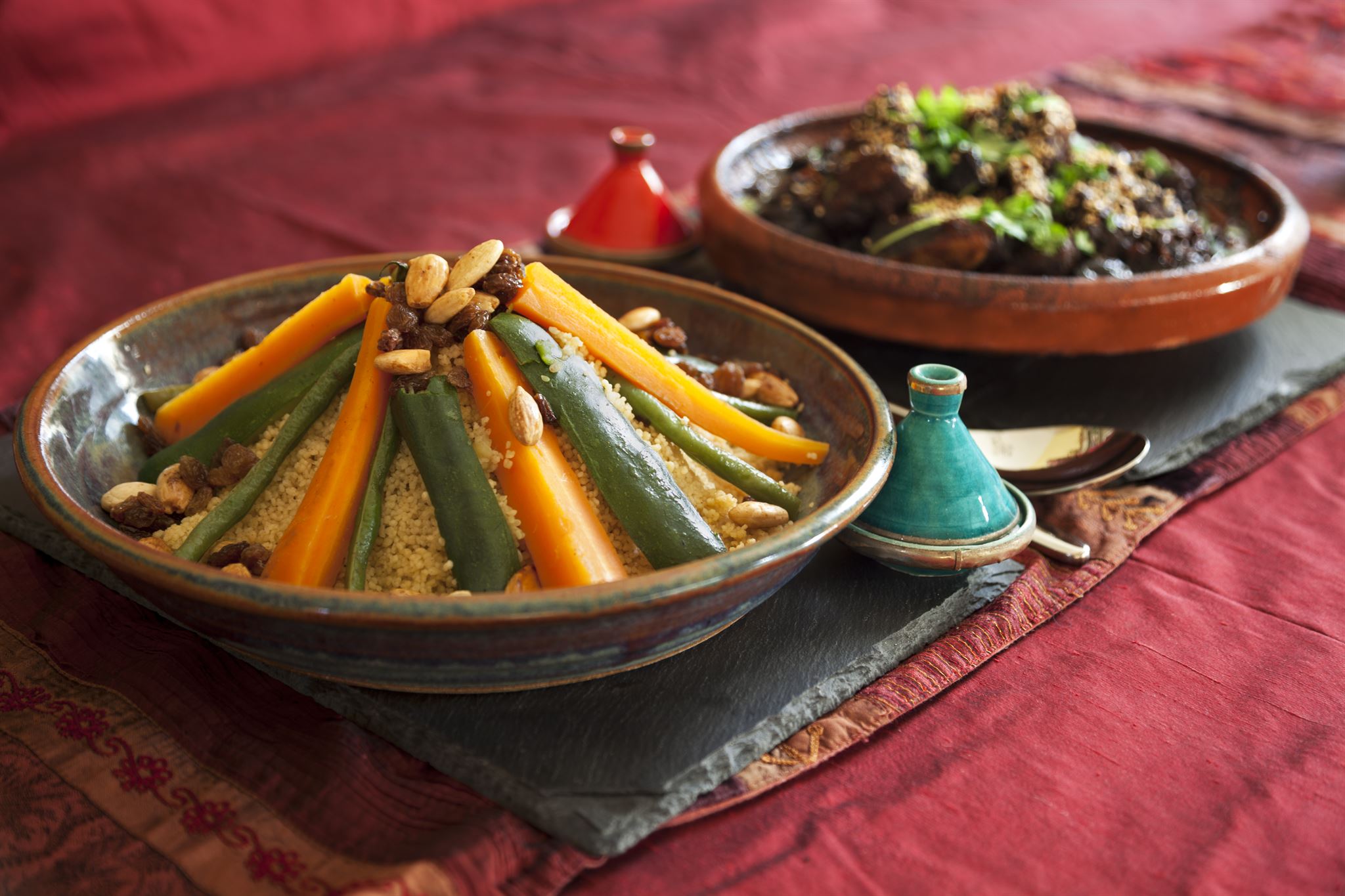
Culture & Foods
Culture: Palestinian culture is rich and diverse, influenced by its history and traditions. Respect for customs and social norms is essential.
Foods:
- Musakhan: A traditional dish made with roasted chicken, onions, and sumac served on flatbread.
- Maqluba: A layered dish of rice, meat, and vegetables, flipped upside down before serving.
- Hummus: A popular dip made from chickpeas, tahini, olive oil, and garlic.
- Knafeh: A sweet pastry made with thin noodle-like pastry soaked in syrup.
Others
By keeping these points in mind, you’ll be better prepared for your business trip to Palestine. Safe travels!
Time Zone: GMT+2.
Transport: Travel limited by Israeli checkpoints; permit controls vary. Vehicles, taxis, ride-share, and limited internal flights via Israeli routes.
Climate: Mediterranean with hot, dry summers and mild, wet winters. Gaza is coastal/arid.