
Pakistan
Entry Visa
Visa Requirements: Most travelers need a visa to enter Pakistan. You can apply for an e-visa or visit a Pakistani embassy or consulate.
Documents Required: Typically, you'll need a valid passport, a recent passport-sized photo, proof of accommodation, and a letter of invitation if applicable.
Major Airports
Allama Iqbal International Airport (LHE).
Jinnah International Airport (KHI).
Islamabad International Airport (ISB).
Skardu International Airport (KDU).
New Gwadar International Airport (GWY).
Facilities: Airports offer basic amenities such as restaurants, duty-free shops, and currency exchange services. Security can be strict.
Money Exchange
Currency: The Pakistani Rupee (PKR) is the official currency.
Exchanging Money: Currency exchange services are available at airports and banks. ATMs are common in urban areas, but check if they accept international cards.


Dress Code
Business attire is generally formal.
For Men: Suits or dress pants with a collared shirt and tie.
For Women: Professional dresses or business suits. It’s advisable to dress conservatively, reflecting local customs.
Language
Urdu is the national language, while English is widely spoken in business and official settings. Familiarity with basic Urdu phrases can be helpful.


Telephone
International Dialing: To call Pakistan from abroad, use +92. For local calls, omit the leading zero from the area code.
Local SIM Cards: Available from providers like Jazz, Telenor, and Zong. Ensure your phone is unlocked.
Internet
Internet access is generally good in major cities, with many hotels and cafes offering Wi-Fi. Mobile data is also widely available.


Business Hours
Government: Sunday–Thursday, approx. 8 AM–4 PM.
Private sector: Sunday–Thursday, 9 AM–5 PM.
businesses often closed Fridays.
Punctuality
While punctuality is appreciated, there can be a more relaxed attitude towards time in some contexts. However, arriving on time for meetings is recommended.


Meeting Etiquette
Meetings often start with greetings and small talk. Using titles and last names is common until invited to use first names.
Exchanging business cards is standard; present them respectfully and take a moment to look at the card you receive.
History of Major Football Incidents
Football (soccer) is popular, but it often competes with cricket for attention. Major incidents include:
Pakistan’s participation in the 1986 FIFA World Cup qualifiers: Though the national team did not qualify, this era saw increased interest in football.
Local club rivalries: Matches can sometimes lead to fan violence, particularly in high-stakes games.


Natural Disasters
Pakistan can experience earthquakes, especially in the northern regions, as well as floods during the monsoon season (July to September). Familiarize yourself with local emergency procedures.
Emergency Response
In emergencies, you can dial 15 for police and 1122 for ambulance services. Keep your hotel’s contact information handy.

Medical Services
Healthcare facilities vary in quality; urban areas generally have better services. Comprehensive travel insurance that covers medical emergencies is essential.
Pharmacies
Pharmacies are widely available, with many offering a range of medications. Bring personal medications, along with prescriptions if necessary.
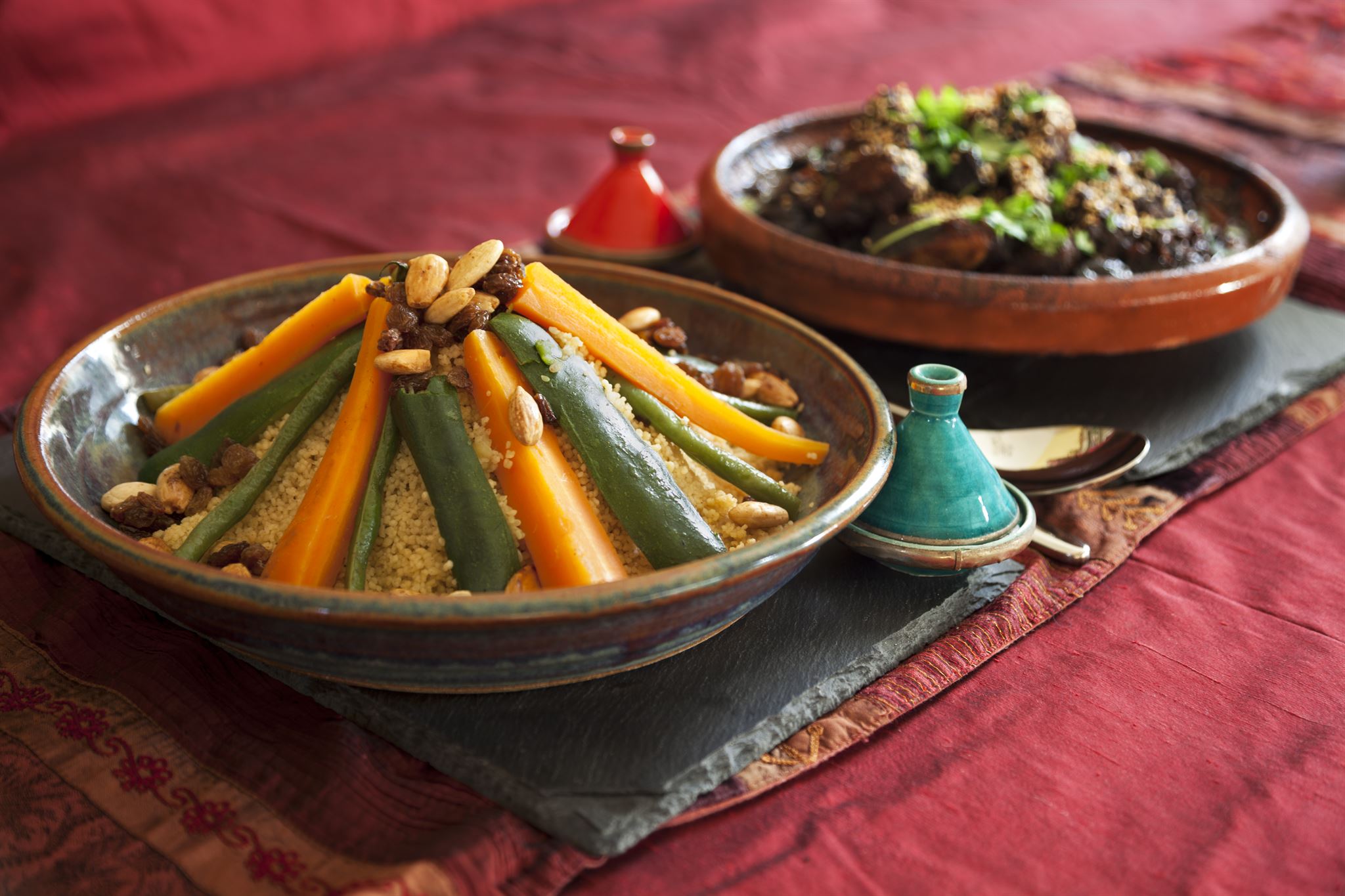
Culture & Foods
Culture: Pakistan has a rich cultural heritage with diverse traditions. Respect for local customs and religious practices is crucial.
Foods:
Try local specialties such as:
- Biryani: A fragrant rice dish often made with chicken or lamb, flavored with spices.
- Nihari: A slow-cooked meat stew, typically enjoyed for breakfast.
- Karahi: A spicy meat curry cooked in a wok-like vessel, often served with naan.
- Samosas: Fried pastries filled with spiced potatoes or meat, commonly enjoyed as snacks.
Others
By keeping these points in mind, you’ll be well-prepared for your business trip to Pakistan. Safe travels!
Time Zone: GMT+5.
Transport: Road travel via coach/taxi common; internal flights connect main cities.
Climate: Diverse—from arid in the south to alpine in the north. Summers can exceed 45 °C; winters can be below freezing in northern regions.