
Oman
Entry Visa
Visa Requirements: Many nationalities can obtain a visa on arrival, while others may require an e-visa or embassy visa. Check specific requirements based on your nationality. testing
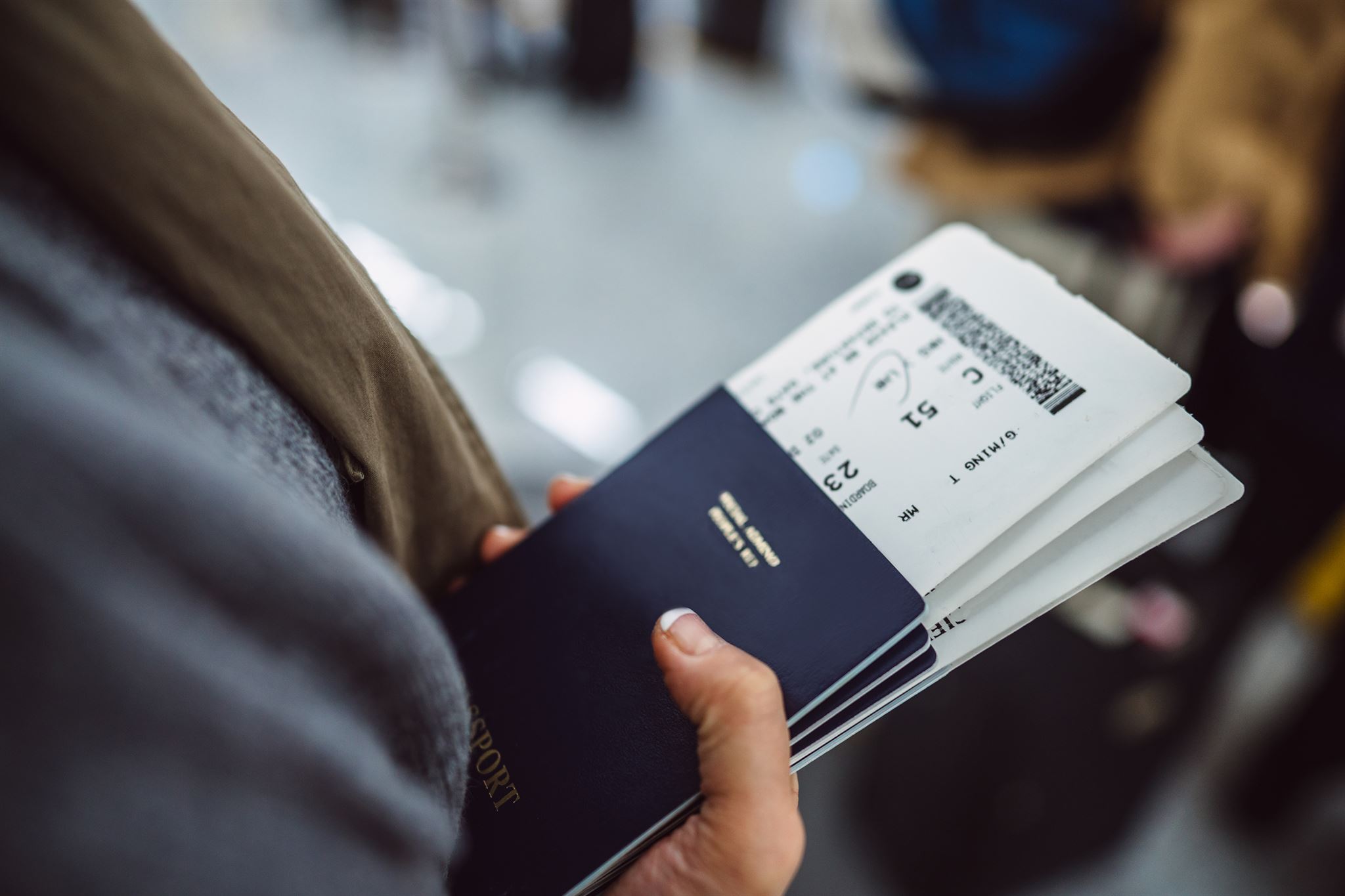
Documents Required: Valid passport (with at least six months of validity), a return flight ticket, and proof of accommodation may be requested.
Major Airports
Muscat International Airport (MCT): Main hub located in Seeb. 32 km from Muscat. Opened in 1973.
Salalah International Airport (SLL): Secondary international airport
Duqm International Airport (DQM): Opened in 2014
Facilities: All airports has a duty-free shops, restaurants, lounges, and free Wi-Fi
Money Exchange
Currency: Omani Rial (OMR).
Exchanging Money: Currency can be exchanged at banks, money exchange offices, and the airport. ATMs are widely available, and credit cards are accepted at most establishments.


Dress Code
Business attire is generally formal.
For Men: Suits or dress pants with collared shirts and ties.
For Women: Professional dresses or blouses with skirts/slacks. Clothing should be modest, especially in public settings.
Language
Arabic is the official language, but English is widely spoken in business and urban areas.


Telephone
International Dialing: To call Oman from abroad, use +968. For local calls, just dial the number.
Local SIM Cards: Available from providers like Omantel and Ooredoo, offering competitive data plans.
Internet
Internet access is generally good, with free Wi-Fi available in hotels, cafes, and many public places.


Business Hours
Government: Sunday – Thursday, 8:00 AM – 3:00 PM
Private Sector: Sunday – Thursday, 8:00 AM – 5:00 PM (some with midday break)
Many businesses close on Fridays and Saturdays.
Punctuality
Punctuality is appreciated in business settings, though there can be some flexibility. Arriving on time is advisable.


Meeting Etiquette
Meetings often start with greetings and small talk. Use formal titles and last names until invited to use first names. Exchanging business cards is customary; present and receive them with both hands.
History of Major Football Incidents
Football is very popular in Oman, with a passionate following. The Oman national team competes in various regional tournaments, and while there have been notable matches, major incidents are rare. The sport has served as a unifying force in the country.


Natural Disasters
Oman is occasionally affected by cyclones and flooding, particularly during the monsoon season. Familiarize yourself with local emergency protocols and stay updated on weather conditions.
Emergency Response
For emergencies, dial 9999 for police, fire, and medical services. Keep local emergency contacts handy.


Medical Services
Oman has good healthcare facilities, especially in urban areas like Muscat. Comprehensive travel insurance that covers medical emergencies is recommended.
Pharmacies
Pharmacies are widely available, offering both prescription and over-the-counter medications. Many operate extended hours.
Culture & Foods
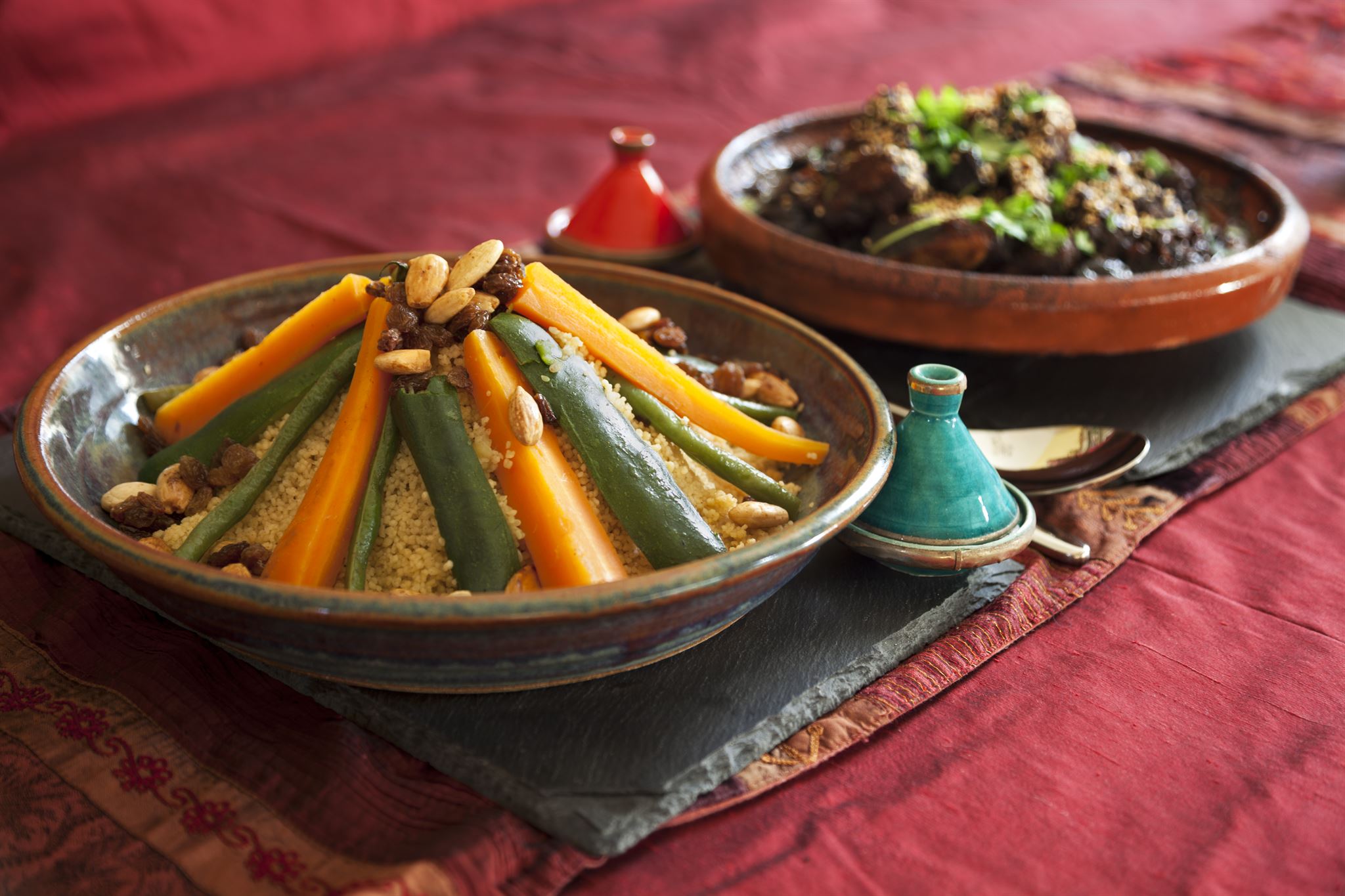
Culture: Omani culture is rich in traditions and hospitality. Respect for customs and social norms is important.
Foods:
- Shuwa: A traditional dish of marinated lamb or goat, slow-cooked in an underground sand oven.
- Majboos: A spiced rice dish similar to biryani, often served with chicken or lamb.
- Halwa: A sweet dessert made with sugar, rosewater, and spices, often enjoyed with Omani coffee (kahwa).
- Dates: A staple in Omani cuisine, often served with coffee.
Others
By keeping these points in mind, you’ll be well-prepared for your business trip to Oman. Safe travels!
Time Zone: GMT+4 (no DST)
Transport: Good road network; taxis, ride-hailing apps (like Oman Taxi), and domestic flights.
Climate: Generally, desert very hot and dry in summer (April–September), especially inland mild winters (November–March) with cooler nights.