DPR Korea
Entry Visa
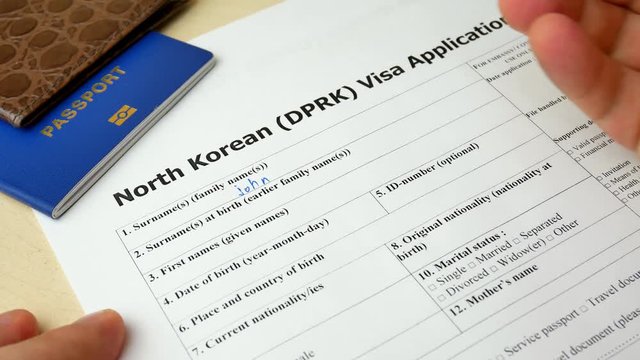
Visa Requirements: A visa is mandatory for all travelers to North Korea. You must apply through an authorized travel agency that will handle the application process for you.
Documents Required: You will need a valid passport, a passport-sized photo, and possibly an itinerary or invitation letter depending on the purpose of your visit.
Major Airports
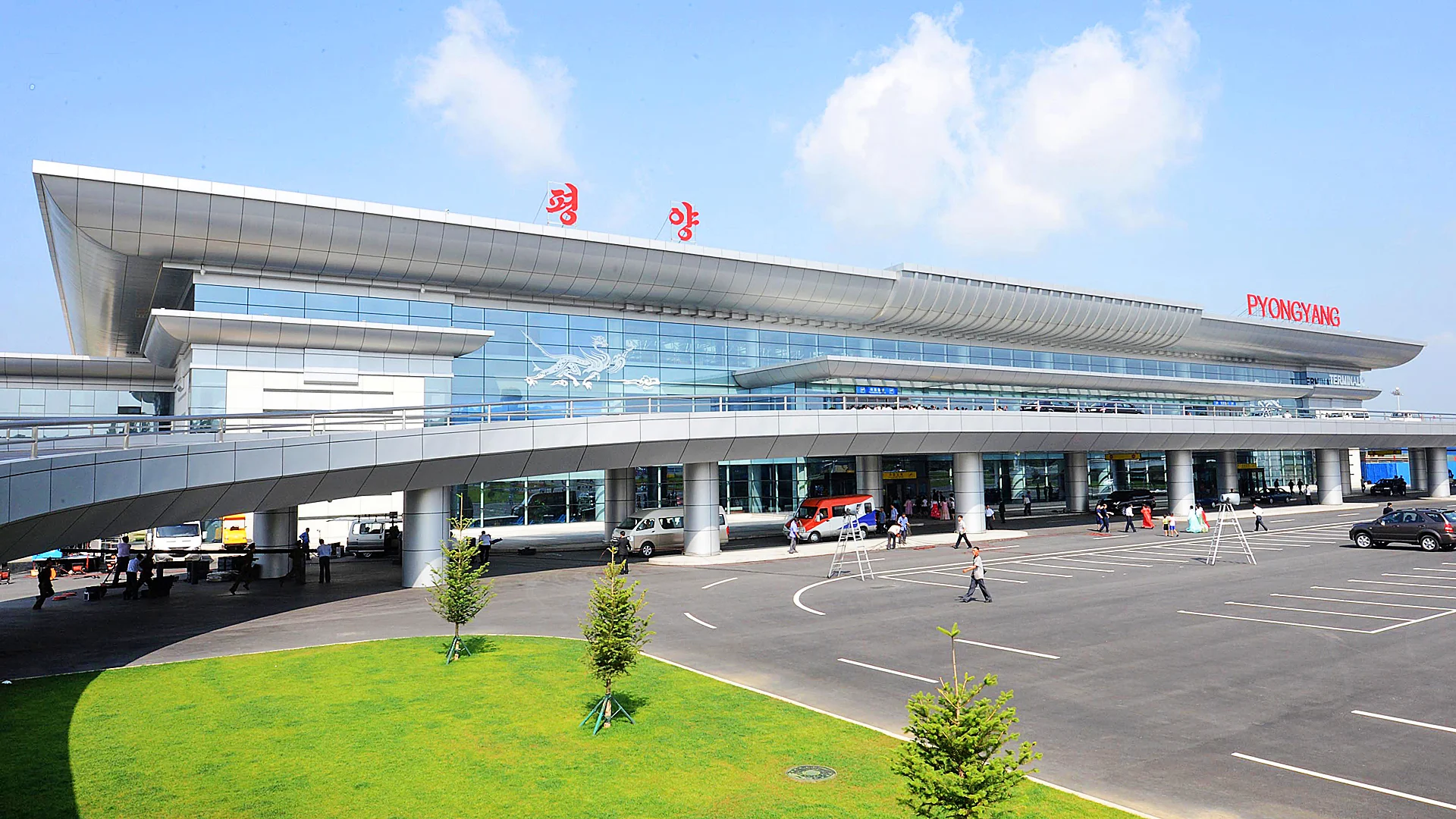
Pyongyang Sunan International Airport (FNJ) is the main international airport.
Facilities: The airport has basic facilities, but amenities are limited compared to international standards. Customs and immigration can be strict.
Money Exchange
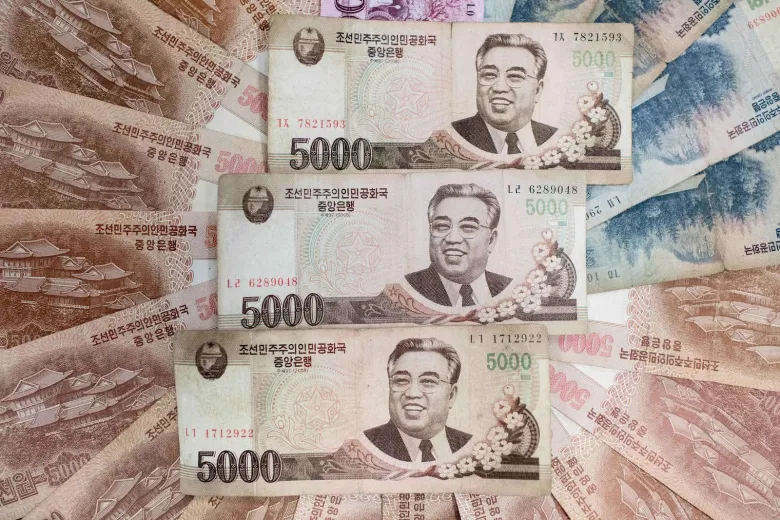
Currency: The North Korean Won (KPW) is the official currency.
Exchanging Money: You can exchange money at the airport or authorized exchange offices in Pyongyang. However, foreign currency is typically only accepted in specific circumstances, and it’s advisable to use local currency.

Dress Code
Dress modestly and professionally.
Men: Suits or formal business attire are appropriate.
Women: Business suits or conservative dresses are suitable. Avoid clothing with logos or Western cultural references.
Language
Korean is the official language. English is not widely spoken, so knowing a few basic phrases or traveling with a translator is advisable.
🇰🇵 Basic Korean Phrases (North Korean Dialect – Munhwaŏ)
1. Hello – 안녕하십니까 (annyeong hasimnikka)
2. Goodbye – 안녕히 가시오 (annyeonghi gasio)
3. Thank you – 고맙습니다 (komapsseumnida)
4. Yes – 예 (ye)
5. No – 아니요 (aniyo)
6. Please – 부탁합니다 (butakhamnida)
7. Excuse me / Sorry – 미안합니다 (mianhamnida)
8. Excuse me (to get attention) – 실례합니다 (sillyehamnida)
9. How much is it? – 얼마입니까? (eolma imnikka)
10. Where is the bathroom? – 위생실이 어디에 있습니까? (wisaengsiri eodie itseumnikka)
11. I don’t understand – 리해하지 못합니다 (rihaehaji mothamnida)
12. Do you speak English? – 영어를 할 줄 아십니까? (yeongeoreul hal jul asimnikka)
13. Help! – 도와주십시오! (dowajusipsio)
14. I’m lost – 길을 잃었습니다 (gireul ilheosseumnida)
15. Delicious! – 맛이 좋습니다! (masi chotsseumnida)
16. Check, please – 계산해주십시오 (gyesanhae jusipsio)
Telephone
International Dialing: To call North Korea, you will need to go through international operators, and calls can be expensive and limited.
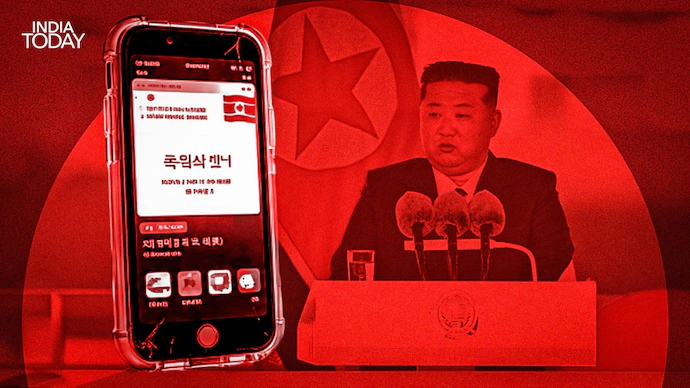
Local SIM Cards: Foreigners cannot easily obtain local SIM cards. Communication is usually monitored, so use discretion.
Internet
Internet access is heavily restricted in North Korea. Travelers generally do not have access to the global internet. Instead, some select hotels may offer access to a limited state-controlled intranet, allowing only basic browsing of approved content. Mobile networks are also tightly controlled, and international SIM cards do not work. Plan ahead for a fully offline experience.
Business Hours
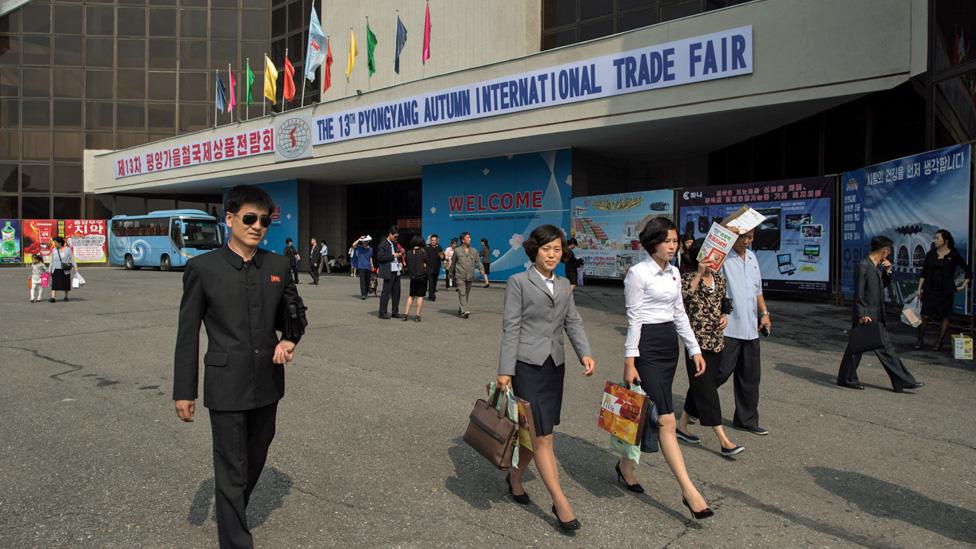
Typical business hours are Monday to Friday, from 9:00 AM to 5:00 PM, though this may vary depending on the organization. Lunch breaks can be extended, often lasting up to two hours, and some offices may close early on Saturdays. It’s best to confirm appointments in advance and expect a formal atmosphere in professional settings.
Punctuality
Punctuality is important in North Korea’s formal business environment. Arriving on time for meetings is expected and considered a sign of respect and discipline. Being late can be seen as disrespectful, especially in official or state-related engagements.


Meeting Etiquette
Meetings in North Korea are typically formal and hierarchical. Begin with respectful greetings, and it is customary to address the most senior person first. Formal titles and honorifics should be used, and gestures of politeness—such as a slight bow or nod—are appreciated.
History of Major Football Incidents
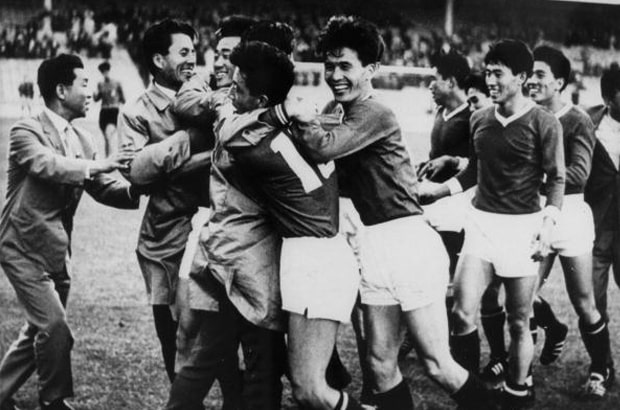
Football is popular in North Korea, with notable incidents including:
1966 FIFA World Cup: North Korea shocked the world by reaching the quarter-finals.
International Matches: Matches can be highly politicized, and the performance of the national team is often linked to national pride.
Natural Disasters
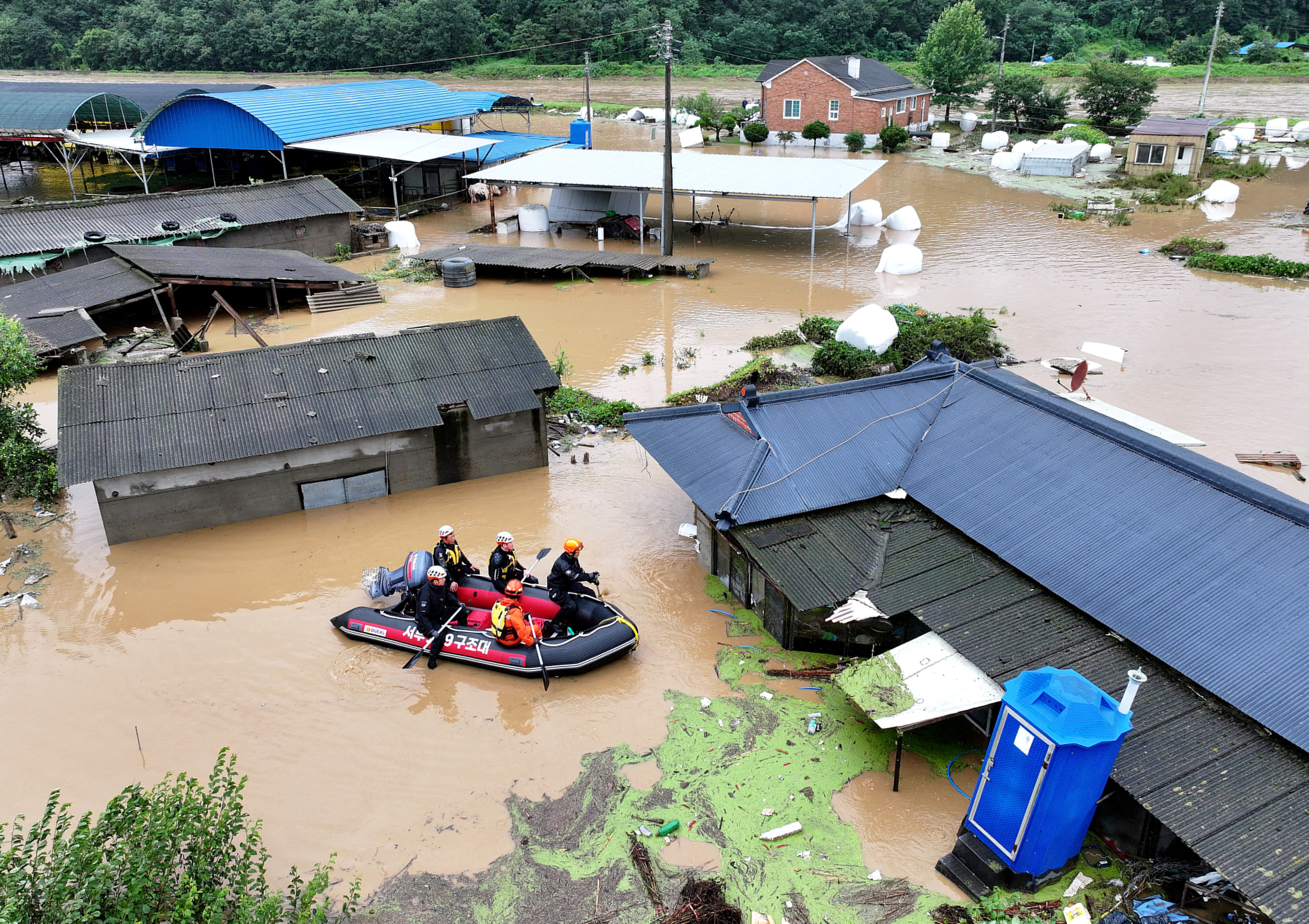
North Korea is prone to natural disasters, especially floods and typhoons during the monsoon season (typically June to September). These events can disrupt transport, communication, and access to essential services. Travelers should stay updated on local weather conditions and familiarize themselves with safety protocols provided by guides or local authorities.
Emergency Response
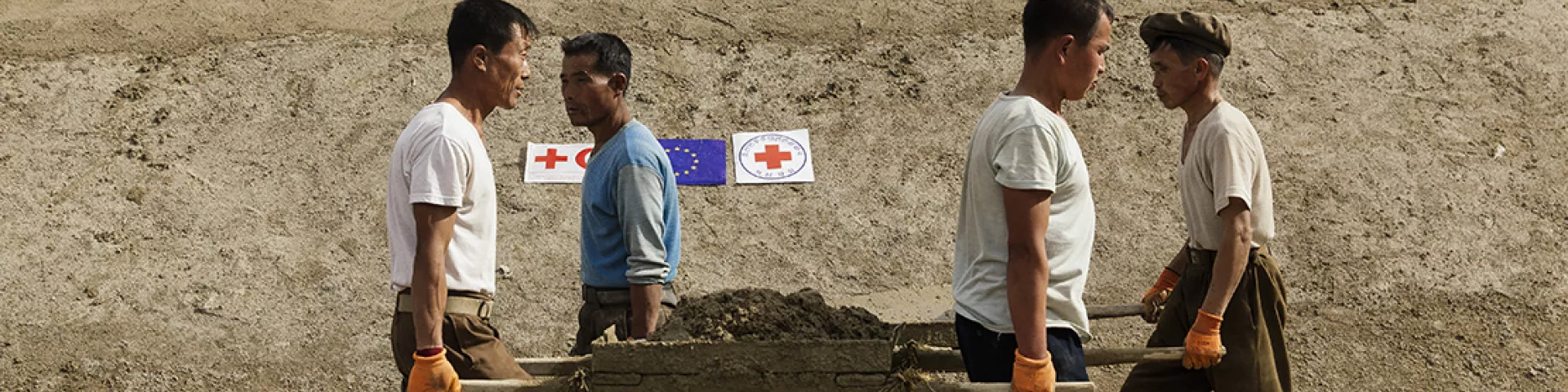
Emergency services in North Korea are limited and may not meet international standards. In case of an emergency, it is essential to follow the instructions of your official guides or hosts, as independent action is not permitted. Always keep contact information for your embassy or consulate readily available in case assistance is needed.
Medical Services
Healthcare facilities in North Korea are basic and often do not meet international standards, especially outside of Pyongyang. Access to modern equipment, medications, and emergency care is limited. Travelers should have comprehensive travel insurance that covers medical emergencies and bring all necessary medications with them, as supplies may not be available locally.
Pharmacies
💊 Pharmacies in North Korea
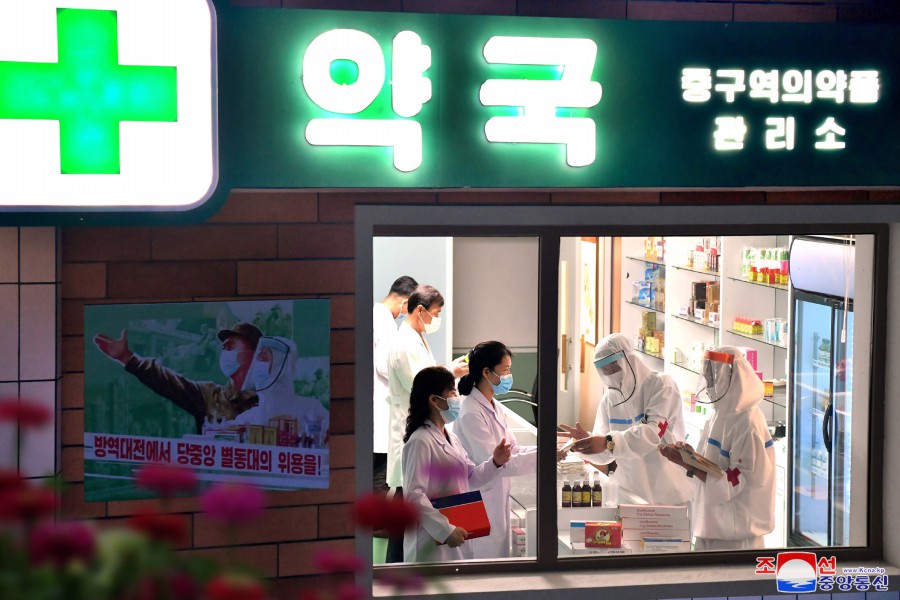
Pharmacies are present in larger cities like Pyongyang, but they typically have limited stock and may lack common Western medications. Many drugs are locally produced, with labeling in Korean only, and quality or effectiveness can vary. Foreign travelers are advised to be fully self-sufficient when it comes to medical needs.
✅ Recommended Medications to Bring:
1. Pain relief / fever: Paracetamol (Panadol), Ibuprofen (Advil, Nurofen)
2. Cold and flu symptoms: Decongestants (e.g., pseudoephedrine), Throat lozenges, cough syrup
3. Stomach and digestion: Loperamide (Imodium) for diarrhea Antacids (Tums, Gaviscon), Oral rehydration salts
4. Allergies: Antihistamines (e.g., cetirizine, loratadine)
5. Antibiotics: Only if prescribed—bring a doctor’s note
6. Chronic condition meds: Bring enough supply for the full trip, including extras for delays Basic first aid items: Band-aids, antiseptic wipes, hand sanitizer, gauze
🩺 Practical Advice:
Carry all medications in original packaging, clearly labeled. Bring a copy of your prescription or a doctor’s letter, especially for any controlled or injectable substances. Keep essential medications in your carry-on bag, not checked luggage. If traveling with injectable medications (e.g., insulin), bring all necessary supplies, including needles and documentation. Do not rely on local pharmacies for refills or replacements. Travel with a small, personal medical kit to avoid seeking local care unless absolutely necessary.
Culture & Foods
Culture: North Korea has a unique culture steeped in history and ideology. Respect for leadership and adherence to local customs are crucial.
🍽️ Food in North Korea
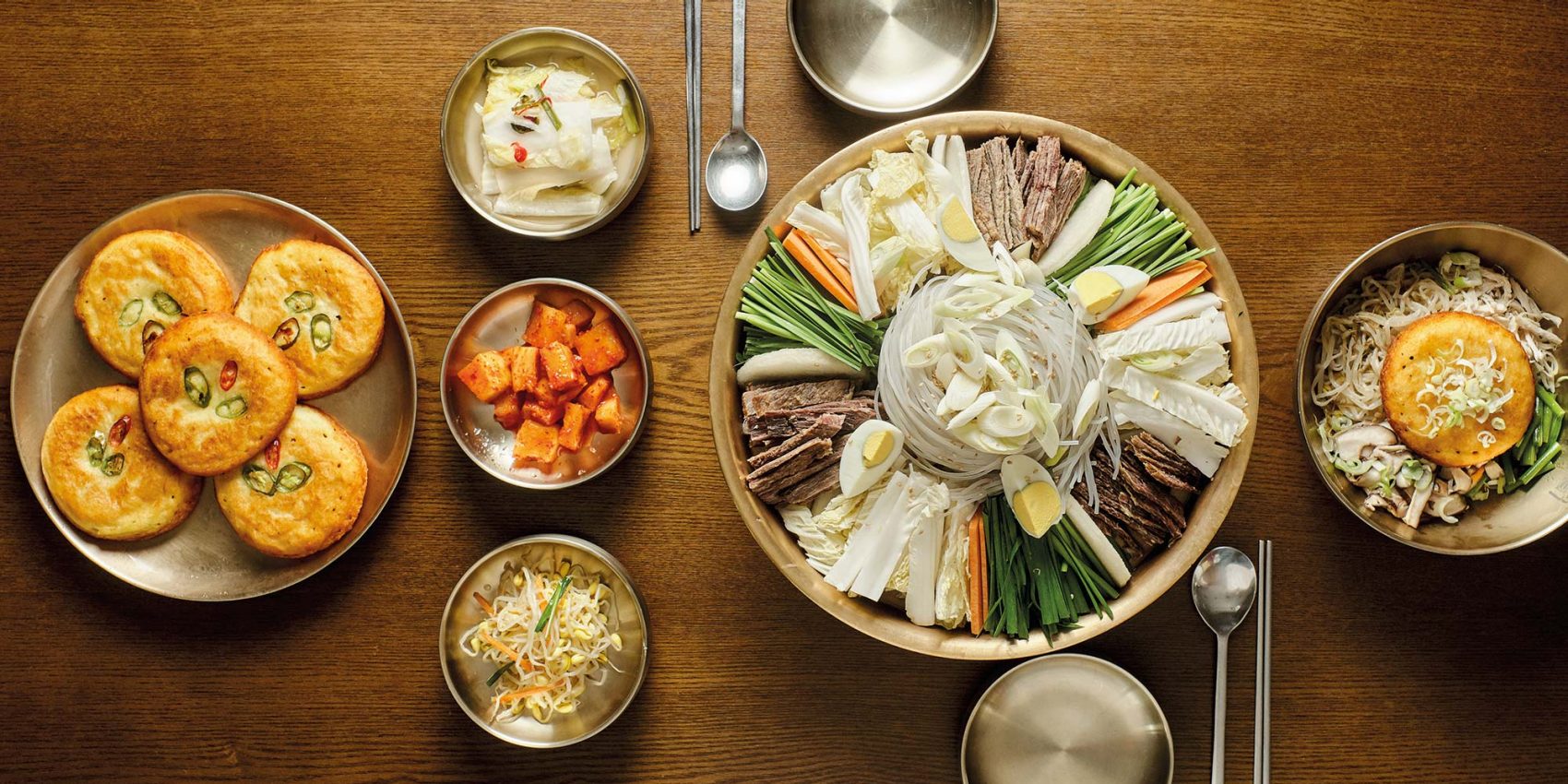
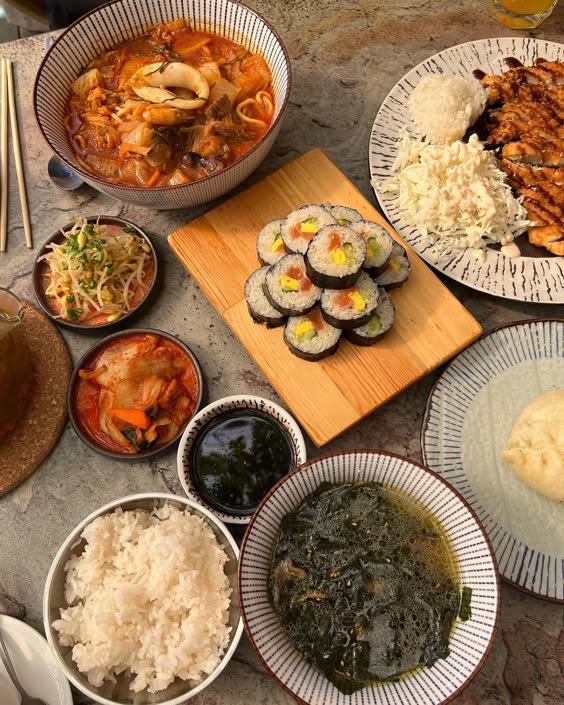
North Korean cuisine is hearty, traditional, and rooted in local ingredients, with influences from Korean cultural heritage. Meals often include rice or noodles, seasonal vegetables, and fermented or pickled items. Dining experiences are typically arranged by tour guides, and menus may be limited, but visitors are encouraged to try authentic local dishes.
🥢 Local Specialties to Try:
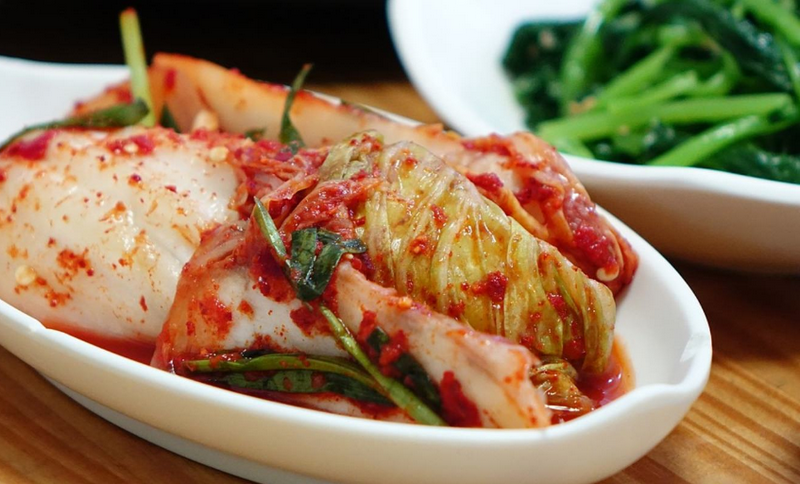
1. Kimchi (김치) – A staple side dish of fermented vegetables, usually napa cabbage or radish, seasoned with garlic, chili, and ginger.
2. Naengmyeon (냉면) – Cold buckwheat noodles served in a tangy, chilled broth, topped with sliced beef, vegetables, and sometimes egg.
3. Pyongyang Naengmyeon (평양냉면) – The Pyongyang version of cold noodles, known for its mild, clean broth and chewy noodles—considered a national dish.
4. Bulgogi (불고기) – Thin slices of marinated beef, grilled or stir-fried, typically served with rice and side dishes.
5. Bibimbap (비빔밥) – A rice bowl with assorted vegetables, meat, and egg, mixed with chili paste (gochujang).
6. Tofu Soup (두부찌개) – A mild or spicy soup made with fresh tofu, vegetables, and sometimes meat or seafood.
7. Cornmeal Porridge (옥수수죽) – A simple dish made from corn, a staple in rural areas.
8. Kimchi Pancakes (김치전) – Savory pancakes made with kimchi and flour, often served as a snack or side dish.
9. Seafood Dishes – Along coastal areas, dishes featuring squid, fish, or clams may be available.
☕ Drinks and Desserts:
1. Soju (소주) – A traditional Korean distilled beverage; North Korean varieties are less sweet than their Southern counterparts.
2. Makgeolli (막걸리) – A milky rice wine, sometimes available at tourist restaurants. Traditional teas – Ginseng tea, corn tea, and herbal infusions are commonly served.
3. Sweets – Expect seasonal fruit, rice cakes, or simple pastries; desserts are usually modest.
🍴 Dining Tips:
Meals are typically served family-style with multiple small side dishes (banchan). Chopsticks and spoons are the standard utensils. Food can be mild or spicy, but spice levels are generally lower than in South Korea. Special requests or dietary restrictions may be difficult to accommodate—plan ahead if you have allergies or specific needs. Alcohol is often served during meals arranged for foreign guests.
Others
Traveling to North Korea involves strict adherence to regulations and cultural norms. Always be aware of local customs and guidelines and ensure you are well-informed before your visit. Safe travels!
Time Zone: GMT+8:30 or GMT+9 (subject to DPRK policies).
Transport: Tour-based land transport is the only option; internal flights and public transport are highly restricted.
Climate: Continental cold winters and hot, humid summers.