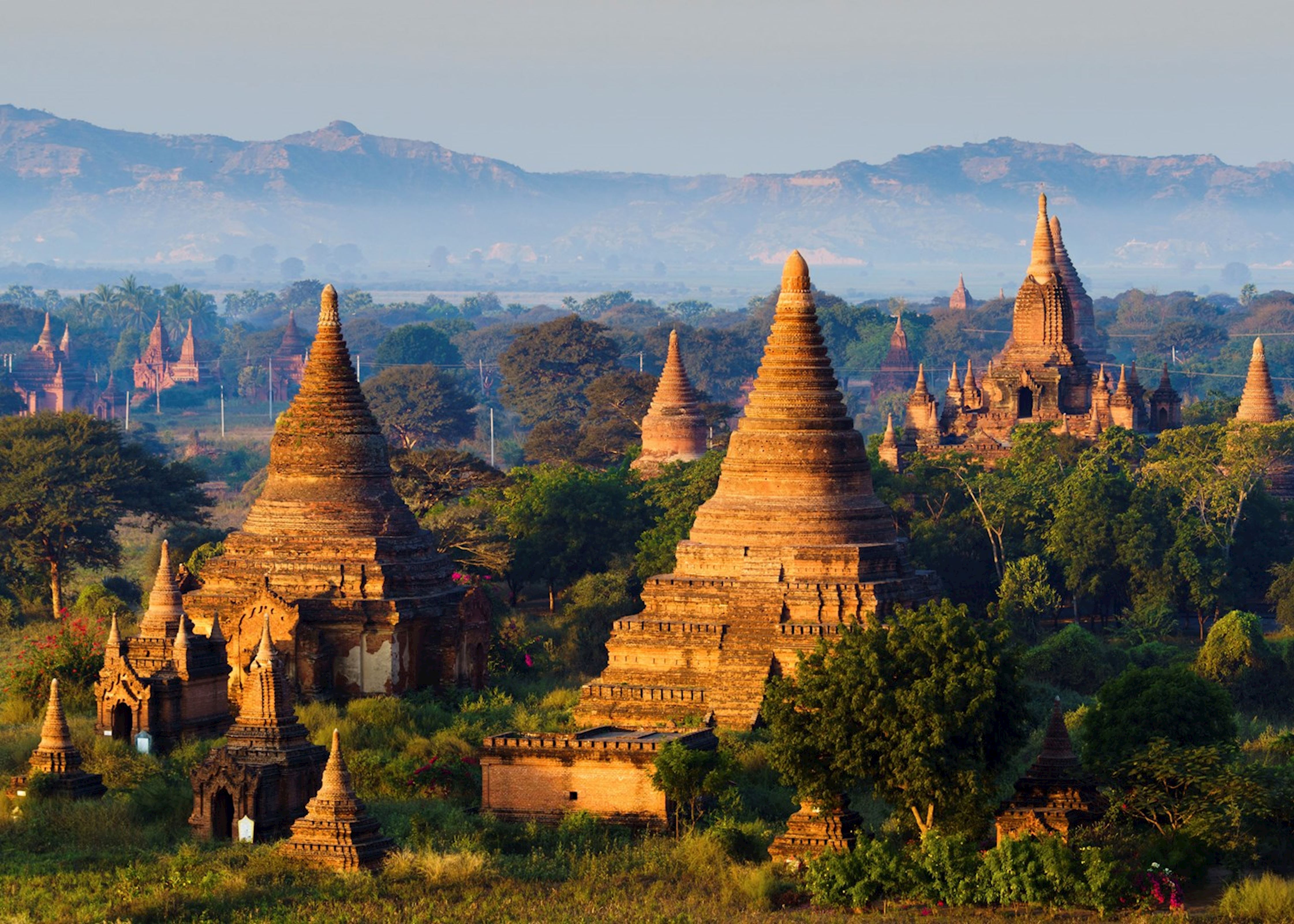
Myanmar
Entry Visa
Visa Requirements:
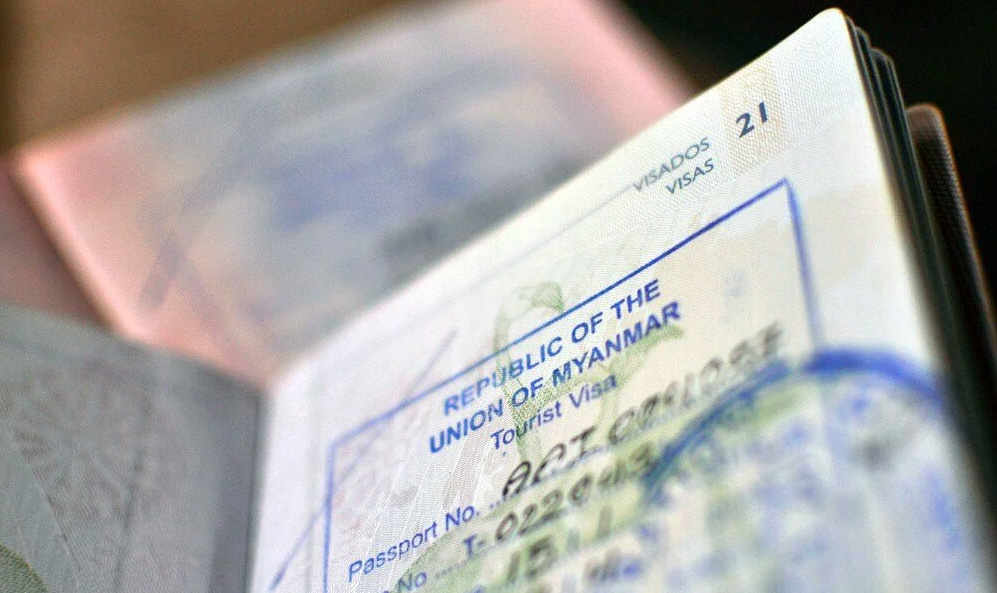
Citizens of many countries can apply for a Myanmar e-Visa online for tourism or business purposes through the official government website. The e-Visa application process is generally straightforward and takes about three business days to process.
Tourist e-Visa: This single-entry visa is valid for 90 days from the date it is issued and allows a maximum stay of 28 days. The government fee is $50 USD.
Business e-Visa: This single-entry visa is also valid for 90 days from the date of issue but permits a longer stay of up to 70 days. The fee is $70 USD. To qualify, you must have an invitation letter from a registered Myanmar company.
Documents Required: Valid passport (with at least six months of validity), a recent passport-sized photo, and a letter of invitation from a local company may be needed for the business visa.
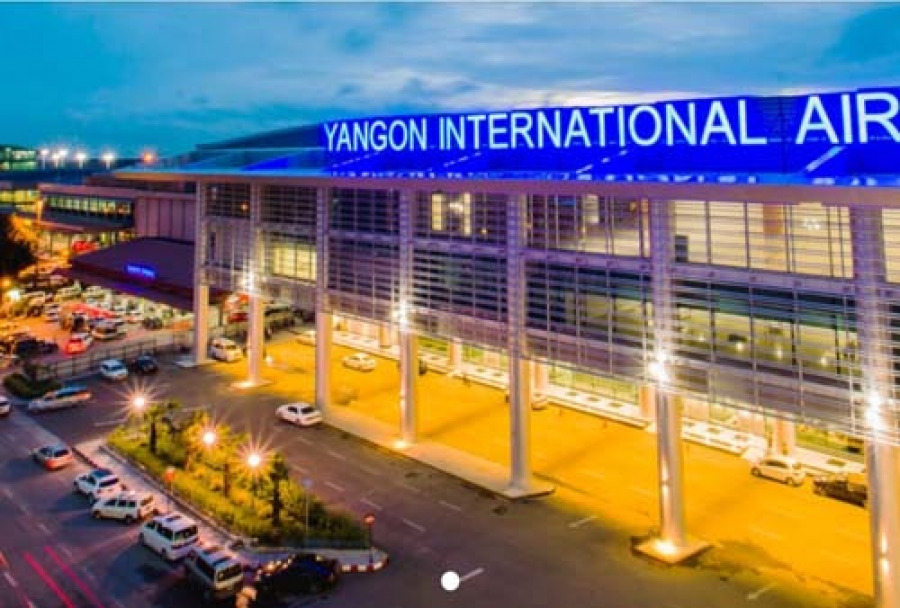
Major Airports
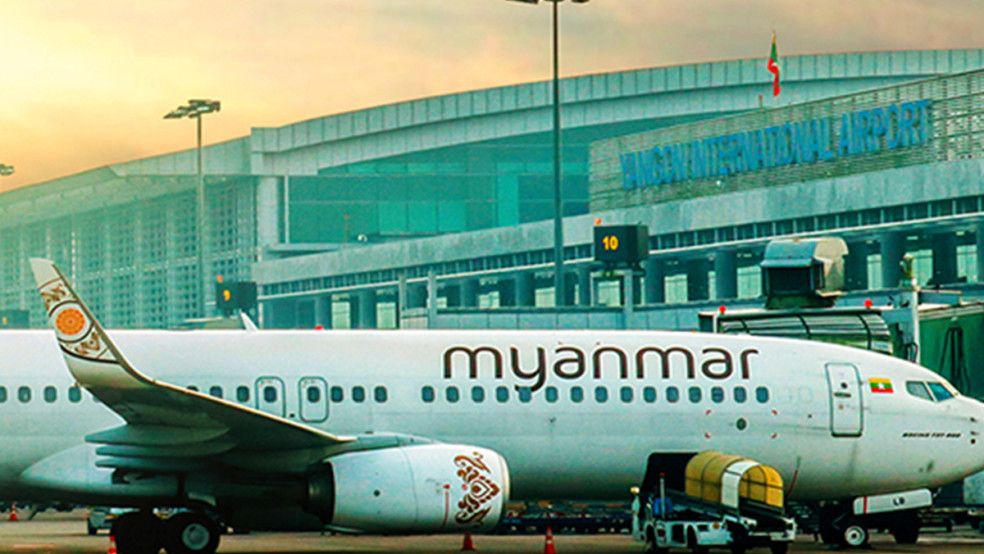
The major international airports in Myanmar are Yangon International Airport, Mandalay International Airport, and Nay Pyi Taw International Airport. The country also has several other important domestic airports, including Heho and Nyaung-U.
Yangon International Airport (RGN) - located in the country's largest city, Yangon, it is Myanmar's busiest and main international hub. It handles the majority of the country's international passenger traffic and is a hub for domestic airlines, including Myanmar National Airlines and Myanmar Airways International. The airport consists of three terminals.
Mandalay International Airport (MDL) - situated about 35 kilometers south of Mandalay, it is the largest and most modern airport in the country. It serves as a key international gateway to the northern region of Myanmar. It is one of only three international airports in Myanmar.
Nay Pyi Taw International Airport (NYT) serves Nay Pyi Taw, the capital city of Myanmar. It is used by a limited number of airlines and primarily handles government and domestic flights.
Facilities: The airport has basic amenities, including currency exchange, shops, restaurants, and free Wi-Fi.
Money Exchange
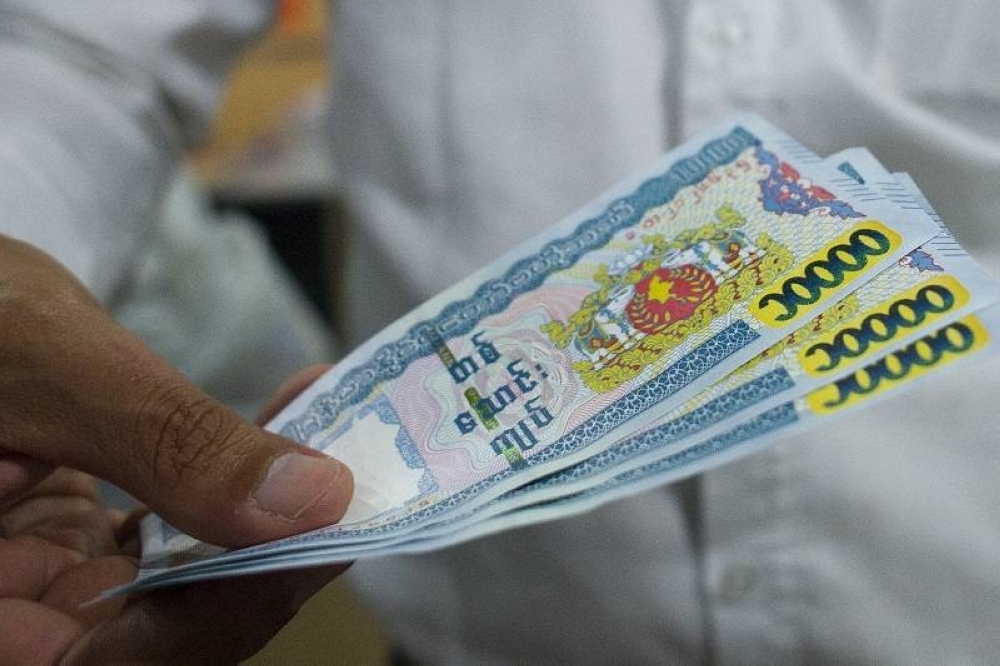
Currency: Myanmar Kyat (MMK).
Exchanging Money: Currency can be exchanged at banks, authorized money exchange centers, and the airport. ATMs are available in major cities, but it's advisable to carry cash, as not all places accept cards.
Due to military control since 2021, Myanmar's foreign exchange market is tightly regulated, with the Central Bank of Myanmar (CBM) imposing strict controls and mandatory conversion rules. This has created a complex and volatile environment, marked by both official and unofficial exchange rates.
Foreign currency shortages: Currency controls and political instability have created severe shortages of foreign currency, making it difficult for businesses to pay for imported goods and raw materials.
Market distortion: The wide gap between the official and black market exchange rates creates arbitrage opportunities, particularly for entities with military connections, and drives much of the country's foreign exchange activity into unofficial channels.

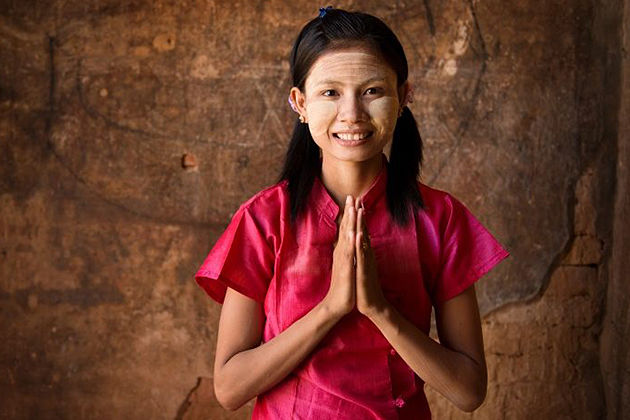
Dress Code
In Myanmar, professional office attire is generally modest and conservative, with both traditional Burmese and Western business casual styles being acceptable. Given the country's hot and humid climate, clothing is often lightweight.
For Men: Dress pants and collared shirts, with ties often recommended.
For Women: Professional dresses or blouses with skirts/slacks. Modest clothing is recommended, especially in cultural settings.
Language
The main and official language of Myanmar is Burmese. A 2023 World Bank survey found that 80% of the population speaks Burmese. English is still spoken in some parts of the country, particularly by educated urban residents and for official government business.
Greetings & Basics
Hello/Goodbye:
Mingalaba
Thank you: Cezu tin ba deh
You're welcome: Ya par dae
Yes: Hote ke
No: Ma hote bu
Telephone
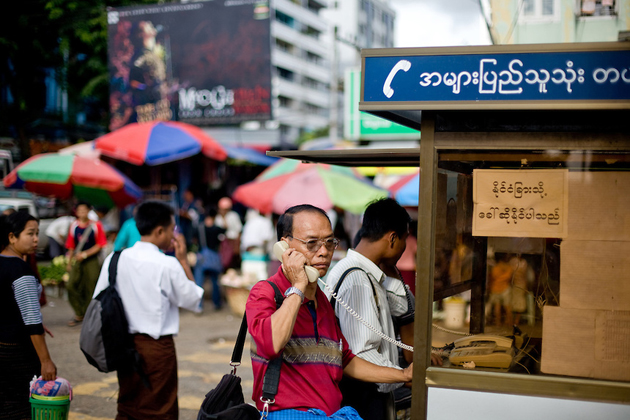
International Dialing: To call Myanmar from abroad, use +95. For local calls, dial the area code followed by the number.
Local SIM Cards: Available from providers like Telenor and Ooredoo, offering competitive data plans. Ensure your phone is unlocked.
Upon arrival, the sim card shops can be found inside the airport after going through custom clearance, Telenor (Atom) / Ooredoo / MPT / MyTel. And for the internet usage, you may top up the mobile bill and buy the internet package.
Internet
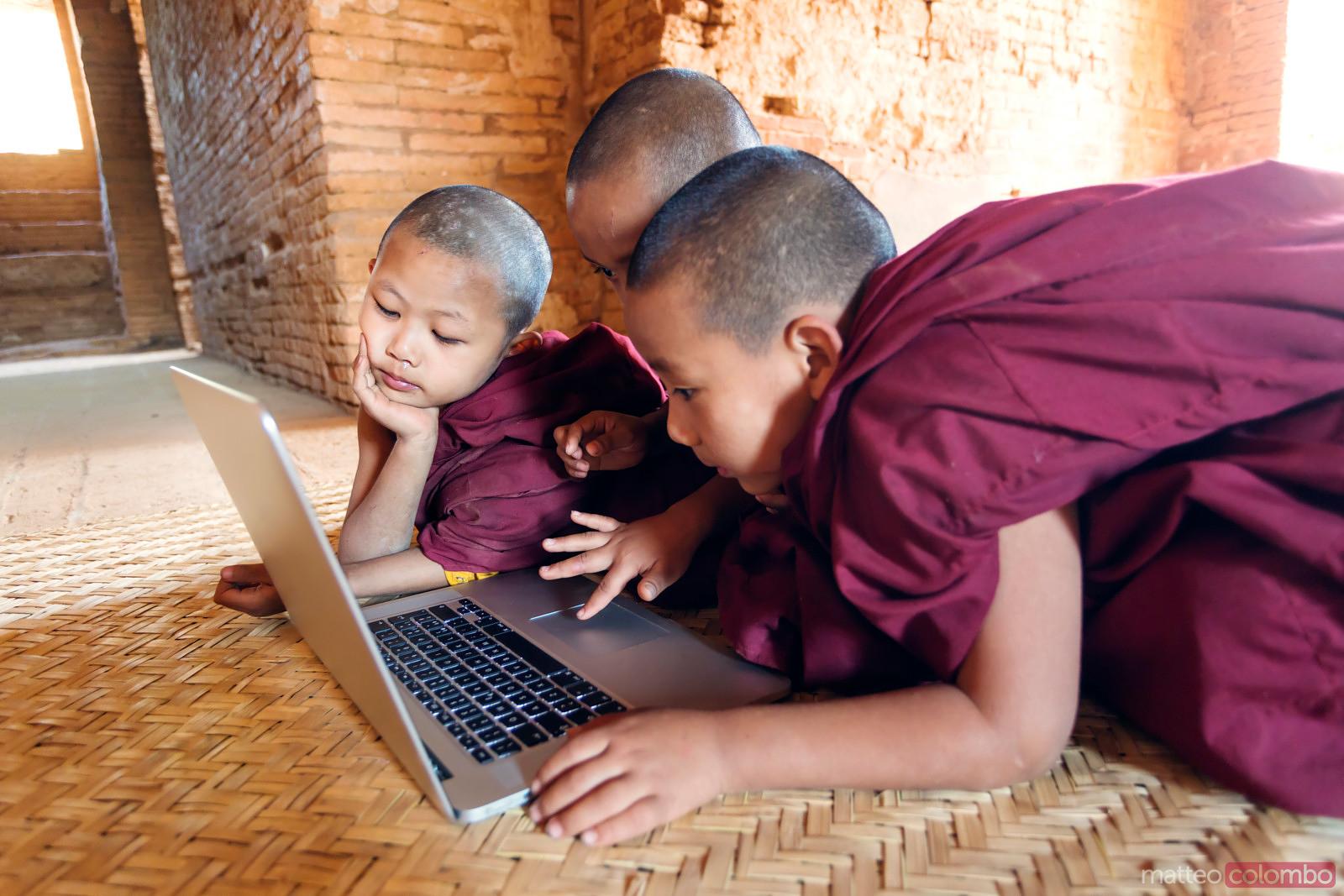
As of late 2024 and early 2025, internet access in Myanmar is severely restricted by the military junta through frequent shutdowns and repressive new laws. Following the 2021 coup, the internet, once a space for activism, is now used by the junta to stifle dissent and control information.
Key restrictions and issues
Widespread internet shutdowns: In 2024, the military was responsible for 85 internet shutdowns. As recently as April 2025, a blackout during a major earthquake hindered rescue efforts and led to preventable deaths.
Crackdown on VPNs: A new Cybersecurity Law, effective January 1, 2025, bans the use of Virtual Private Networks (VPNs). VPNs had become a critical lifeline for citizens to access independent news and social media.
Increased state surveillance: The Cybersecurity Law gives the government the powers to censor online content and conduct mass surveillance. Under the law, digital platform providers are required to retain user data for up to three years and disclose it to the authorities upon request.
TIPS!!Ask your LO or the LOC the best free VPN apps.

Business Hours
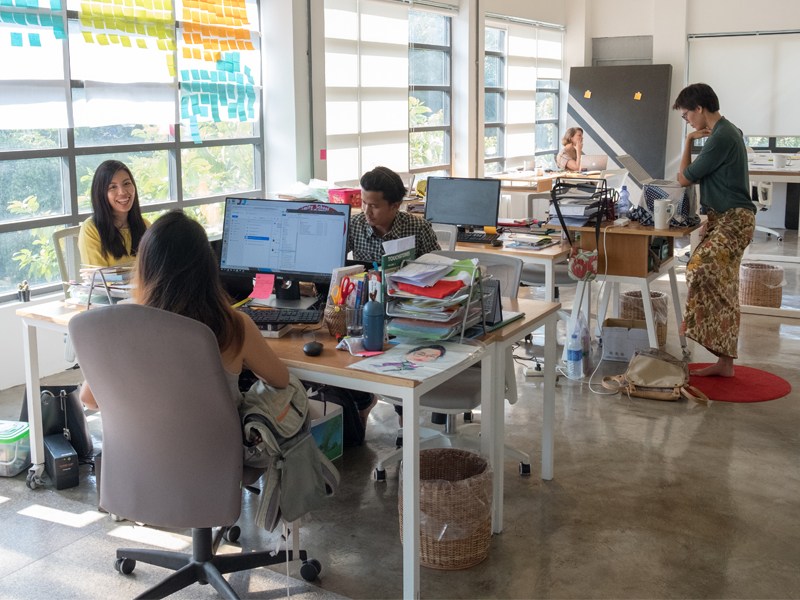
Standard business hours in Myanmar are typically eight hours per day, totaling a maximum of 48 hours per week, though this can vary by sector. Overtime beyond these limits is compensated at a higher rate, and employees are entitled to a mandatory 30-minute break after five hours of work.
Government: Monday–Friday, approx. 9:00 AM–5:00 PM
Private Sector: Similar timing; weekend schedules vary.
Many businesses close on weekends, but some operate on Saturdays.
Punctuality
In Myanmar, punctuality is valued, especially in formal business contexts, but it is not as rigidly enforced as in some Western cultures. Respect for hierarchy, relationships, and other people's time strongly influences attitudes toward timeliness.
In the professional environment, being on time is an important sign of professionalism and respect.
Show of respect: Arriving punctually for a business meeting demonstrates that you respect your counterparts and value their time.
Hierarchy matters: The more senior a person is, the more likely they are to be punctual. If you are meeting with someone who holds a lower rank, their punctuality may be more flexible.
Confirm appointments: It is advisable to confirm meeting details a day in advance with a polite email or call.
Give notice for delays: If you expect to be delayed, it is polite to call immediately and offer an explanation.
Meeting Etiquette
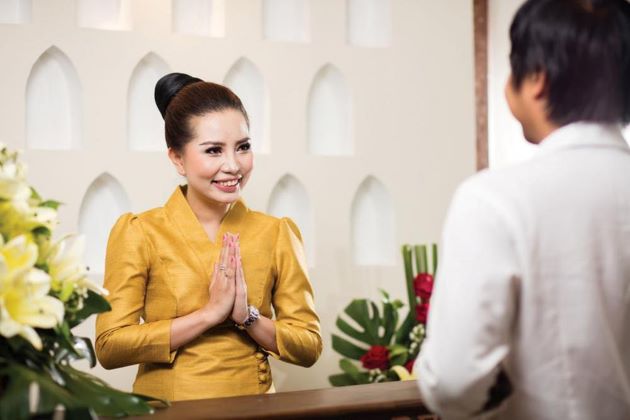
In Myanmar, meeting etiquette is built on a foundation of respect for hierarchy and seniority, indirect communication, and the importance of personal relationships. To succeed, you must demonstrate patience and cultural awareness, as business is often conducted at a slower pace than in many Western countries.
Before the meeting
Emphasize relationships: Before diving into business, expect to engage in small talk to build rapport. Topics like family, culture, and cuisine are good starting points. This initial connection is crucial, as relationships often influence business outcomes.
Confirm details: To show professionalism, send a polite email or make a call the day before to confirm the meeting details.
Prepare documents: Have all materials and agendas ready in advance. If possible, bring translated documents to show respect for language differences.
Be aware of time: While it is respectful to be punctual, be prepared for a meeting to start with personal conversation before transitioning to business matters.
During the meeting
Follow hierarchy:
When entering a meeting, stand to greet the most senior person first. This acknowledges their status and sets a respectful tone.
Master indirect communication: Burmese people often communicate indirectly to maintain harmony and avoid confrontation. A polite "yes, but..." or "we will try" can often be a soft, indirect "no." Pay attention to non-verbal cues like smiles, nods, and silence to understand the full message.
Handle business cards respectfully: Exchange business cards with both hands and a slight bow. Take a moment to read the card before carefully placing it on the table or in a cardholder. Do not pocket it immediately or write on it.
Topics to avoid
Sensitive issues: Avoid discussing controversial topics such as politics, ethnic differences, or religion unless your counterpart initiates the conversation.
Overt conflict: Direct criticism or aggressive debating is frowned upon. Frame disagreements indirectly to avoid causing embarrassment or "losing face".
History of Major Football Achievements
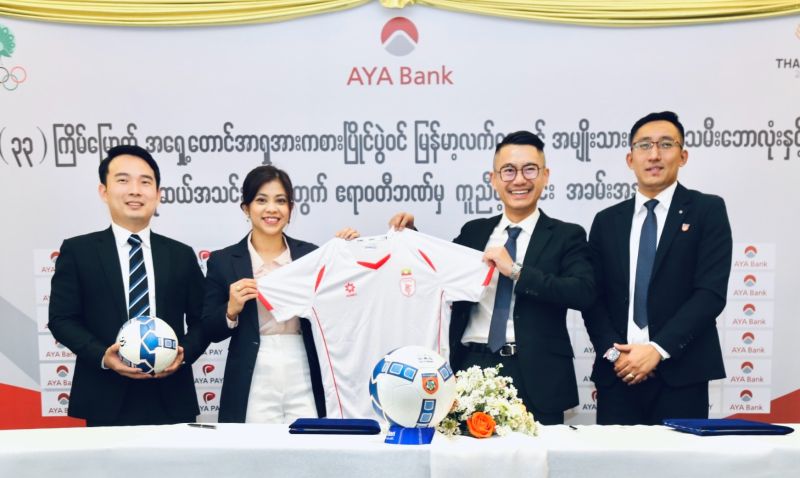
Football is popular in Myanmar, with the national team participating in various regional tournaments. While there have been notable matches, significant incidents are rare. The sport is a source of national pride, especially during international competitions.
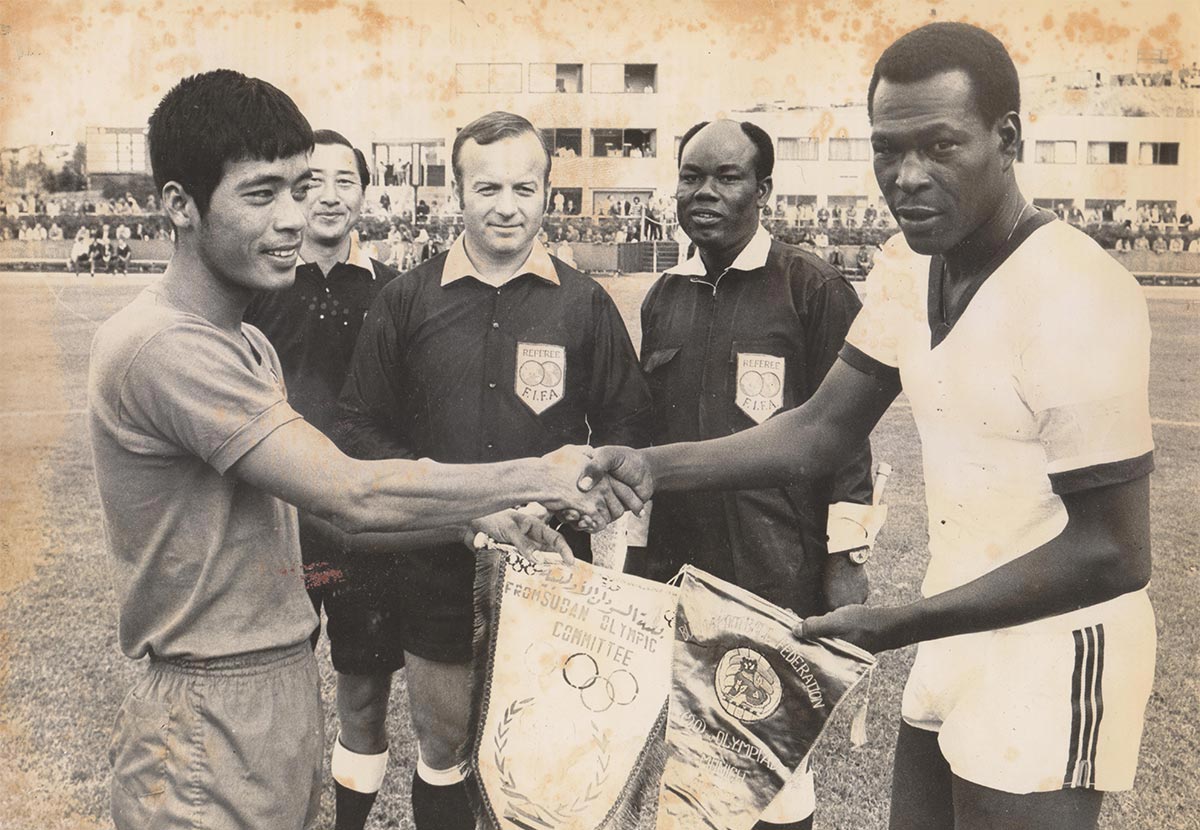
Myanmar (formerly known as Burma was a football powerhouse between 1960-1980:
1954 Asian Games: Burma won a bronze medal.
1965, 1967, 1969, 1971, 1973 Southeast Asian Games (SEAP Games): Burma won a gold medal
1966, 1970 Asian Games: Burma won a gold medal.
1968 AFC Asian Cup: Burma finished as runner-up.
1972 Summer Olympics: Burma participated and won the Fair Play Award.
2006 Merdeka Tournament: Myanmar won the championship
2015 FIFA U-20 World Cup: Myanmar U20 team qualified for this FIFA U20 World Cup Finals

Natural Disasters
Myanmar is consistently vulnerable to a range of other natural hazards, amplified by climate change.
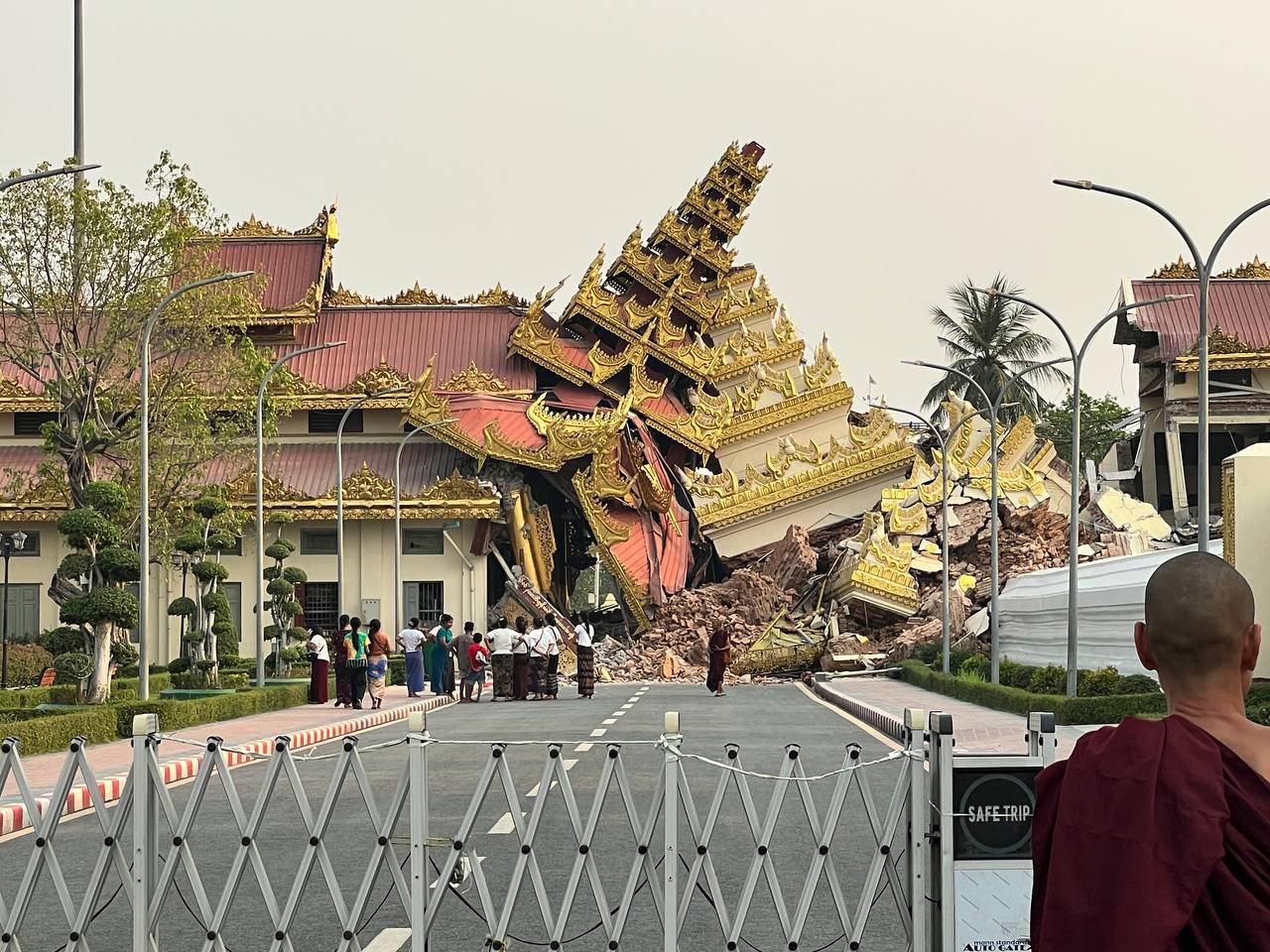
Earthquakes: Located at the meeting point of four tectonic plates, Myanmar is in an active seismic zone. The Sagaing Fault, which caused the 2025 earthquake, is the country's most active fault line.
Cyclones and storm surges: Tropical cyclones, such as Cyclone Nargis in 2008 and Cyclone Mocha in 2023, have caused immense destruction and loss of life.
Floods: Widespread floods, particularly during the monsoon season, frequently affect major river basins like the Ayeyarwady.
Landslides: Heavy rains can trigger landslides, as seen in Mon State in 2019. Droughts: The central dry zone is especially susceptible to drought and water scarcity.
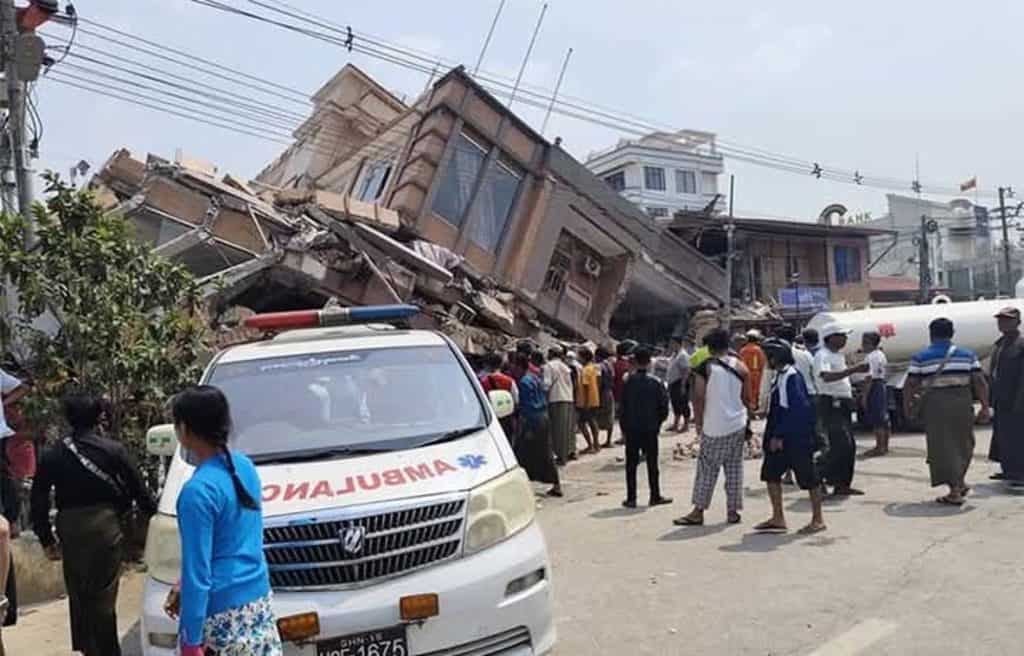
As of September 2025, Myanmar is facing multiple natural disasters, with a deadly earthquake in March 2025 and severe flooding in July and August 2024 and 2025. These events have worsened the country's humanitarian crisis, which is already burdened by ongoing civil conflict and political instability.
Emergency Response
For emergencies, dial 199 for police and 192 for fire services. Keep local emergency contacts handy.
Emergency response in Myanmar is a complex, ongoing effort led by local community groups and international humanitarian organizations. Aid delivery is severely hampered by political instability, conflict, and limited infrastructure, which is further exacerbated by the country's vulnerability to natural disasters like floods, cyclones, and earthquakes.
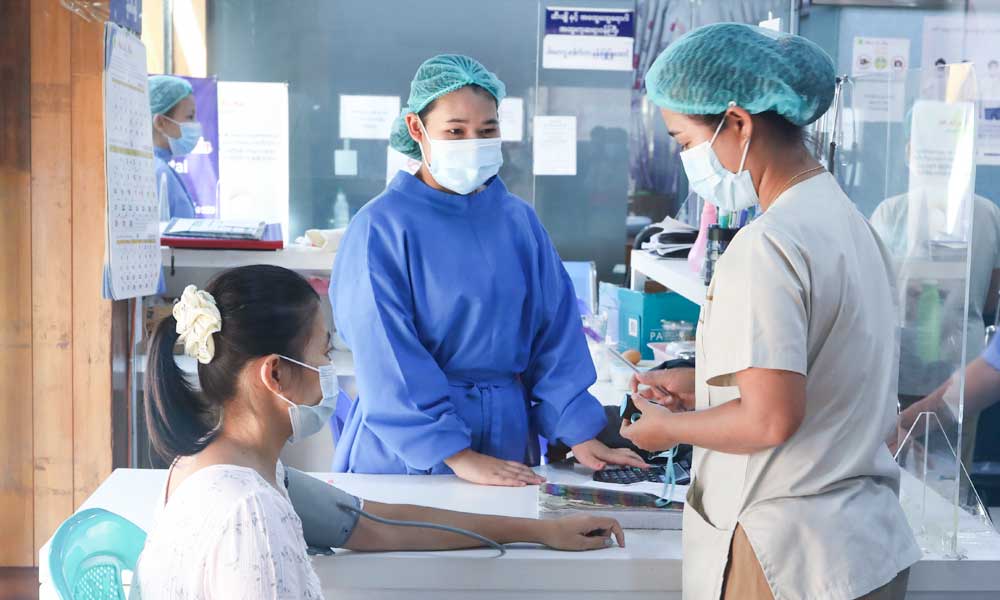
Medical Services
Medical service in Myanmar is a mix of public and private sectors, with government hospitals and private clinics providing care, though access is significantly challenged by ongoing conflict, displaced populations, and economic hardship, particularly in rural and conflict-affected areas. Major specialist hospitals are in Yangon and Mandalay, but services outside these cities are limited.
Pharmacies
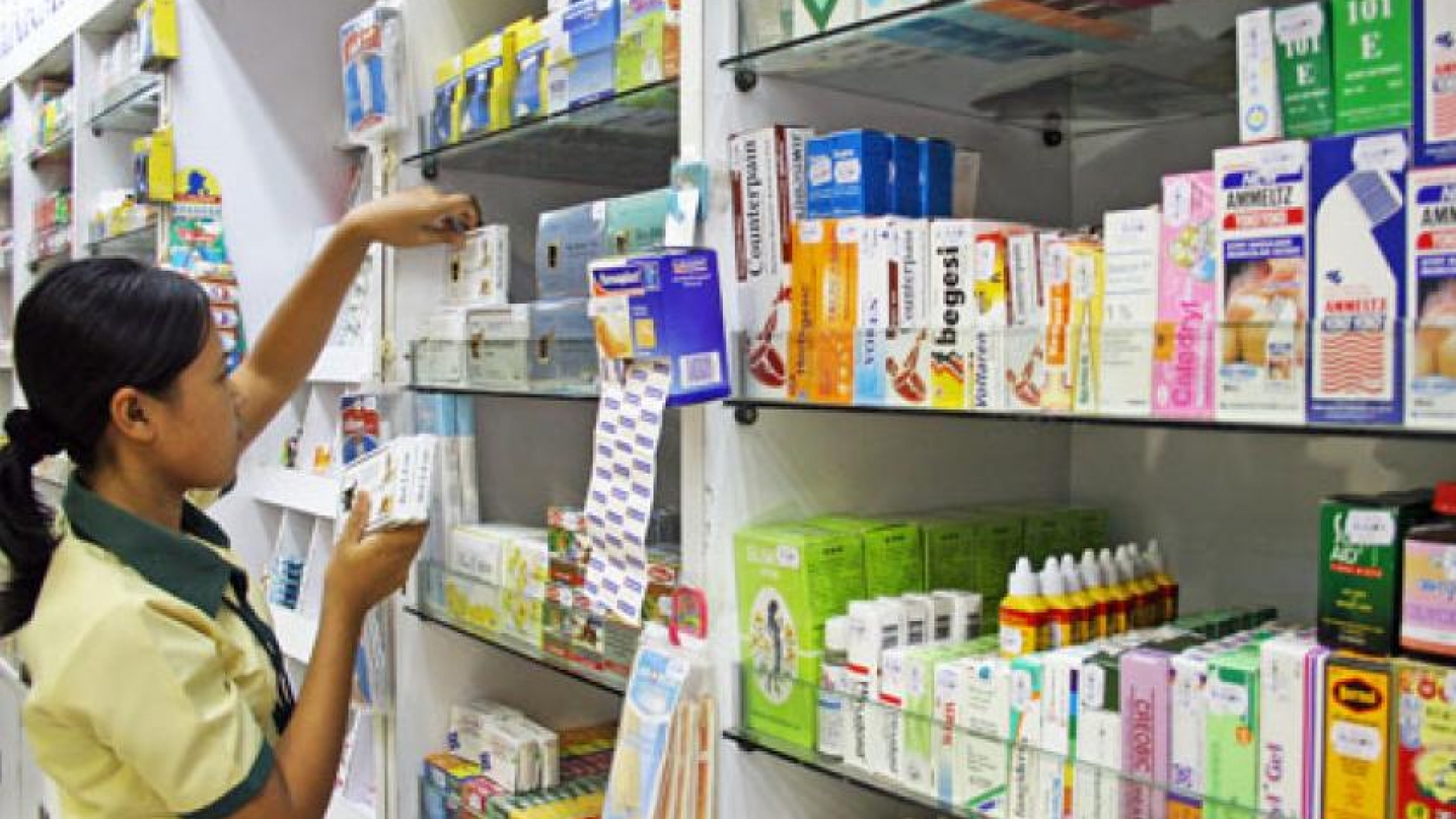
There are various types of pharmacies in Myanmar, ranging from major retail chains to local shops and online stores. The largest pharmacies are primarily located in major urban centers like Yangon and Mandalay, where the pharmaceutical market is concentrated.
Major retail chains
City Drug Store: One of the largest pharmacy chains in the country, with multiple locations offering a wide range of medications and health products.
Shwe Ohh Pharmacy: This chain emphasizes quality medicines and has multiple branches in Yangon and Mandalay, such as its Kyun Taw and Wai Za Yan Tar branches.
MEDiCARE Myanmar: A growing chain with over 88 branches in major cities like Yangon, Mandalay, Taunggyi, Pyay, and Meiktila. The stores have pharmacists on-site and sell a variety of health, beauty, and hygiene products alongside medications.
Guardian Myanmar: This international chain, part of the Malaysian-based Guardian Group, has expanded its presence in urban areas and offers a diverse range of pharmaceutical and health products.
Culture & Foods
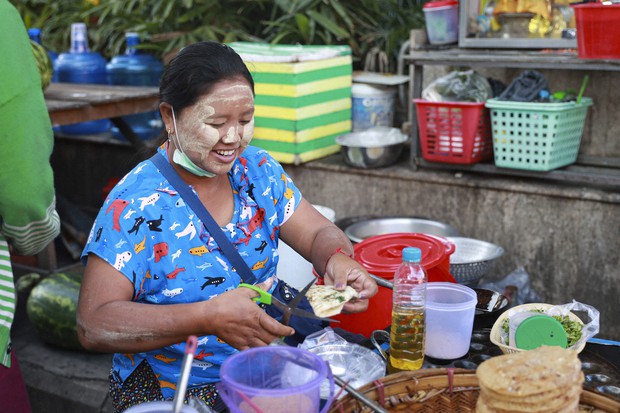
Culture: Myanmar has a rich cultural heritage with diverse ethnic groups. Respect for local customs, traditions, and religious practices is crucial.
Foods
Burmese cuisine features a diverse and vibrant array of popular dishes, often influenced by its neighbors India, China, and Thailand, yet with its own unique flavors. Rice and noodles are staples, complemented by curries, salads, and plenty of fresh vegetables and fish
Mohinga: Considered the national dish of Myanmar, this is a comforting and aromatic fish noodle soup. The fragrant broth is made with fish (usually catfish), lemongrass, and ginger and is served over thin rice noodles. Toppings typically include a hard-boiled egg, crispy fried lentils or fishcakes, and a squeeze of lime.
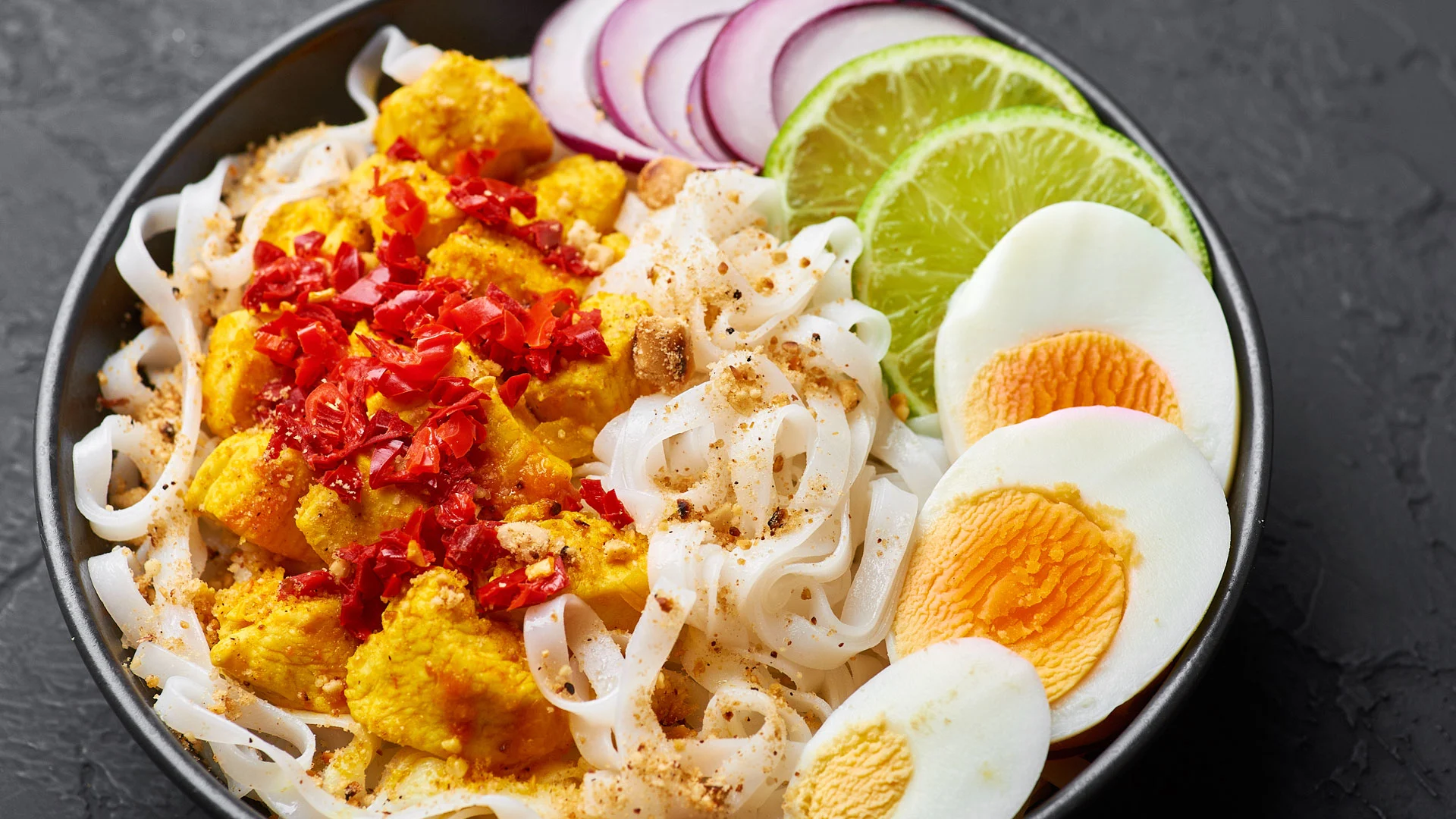
Shan noodles: A popular dish from Myanmar's Shan State, Shan noodles can be served either as a soup or a salad. The rice noodles are combined with chicken or pork, peanuts, chili oil, and pickled mustard greens.
Burmese curry: Unlike curries from India or Thailand, Burmese curries (known as hin) are less spicy and have less broth, with a distinctively rich, oily texture. They are slow-cooked with a paste of onions, garlic, ginger, turmeric, and dried spices, with options including chicken, pork, fish, or shrimp.
Nga Htamin (Shan-style fish rice): A signature Shan dish made with turmeric-infused rice and flaked fish that is kneaded into a ball. It is then topped with fried garlic oil and served with sides like leek roots and fried pork rinds.
Ohn No Khao Swè: This creamy and rich noodle soup consists of egg noodles and curried chicken in a coconut milk-based broth. It is typically topped with crispy noodles, hard-boiled eggs, and fresh lime.
Others
Essential tips for first-time visitors
Check travel advisories: Due to political instability in Myanmar, check the latest travel advisories from your government before planning your trip.
Respect religious customs: When visiting pagodas and other sacred sites, you must dress modestly, covering your shoulders and knees. Always remove your shoes and socks before entering.
Be cautious at night: Though Yangon's city center can feel safe, it's wise to use ride-hailing apps like Grab after dark instead of walking alone in unfamiliar areas.
Bring cash: While credit cards are increasingly accepted, Myanmar remains a largely cash-based society. Always carry crisp, clean U.S. dollar bills or local currency for smaller purchases, as older notes may be rejected.
Get a local SIM card: Buying a local SIM card is recommended for safety and convenience, as Wi-Fi can be unreliable. Stay in registered accommodation: You may be required to stay in registered hotels or guesthouses.
Check for travel restrictions: The military administration may restrict travel to certain parts of the country
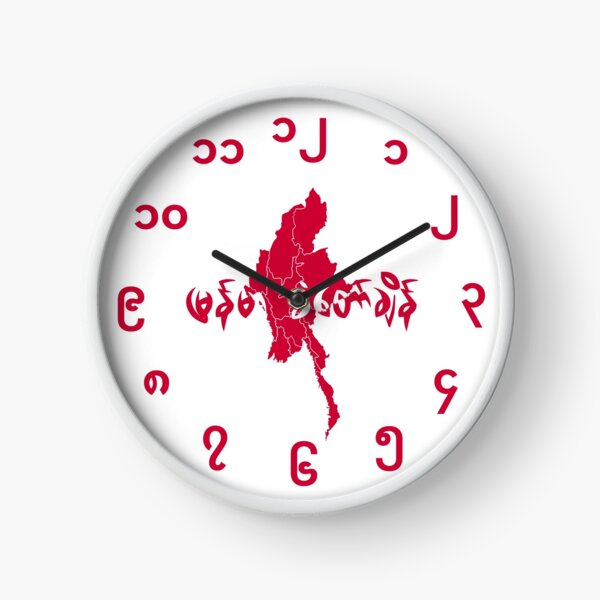
By keeping these points in mind, you’ll be well-prepared for your business trip to Myanmar. Safe travels! Time Zone: GMT+6:30.
Transport: Domestic flights via Yangon, Mandalay; road transport is varied.
Climate: Tropical; hot and humid, with cooler, dry season (Nov–Feb).
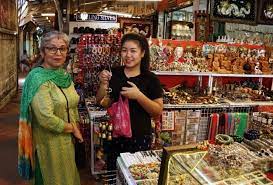
In Myanmar, must-buy items include traditional handicrafts such as lacquerware, sand paintings, and marionettes, gemstones, along with locally produced goods like tea and longyis. You can find these items at large markets like Bogyoke Aung San Market in Yangon or directly from workshops in craft centers like Bagan and Pathein.