Mongolia
Entry Visa
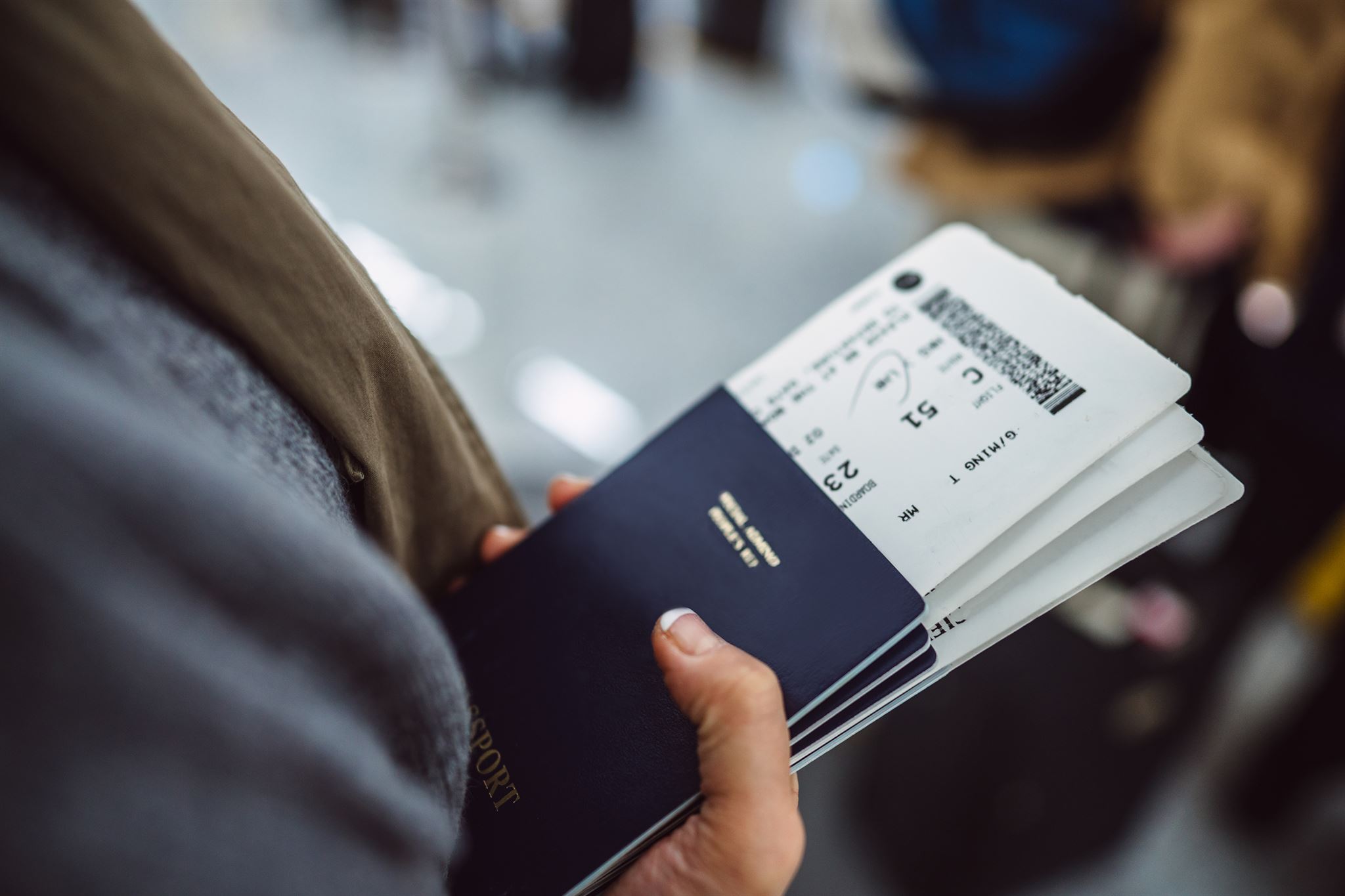
Visa Requirements: Many nationalities can enter Mongolia visa-free for short stays, while others may require a visa. Check specific requirements based on your nationality.
Documents Required: A valid passport (with at least six months of validity) and, if needed, a visa application form and supporting documents.
Major Airports
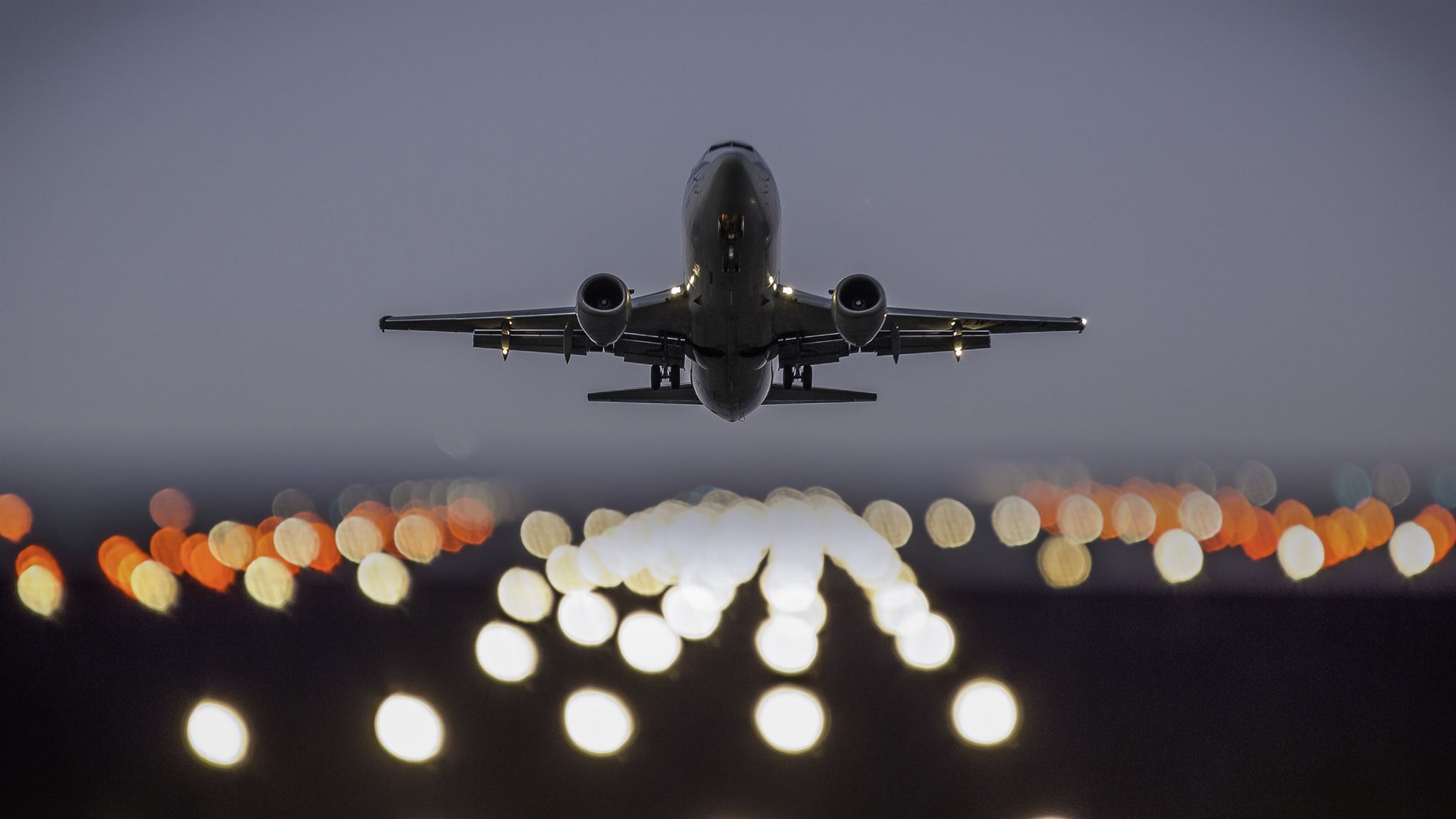
Chinggis Khaan International Airport (ULN) is the main international gateway.
Facilities: The airport offers basic amenities, including duty-free shops, restaurants, and currency exchange services. Free Wi-Fi is available.
Money Exchange
Currency: Mongolian Tugrik (MNT).
Exchanging Money: Currency can be exchanged at banks, authorized money exchange centers, and the airport. ATMs are widely available in urban areas, and credit cards are accepted at many establishments.


Dress Code
Business attire is generally formal.
Men: Suits or dress pants with collared shirts, ties recommended.
Women: Professional dresses or blouses with skirts/slacks. Modest clothing is appreciated, especially in cultural settings.
Language
Mongolian is the official language. English is increasingly spoken in business and tourist areas, especially among younger generations.

Telephone
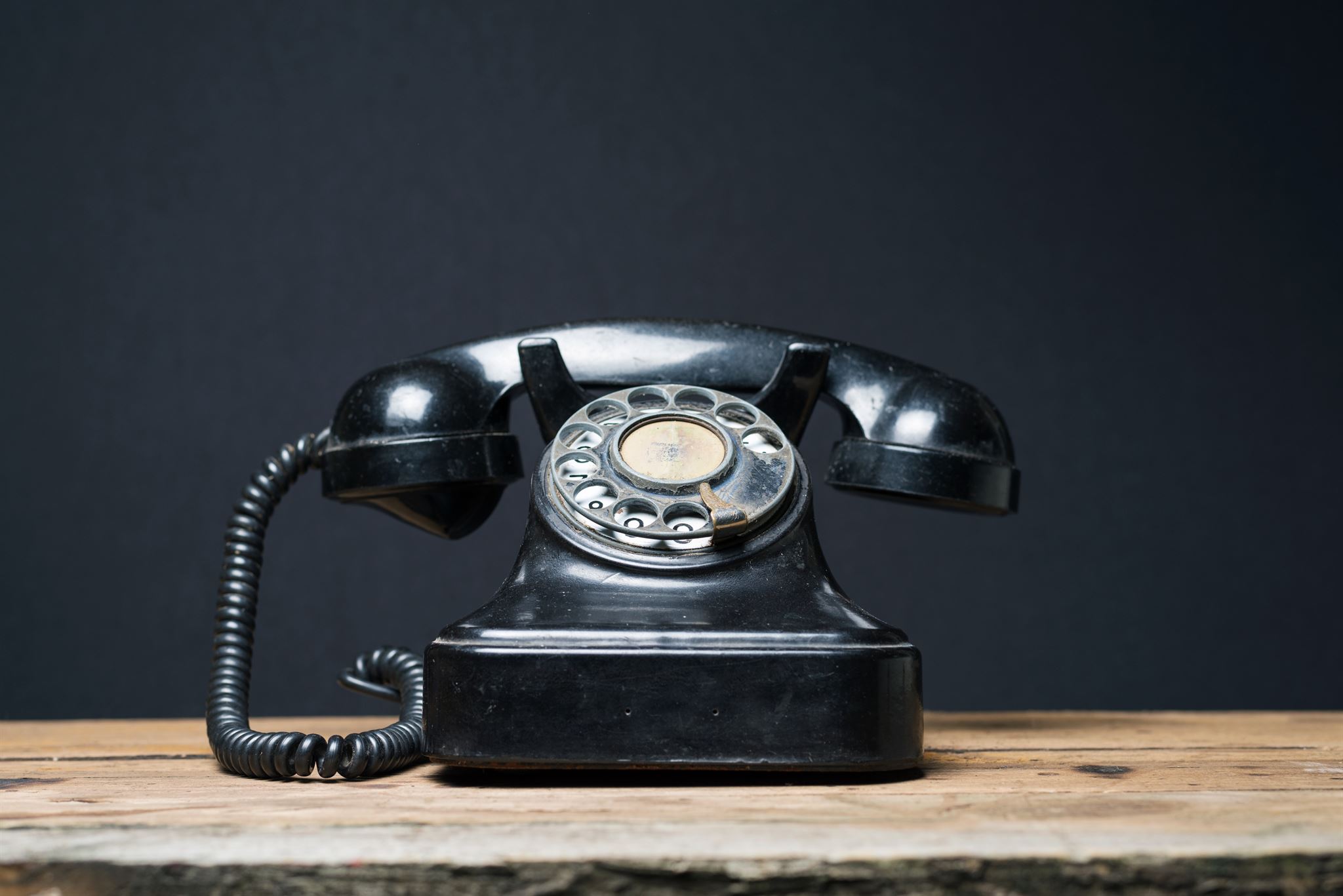
International Dialing: To call Mongolia from abroad, use +976. For local calls, dial the area code followed by the number.
Local SIM Cards: Available from providers like Mobicom and Unitel, offering various data plans.
Internet
Internet access is improving, with many cafes and hotels offering free Wi-Fi. However, connectivity may be less reliable in rural areas.


Business Hours
Government Offices: Monday–Friday, approx. 9:00 AM–6:00 PM
Private Sector: Similar schedules; weekends vary by industry.
Many businesses close for lunch from 1 PM to 2 PM.
Punctuality
Punctuality is appreciated in business settings, although there may be some cultural flexibility. It's best to arrive on time.

Meeting Etiquette
Meetings often begin with greetings and small talk. Use formal titles and last names until invited to use first names. Exchanging business cards is common; present and receive them with both hands.
History of Major Football Incidents
Football is popular in Mongolia, with a growing league and national team. While there have been notable matches, significant incidents are rare. The sport is gaining popularity, especially among the youth.


Natural Disasters
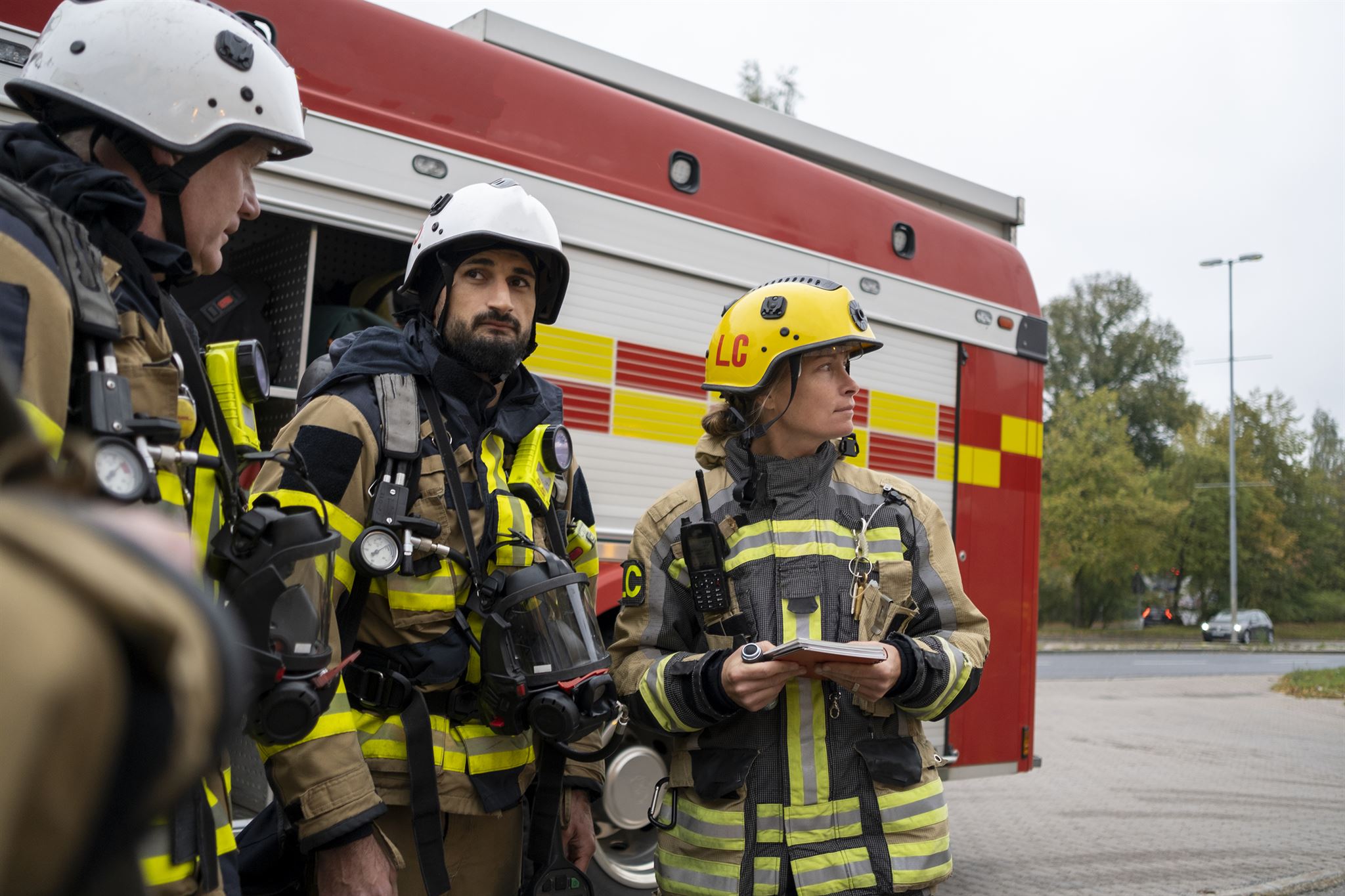
Mongolia is prone to natural disasters such as earthquakes and harsh winters. Familiarize yourself with local emergency procedures, particularly in urban areas.
Emergency Response
For emergencies, dial 102 for police and 103 for medical services. Keep local emergency contacts handy.

Medical Services
Healthcare facilities vary, with better services available in Ulaanbaatar. Comprehensive travel insurance that covers medical emergencies is strongly recommended.
Pharmacies
Pharmacies are widely available in urban areas, providing both prescription and over-the-counter medications. It’s advisable to carry any necessary medications with you.
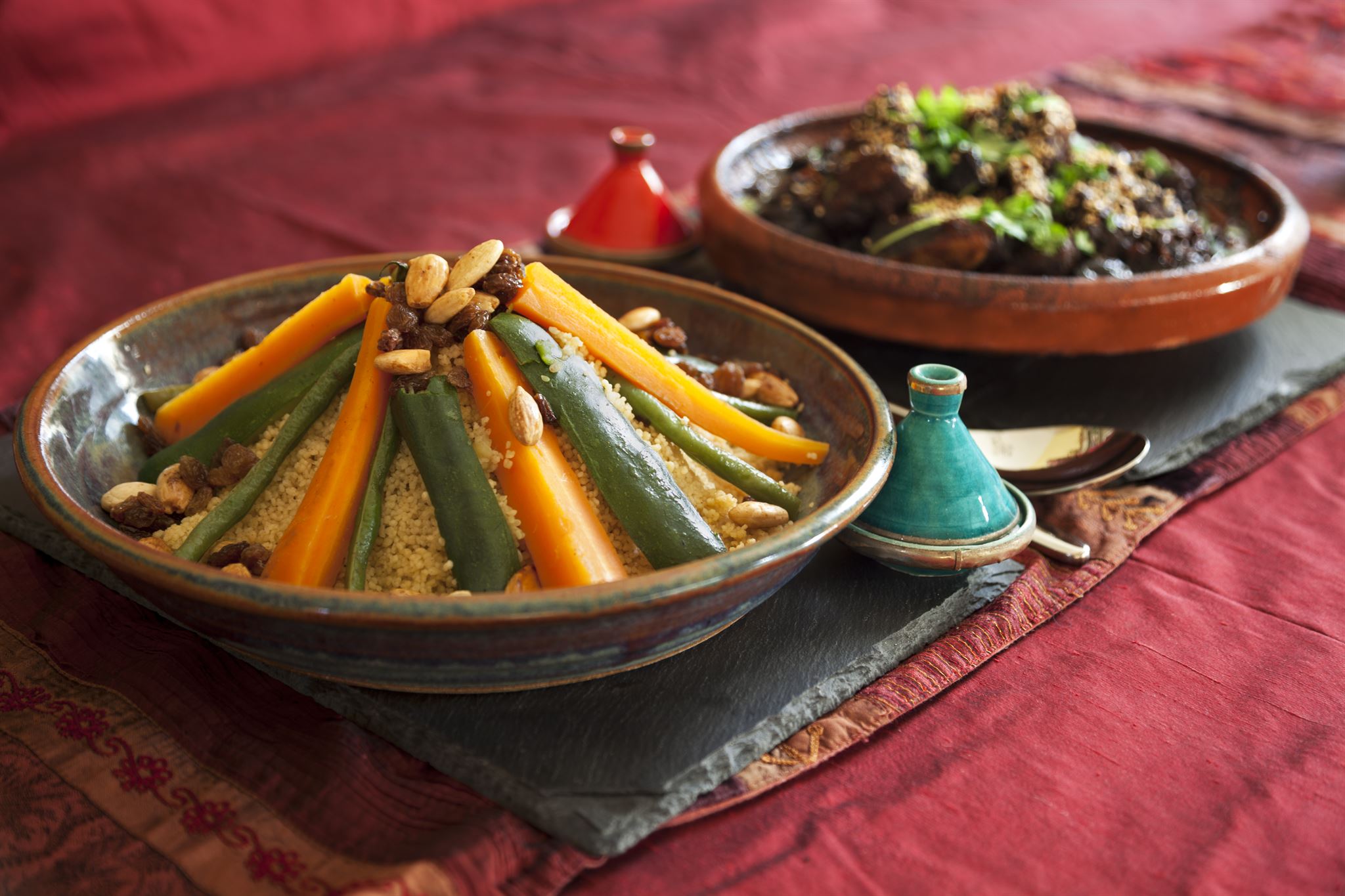
Culture & Foods
Culture: Mongolia has a rich nomadic heritage and strong traditions. Respect for local customs and etiquette is crucial, especially regarding hospitality.
Foods:
- Buuz: Steamed dumplings filled with meat, a traditional Mongolian dish.
- Khuushuur: Fried meat pastries, often served during festivals.
- Mongolian Milk Tea: A staple drink made from black tea, milk, and salt.
- Airag: Fermented mare's milk, a traditional beverage.
Others
By keeping these points in mind, you’ll be well-prepared for your business trip to Mongolia. Safe travels! Time Zone: GMT+8.
Transport: Domestic route network via MIAT, Aero Mongolia; urban transport includes taxis and ride-hailing apps.
Climate: Continental—cold winters (below –20 °C), warm summers (20–30 °C); dress accordingly.