Malaysia
Entry Visa
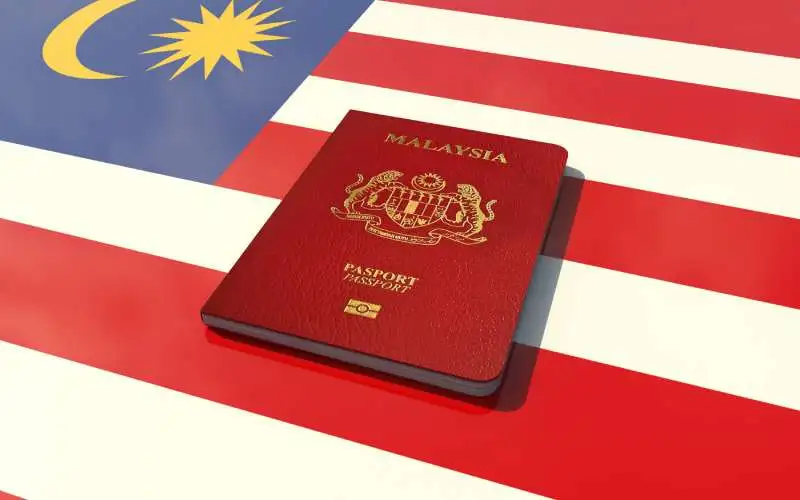
Visa Requirements: Many nationalities can enter Malaysia visa-free for short stays (usually up to 90 days). Check specific requirements based on your nationality.
Documents Required: A valid passport (with at least six months of validity) and proof of onward travel may be required.
Malaysia's immigration uses QR codes for faster clearance, requiring users to download and register on either the MyNIISe or MyBorderPass app to generate a QR code for scanning at designated lanes. This system is currently being trialed at specific land checkpoints and airports for both Malaysians and foreigners and is meant to supplement, not replace, a physical passport.
Major Airports
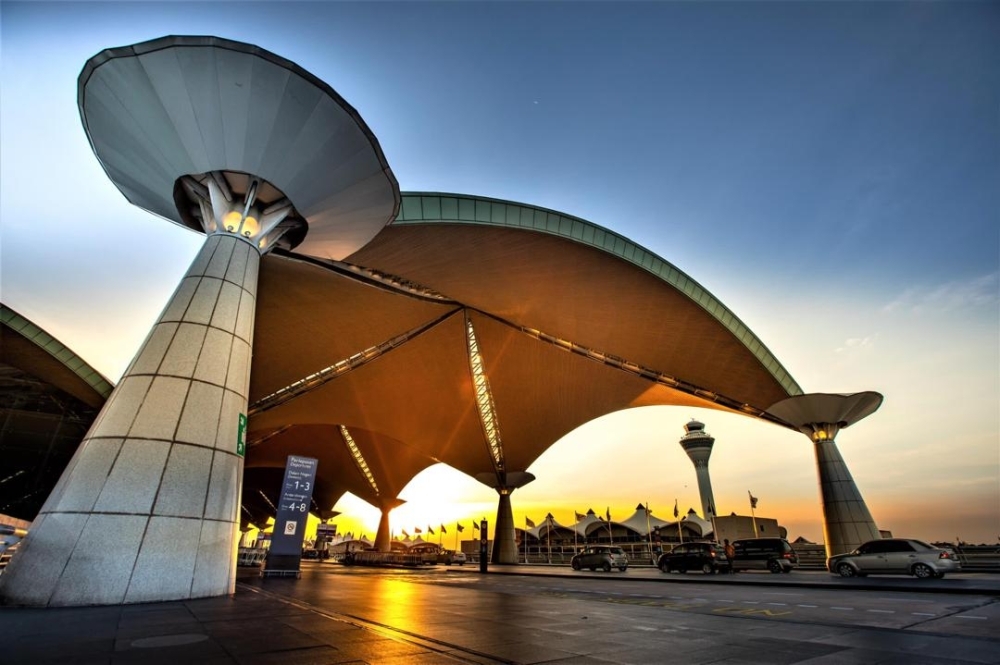
Kuala Lumpur International Airport (KUL) is the primary international gateway.
Facilities: These include duty-free shops, restaurants, cafés, lounges, and currency exchange services. Free Wi-Fi is available throughout most terminals, and transport options like taxis, ride-hailing apps, and airport rail links are easily accessible.
Money Exchange
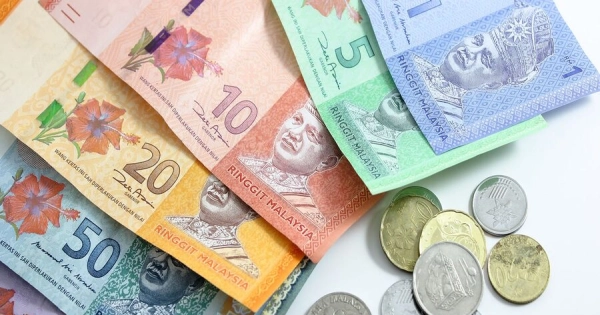
Currency: Malaysian Ringgit (MYR).
Exchanging Money: Currency can be exchanged at banks, licensed money changers, and at airports. Rates are often better at authorized exchange centers in cities than at airports. ATMs are widely available and accept most international cards. Credit and debit cards are commonly accepted in urban areas, hotels, and larger stores, though cash is still preferred in rural areas and small businesses.
DO NOT exchange money at KLIA airport, they give bad rates! You might lose 15-20% compared to the rates offered at shopping malls / hotels.
Dress Code
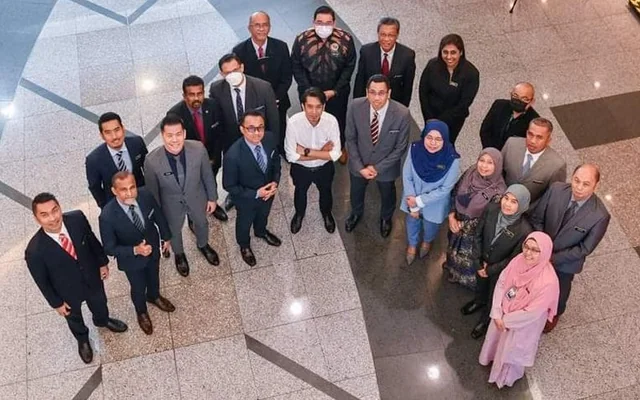
Business attire is generally formal.
For Men: Dress shirts and slacks, with ties often recommended.
For Women: Professional dresses or blouses with skirts/slacks. Modest clothing is appreciated, particularly when visiting cultural sites.
Language
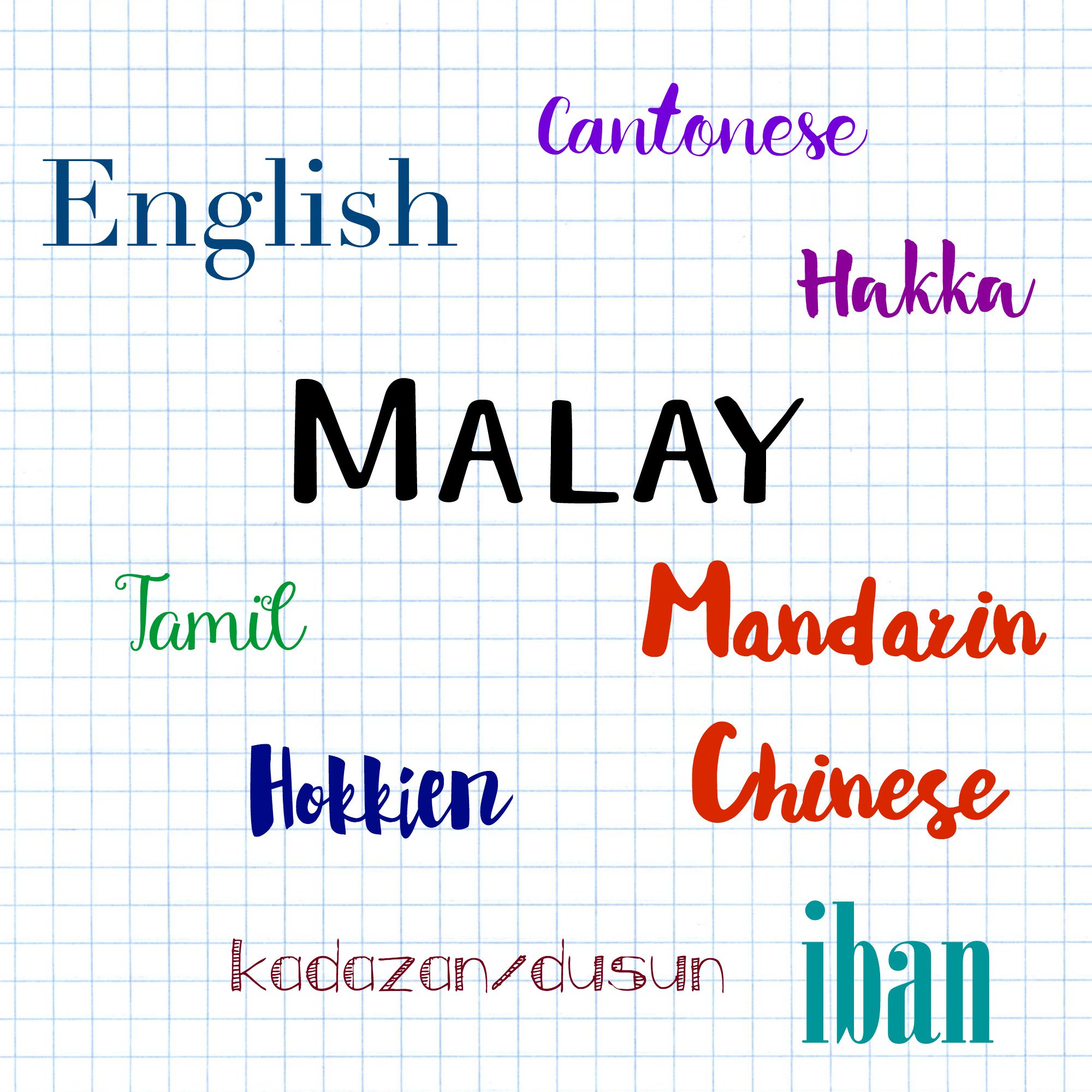
Malay (Bahasa Malaysia) is the official language and is used in government, education, and daily life. However, English is widely spoken, especially in business, tourism, and urban areas. Most professionals, service staff, and younger Malaysians are fluent in English, making communication relatively easy for visitors. Other commonly spoken languages include Mandarin, Cantonese, and Tamil, reflecting the country's multicultural population.
Basic Malay Phrases
Apa khabar (ah-pa ka-a-bar) = How are you?
Terima kasih (te-ree-mah ka-seh) = Thank you
Ya (yah) = Yes
Tidak (tee-dak) = No
Selamat jalan (s’la-mat zha-lan) = Goodbye
Bagus (bah-goos) = Good / Great
Maaf (mah-af) = Sorry / Excuse me

Mobile Phone
International Dialing: To call Malaysia from abroad, use +60. For local calls, just dial the number.
Local SIM Cards: Available from providers like Digi, Maxis, and Celcom, offering various data plans.
High smartphone penetration: Smartphone adoption in Malaysia reached over 99% as of Q3 2024, exceeding the overall Asia-Pacific region's rate.
Growing 5G adoption: The commercial rollout of 5G is a key driver for consumer upgrades, with projections showing 5G-capable devices will account for a significant portion of shipments. Telcos are promoting affordable 5G devices and plans to accelerate this adoption.
Strong brand presence: Apple and Samsung lead the market in share by sales value, but Chinese brands like Xiaomi, Vivo, and Transsion are seeing strong growth with competitive pricing and features.
Influential consumer segments: Millennials and Gen Z are the most active and dominant consumer groups, although smartphone ownership is also high among older generations.
Internet
Internet access is generally reliable throughout Malaysia. Most hotels, cafes, malls, and public areas offer free Wi-Fi, especially in urban centers. Mobile data coverage is extensive and affordable, with major providers like Celcom, Maxis, Digi, and U Mobile offering prepaid SIM cards and tourist data plans. 4G is widely available, and 5G is rolling out in major cities.


Business Hours
Government Offices: Monday–Friday, 8:00 AM–5:00 PM
Private Sector: Typically, 8:00 AM–6:00 PM
Many government offices are closed during Friday Prayers.
Most of the offices works 5 days week (Mon-Fri).
Punctuality
Punctuality is valued in Malaysia, especially in formal business settings. Arriving on time or slightly early for meetings demonstrates respect and professionalism. While some flexibility may be observed in informal settings or with senior parties, it is still advisable to be punctual to make a good impression. Delays should be communicated in advance whenever possible.
Meeting Etiquette
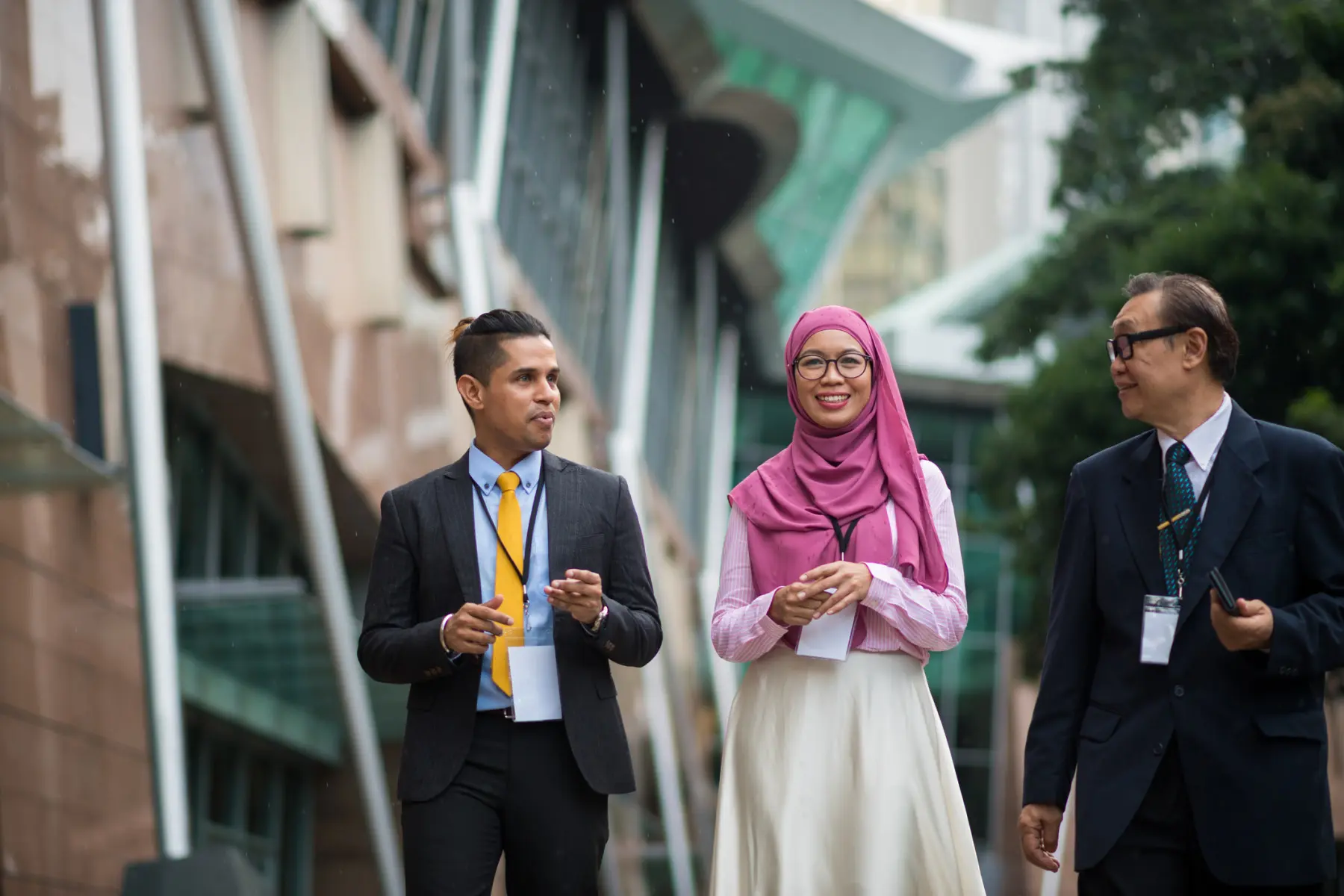
Malaysian business meetings place strong emphasis on politeness, patience, and relationship-building, with clear respect for hierarchy. While punctuality is generally expected - particularly in high level meetings. Attire should be modest and professional, and greetings should be conducted respectfully, using both hands when presenting business cards or gifts. Communication tends to be indirect, and it is important to avoid open displays of anger, as maintaining harmony and helping others “save face” are highly valued.
It is highly recommended to address people based on their official titles; "Mr., Dr., Datuk, Datuk Seri" and etc. Calling them by first and last name are only for closed friends.
Before the Meeting
- Schedule Wisely: Avoid arranging meetings on Fridays, which is a holy day for Muslims.
- Arrive on Time: While punctuality is appreciated, be prepared for some meetings to start later than scheduled.
- Dress Appropriately: Choose conservative and professional attire, as modesty is highly respected in Malaysian culture.
History of Major Football Incidents
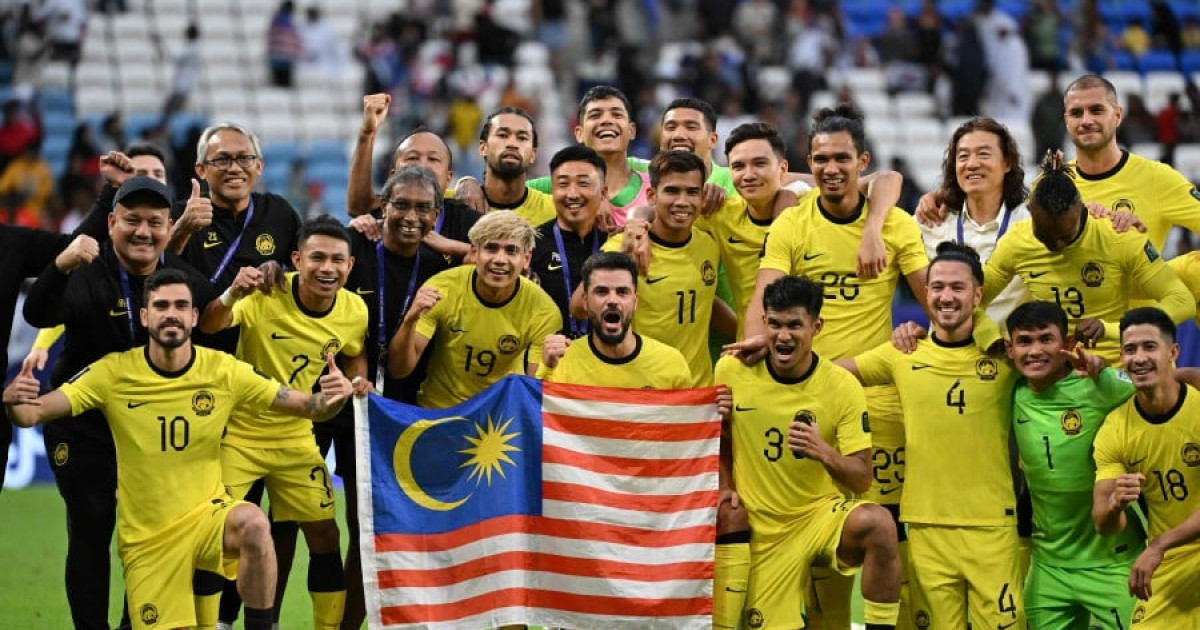
Football is one of the most popular sports in Malaysia, drawing a passionate and loyal fan base. Domestic matches, particularly those in the Malaysia Super League, attract strong local support, and historic rivalries—such as with neighboring countries—add excitement to regional tournaments. While crowd enthusiasm is high, serious incidents are rare, and matches are generally safe for spectators. The Malaysian national team competes in AFF Championship, Asian Cup qualifiers, and other regional competitions, with growing efforts to strengthen grassroots and youth development programs.
Natural Disasters
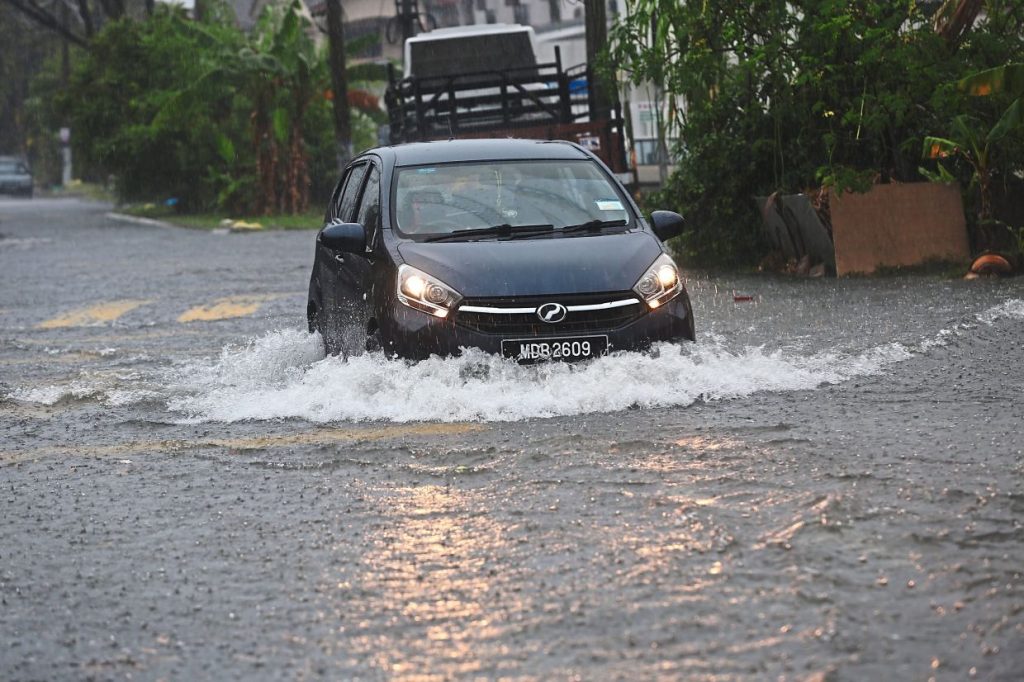
Malaysia is generally safe from major natural disasters, but it can experience heavy monsoon rains, especially from May to September. Familiarize yourself with local emergency procedures and weather conditions.
Emergency Response
🚨 Emergency Services in Malaysia
In case of emergencies in Malaysia, dial:
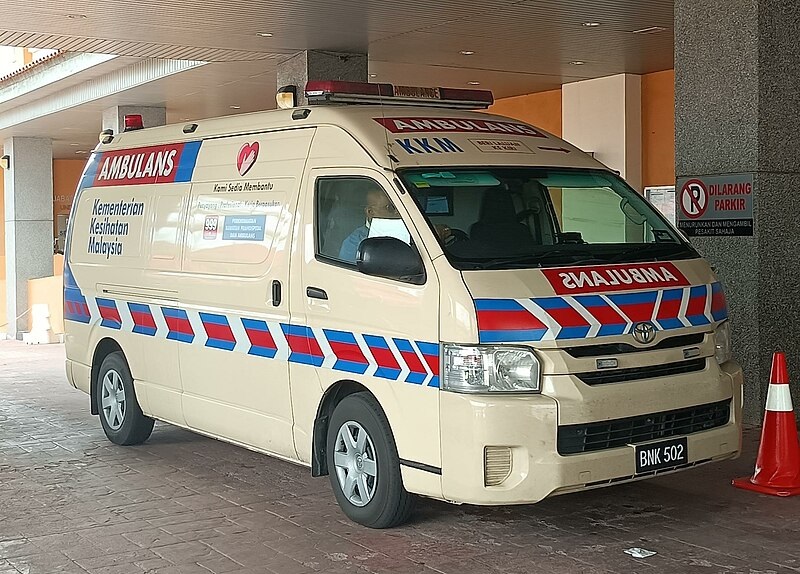
999 – Police, ambulance, and general emergencies
994 – Fire and rescue services It’s advisable to keep a list of local emergency contacts, including your embassy, accommodation, and travel provider, especially if you’re traveling outside major cities.

Medical Services
Healthcare facilities in Malaysia are generally of good quality, particularly in major cities like Kuala Lumpur, Penang, and Johor Bahru. Both public and private hospitals offer a wide range of medical services, with many doctors and staff fluent in English. For travelers, it is highly recommended to have comprehensive travel insurance that covers medical emergencies, as private healthcare costs can vary. Rural areas may have more limited services, so plan accordingly if traveling off the beaten path.
Pharmacies
💊 Pharmacies in Malaysia
Pharmacies are widely available and generally well-stocked throughout Malaysia. You can find both prescription and over-the-counter (OTC) medications easily, especially in urban centers, malls, and near clinics or hospitals.
Major Pharmacy Chains in Malaysia
1. Guardian – One of Malaysia’s largest pharmacy chains with hundreds of outlets; offers a wide range of medications, health, and beauty products.
2. Watsons – Popular for both OTC medicines and personal care items; many branches located in shopping malls and transit hubs.
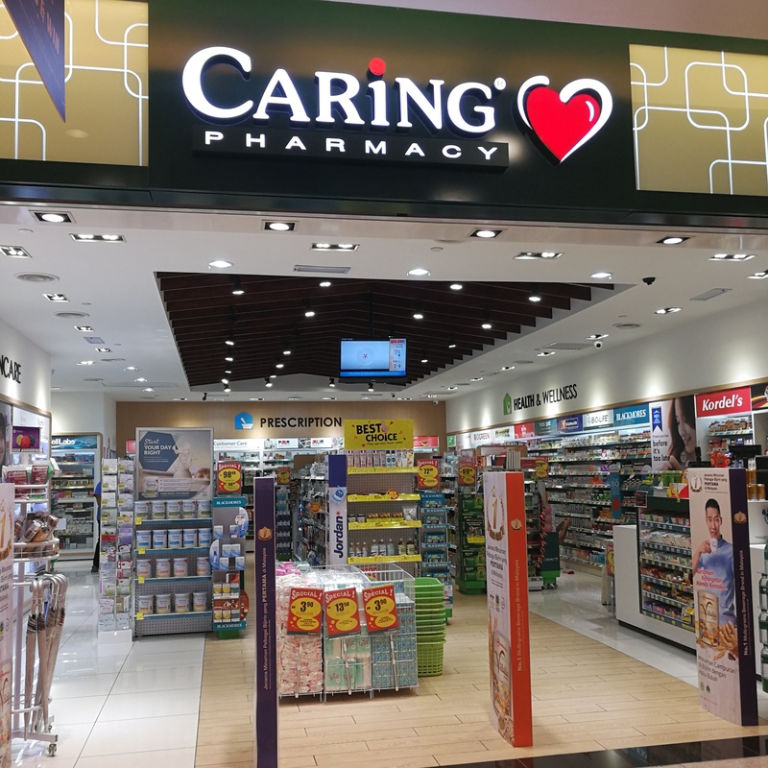
3. Caring Pharmacy – Known for its professional in-store pharmacists, health products, and prescription services; also offers online ordering and delivery.
4. Alpro Pharmacy – Offers personalized pharmaceutical services, including prescription support and health consultations.
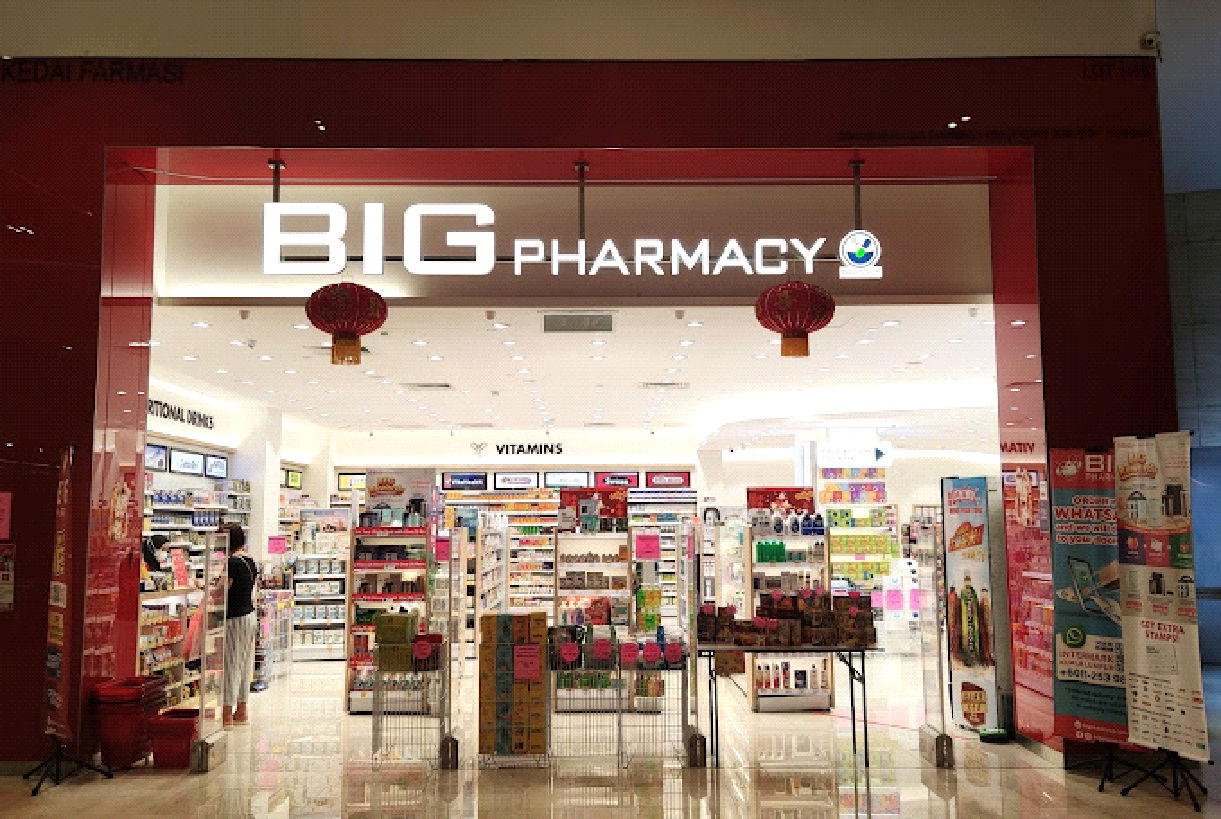
5. Big Pharmacy – Expanding chain with competitive prices on health supplements, baby care, and OTC meds.
Other options: Smaller independent pharmacies and local outlets are common and typically reliable. Pharmacies are often open until late, and some offer 24-hour service in major cities. Online & delivery apps: Many chains offer home delivery through apps like Guardian MY, Watsons MY, Alpro Pharmacy Online, or GrabMart in urban areas.
🩺 Common Over-the-Counter Medicines in Malaysia
1. Paracetamol (Panadol) – Widely used for fever, headaches, and sore throat relief; very accessible.
2. Ibuprofen (Advil, Nurofen) – Popular for pain and inflammation; follow dosage instructions carefully.
3. Decongestants (e.g., pseudoephedrine) – Help relieve nasal congestion, but may not be suitable for people with high blood pressure.
4. Throat lozenges & sprays (e.g., Strepsils) – Provide temporary relief for sore throats and mild irritation.
5. Cold & flu combinations (e.g., Decolgen, Actifed) – Multi-symptom relief combining analgesics, antihistamines, and decongestants; useful but read labels to avoid overdosing. Antihistamines (e.g., loratadine, cetirizine) – Commonly used for allergies, colds, or hay fever.
6. Stomach remedies (e.g., charcoal tablets, antacids) – Easily available for indigestion, gas, or mild diarrhea.
Culture & Foods
Culture: Malaysia is a multicultural country with influences from Malay, Chinese, Indian, and indigenous cultures. Respect for local customs and traditions is essential, especially regarding religion.
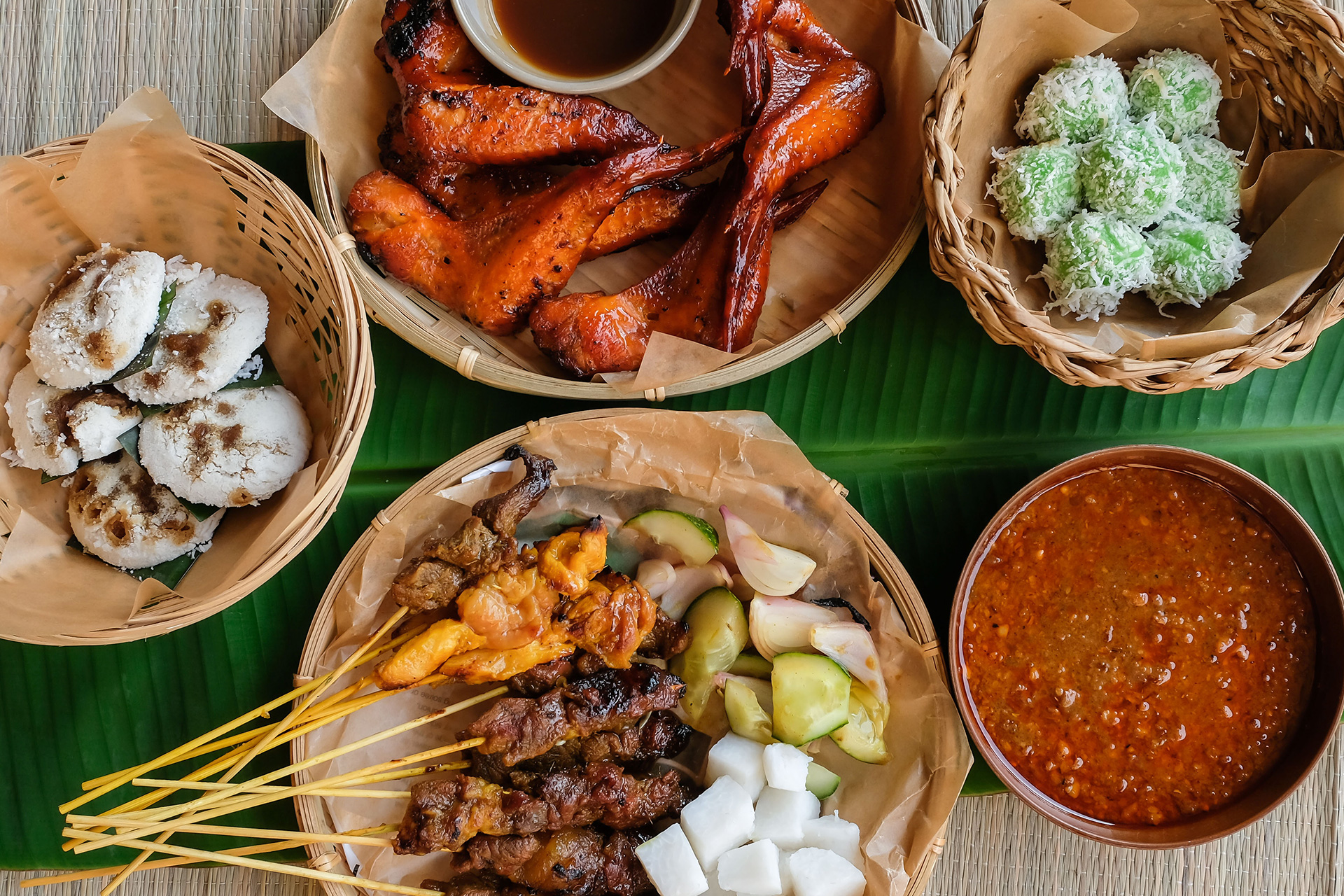
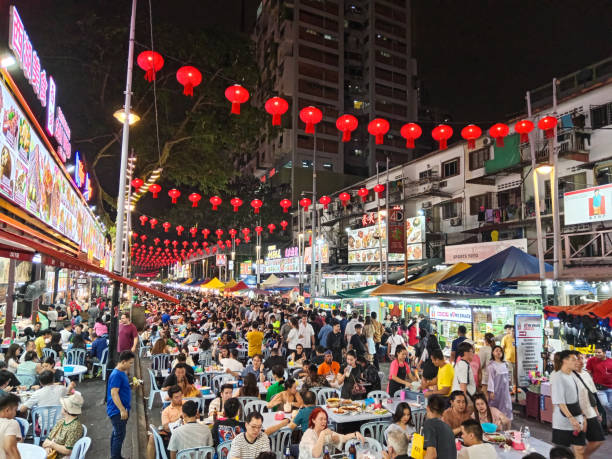
Jalan Alor is a famous 500-meter food street in Kuala Lumpur's Bukit Bintang district, known for its wide variety of Malaysian, Chinese, and Thai street foods. Must-try dishes include grilled chicken wings from places like Wong Ah Wah, char kway teow (stir-fried flat rice noodles), satay skewers with peanut sauce, diverse seafood options such as steamed mussels and chilli crab, and local desserts like mango sticky rice and coconut ice cream. The street buzzes with open-air stalls and restaurants, offering an affordable and authentic culinary experience.
🍽️ Foods in Malaysia
Malaysia is a food lover’s paradise, known for its vibrant street food culture and dishes influenced by Malay, Chinese, Indian, and indigenous traditions. Meals are flavorful, often spicy, and commonly shared family-style. You’ll find everything from hawker stalls to fine dining across the country.
🇲🇾 Local Dishes to Try:
1. Nasi Lemak – Fragrant rice cooked in coconut milk, served with sambal, fried anchovies, boiled egg, cucumber, and peanuts. Often accompanied by fried chicken or rendang.
2. Roti Canai – Flaky, crispy flatbread served with dhal, chicken curry, or fish curry; popular for breakfast. 3. Char Kway Teow – Smoky stir-fried flat rice noodles with prawns, Chinese sausage, egg, bean sprouts, and chives.
4. Laksa – A spicy, flavorful noodle soup. Variants include: Curry Laksa (with coconut milk) Asam Laksa (sour, tamarind-based broth with mackerel)
5. Satay – Skewered and grilled marinated meat (usually chicken or beef), served with peanut sauce, rice cakes, cucumber, and onions.
6. Mee Goreng Mamak – Indian Muslim–style fried yellow noodles with soy sauce, chili, vegetables, tofu, egg, and meat or seafood.
7. Hainanese Chicken Rice – Poached chicken served with fragrant rice, garlic-chili sauce, and light soy sauce.
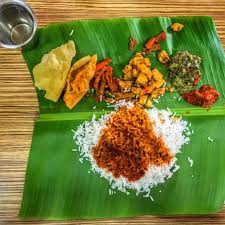
8. Nasi Kandar – Rice served with a variety of curries and side dishes, typically found in Indian Muslim eateries.
9. Rendang – A rich, dry-style spicy beef stew cooked with coconut milk and spices; originally from Indonesia but widely loved in Malaysia.
10. Maggi Goreng – Instant noodles stir-fried with egg, vegetables, and meat—popular in local mamak stalls.
🍮 Desserts and Snacks:
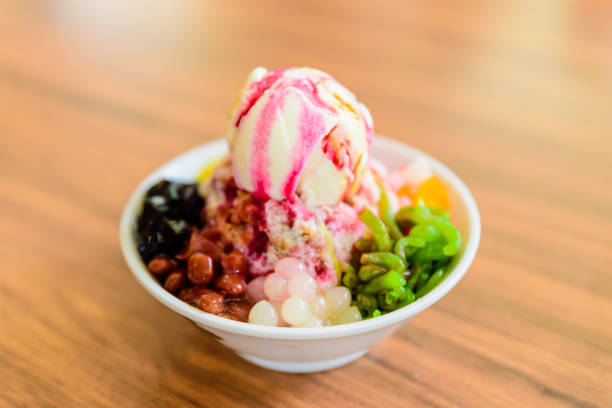
1. Cendol – Shaved ice dessert with green rice jelly, coconut milk, and palm sugar syrup. Ais Kacang – Colorful mound of shaved ice with red beans, sweet corn, jelly, syrup, and condensed milk.
2. Kuih – A variety of bite-sized traditional sweets and snacks made from rice flour, coconut, and pandan.
3. Pisang Goreng – Deep-fried banana fritters, crispy outside and soft inside.
4. Apam Balik – Thick or thin folded pancakes filled with crushed peanuts, sugar, and sweet corn.
☕ Drinks to Try:
1. Teh Tarik – Malaysia’s famous “pulled tea” with creamy, frothy milk.
2. Kopi – Strong local coffee, often sweetened with condensed milk.
3. Milo Dinosaur – Iced Milo drink topped with extra Milo powder (a local favorite).
4. Sirap Bandung – Sweet rose syrup drink mixed with evaporated milk, served cold.
5. Sugarcane juice and coconut water – widely available and refreshing in the tropical heat.
Others
By keeping these points in mind, you’ll be well-prepared for your business trip to Malaysia. Safe travels!
Time Zone: GMT+8
Transport: Grab Car is the most convenient way of moving around within the city. You need to download the mobile apps. Though there are several other mode of public transport, it is not advisable as the service are less than ideal.
Climate: Equatorial tropical climate hot and humid year-round (25–32 °C), with higher rainfall from November to February. Evening (4-6pm downpour is very common in Kuala Lumpur).