Lebanon
Entry Visa
Visa Requirements: Many nationalities can obtain a visa on arrival for up to 30 days. However, check specific requirements based on your nationality, as some may need to apply for a visa in advance.
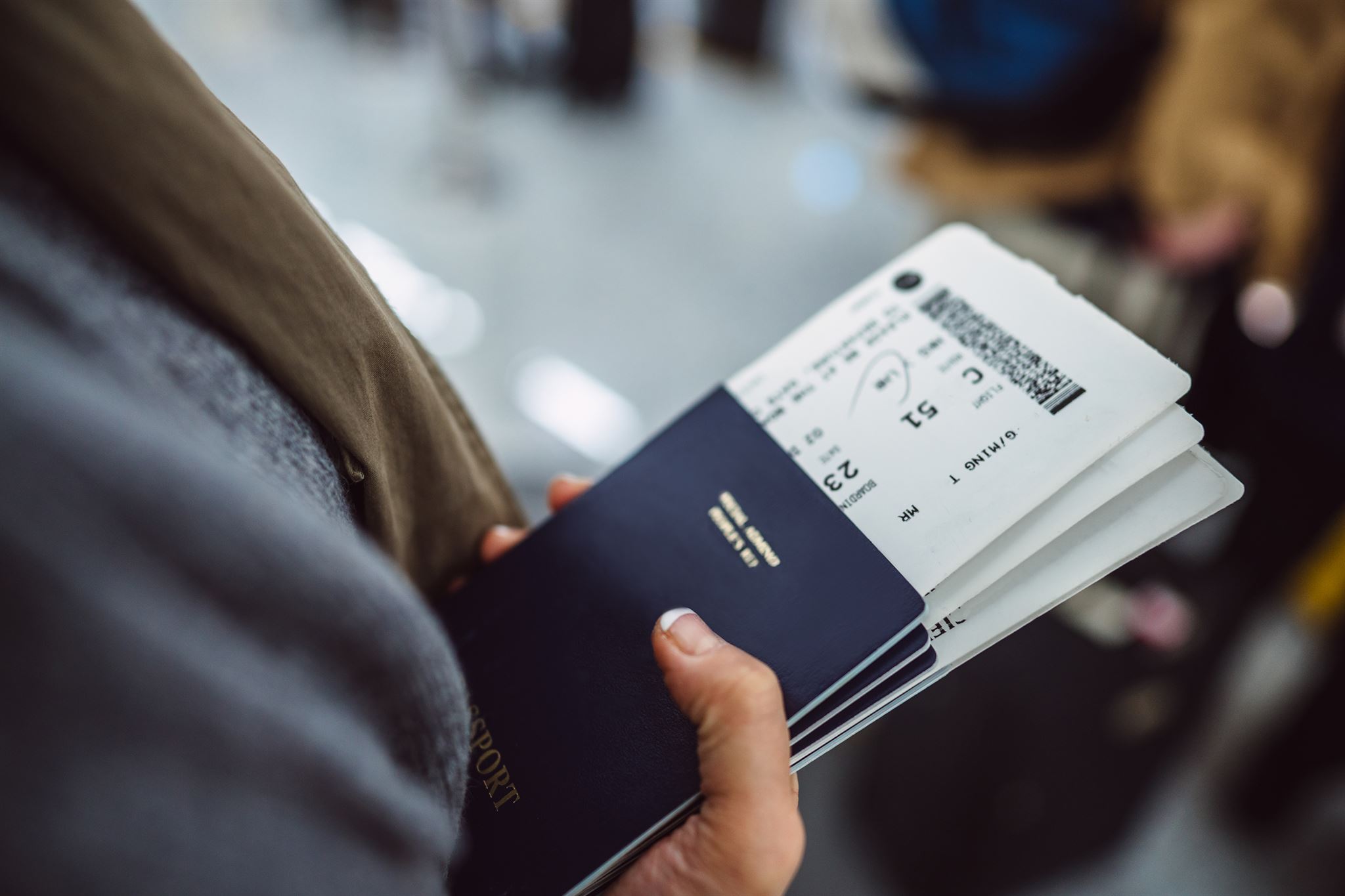
Documents Required: A valid passport (with at least six months of validity), a return ticket, and proof of accommodation.
Major Airports
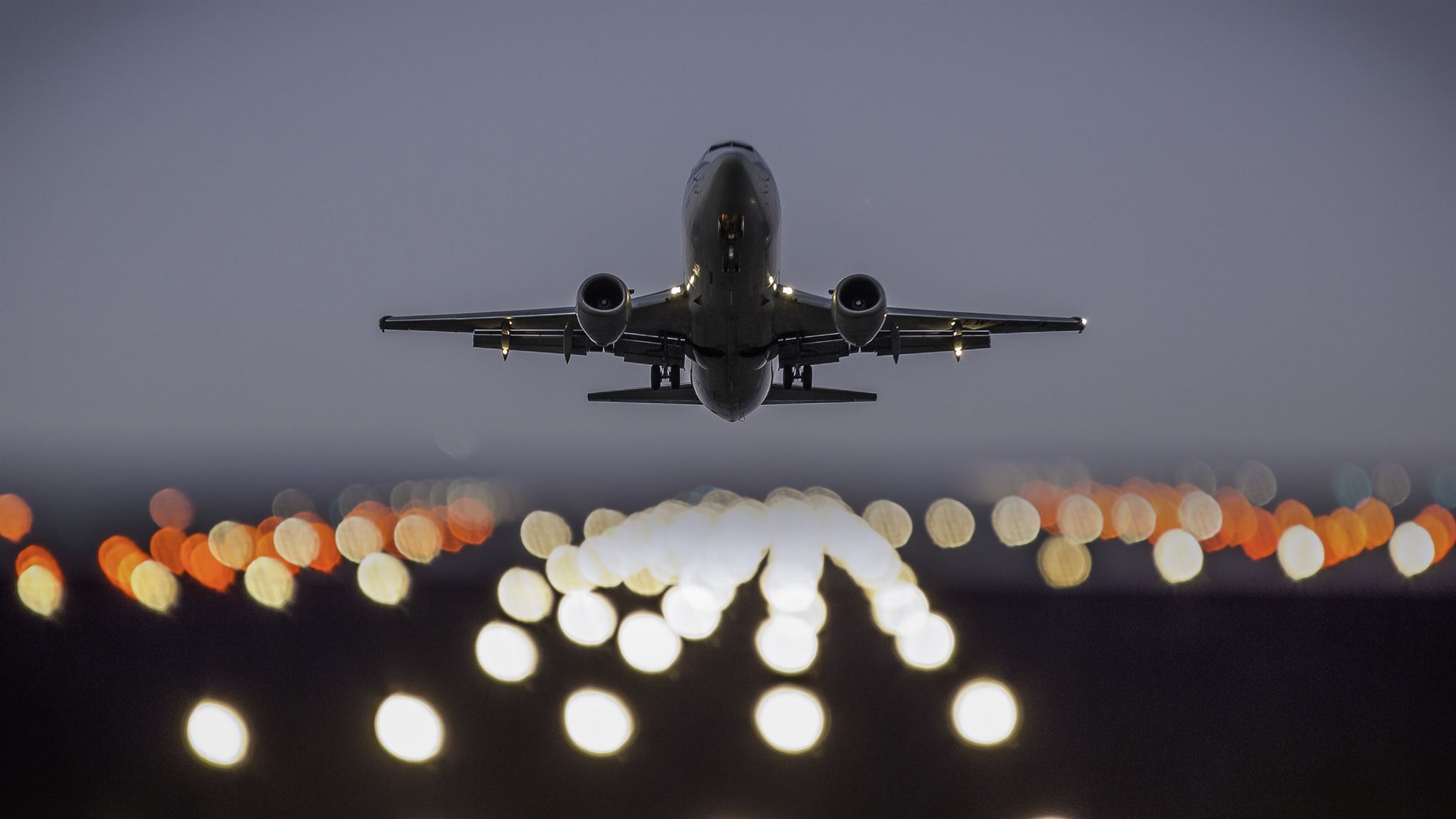
Beirut Rafic Hariri International Airport (BEY) is the main international gateway.
Facilities: The airport has various amenities, including duty-free shops, restaurants, and currency exchange. Free Wi-Fi is available.
Money Exchange
Currency: Lebanese Pound (LBP).
Exchanging Money: Currency can be exchanged at banks, authorized money exchange offices, and the airport. ATMs are available, but be cautious as they may not always dispense Lebanese Pounds.
Dress Code
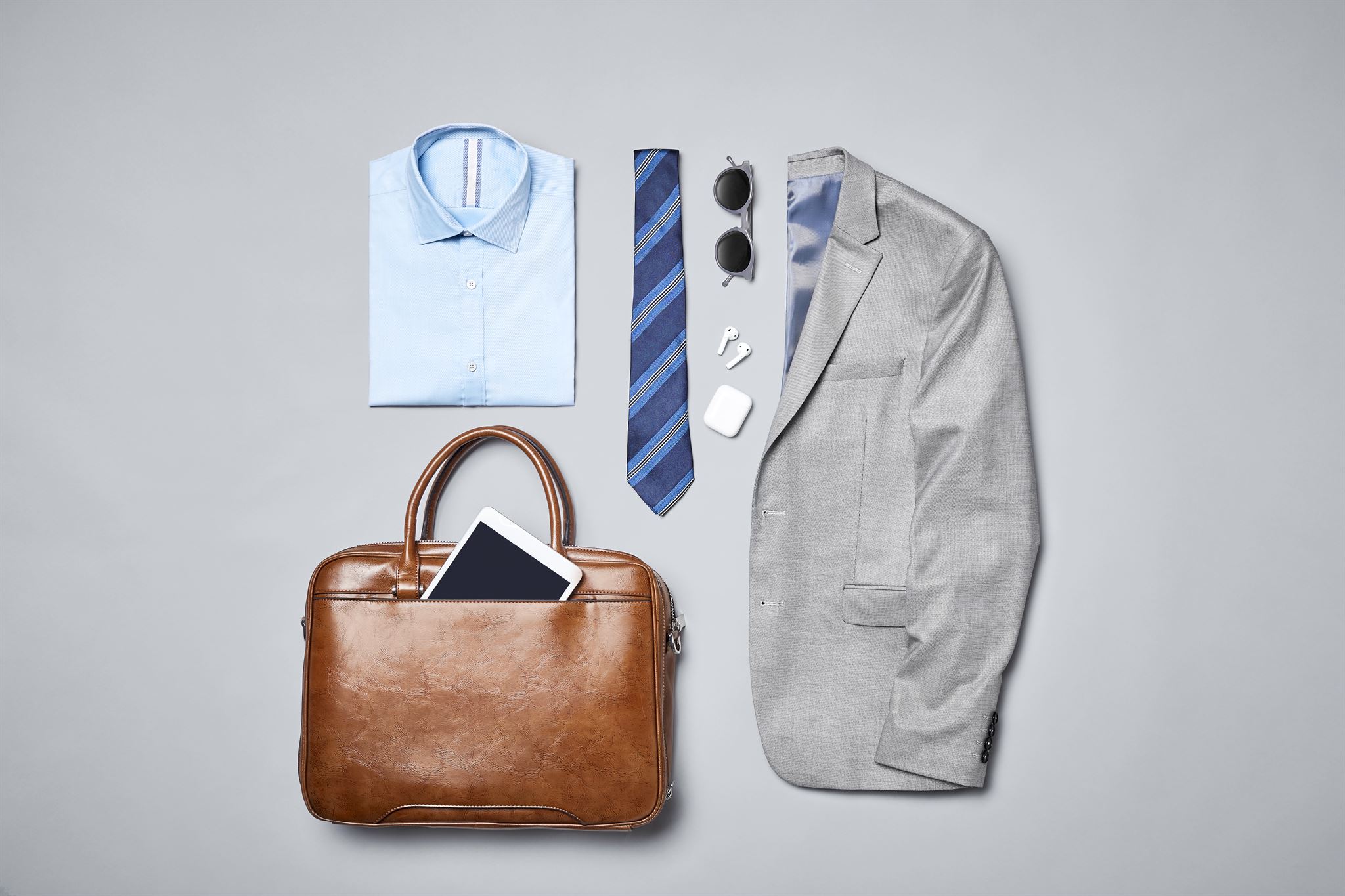
Business attire is generally formal.
Men: Suits or dress pants with collared shirts; ties are typically expected.
Women: Professional dresses or blouses with skirts/slacks. Modesty is appreciated, especially in conservative areas.
Language
Arabic is the official language, but English and French are widely spoken, especially in business contexts.

Telephone
International Dialing: To call Lebanon from abroad, use +961. For local calls, just dial the number.
Local SIM Cards: Available from providers like Touch and Alfa, offering various data plans.
Internet
Internet access is generally available, with many hotels, cafes, and public places offering free Wi-Fi. Mobile data coverage is also extensive.


Business Hours
Government & Private Offices generally open Monday–Friday, 8:00 AM–5:00 PM.
some businesses close early on Fridays. with some businesses open on Saturdays.
Government offices generally close on weekends.
Punctuality
While punctuality is appreciated, there can be some flexibility in timing. It’s best to arrive on time for meetings.

Meeting Etiquette
Meetings often begin with greetings and small talk. Use formal titles and last names until invited to use first names. Exchanging business cards is customary; present and receive them with both hands.
History of Major Football Incidents
Football is popular in Lebanon, with local clubs and a national league. There have been incidents related to football matches, particularly involving fan rivalries. However, the sport plays a significant role in uniting fans across diverse backgrounds.


Natural Disasters
Lebanon is prone to earthquakes, so familiarize yourself with safety protocols. Flooding can occur in winter months due to heavy rain.
Emergency Response
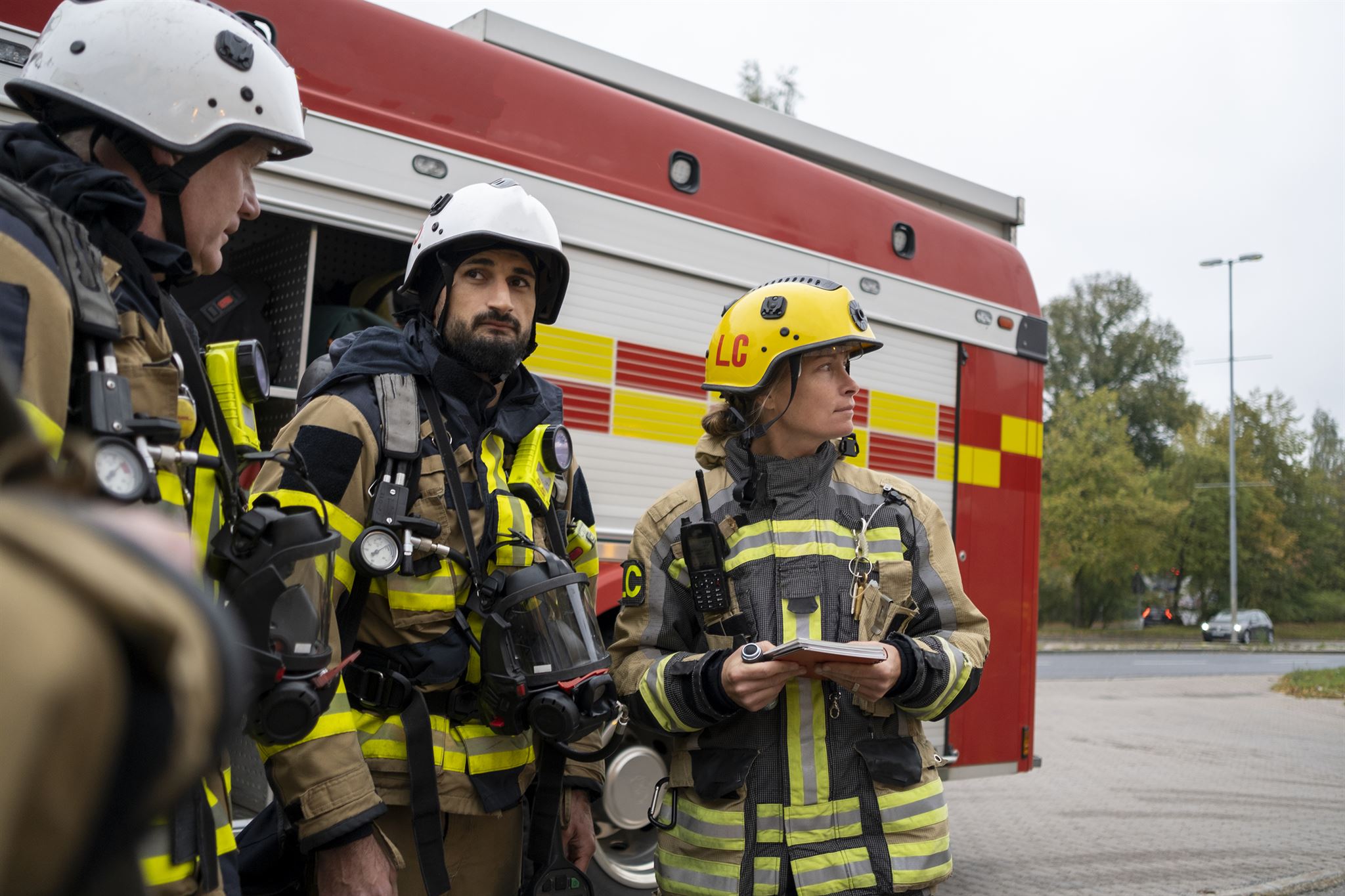
For emergencies, dial 112 for police and 125 for medical services. Keep local emergency contacts handy.
Medical Services
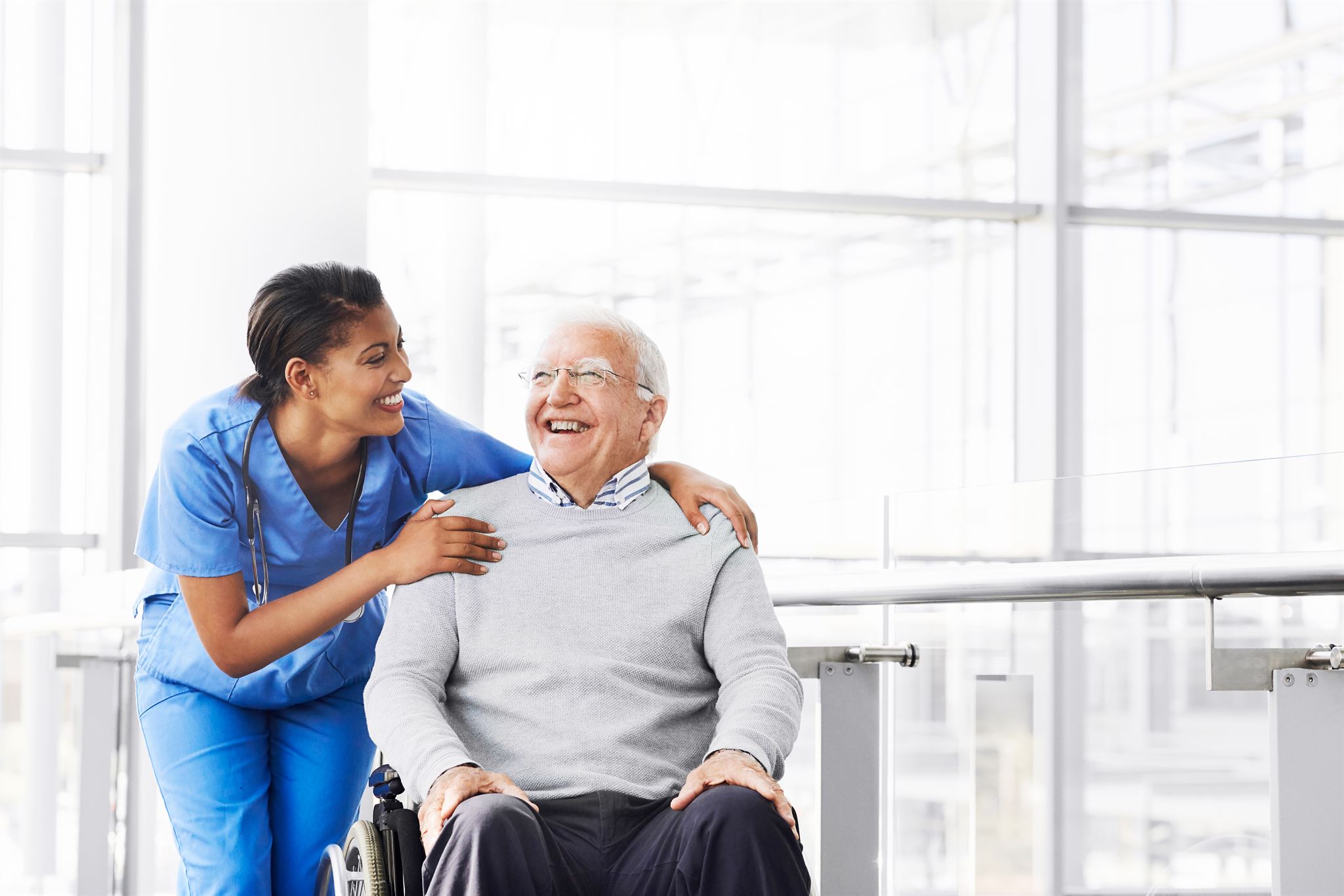
Healthcare facilities are generally good, especially in urban areas. Comprehensive travel insurance that covers medical emergencies is highly recommended.
Pharmacies
Pharmacies are widely available, offering both prescription and over-the-counter medications. It’s advisable to carry necessary medications with you.
Culture & Foods
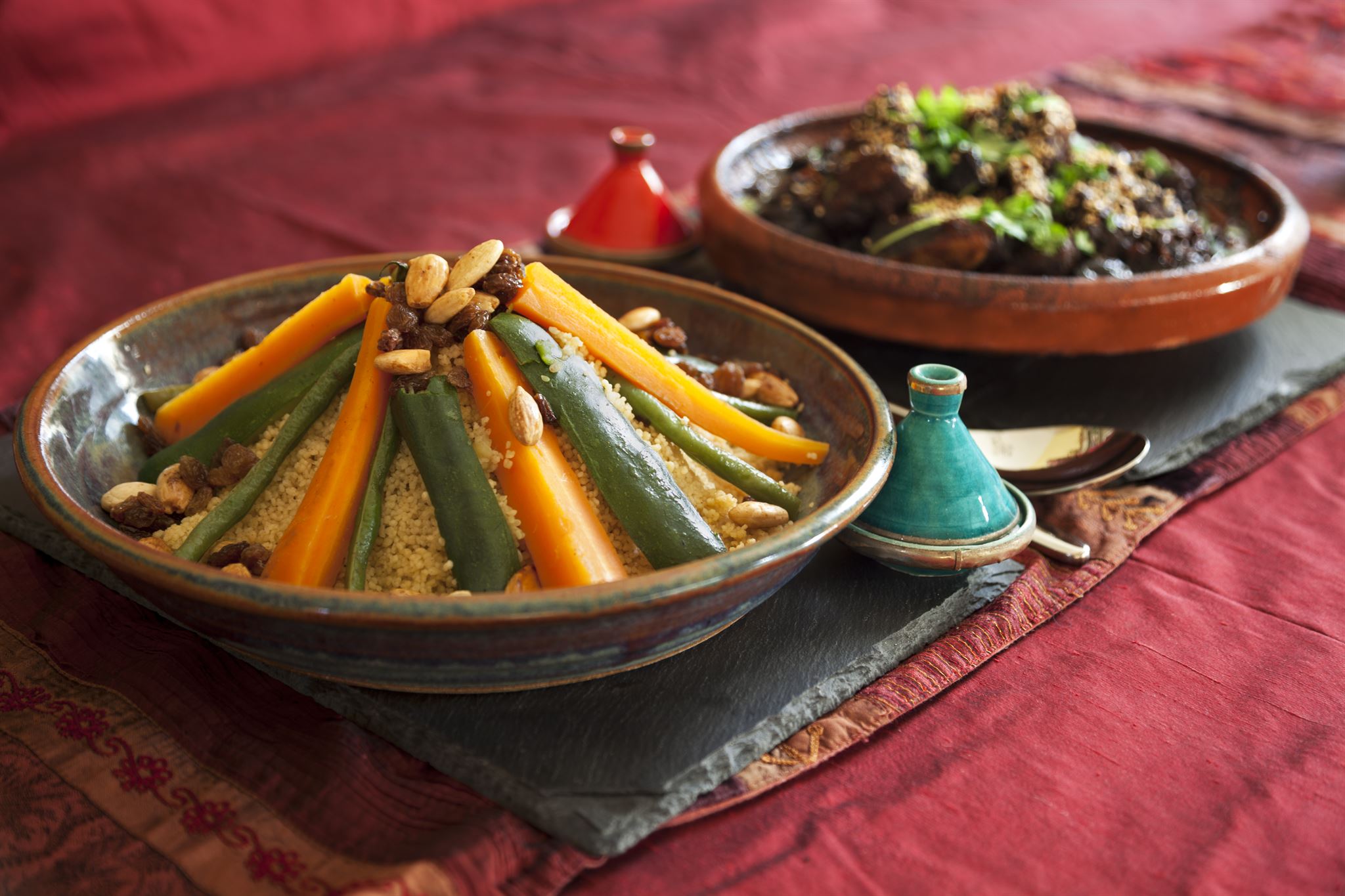
Culture: Lebanon is known for its rich history and cultural diversity, blending Arab, Mediterranean, and European influences. Respect for local customs and traditions is important.
Foods:
- Mezze: A variety of small dishes served as appetizers, such as hummus, baba ghanoush, and tabbouleh.
- Kibbeh: A traditional dish made with minced meat and bulgur wheat.
- Fattoush: A fresh salad made with mixed greens and fried bread.
- Baklava: A sweet pastry made with layers of dough and filled with nuts and honey.
Others
By keeping these points in mind, you’ll be well-prepared for your business trip to Lebanon. Safe travels!
Time Zone: GMT+2.
Transport: Taxis, buses, ride-hailing, shuttle services.
Climate: Mediterranean—hot dry summers, wet winters.