
Kuwait
Entry Visa
Visa Requirements: Most nationalities require a visa to enter Kuwait. This can often be arranged through a local sponsor (employer) in Kuwait.
Documents Required: A valid passport (with at least six months validity), a completed visa application form, a passport-sized photo, and possibly a letter of invitation from a local company.
Major Airports
Kuwait International Airport (KWI) is the main international gateway.
Facilities: The airport offers various amenities, including duty-free shops, restaurants, and currency exchange services. Wi-Fi is available.
Money Exchange
Currency: Kuwaiti Dinar (KWD), which is one of the highest-valued currencies in the world.
Exchanging Money: Currency can be exchanged at banks, authorized exchange offices, and the airport. ATMs are widely available in urban areas.


Dress Code
Business attire is typically formal.
For Men: Suits or dress pants with collared shirts; ties are generally expected.
For Women: Professional dresses or blouses with skirts/slacks. It’s advisable to dress conservatively.
Language
The official language is Arabic. English is widely spoken in business settings and urban areas.


Telephone
International Dialing: To call Kuwait from abroad, use +965. For local calls, dial the number directly.
Local SIM Cards: Available from providers like Zain, Ooredoo, and Viva, offering various data plans.
Internet
Internet access is generally good, with many hotels, cafes, and public places offering free Wi-Fi. Mobile data coverage is widespread.


Business Hours
Government: Sunday–Thursday, approx. 7:30 AM–2:30 PM
Private Sector: Sunday–Thursday, approx. 8:00 AM–5:00 PM
Many government offices may close earlier on Thursdays.
Punctuality
Punctuality is appreciated in business settings, but some flexibility may be observed. Arriving on time is recommended.


Meeting Etiquette
Meetings typically begin with small talk and greetings. Use formal titles and last names until invited to use first names. Exchanging business cards is customary; present and receive them with both hands.
History of Major Football Incidents
Football is extremely popular in Kuwait. While there have been minor incidents during matches, the sport generally fosters national pride. The Kuwait national team competes regionally and has a passionate fan base.


Natural Disasters
Kuwait is relatively stable but can experience sandstorms, especially in the spring. Familiarize yourself with local safety protocols in case of severe weather.
Emergency Response
For emergencies, dial 112 for police and 777 for medical emergencies. Keep local emergency numbers handy.

Medical Services
Healthcare services in Kuwait are generally of a high standard, particularly in urban areas. It’s advisable to have comprehensive travel insurance that covers medical emergencies.
Pharmacies
Pharmacies are widely available, offering both prescription and over-the-counter medications. Many pharmacies operate late hours and may have English-speaking staff.
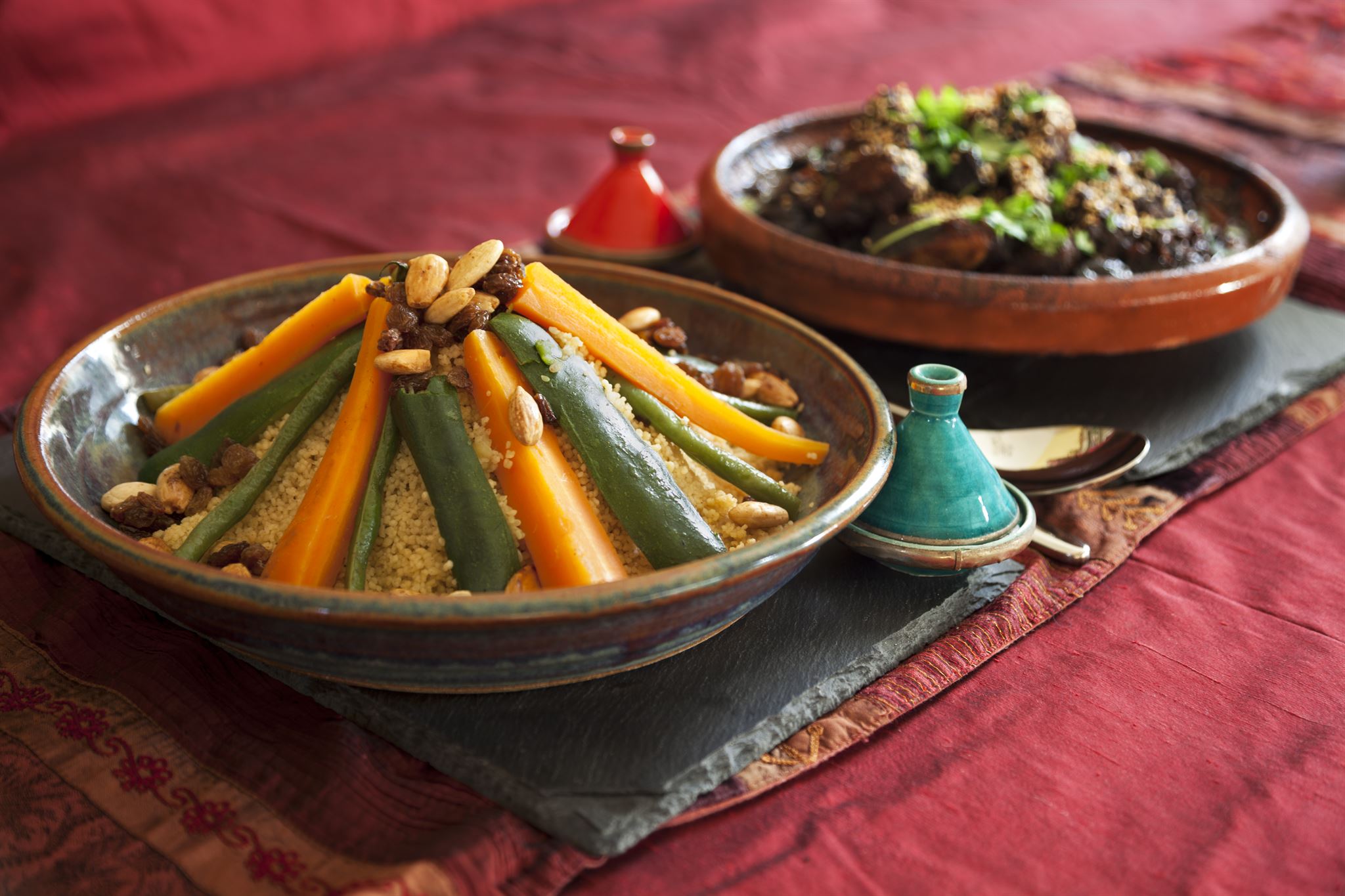
Culture & Foods
Culture: Kuwait has a rich cultural heritage, influenced by Islamic traditions. Respect for local customs and norms is essential, especially in public spaces.
Foods:
- Machboos: A traditional rice dish often served with meat or fish.
- Harees: A wheat and meat dish, commonly served during special occasions.
- Kuwaiti Falafel: Deep-fried chickpea balls, popular as a snack.
- Dates and Arabic Coffee: Commonly served as a gesture of hospitality.
Others
By keeping these points in mind, you’ll be well-prepared for your business trip to Kuwait. Safe travels!
Time Zone: GMT+3 (no daylight saving)
Transport: Extensive road network; taxis and ride-hailing services common; no national rail system.
Climate: Desert environment very hot summers (40–50 °C), mild winters (10–20 °C); sandstorms may happen.