Korea Republic
Entry Visa
Link to Visa Requirement Information
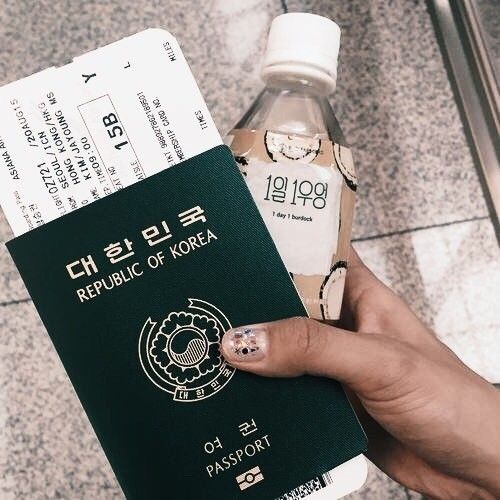
Korea Electronic Travel Authorization (K-ETA) The K-ETA is an online travel authorization for eligible nationals visiting South Korea for tourism, family visits, business meetings (excluding profit-making activities), or attending events.
- Eligibility: Check the official K-ETA website (www.k-eta.go.kr) to confirm if your country is on the visa-waiver list. A list of 22 countries, including the United States, Japan, and Taiwan, are temporarily exempt from K-ETA until the end of 2025.
- Application process: Apply online on the official K-ETA website or mobile app at least 72 hours before your flight.
- Required information: You will need your passport details, an email address, a facial photo, and a credit card for the application fee.
- Cost: The fee is 10,000 KRW (about $9 USD) plus additional card processing fees.
- Validity: An approved K-ETA is valid for multiple entries over a three-year period.
Important note: There are scam websites charging excessive fees for K-ETA applications. Use only the official government website.
Major Airports
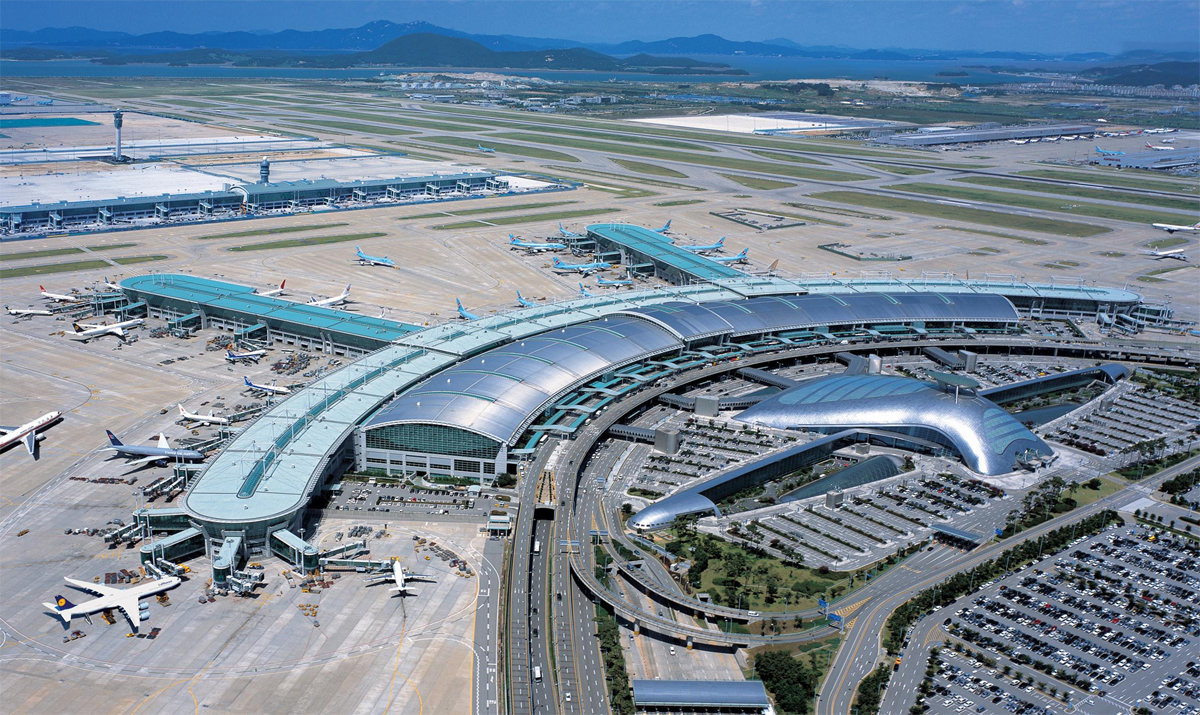
Incheon International Airport (ICN): The main international airport serving Seoul, consistently ranked among the best in the world.
Gimpo International Airport (GMP): Handles domestic flights and some international flights, located closer to the city center.
Facilities: Airports offer a wide range of amenities including lounges, restaurants, duty-free shopping, and free Wi-Fi.
Money Exchange
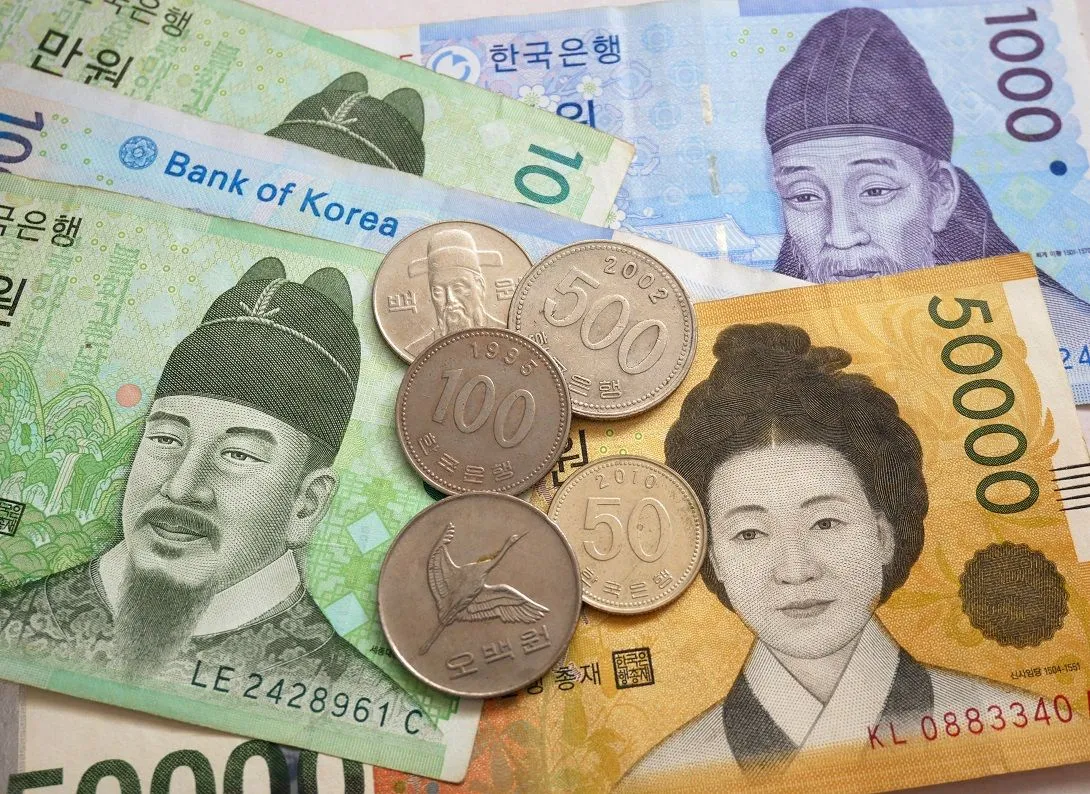
Currency: The South Korean Won (KRW) is the local currency.
Exchanging Money: Currency exchange services are available at the airport, banks, and various locations throughout cities. ATMs are common and often accept international cards.
Dress Code
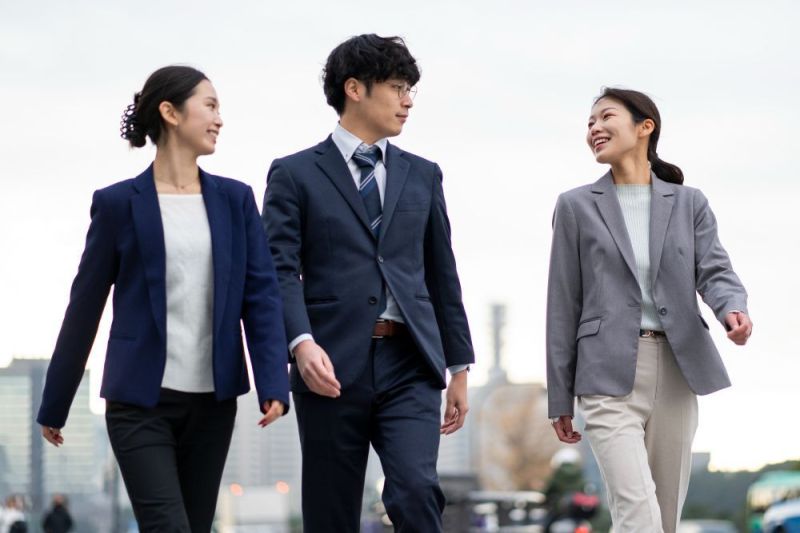
Business attire is generally formal.
Men: Suits and ties are standard.
Women: Business suits or professional dresses are appropriate. Dressing conservatively is advisable in formal business settings.
Language
Korean is the official language. English is commonly spoken in business contexts, especially in urban areas, but knowing basic Korean phrases can be beneficial.
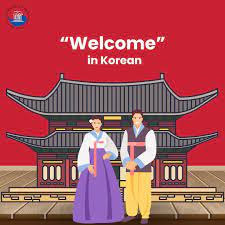
"Hello" - 안녕하세요 (annyeonghaseyo),
"Thank you" - 감사합니다 (gamsahamnida),
"Yes" - 네 (ne),
"No" - 아니요 (aniyo),
"Please" - 주세요 (juseyo),
"Excuse me" - 실례합니다 (sillyehamnida),
"Goodbye" - 안녕히 계세요 (annyeonghi gyeseyo) or 안녕히 가세요 (annyeonghi gaseyo).
Telephone
International Dialing: To call South Korea, use +82. Drop the leading zero from area codes when dialing internationally.
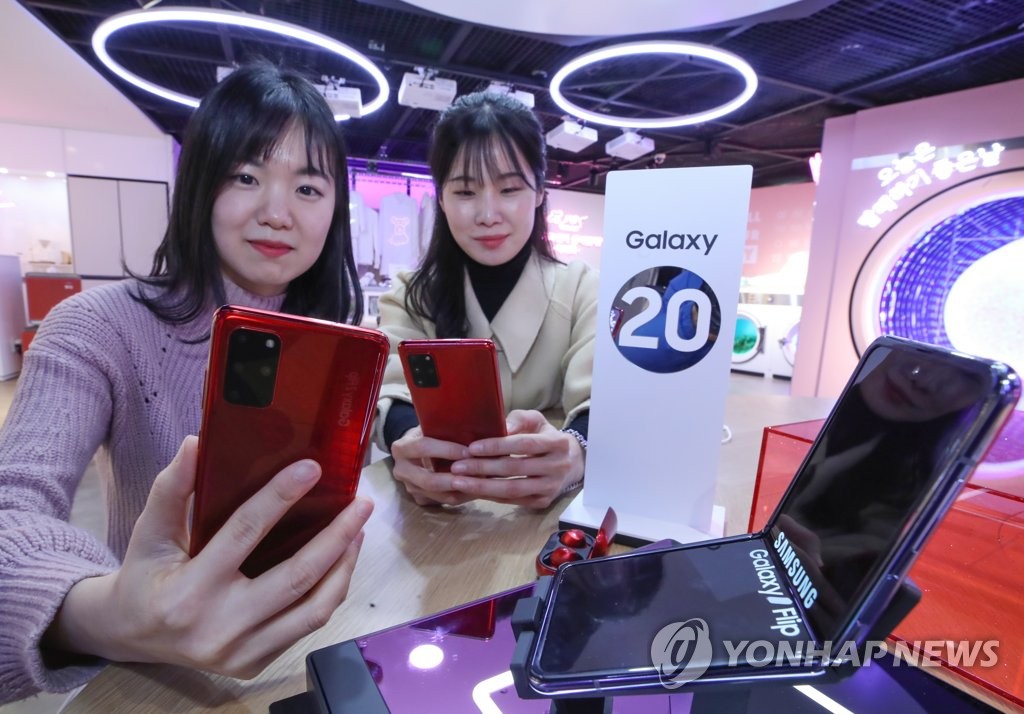
Local SIM Cards: Consider purchasing a local SIM card from providers like SK Telecom or KT for affordable data and calls.
Internet
Korea Republic has one of the world's most advanced and fastest internet infrastructures, featuring widespread 5G and fiber-optic networks. The connectivity landscape is dominated by three major providers: KT, SK Broadband, and LG U+.
Visitors can access the internet through extensive free public Wi-Fi, rented pocket Wi-Fi devices, or by purchasing a local SIM card or eSIM
Business Hours
Government: Monday–Friday, 9 AM–6 PM
Private Sector: Similar hours; some businesses open Saturdays.
Some businesses may close for lunch, usually from 12 PM to 1 PM.
Punctuality
Punctuality is highly valued in South Korean culture. Arriving on time for meetings is expected and shows respect for others' time.

Meeting Etiquette
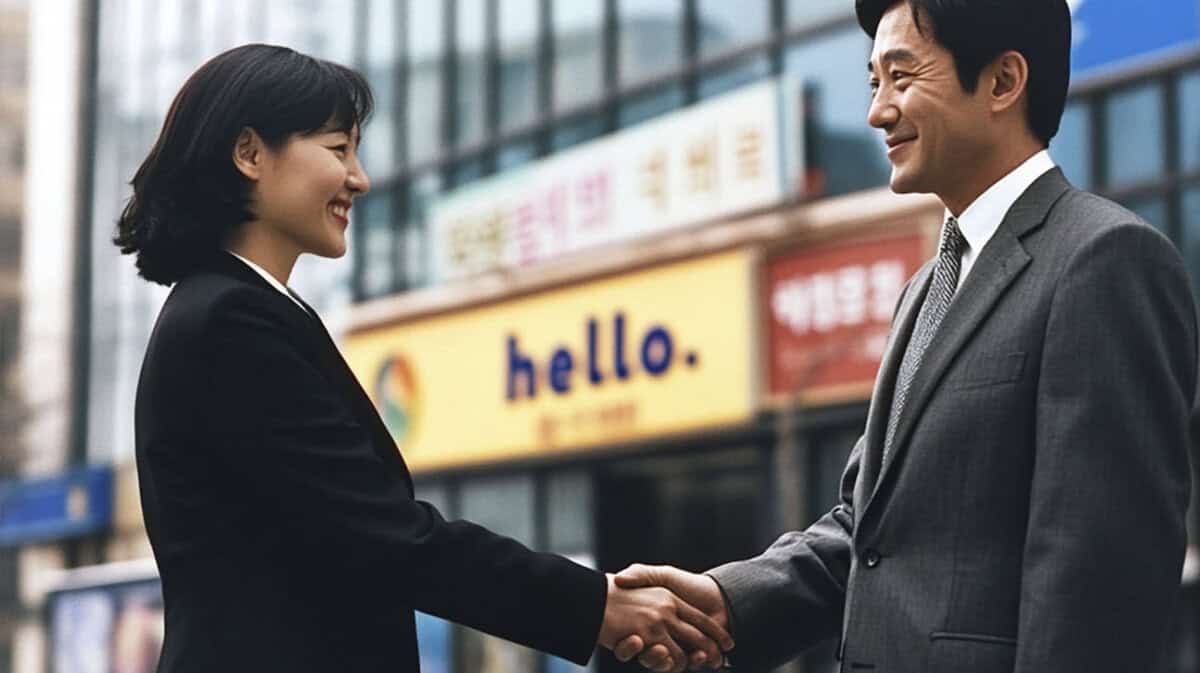
Building relationships is important. Meetings often start with formal greetings and small talk. Exchanging business cards (jeong-ui) is customary; present your card with both hands and take a moment to read the card you receive.
Bowing: A bow is a traditional and respectful greeting, often combined with a handshake, especially in formal business settings. For first meetings or with a senior, a handshake and a slight bow is appropriate.
Addressing colleagues: Address colleagues by their title and last name (e.g., "Director Kim"), and use the honorific "-nim" (님) for extra respect. Never use first names unless explicitly invited to do so.
Initial conversation: The first meeting is often for introductions and relationship-building, not immediate decisions. Be prepared to engage in small talk before discussing business.
History of Major Football Incidents
Major football culture and incidents in Korea Republic
South Korean football culture is characterized by passionate and organized fan support, especially for the national team, but it has also faced challenges such as the 2011 K League match-fixing scandal.
2002 FIFA World Cup
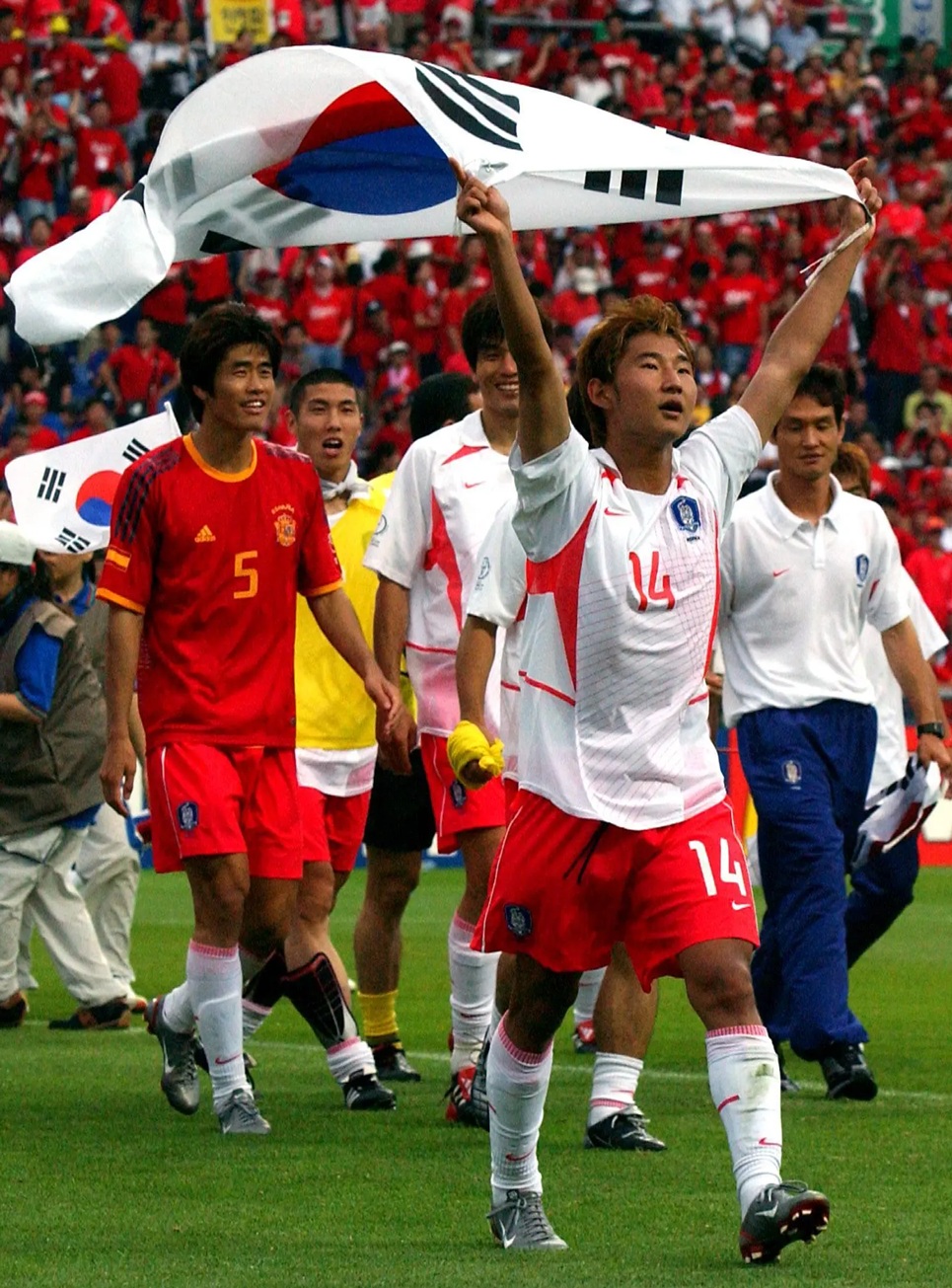
The 2002 FIFA World Cup, co-hosted by South Korea and Japan, was a watershed moment for Korean football, propelling the national team to the semi-finals and fueling widespread passion for the sport. The tournament also sparked significant infrastructure developments, including the construction of modern stadiums.
Red Devils
The Red Devils, the official supporters' group for the South Korean national football team, are renowned for their enthusiastic and well-organized cheering. They are considered the "12th member" of the team and are known for their signature "Dae~han Minguk!" cheer and use of percussion instruments like the Korean drum, buk. The phrase "Be the Reds!" became a national symbol popularized on T-shirts during the 2002 World Cup, reflecting the team's red jersey color and supporters' passionate nature. This organized cheering culture contributed to the development of the FIFA Fan Festival.
K League and Rivalries
The K League, the top professional football league in South Korea, boasts one of the highest attendance rates per capita in Asia. The league features several intense rivalries, including:
Super Match: Between FC Seoul and Suwon Samsung Bluewings.
East Coast Derby: Between Pohang Steelers and Ulsan Hyundai.
Gyeongin Derby: Between Incheon United and FC Seoul.
Hyundai Derby: Between Ulsan Hyundai and Jeonbuk Hyundai Motors.
Legendary Match: Between Jeonbuk Hyundai Motors and FC Seoul
Natural Disasters
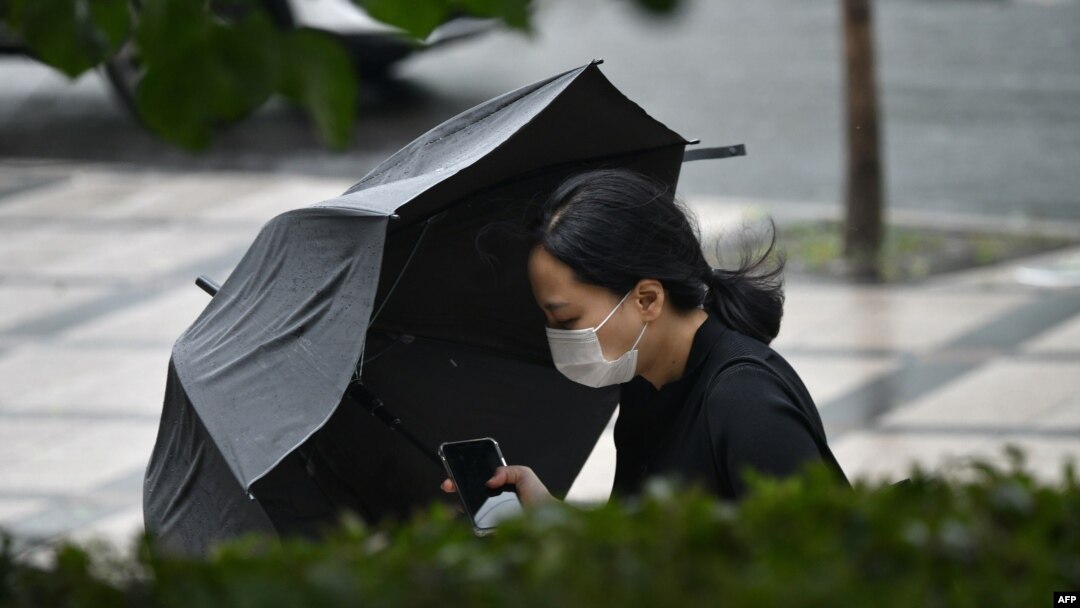
Seasonal threat: The summer season, from June to September, brings the most intense typhoon and monsoon rains, resulting in severe flooding. The country is situated on a peninsula, making it vulnerable to these maritime weather systems.
Historical impact:
2023 Floods:
Heavy, prolonged monsoon rains caused widespread flooding and landslides, leading to dozens of fatalities and the evacuation of thousands of residents.
Typhoon Bolaven (2012): This powerful storm caused significant damage and disrupted infrastructure across the country, especially on the southern coast.
Emergency Response
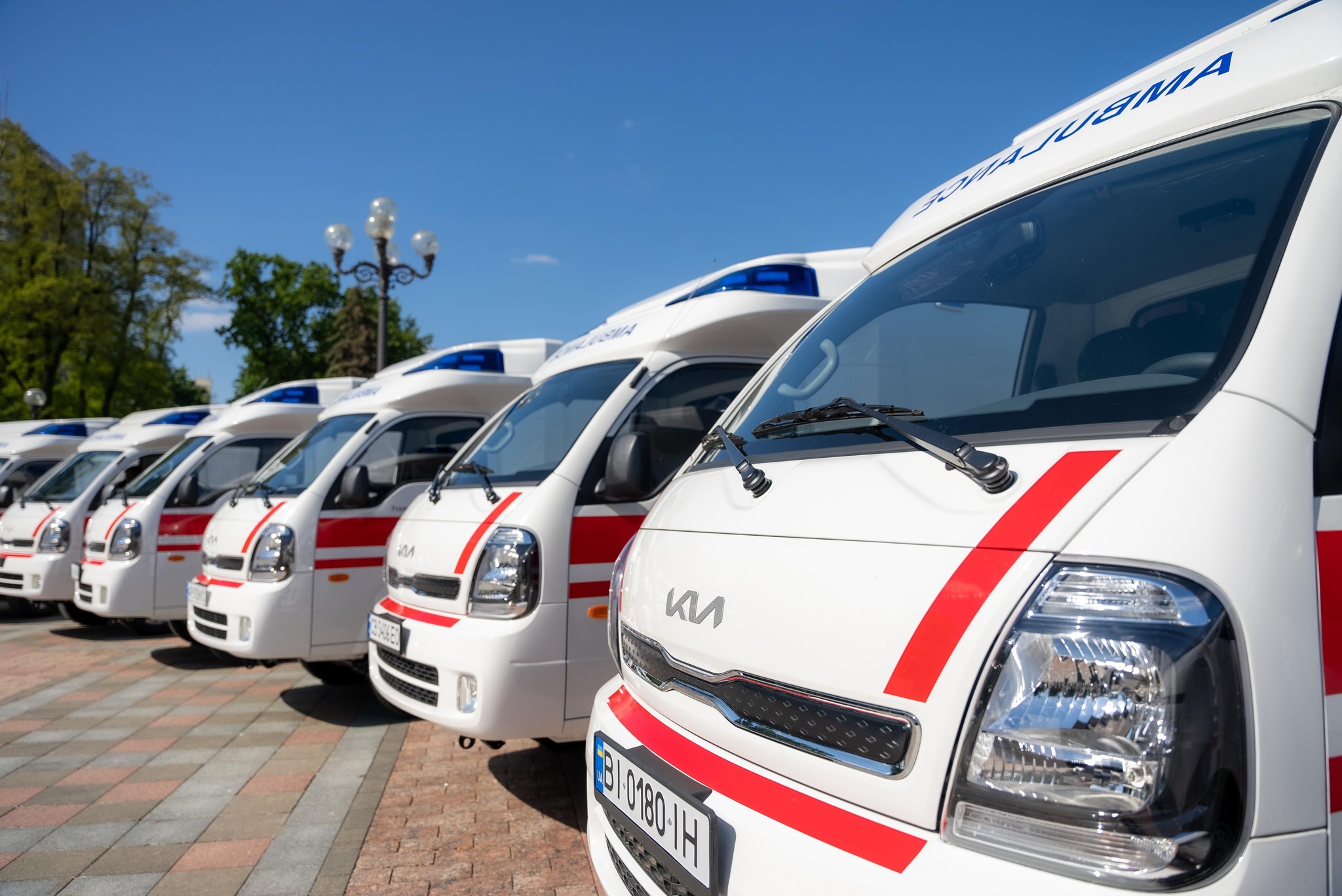
Dial 119 for fire and ambulance services and 112 for police.
For international callers, the Korea Republic Emergency Call Center at +82-2-3210-0404 provides English assistance by connecting you to the appropriate emergency services. The country also has a comprehensive national disaster management system coordinating response to large-scale events, with local authorities and public awareness campaigns playing key roles in resilience and recovery.
Medical Services
For Short-Term Visitors --> Travel Insurance: It is essential to have travel insurance for short visits to cover any unexpected medical expenses.
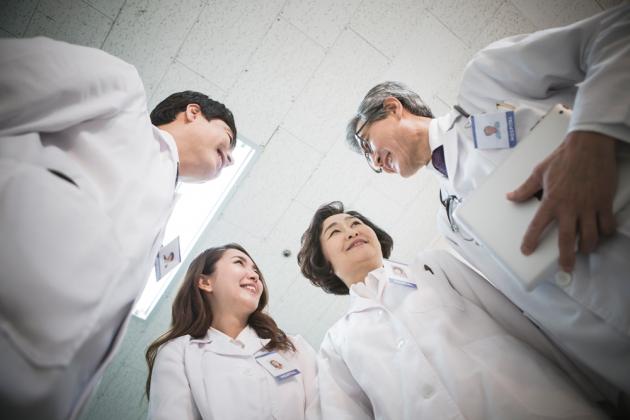
World-Class Facilities: Offers advanced medical facilities and is a global leader in healthcare quality.
English-Speaking Staff: Many hospitals and clinics have English-speaking staff to assist foreign patients.
Pharmacies
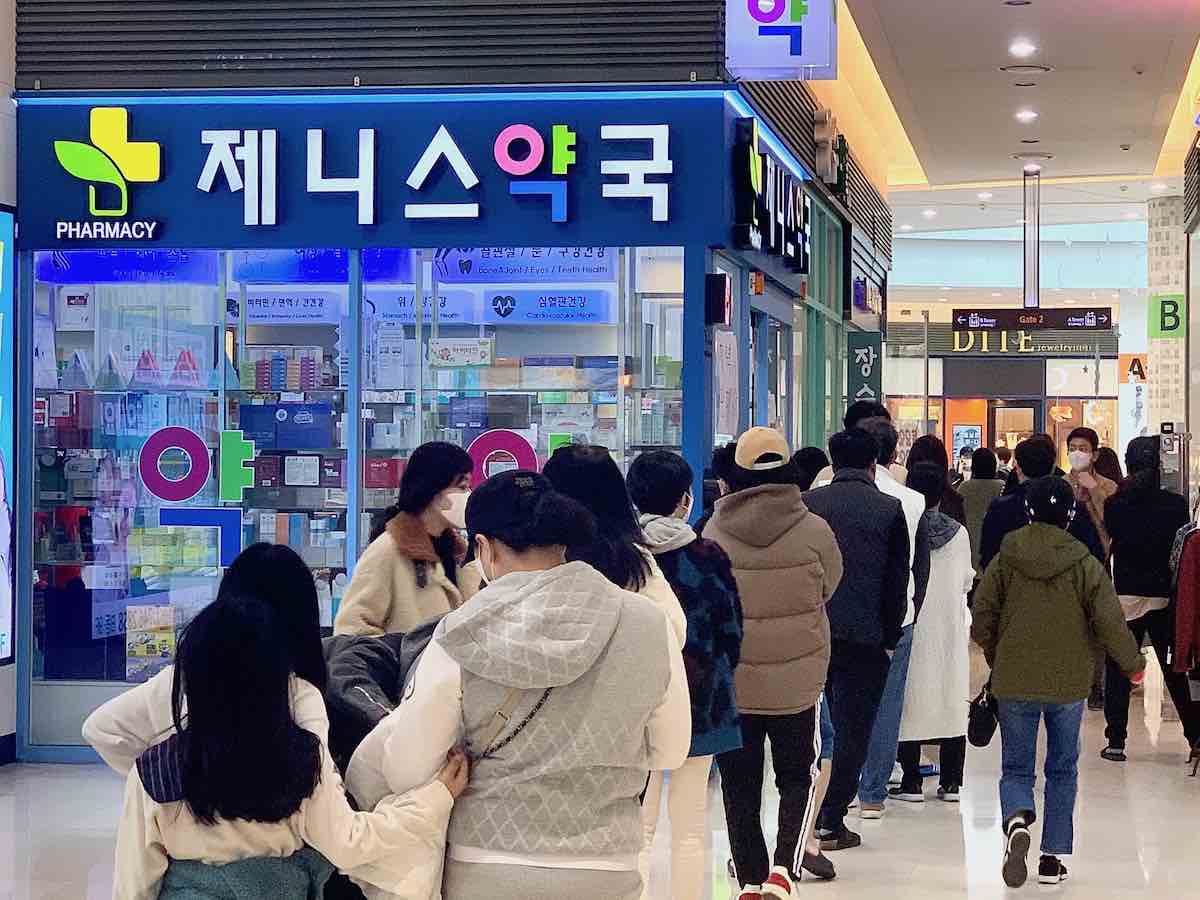
Pharmacies are widely accessible in Korea, often identifiable by a green or red cross and the Korean word "약" (yak). South Korea has a high pharmacy density and operates under regulations that require a pharmacist to own and manage each store.
Types of pharmacies
- Independent pharmacies: Most pharmacies are independently run by a single pharmacist. While this means hours can vary, it is also why they are so common, frequently located near hospitals, medical clinics, and in neighborhood areas.
- Late-night and 365-day pharmacies: In larger cities, like Busan and Daegu, local governments designate pharmacies to remain open late or every day of the year to serve the public.
- Tourist-friendly pharmacies: In popular tourist areas like Seoul's Jung District, some pharmacies such as Namdaemun Pharmacy actively cater to international visitors, offering tax-free shopping and multilingual staff.
- Drugstores: For non-prescription items, larger drugstore chains like Olive Young sell a variety of over-the-counter medications, vitamins, and health products.
Medications and regulations
- Prescription vs. over-the-counter (OTC) drugs: South Korean law prohibits the sale of any medicine outside of a licensed pharmacy, including convenience stores, with limited exceptions for basic OTC drugs.
- Coming into Korea with medicine: Travelers bringing medicine into Korea for personal use must carry proof, such as a prescription or doctor's note. If carrying controlled substances, a permit from the Ministry of Food and Drug Safety (MFDS) is required.
Pharmacy locations in Seoul:
- Jongno 5-ga Pharmacy Street: This area is known for having a high concentration of pharmacies, with over 50 large establishments along the street from Jongno 4-ga to 5-ga.
- Popular tourist areas: In tourist hubs like Myeongdong and Hongdae, many pharmacies specifically cater to tourists and can be found near popular shops and attractions.
- Around hospitals: Many pharmacies are located close to major hospitals, such as the clusters near Severance Hospital and Seoul St. Mary's Hospital.
Culture & Foods
Culture: South Korea has a rich cultural heritage, with a strong emphasis on respect and hospitality. Engaging with local customs is appreciated.
Foods:
Try local specialties such as:
- Kimchi: Fermented vegetables, usually napa cabbage or radishes, seasoned with spices.
- Bibimbap: A mixed rice dish topped with vegetables, meat, and a fried egg.
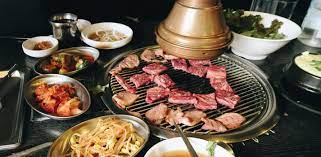
- Korean BBQ: Grilled meat (often beef, pork, or chicken) cooked at the table and served with various side dishes (banchan).
- Tteokbokki: Spicy stir-fried rice cakes, a popular street food.
- Bulgogi:Thinly sliced marinated beef, typically cooked on a grill.
Others
By keeping these points in mind, you’ll be well-prepared for your business trip to the Korea Republic.
Safe travels!
Time Zone: GMT+9.
Transport: Efficient metro, buses, taxis, KTX high-speed train.
Climate: Temperate with four seasons; hot, humid summers (up to 35 °C) and cold winters (−5 to 5 °C), with occasional snow.
Bonus:
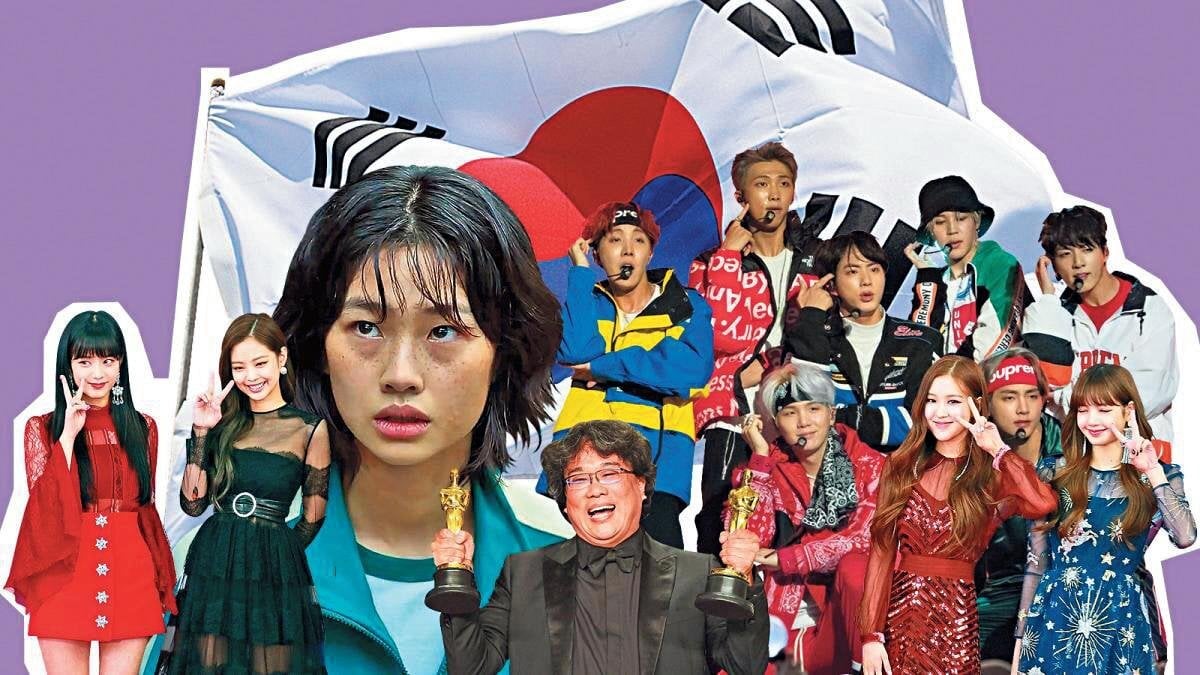
Korean K-pop culture is a global phenomenon driven by a highly structured and innovative music industry, an intensely devoted fandom, and savvy use of digital media to export South Korean culture.