
Jordan
Entry Visa
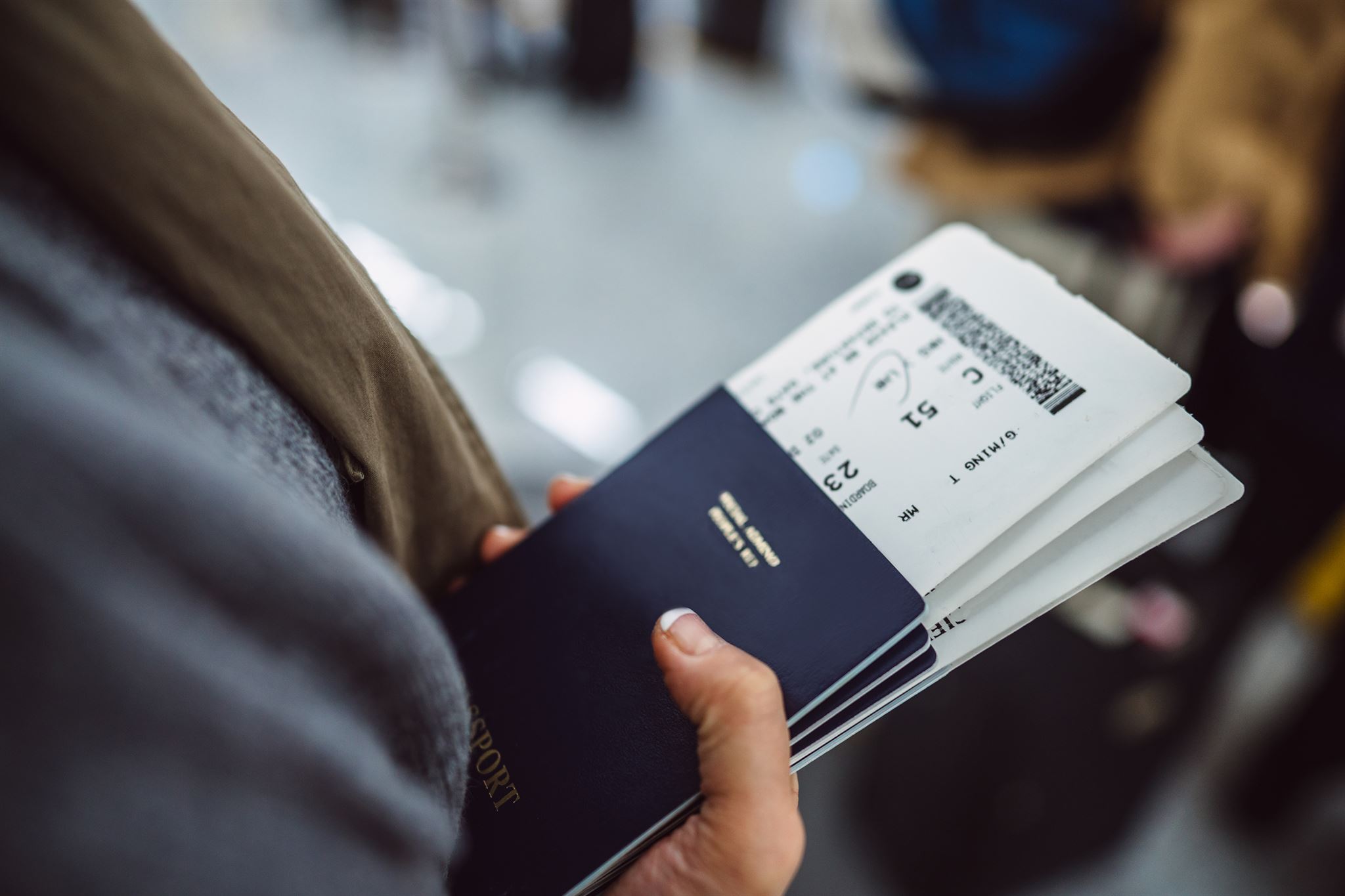
Visa Requirements: Many nationalities can obtain a visa on arrival at the airport. However, some may need to apply for a visa in advance through a Jordanian embassy or consulate. Check the official Jordan tourism website for specific requirements based on your nationality.
Visa Types: Tourist and business visas are available. Ensure your passport is valid for at least six months beyond your planned departure.

Major Airports
Queen Alia International Airport (AMM) in Amman is the primary international gateway.
King Hussein International Airport (AQJ) – Located in Aqaba, primarily serving the Red Sea tourism sector and charter flights.
Facilities: Free Wi-Fi, VIP lounges, restaurants, duty-free shopping, currency exchange, ATM services, car rentals, and medical clinics.
Currency: The Jordanian Dinar (JOD) is the local currency.
Exchanging Money: Currency exchange services are available at the airport and in cities. ATMs are widespread, and major credit cards are accepted in many places.


Dress Code
Business attire is typically formal.
For Men: Suits or dress shirts with slacks are appropriate.
For Women: Professional dresses or business suits are suitable. In more conservative areas, modest clothing is recommended.
Language
Arabic is the official language. English is widely spoken in business settings, especially in urban areas, but knowing basic Arabic phrases can be helpful.


Telephone
International Dialing: To call Jordan, use +962. Drop the leading zero from area codes when dialing internationally.
Local SIM Cards: Consider purchasing a local SIM card from providers like Zain or Orange for affordable data and calls.
Internet
Internet access is generally good in urban areas. Most hotels and cafes offer free Wi-Fi. Mobile data is also reliable with local SIM cards.


Business Hours
Government Sector: Sunday–Thursday, 8:30 AM to 3:30 PM.
Private Sector: Usually, 9:00 AM to 5:00 PM.
Weekend Friday and Saturday
Punctuality
Punctuality is valued in business settings, but some flexibility is common. Arriving on time is generally expected.


Meeting Etiquette
Relationship-building is important. Meetings may begin with small talk. Exchanging business cards is customary; present your card with both hands and take a moment to read the card you receive.
History of Major Football Incidents
Football is popular in Jordan, with significant events including:
2016 FIFA U‑17 Women’s World Cup: Jordan became the first Arab nation to host a FIFA women’s tournament, marking a significant milestone for the region
2018 AFC Women’s Asian Cup: Jordan made further history by hosting this continental tournament another first for a West Asia member
2026 FIFA World Cup Qualification: In June 2025, Jordan officially secured its first-ever spot at the FIFA World Cup.


Natural Disasters
Jordan is not prone to severe natural disasters, but occasional earthquakes may occur. Familiarize yourself with safety procedures in case of emergencies.
Emergency Response
In case of emergencies, you can always dial 911 to reach police, fire, or medical services promptly. It is also advisable to keep the contact details of your hotel and local authorities easily accessible at all times for quick reference.911 for police, fire, or medical services. Keep the contact information for your hotel and local authorities handy.

Pharmacies
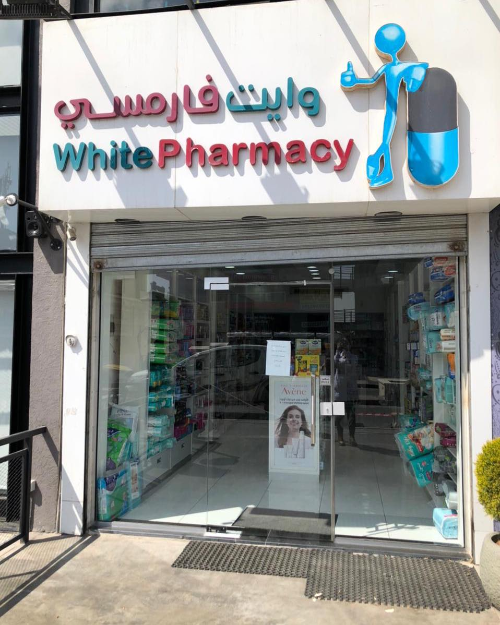
Pharmacies are widely available and often carry a range of medications. For prescription medications, bring necessary items and a doctor’s note if required.
Major Pharmacy Chains in Jordan
1. Pharmacy One – Jordan’s largest and most recognizable pharmacy chain. Known for reliable service, a wide product range, and locations throughout the country. Many branches are open 24/7.
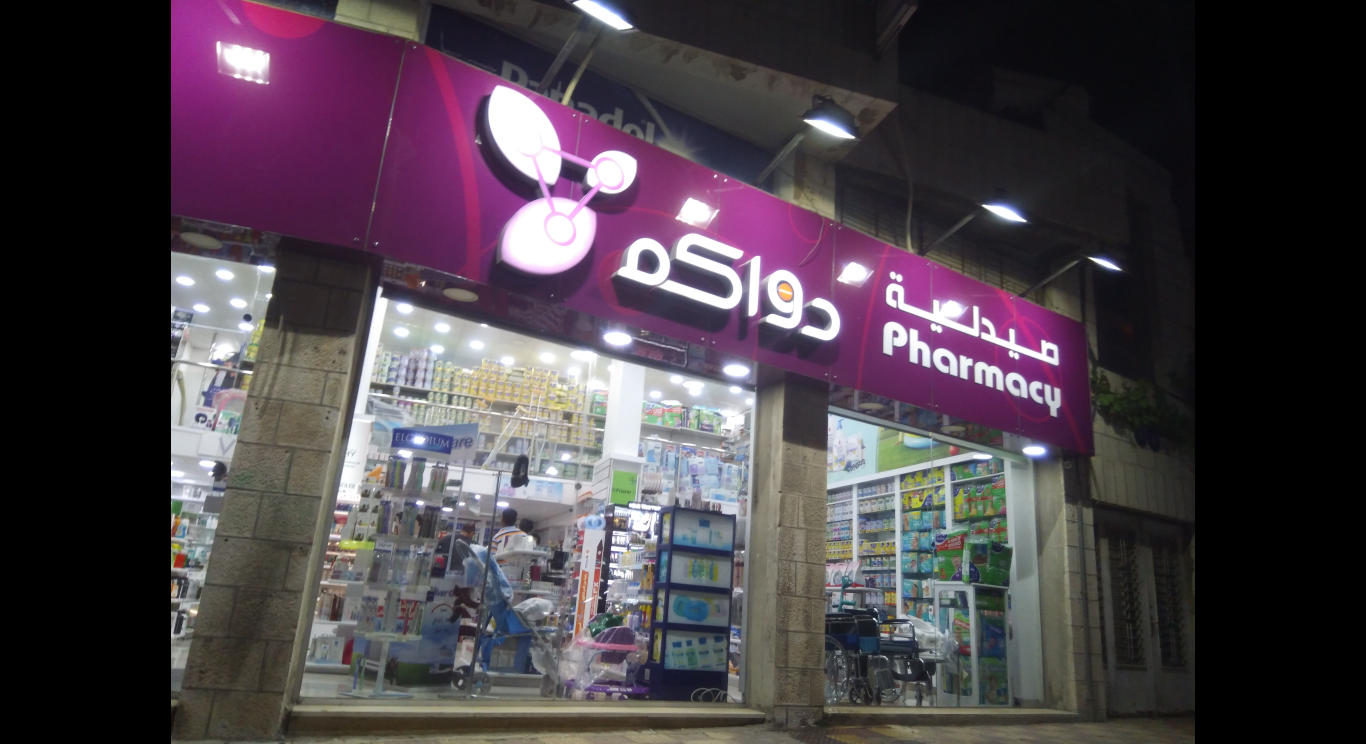
2. Dawacom Pharmacy – Offers a strong selection of medications, supplements, and personal care items. Some locations provide home delivery and online shopping.
3. JCP (Jordanian Center of Pharmaceuticals) – A trusted local chain with a growing number of branches and professional in-store services.
4. Balqees Pharmacy – Popular in Amman for both prescription services and wellness products.
5. Al-Dawlia Pharmacy Group – Known for good service and a strong presence in urban areas.
Other Options: Independent pharmacies are common and typically reliable, especially in smaller towns. In rural areas, options may be more limited, so it's advisable to bring essentials if traveling off the beaten path. Online & Delivery Services: Many larger chains offer delivery through their websites or apps, especially in Amman. Some also operate WhatsApp or phone-order services for convenience.
🩺 Common Over-the-Counter Medicines
1. Paracetamol
(Panadol, Adol) – Widely used for headaches, fever, and general pain relief.
2. Ibuprofen (Brufen, Advil) – Available for inflammation, pain, and muscle aches. Use cautiously if you have stomach issues.
3. Antihistamines (Loratadine, Cetirizine) – Common for treating allergies, hay fever, or insect bites.
4. Cold & Flu Remedies (Actifed, Telfast Cold, Decolgen) – Multi-symptom relief medications combining decongestants, antihistamines, and painkillers.
5. Throat Lozenges & Sprays (Strepsils, Tantum Verde) – Easily found and useful for sore throat relief.
6. Cough Syrups (e.g., Mucosolvan, Robitussin) – Readily available for both dry and productive coughs.
7. Stomach Remedies (e.g., charcoal tablets, antacids, Imodium) – For indigestion, diarrhea, or gas-related discomfort.


Medical Services
Healthcare quality is generally good, especially in urban areas where major hospitals and clinics are well-equipped to handle a wide range of emergencies and provide specialized care. Patients can expect professional medical services with access to advanced technology and experienced healthcare professionals. It is advisable for travelers to secure comprehensive travel insurance to cover any unforeseen medical expenses during their visit.
Culture & Foods
Culture: Jordan has a rich cultural heritage, with a strong emphasis on hospitality. Engaging with local customs is appreciated.
Jordanian cuisine is rich, flavorful, and deeply rooted in Levantine and Bedouin traditions. Meals are often shared family-style and highlight warm hospitality, with generous use of herbs, olive oil, yogurt, and spices. Whether dining in homes, restaurants, or street stalls, Jordan offers an authentic and satisfying culinary experience.
🍽️ Traditional Foods in Jordan
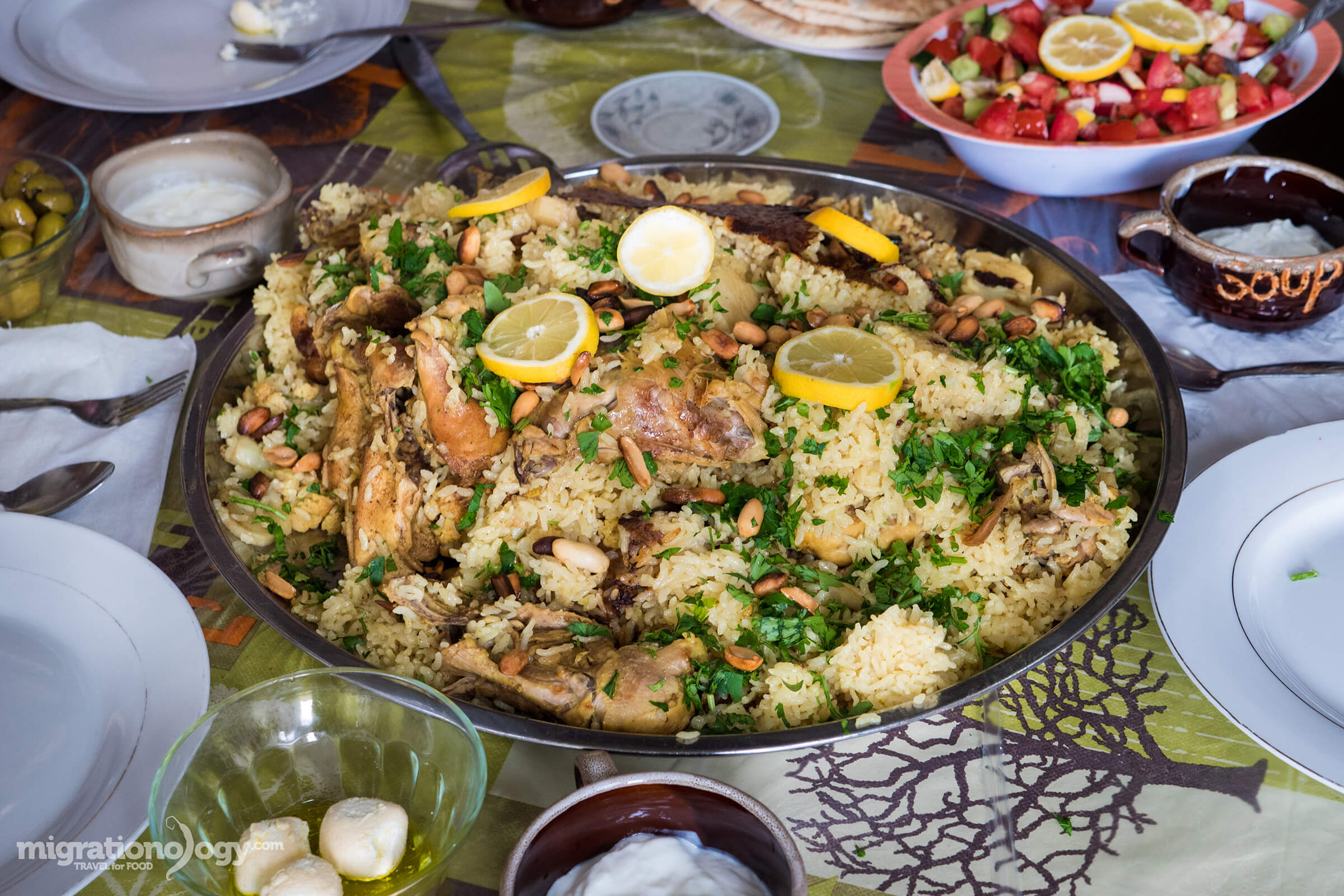
1. Mansaf – Jordan’s national dish. A Bedouin specialty made with lamb cooked in a fermented yogurt sauce (jameed) and served over rice with flatbread and pine nuts. Traditionally eaten with the hands at large gatherings.
2. Maqluba – Literally meaning "upside down," this dish features layers of rice, meat (usually chicken or lamb), and fried vegetables, cooked in a pot and flipped upside down when served.
3. Musakhan – Roasted chicken baked with onions, sumac, olive oil, and pine nuts, served over taboon bread. A delicious and tangy dish commonly made during olive harvest season.
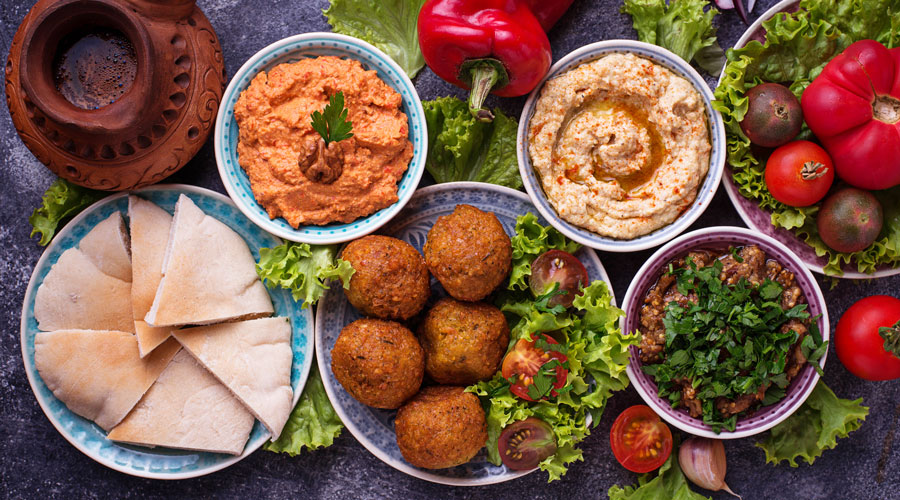
4. Falafel – Deep-fried balls made from ground chickpeas or fava beans mixed with herbs and spices. Commonly served in sandwiches with vegetables and tahini.
5. Hummus – Creamy dip made from blended chickpeas, tahini, lemon juice, and garlic. Often served as part of a mezze (appetizer spread).
6. Fattet Hummus – A layered dish of hummus, yogurt, toasted bread, and chickpeas, topped with ghee or olive oil. A popular breakfast or brunch item.
7. Kofta – Ground meat (beef or lamb) mixed with parsley, onions, and spices, often baked with tahini or tomato sauce.
8. Shawarma – Marinated meat (usually chicken or beef) shaved from a rotating spit and wrapped in flatbread with garlic sauce, pickles, and fries.
🍮 Popular Jordanian Desserts
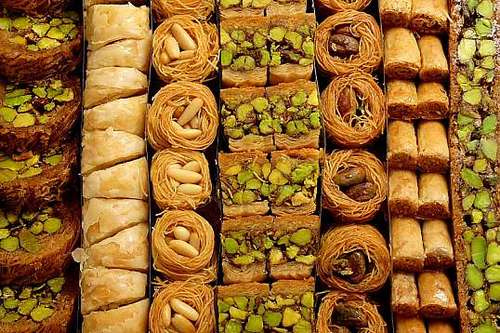
1. Knafeh – A beloved dessert made from shredded filo dough or semolina, layered with melted cheese or cream, soaked in sweet syrup, and topped with pistachios. Best enjoyed fresh and warm.
2. Baklava – Rich, flaky pastry filled with nuts and sweetened with rosewater or orange blossom syrup. Found in most bakeries and sweet shops.
3. Halawet el-Jibn – Rolled semolina and cheese dough filled with cream and drizzled with sugar syrup and crushed pistachios.
4. Zalabia (Luqaimat) – Deep-fried dough balls soaked in syrup, often eaten during Ramadan. Dates &
5.Arabic Sweets – Dates stuffed with nuts or dipped in chocolate are a common treat, along with various semolina-based desserts like harissa or basbousa.
☕ Beverages
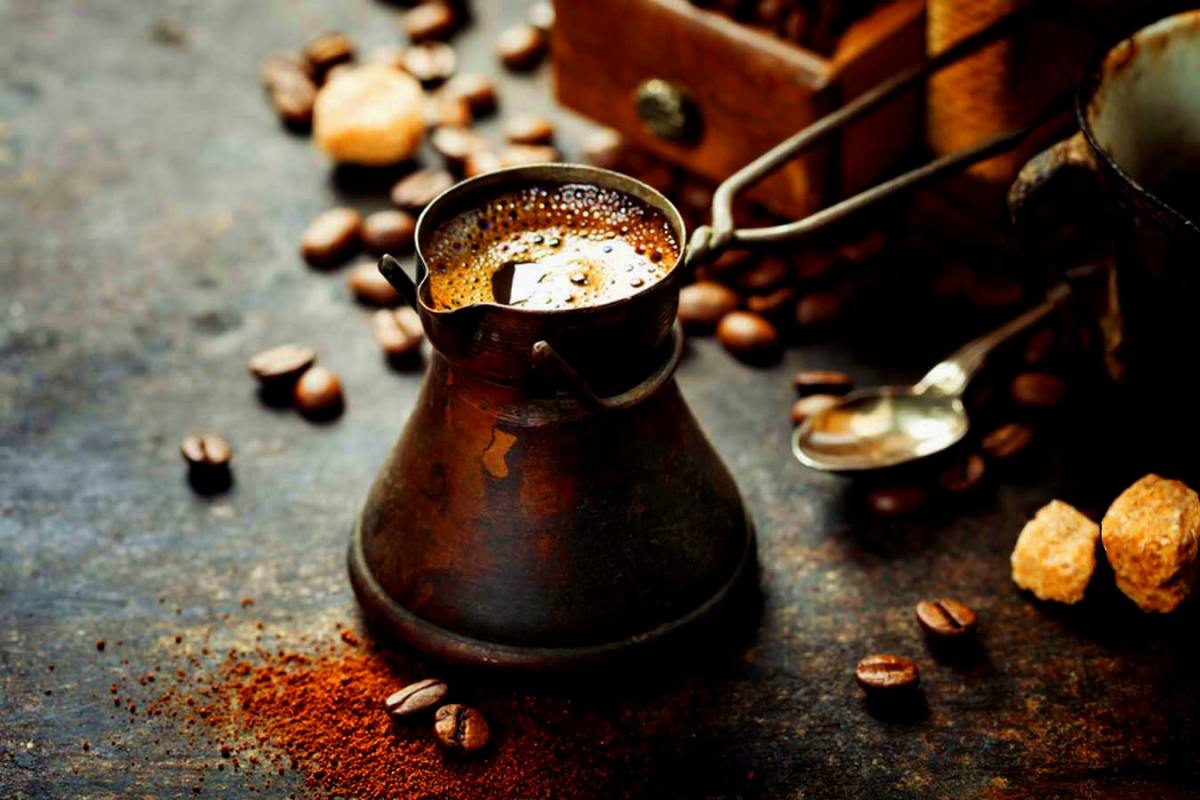
1. Arabic Coffee (Qahwa) – Strong coffee brewed with cardamom, served in small cups during gatherings and as a sign of hospitality.
2. Mint Tea – Black tea brewed with fresh mint leaves, often sweetened. A staple in homes and restaurants.
3. Jallab & Tamarind Juice – Refreshing drinks made from grape molasses, dates, or tamarind, especially popular during Ramadan.
Jordanian cuisine emphasizes fresh ingredients, generous hospitality, and bold flavors. Meals are often leisurely and social—be prepared for second helpings and lots of warm bread! Let me know if you want a vegetarian-friendly section or street food recommendations!
Others
By keeping these points in mind, you’ll be well-prepared for your business trip to Jordan. Safe travels!
Time Zone: GMT+3 (Jordan observes daylight saving time depending on government decision).
Transport: Public buses are available but limited; taxis and ride apps like Uber and Careem are common in major cities.
Climate: Jordan has a Mediterranean to desert climate. Summers (May–September) are hot and dry, especially in the Jordan Valley and Aqaba, with temperatures often above 35°C. Winters (December–February) are cool, with rain possible in the highlands. Spring and autumn are pleasant and ideal for travel.