
Japan
Entry Visa
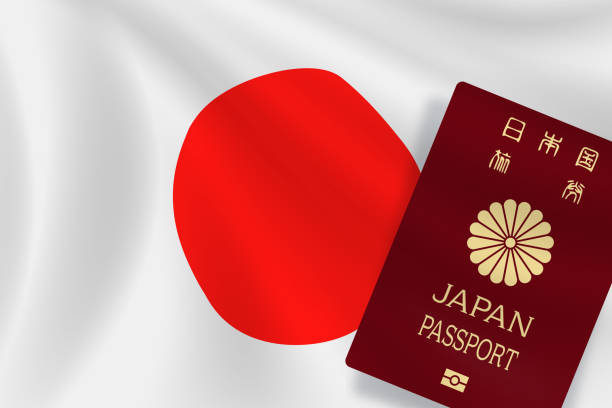
Visa Requirements: Many nationalities can enter Japan visa-free for short stays (typically up to 90 days). Check the Japan National Tourism Organization (JNTO) website for specific requirements based on your nationality.
Visa Application: If required, apply for a visitor visa through a Japanese embassy or consulate. Ensure you have a valid passport and a travel itinerary.
Major Airports
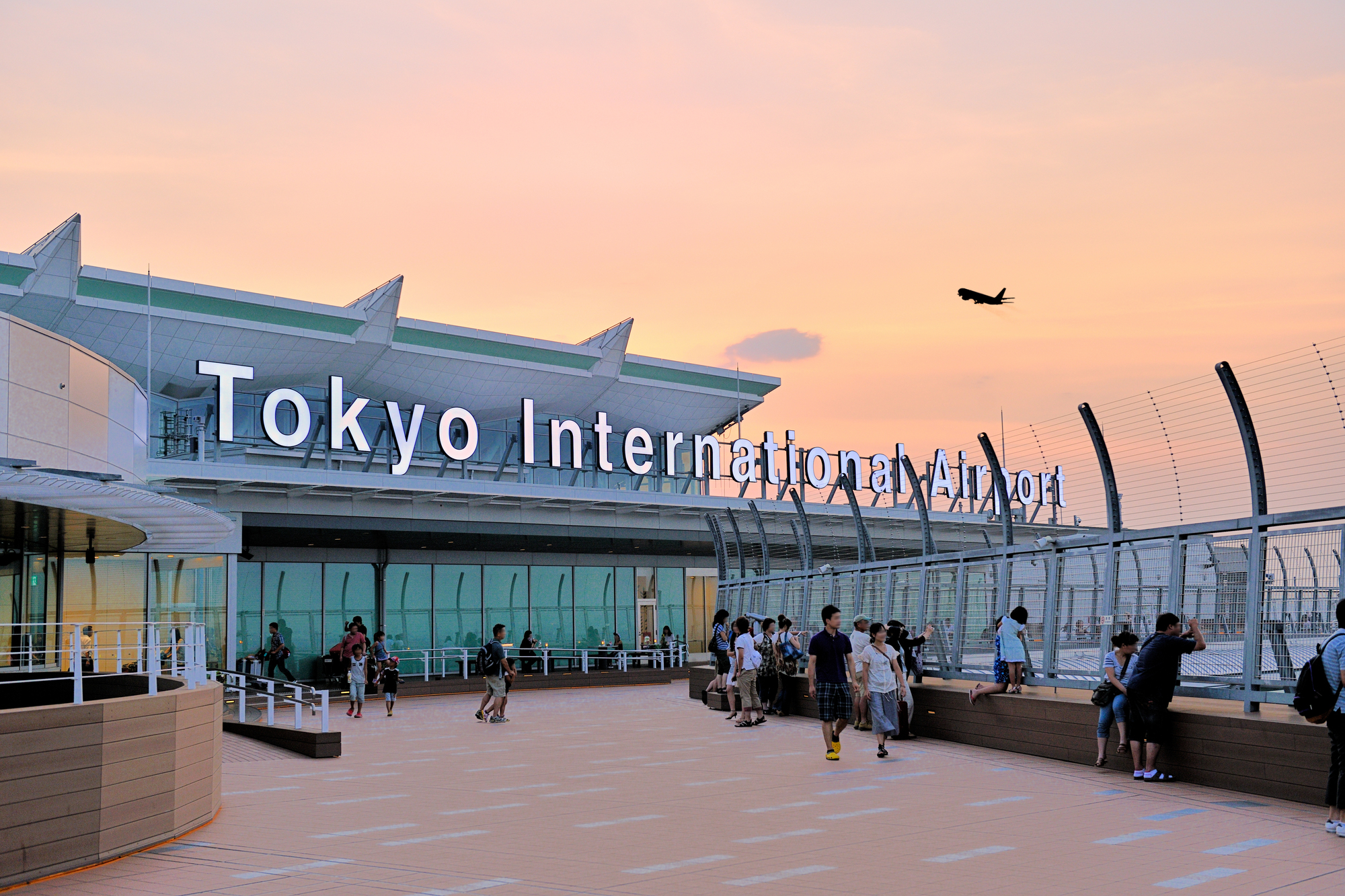
Narita International Airport (NRT): Main airport for Tokyo, located about 60 kilometers east of the city.
Haneda Airport (HND): Closer to downtown Tokyo, handling both domestic and international flights.
Kansai International Airport (KIX): Serves the Osaka area.
Chubu Centrair (NGO): Nagoya’s airport on an artificial island, ~9 million passengers/year.
Fukuoka Airport (FUK): Fourth busiest airport, connected via subway to city center. Recently added a second runway and has high regional importance
Facilities: Airports offer a range of amenities including lounges, shopping, dining, and free Wi-Fi.
Money Exchange
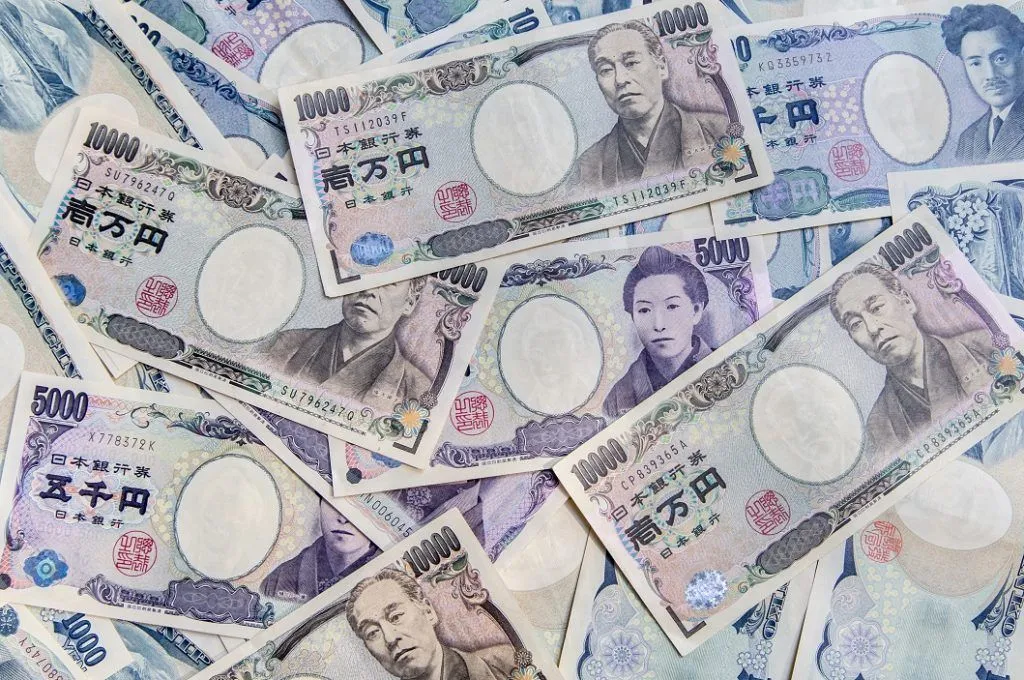
Currency: The Japanese Yen (JPY) is the local currency.
Exchanging Money: Currency exchange services are available at airports, banks, and convenience stores. ATMs accepting international cards are found in post offices and major convenience stores.

Dress Code
Business attire is typically formal.
Men: Suits or dress shirts with slacks are standard.
Women: Professional dresses or business suits are appropriate. Modesty is appreciated in more conservative settings.
Language
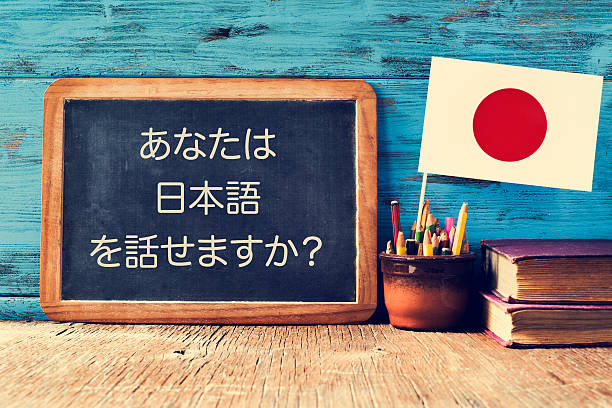
Japanese is the official language. English is spoken in major cities, especially in business contexts, but learning basic Japanese phrases can be beneficial.
Common Phrases:
1. こんにちは (Konnichiwa) – Hello
2. ありがとうございます (Arigatō gozaimasu) – Thank you
3. すみません (Sumimasen) – Excuse me / Sorry
4. はい (Hai) – Yes
5. いいえ (Iie) – No
Telephone
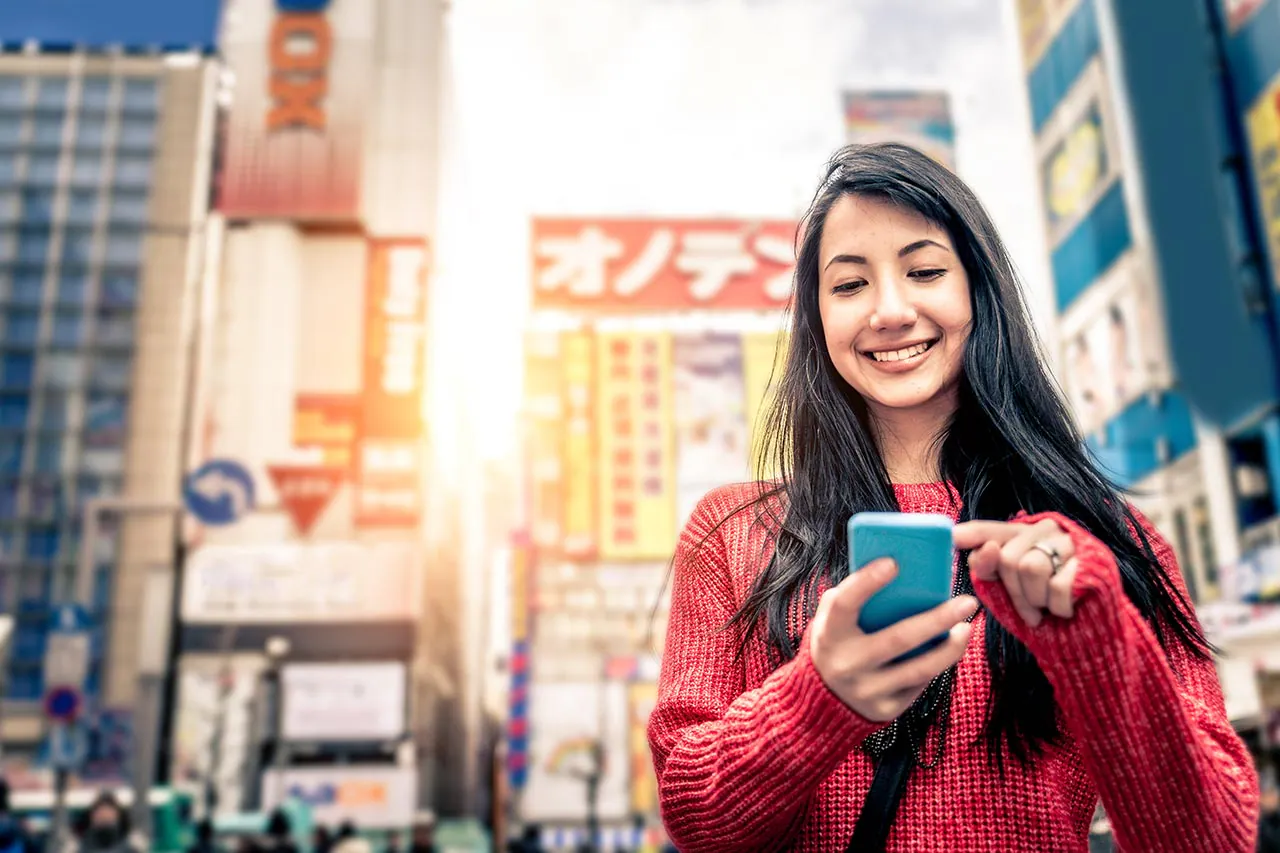
International Dialing: To call Japan, use +81. Drop the leading zero from area codes when dialing internationally.
Local SIM Cards: Consider purchasing a local SIM card or portable Wi-Fi device from providers like SoftBank or NTT Docomo for affordable data and calls. Popular providers include SoftBank, NTT and Docomo.
Internet
Japan has excellent internet connectivity, with free Wi-Fi available in many public spaces, hotels, and cafes. Consider using a VPN for added security.

Business Hours
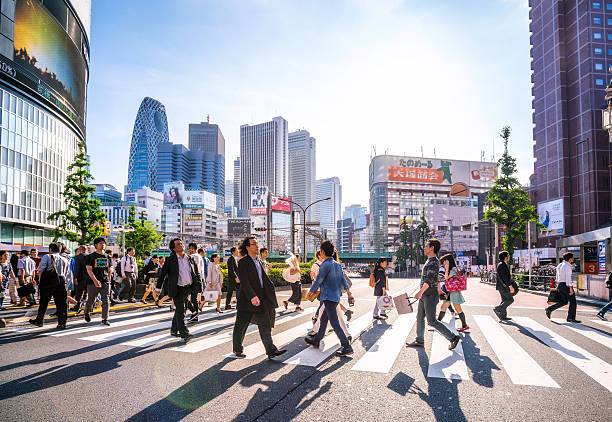
Government Sector: Monday–Friday, approx. 9:00 AM–5:00 PM.
Private Sector: Similar hours, with some offices open Saturdays.
Many businesses close for lunch, usually between 12 PM and 1 PM.
Punctuality
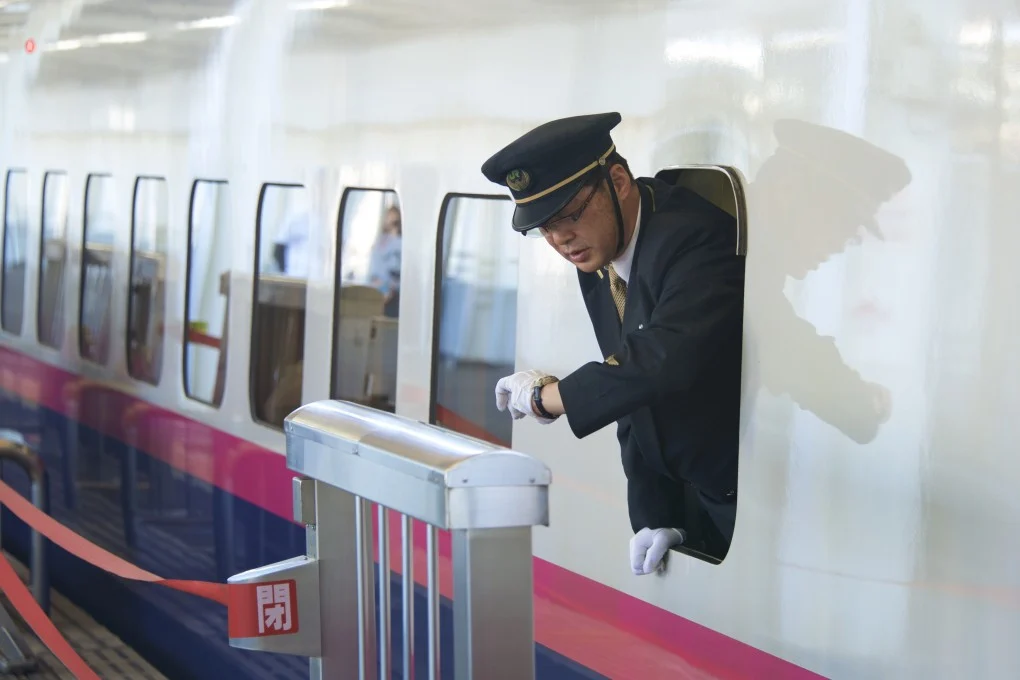
Punctuality is highly valued in Japanese culture and is considered a sign of respect, reliability, and professionalism. Arriving on time is expected for meetings, social gatherings, and public transportation. Trains and buses are famously prompt, with delays often measured in seconds. Being late without prior notice can be seen as disrespectful, so always plan ahead and allow extra travel time, especially in unfamiliar areas.
Meeting Etiquette
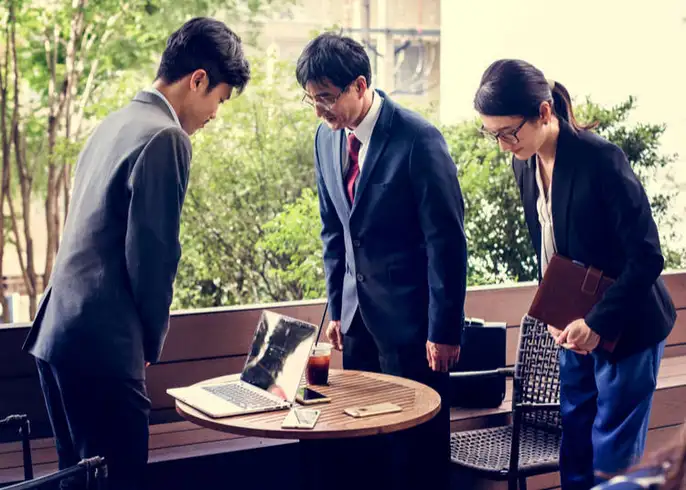
Meetings often begin with formal greetings. Exchanging business cards (meishi) is customary; present your card with both hands and take a moment to examine the card you receive.
Avoid aggressive negotiation tactics; instead, aim for consensus and harmony.
History of Major Football Incidents
Football (soccer) is widely popular in Japan, with notable incidents including:
2002 FIFA World Cup: Co-hosted by Japan and South Korea, it was a significant moment in Japan’s football history, boosting the sport's profile.
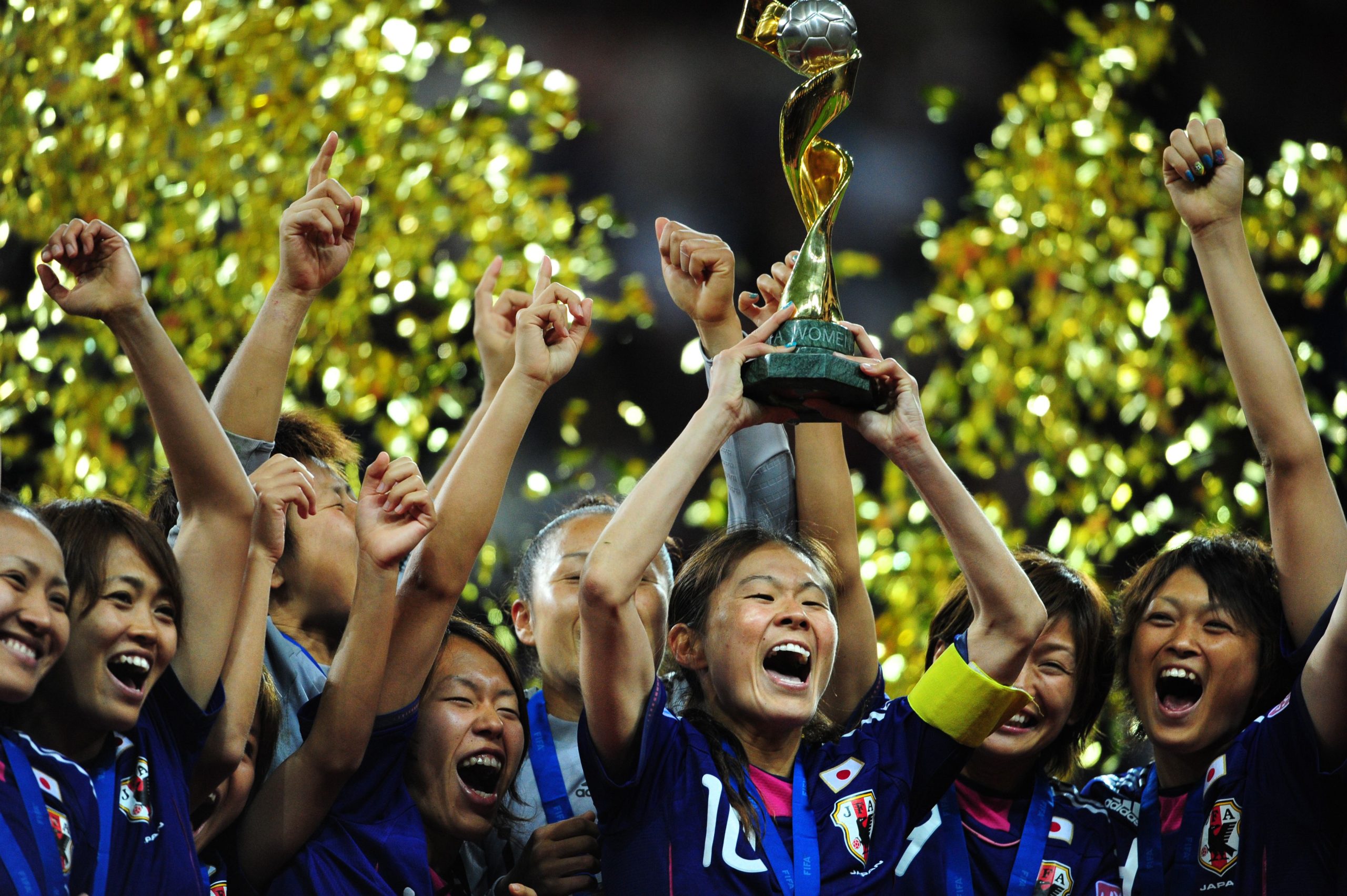
2011 Women's World Cup: Japan's women's national team won the FIFA Women’s World Cup, a historic achievement celebrated nationwide.
J.League Development: established in 1993, has contributed to the growth of professional football in Japan.
Natural Disasters
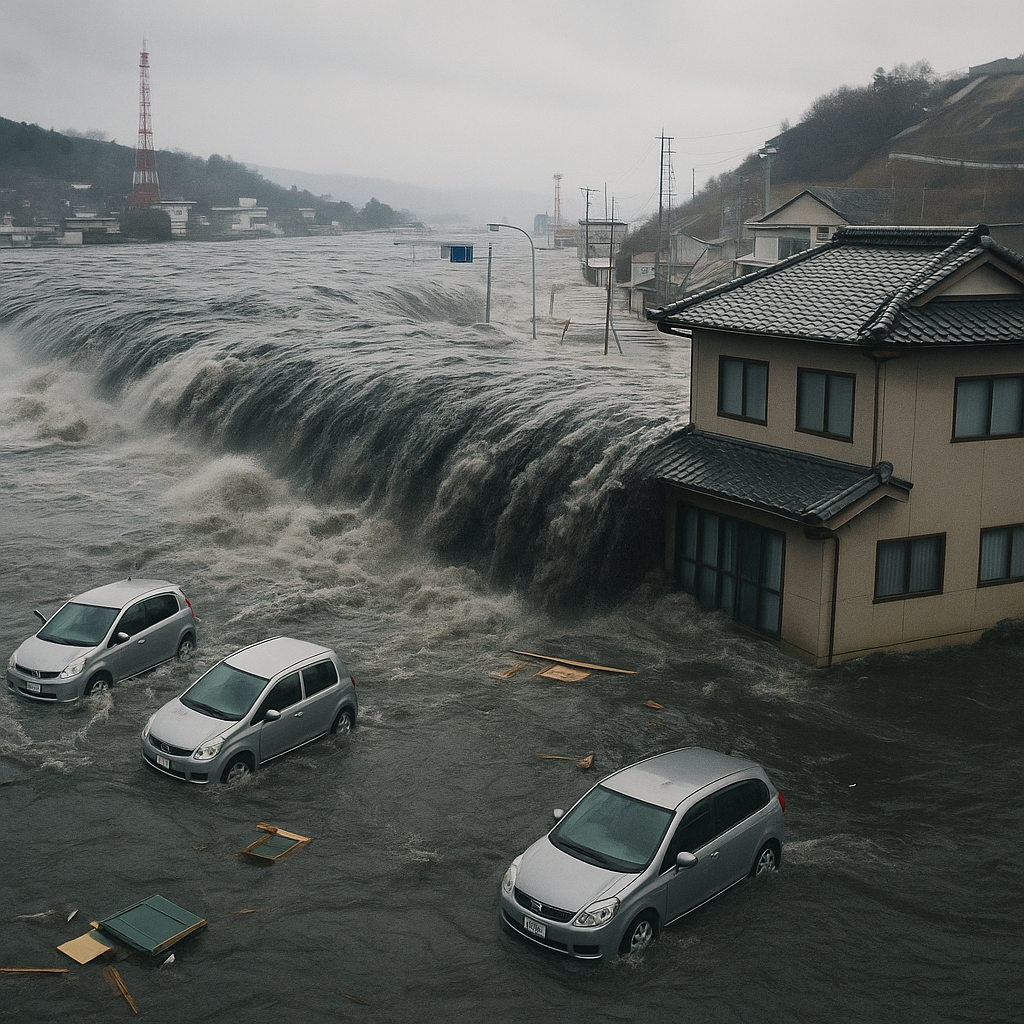
Japan is located in a seismically active region and is prone to earthquakes, tsunamis, and occasional typhoons. While the country has excellent disaster-preparedness systems, visitors should be aware of local safety procedures, follow official instructions, and note emergency exit routes, especially in high-risk areas.
Emergency Response
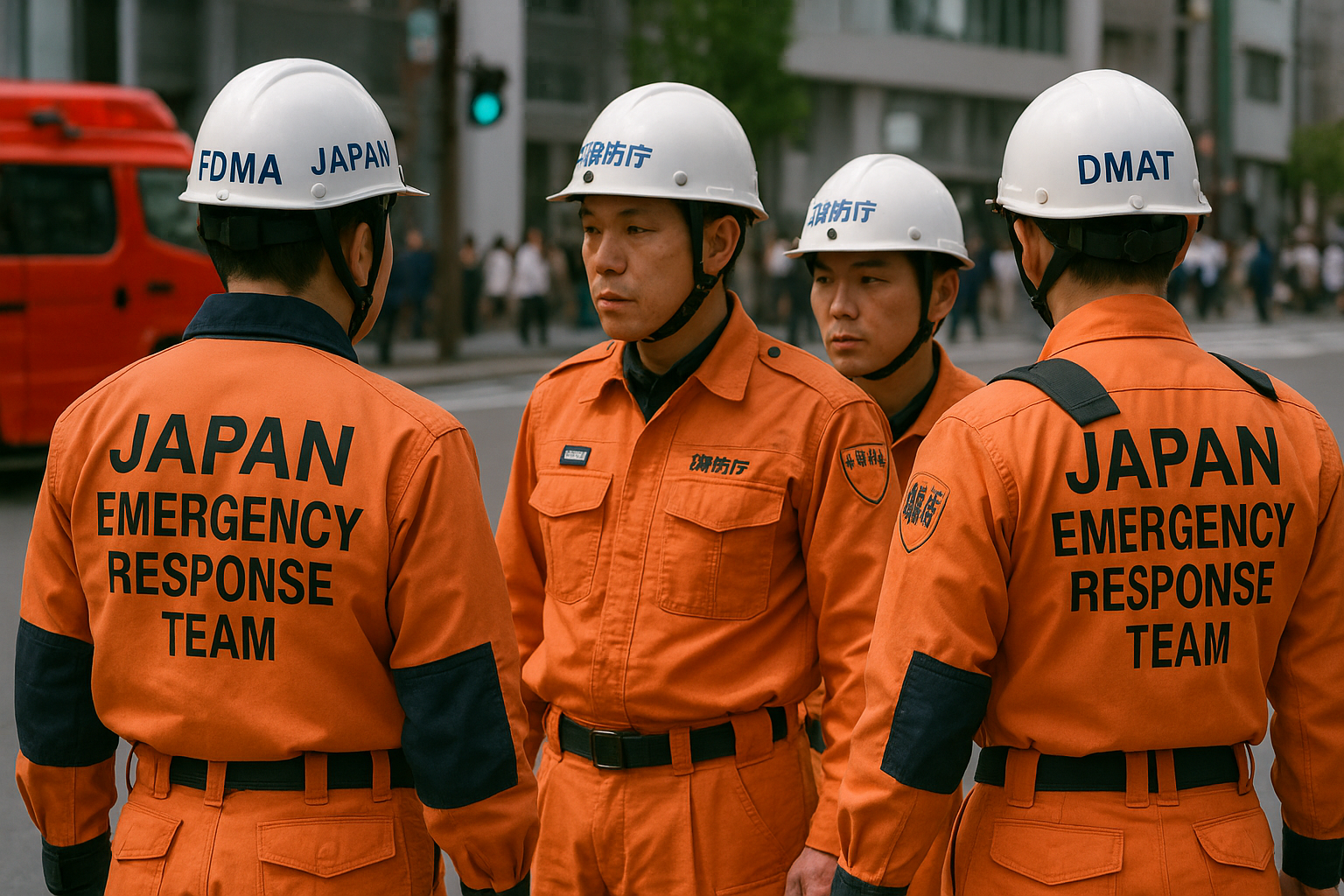
In Japan, dial 119 for fire or medical emergencies, and 110 for police assistance. Always keep your hotel’s contact information and the number for local authorities easily accessible in case of urgent situations.
Medical Services
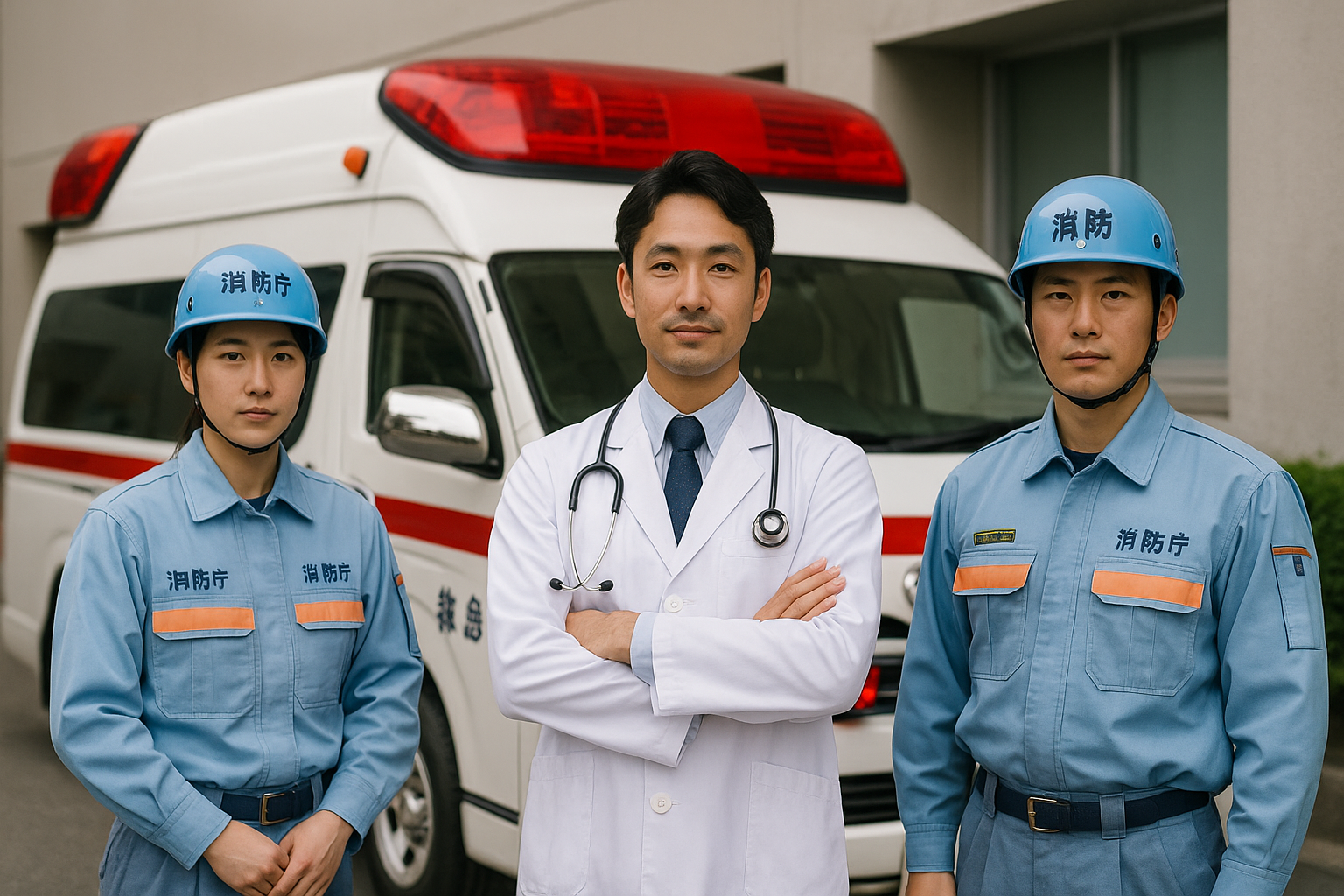
Japan offers a high standard of healthcare, with well-equipped hospitals and clinics in major cities. Many medical facilities have English-speaking staff, especially in urban areas. Travelers are advised to have comprehensive travel insurance that includes medical emergencies, as healthcare costs can be high for non-residents.
Pharmacies
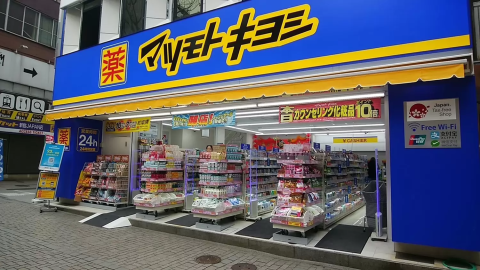
Pharmacies, known as yakkyoku, are common in cities and towns, and many are attached to clinics or located in large shopping areas. They carry a wide range of over-the-counter medicines, health products, and basic first-aid supplies. If you require regular prescriptions, bring enough for your stay along with the original packaging, a doctor’s note, and, if necessary, a Japanese translation.
OTC medications for common issues:
1. Paracetamol– Common in products like Pabron S Gold W, used for fever, pain relief, and cold symptoms.
2. Ibuprofen-based remedies – Available in options like Esutakku Ibu Fine EX or Pabron Ace Pro,
3. SS Bron – A strong formula for persistent coughs and phlegm.
Common Pharmacy chains:
1. Matsukiyo (Matsukiyo Cocokara & Co.)
2. Welcia
3. Tsuruha Drug
Culture & Foods
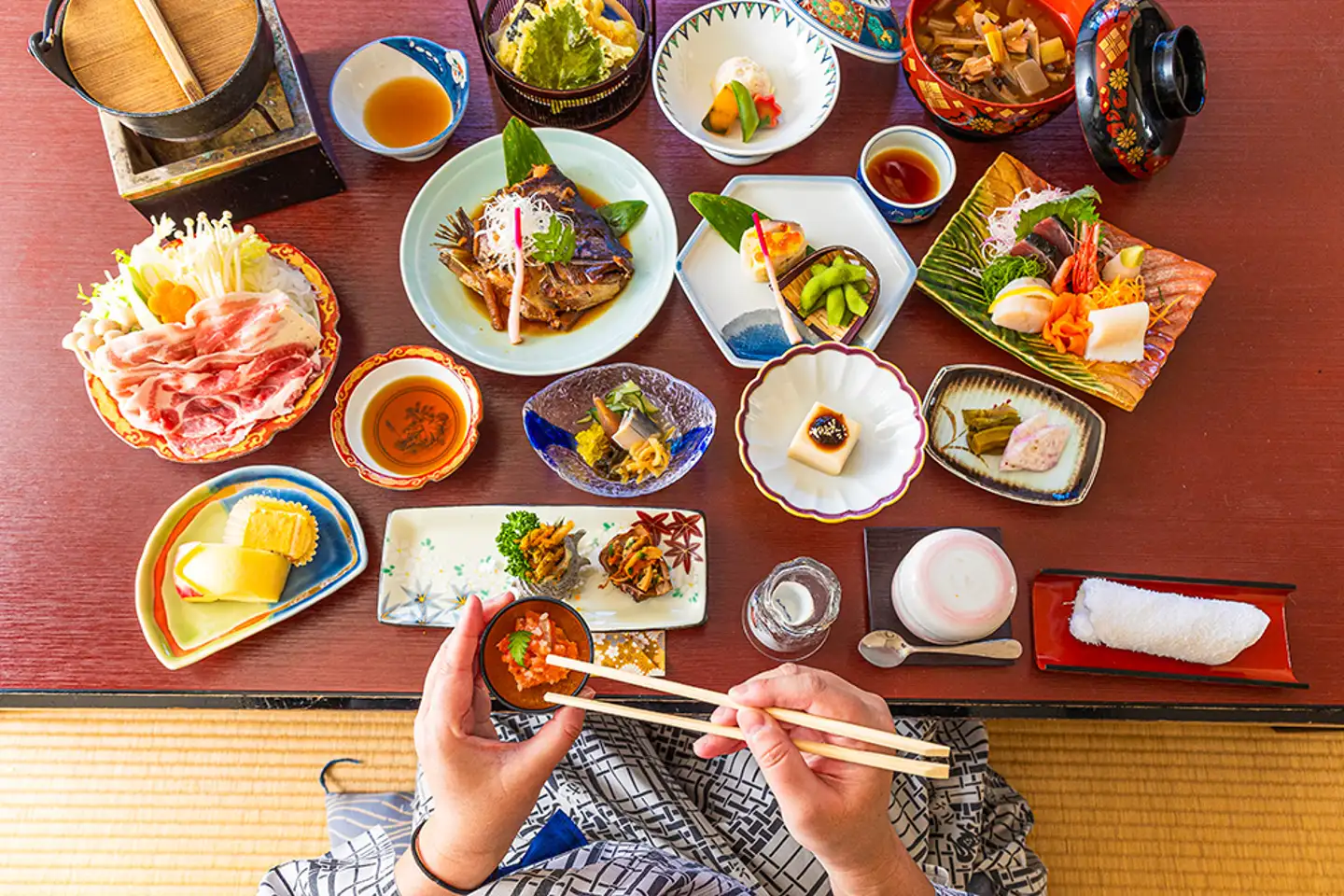
Culture: Japan has a rich cultural heritage, and respect for tradition is deeply ingrained. Hospitality is a key aspect of Japanese culture.
Foods:
Try local specialties such as:
1. Sushi – Fresh fish served on vinegared rice, with various regional styles like Edo-style in Tokyo and pressed sushi (oshizushi) in Osaka.
2. Ramen – Noodle soup with flavorful broth and toppings, available in regional varieties such as miso (Sapporo), shoyu (Tokyo), and tonkotsu (Fukuoka).
3. Tempura – Lightly battered and deep-fried seafood and vegetables, served with dipping sauce or over rice.
4. Okonomiyaki – Savory pancake with cabbage, meat, seafood, and toppings like mayonnaise and bonito flakes, popular in Osaka and Hiroshima.
5. Takoyaki – Bite-sized balls of batter filled with diced octopus, green onions, and pickled ginger, topped with sauce and bonito flakes.
6. Matcha Desserts – Green tea–flavored sweets like ice cream, cakes, and parfaits, especially popular in Kyoto.
7. Kaiseki – Traditional multi-course meal emphasizing seasonal ingredients, beautifully presented.
8. Unagi – Grilled freshwater eel glazed with sweet soy sauce, often served over rice (unadon).
9. Mochi – Soft rice cakes, sometimes filled with sweet red bean paste or ice cream.
Others
By keeping these points in mind, you’ll be well-prepared for your business trip to Japan. Safe travels!
Time Zone: Japan Standard Time (UTC +9), no daylight-saving time.
Public Transport: Extensive and reliable network of trains, subways, and buses. Taxis are clean and metered.
Climate: Japan has a temperate climate with four distinct seasons. Summers (June–August) are hot and humid, with a risk of typhoons in late summer. Autumn (September–November) is mild and ideal for travel. Winters (December–February) are cold in the north with snowfall, while the south remains milder. Spring (March–May) is comfortable and marked by cherry blossom season.