Iraq
Entry Visa
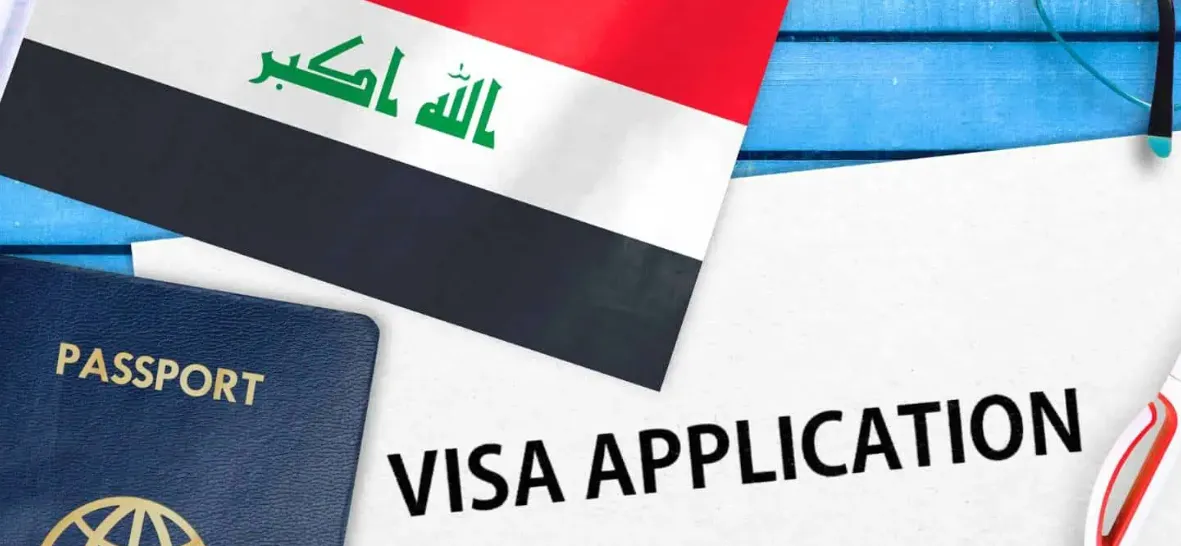
Visa Requirements: Most travelers need a visa to enter Iraq. The process can vary based on nationality.
Visa on Arrival: Some nationalities may obtain a visa on arrival at major airports, but it’s recommended to check in advance.
Pre-Approved Visa: It’s often safer to apply for a visa in advance through an Iraqi embassy or consulate. Ensure you have all required documentation, including an invitation letter from a local sponsor if applicable.
Major Airports
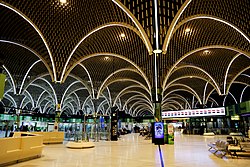
Baghdad International Airport (BGW): Main hub, 16 km west of Baghdad.
Erbil International Airport (EBL): Located in Kurdistan.
Basra International Airport (BSR): Serves southern Iraq.
Al Najaf International Airport (NJF): Handles pilgrims and regular international flights.
Sulaymaniyah International Airport (ISU) Serves the Kurdish region.
Our airports are equipped with a wide array of facilities to ensure a comfortable and convenient experience for all travelers. Every airport provides complimentary Wi‑Fi access, comfortable lounges including VIP and CIP areas, ATMs for easy cash withdrawal, currency exchange services, dedicated prayer rooms or areas for spiritual needs, and seamless taxi and bus transportation options. Additionally, the larger airports such as Baghdad, Erbil, and Najaf feature fully equipped medical centers and offer enhanced VIP services to cater to the needs of distinguished guests and travelers requiring special assistance.Facilities: All airports offer free Wi‑Fi, lounges (including VIP/CIP), ATMs, currency exchange, prayer rooms/areas, taxi and bus access. Larger airports (Baghdad, Erbil, Najaf) also provide medical centers and enhanced VIP services.
Money Exchange
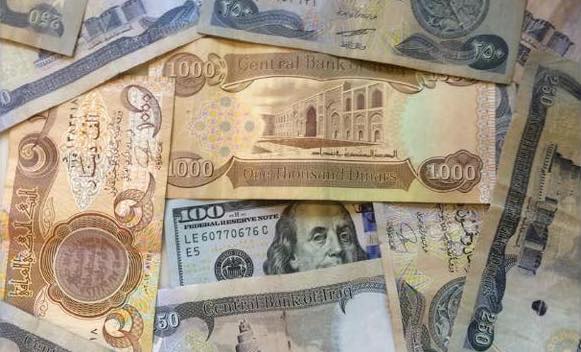
Currency: The Iraqi Dinar (IQD) is the local currency.
Currency exchange services can be found conveniently at the airport as well as in major cities, allowing travelers to convert their money with ease. While ATMs exist, they are relatively rare and may not support all international cards, so it is highly recommended to carry sufficient cash to avoid any inconvenience during your trip.Exchanging Money: Currency exchange services are available at the airport and in major cities. ATMs are less common, and not all accept international cards, so it’s advisable to carry cash.
Dress Code
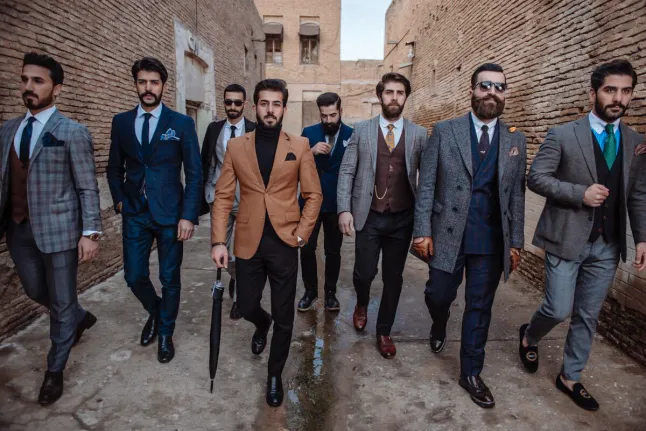
Modesty is important in Iraqi culture.
Men: Business suits or smart casual attire are appropriate.
Women: Long skirts or trousers and long-sleeved tops are recommended. While the dress code is somewhat more liberal in the Kurdistan Region, modesty should still be observed.
Language
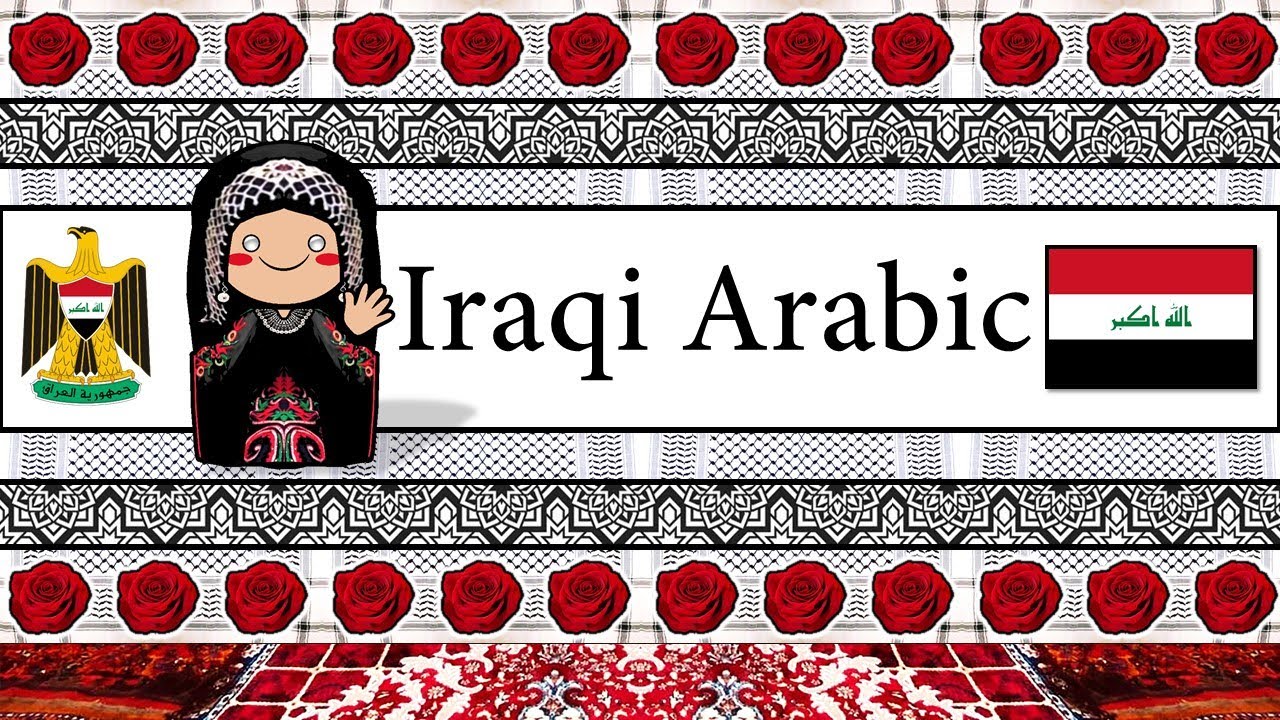
Arabic serves as the official language throughout the country, while Kurdish is predominantly spoken in the northern areas. Additionally, English is frequently used in business and professional settings, particularly within major urban centers and multinational corporations.
Telephone
International Dialing: To call Iraq, use +964. Drop the leading zero from area codes when dialing internationally.
Local SIM Cards: Consider purchasing a local SIM card from providers like Zain or Asiacell for affordable data and calls.
Internet
Internet connectivity differs widely depending on the location. In major metropolitan areas, many hotels, cafes, and public spaces offer Wi-Fi access, although the quality and reliability of these connections can fluctuate throughout the day. Travelers often find that using a VPN enhances security and can help bypass regional restrictions to access certain websites more effectively.
Business Hours
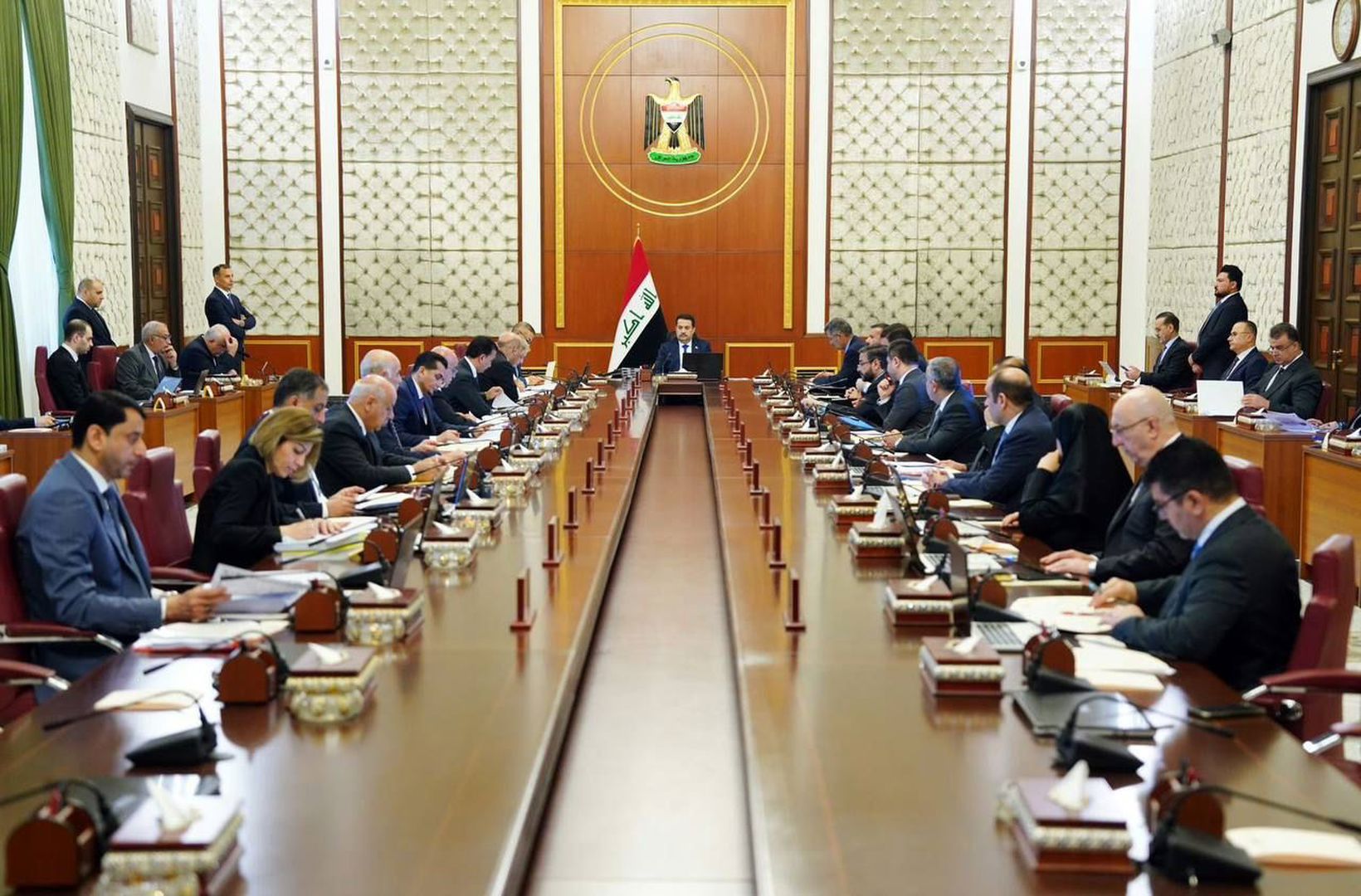
Government Offices: Sunday–Thursday, approximately 8:00 AM–3:00 PM.
Private Sector: Similar hours, with some variation.
Weekend on Friday and Saturday.
Punctuality
Being punctual is crucial in professional environments, as it demonstrates respect for others' time and commitment to responsibilities. While some flexibility might be allowed in certain situations, consistently arriving on time for meetings and appointments is generally expected and appreciated.


Meeting Etiquette
Developing personal relationships is essential in business interactions. Meetings often begin with light conversation to build rapport, and it is customary to exchange business cards. When presenting your card, offer it with both hands as a sign of respect, and take a moment to carefully examine the card you receive from others to show appreciation.
History of Major Football Incidents
Football is popular in Iraq, with significant moments in its history:
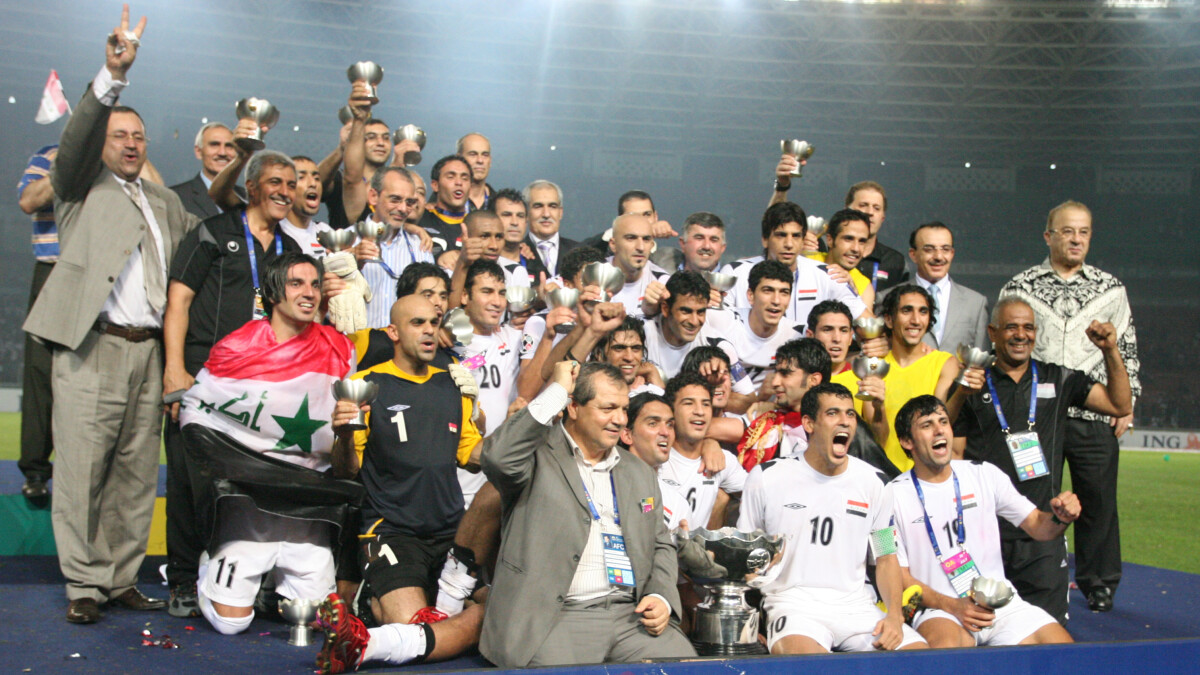
2007: Iraq's national team won the AFC Asian Cup, a proud moment for the nation amidst challenging times.
Security Issues: Football matches have occasionally been marred by security concerns, impacting attendance and enthusiasm.
The sport remains a unifying force for many Iraqis.
Natural Disasters
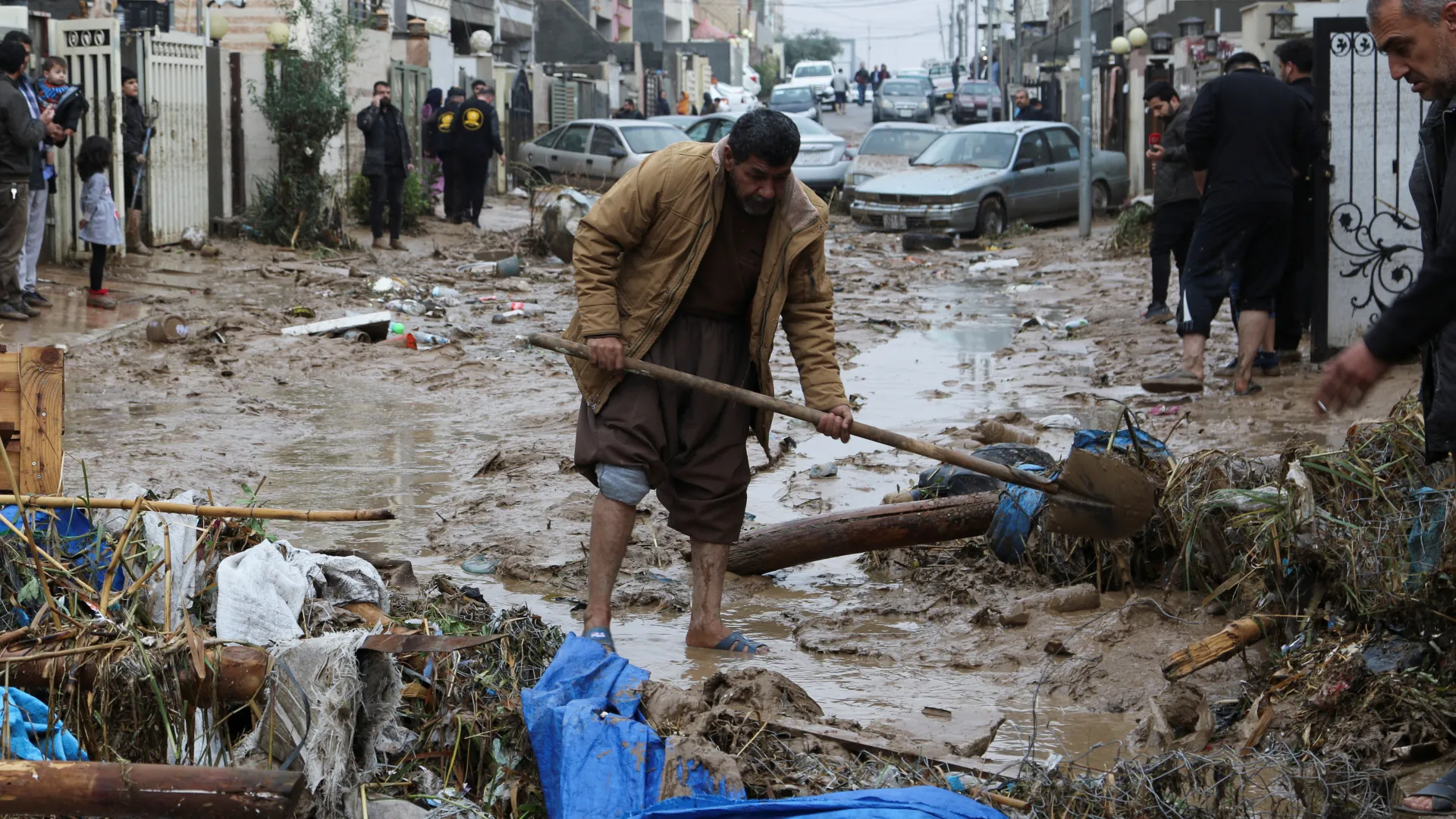
Iraq experiences frequent seismic activity, especially in its northern areas, making it essential for residents and visitors to understand and follow recommended safety protocols. Staying updated with the latest information on local conditions can significantly reduce risks during an earthquake.
Emergency Response
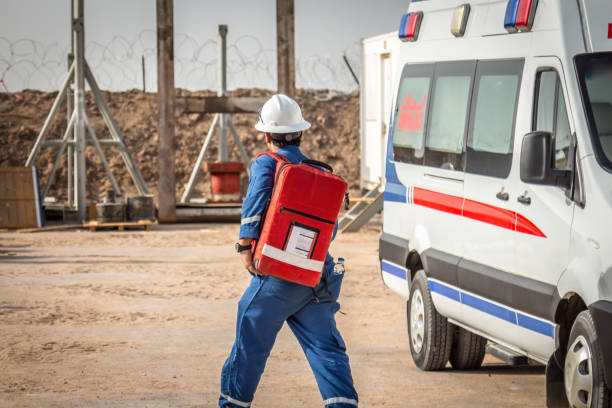
In case of emergencies, you can quickly reach the police by dialing 122 and contact medical services by dialing 115. It is important to familiarize yourself with these local emergency numbers as well as the contact details of your hotel to ensure prompt assistance whenever needed.
Medical Services
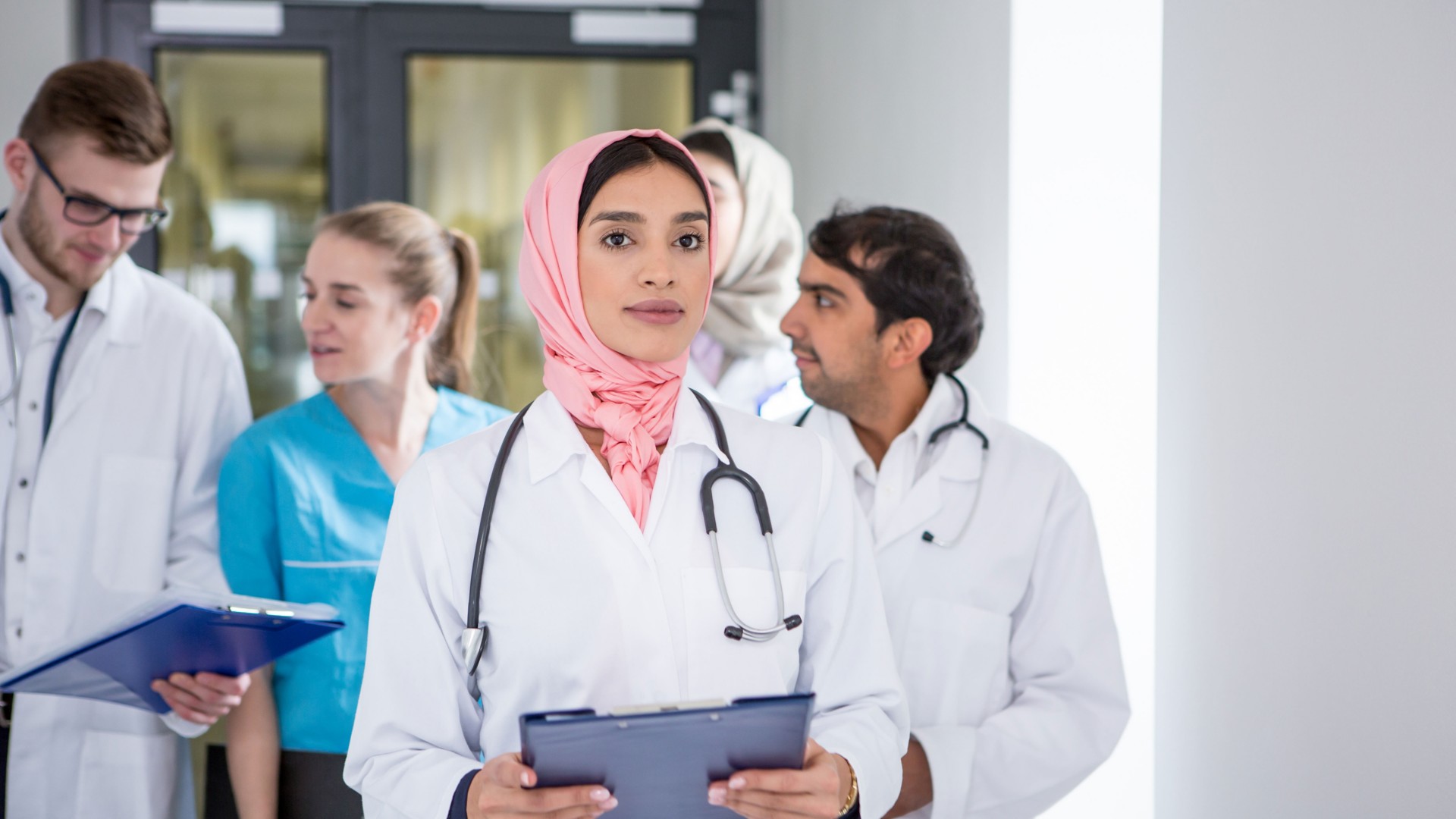
Healthcare quality can vary significantly depending on the location. Major cities often have hospitals equipped to cater to foreign nationals with diverse medical needs. It is highly advisable to secure comprehensive travel insurance that covers a wide range of medical emergencies to ensure peace of mind during your trip.
Pharmacies
💊 Pharmacies in Iraq
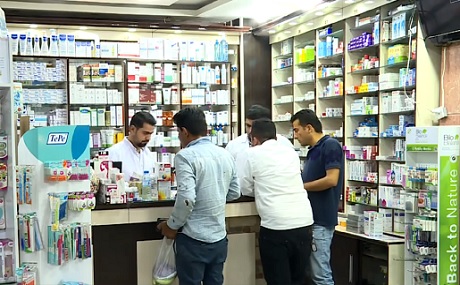
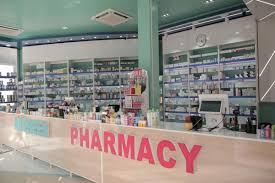
Pharmacies are commonly found in cities and towns throughout Iraq, especially near hospitals, clinics, and main roads. They stock a wide range of prescription and over-the-counter (OTC) medications, though quality and availability can vary by region.
Major Pharmacy Chains in Iraq
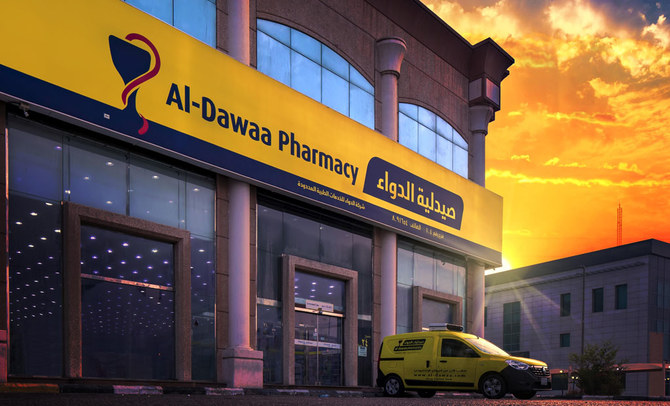
1. Al-Dawaa Pharmacy – A well-known regional chain offering a range of medicines, supplements, and personal care products.
2. City Pharmacy – Found in larger cities like Baghdad and Erbil, offering both local and some imported medications.
3. Yaroob Pharmacy – Popular for its wide selection and knowledgeable staff; offers OTC and prescription services.
4. Areej Pharmacy – Known in northern Iraq (particularly Kurdistan Region) for customer service and access to European-branded medicines.
5. Care Pharmacy – Offers a variety of pharmaceutical and cosmetic products; some branches have consultation services.
Other options: Independent pharmacies are the norm across Iraq and are usually reliable for common medications. Many pharmacists speak Arabic and/or Kurdish, with some English spoken in urban areas. 24-hour pharmacies are limited but can be found in major cities. Online & delivery services: Growing slowly, particularly in urban areas like Erbil and Baghdad. Some pharmacies offer phone ordering or delivery through WhatsApp or local delivery apps.
🩺 Common Over-the-Counter Medicines in Iraq
1. Paracetamol (e.g., Panadol, Apap) – Easily accessible for fever and pain relief. Ibuprofen (e.g., Brufen) – Widely used for inflammation and body aches; sold under several brand names.
2. Cold & flu combinations (e.g., Actifed, Fludrex) – Contain analgesics and decongestants for symptom relief.
3. Antihistamines (e.g., Loratadine, Cetirizine) – Commonly used for seasonal allergies and mild allergic reactions.
4. Cough syrups (e.g., Diphenhydramine, Dextromethorphan-based) – Available for dry or productive coughs.
5. Stomach remedies (e.g., antacids, loperamide, simethicone) – Used for heartburn, gas, and diarrhea.
6. Topical creams and ointments (e.g., antifungals, hydrocortisone, antibiotic creams) – Readily available for minor skin issues.
Culture & Foods
Culture: Iraq has a rich cultural heritage, and hospitality is highly valued. Engaging with local customs is appreciated.
🍽 Foods
Try local specialties such as:
1. Masgouf – Iraq’s national dish made of freshwater fish (usually carp), butterflied and slow-grilled over an open flame, often seasoned with tamarind and herbs.
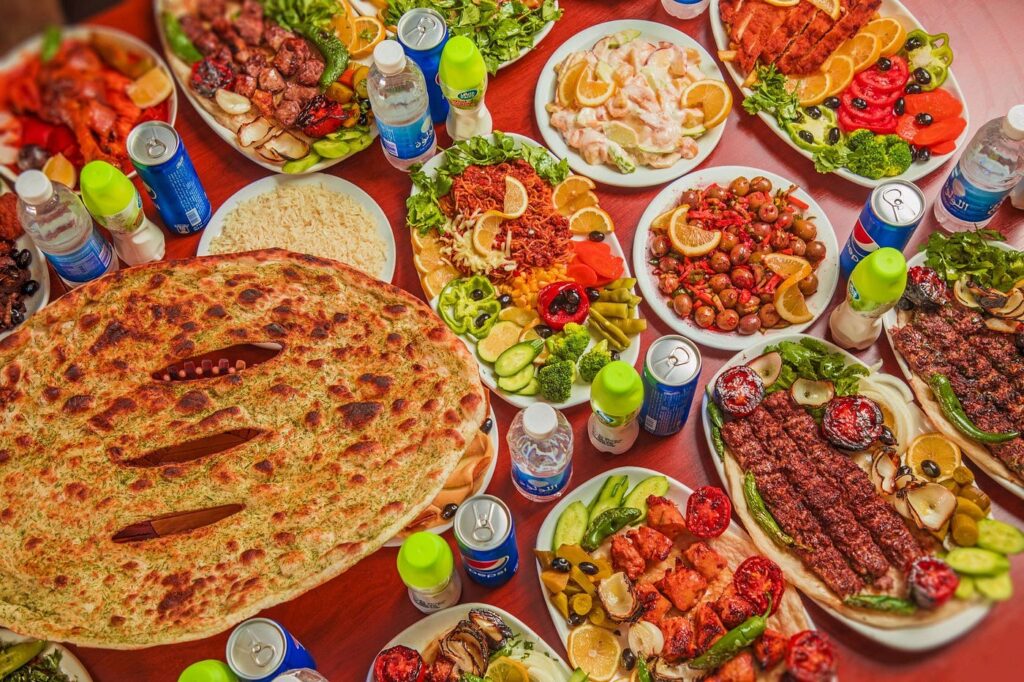
2. Kebab (Kebap) – Skewered, grilled minced lamb or beef, commonly served with grilled tomatoes, onions, and flatbread.
3. Dolma – A mix of vegetables (like grape leaves, eggplants, and peppers) stuffed with spiced rice and minced meat, simmered in tomato sauce.
4. Kubba (Kibbeh) – Deep-fried or boiled dumplings made with a shell of bulgur or rice and filled with minced meat, onions, and spices.
5. Tashreeb – A comfort food made by soaking pieces of flatbread in a rich meat or chicken broth, topped with chickpeas and vegetables.
6. Quzi (Qoozi) – A festive dish made with slow-roasted lamb or goat stuffed with rice, nuts, and raisins, served on a large tray.
7. Bagila Bil Dihin – A breakfast favorite made of fava beans cooked in oil and served with boiled eggs and Iraqi bread.
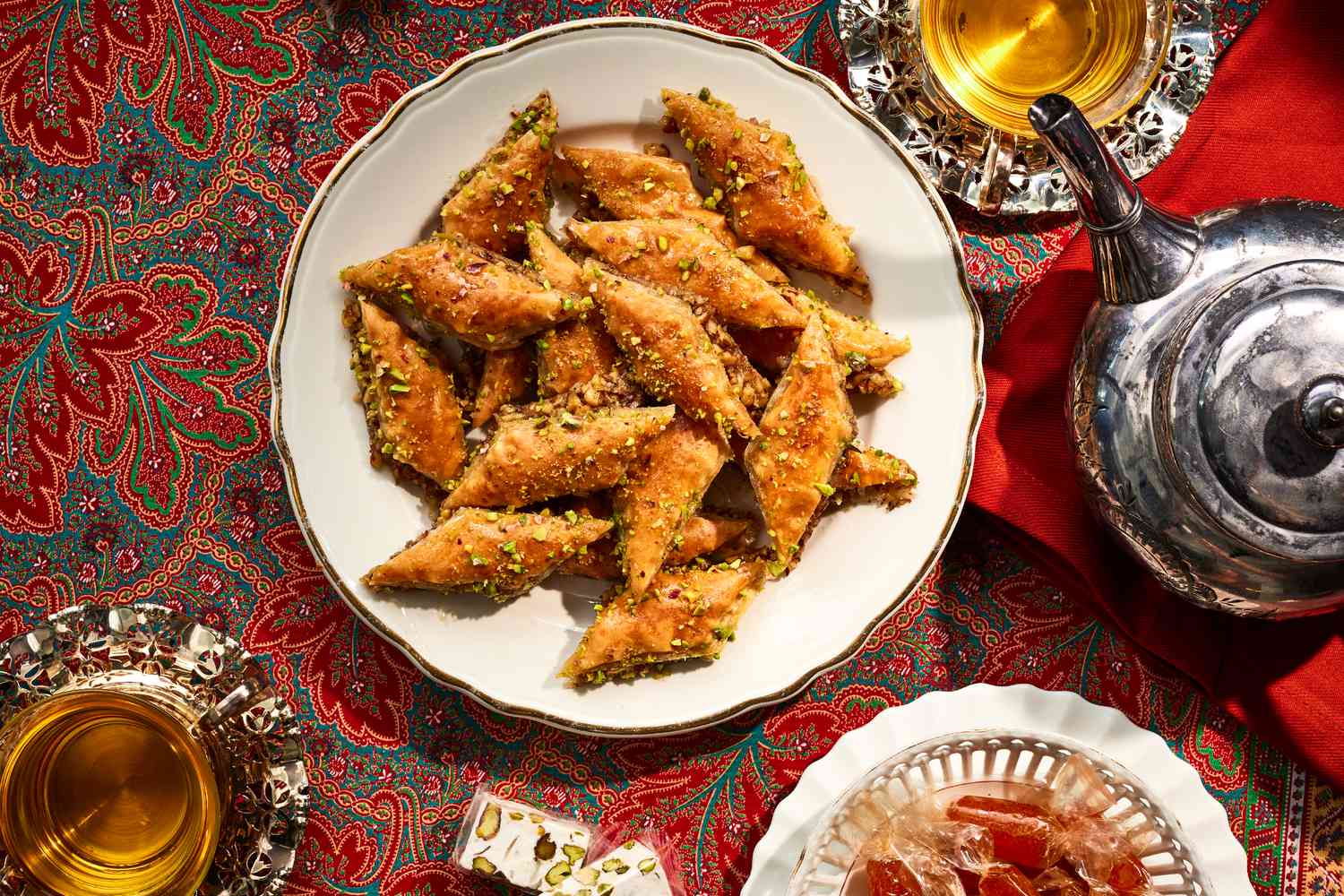
8. Kleicha – Traditional date-filled cookies flavored with cardamom and rosewater, especially popular during religious holidays.
9. Samoon Bread – A staple Iraqi bread with a slightly crispy exterior and soft interior, often eaten with almost every meal.
Others
By keeping these points in mind, you’ll be well-prepared for your business trip to Iraq. Safe travels!
Time Zone: GMT+3 (no daylight savings)
Transport: Taxis and ride-hailing (e.g., Careem) are prevalent; buses serve major cities.
Climate: Desert and continental climate extremely hot summers (40 – 50 °C), mild to cool winters (5 –15 °C).