Iran
Entry Visa
Visa Requirements: Most travelers require a visa to enter Iran.
e-Visa: Available for many nationalities, this can be applied for online for business or tourism purposes.
Regular Visa: If you need a longer stay or have specific business needs, apply through an Iranian embassy or consulate, providing necessary documentation.
Ensure your passport is valid for at least six months beyond your planned departure from Iran.
Major Airports
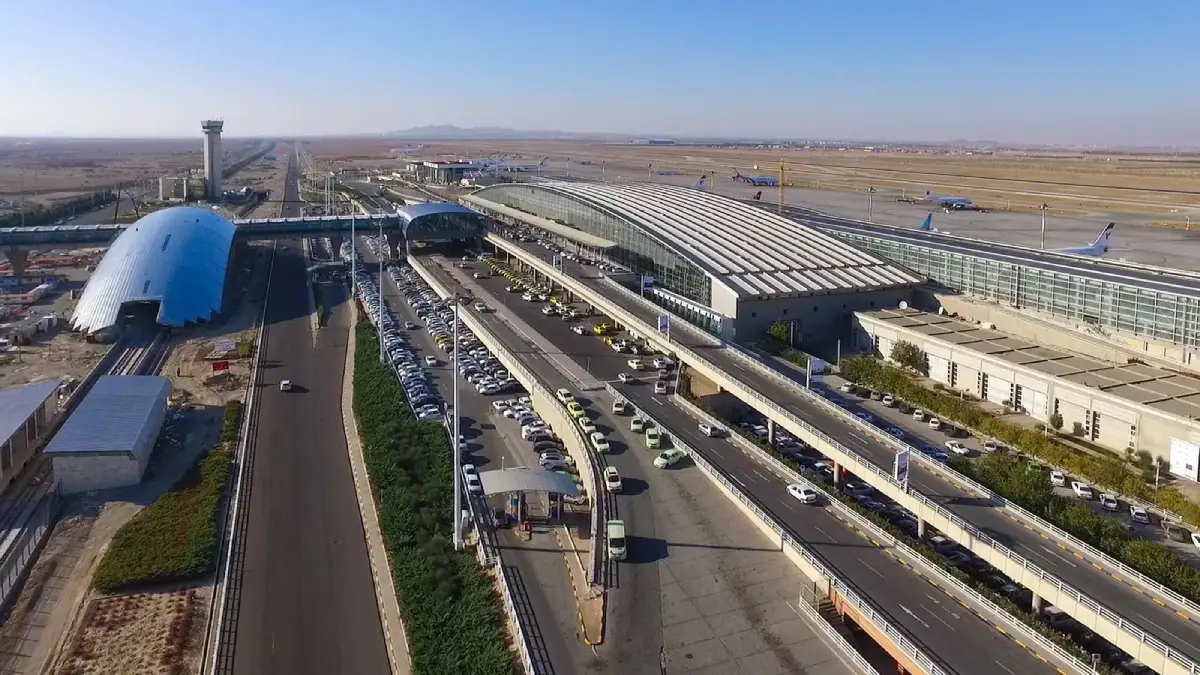
Imam Khomeini International Airport (IKA) in Tehran is the main international gateway.
Mehrabad Airport (THR) serves domestic flights.
Mashhad International Airport (MHD) Iran's second busiest, featuring international and domestic terminals,
Shiraz International Airport (SYZ) Serves both domestic and international flights
Tabriz International Airport (TBZ) Serves both domestic and international flights
Facilities: Airports offer basic amenities such as currency exchange, duty-free shops, and dining options. Expect heightened security checks.
Money Exchange
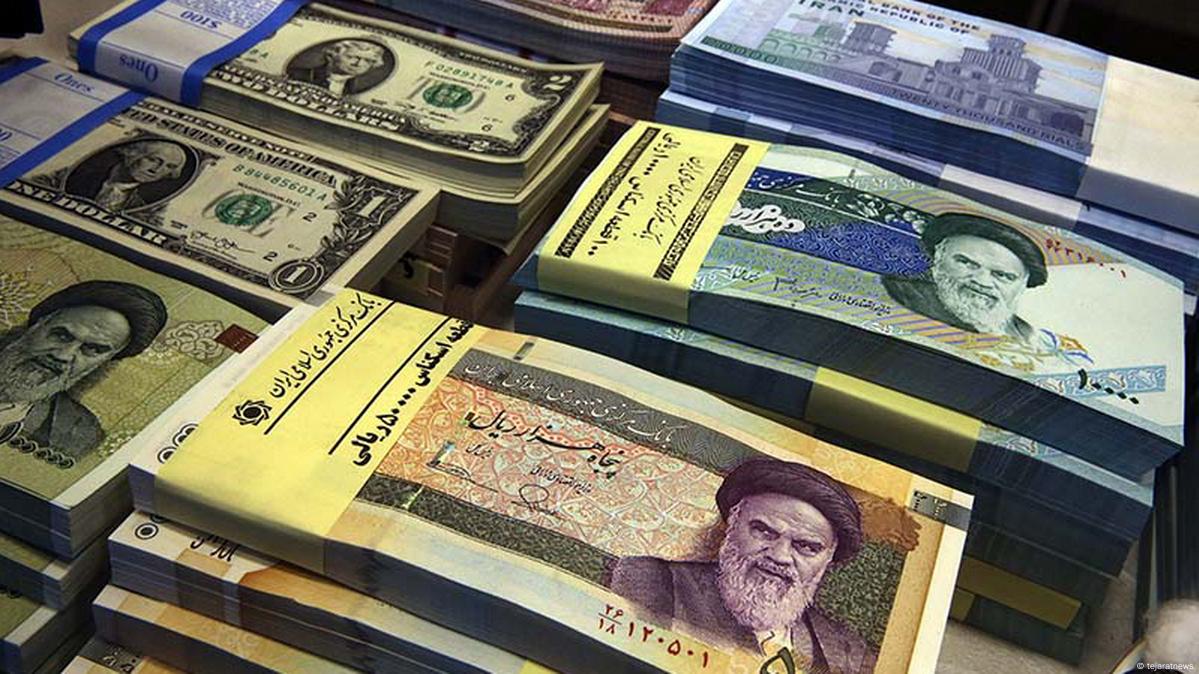
Currency: The Iranian Rial (IRR) is the local currency, though the Toman (1 Toman = 10 Rials) is commonly used in everyday transactions.
Exchanging Money: Currency exchange services are available at the airport and in major cities. Foreign credit/debit cards are mainly not accepted, so it’s safer to carry cash.
Dress Code
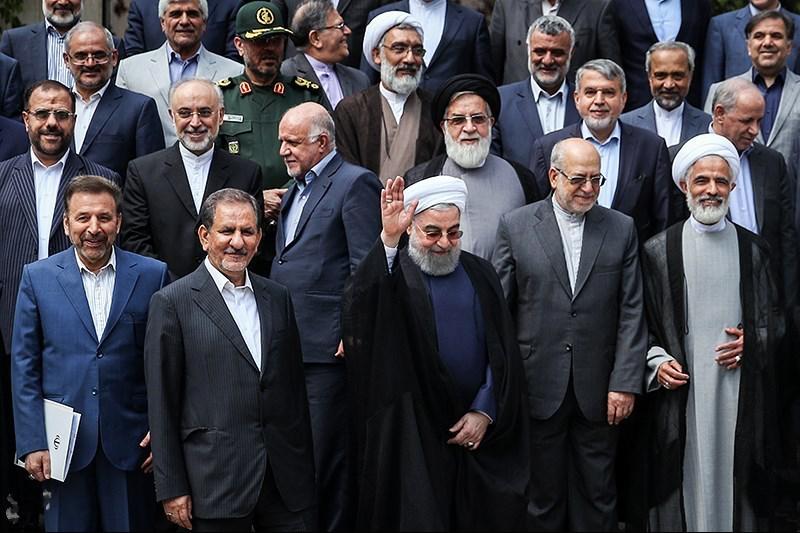
Modesty is important in Iranian culture.
Men: Business suits are standard; avoid short sleeves in formal settings.
Women: Long-sleeved tops and trousers are required. A headscarf is mandatory in public spaces. Wearing a long coat (manteau) over your clothing is also typical.
Language
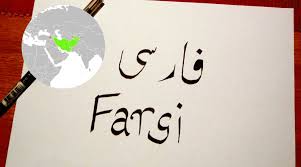
Persian (Farsi) serves as the official language throughout the country, deeply embedded in its rich cultural heritage. While English is commonly spoken in major cities and within business environments, acquiring some fundamental Persian phrases can greatly enhance communication and is often warmly welcomed by locals.
Telephone
International Dialing: To call Iran, use +98. Drop the leading zero from area codes when dialing internationally.
Local SIM Cards: Consider purchasing a local SIM card from providers like MCI or Irancell for affordable data and calls.
Internet
Internet connectivity is widely accessible in urban regions, providing users with the ability to browse various websites; however, popular social media platforms such as Facebook and Twitter are frequently restricted by local regulations. To overcome these limitations, many individuals rely on Virtual Private Networks (VPNs) which allow secure and private access to blocked content. Additionally, Wi-Fi services are commonly offered in hotels, cafes, and other public venues, ensuring that visitors and residents can stay connected with ease throughout the city.
Business Hours
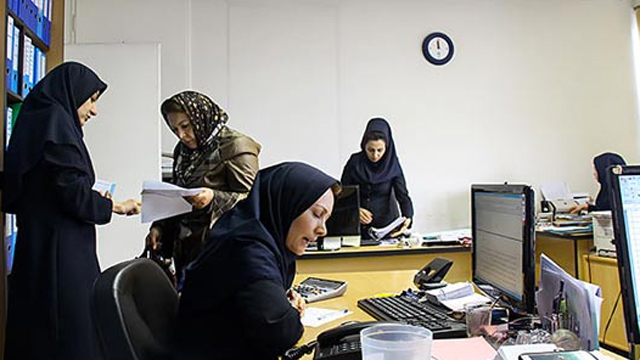
Typical business hours span from Saturday through Wednesday, operating daily from 8 AM until 5 PM, while on Thursdays, the hours are shortened to 8 AM through 1 PM. It is important to note that most businesses remain closed on Fridays, which is observed as the weekly holiday.
Punctuality
Punctuality is crucial in professional environments as it reflects respect and reliability. Being on time for meetings is not only expected but also helps maintain a smooth workflow, although occasional flexibility might be allowed depending on circumstances.
Meeting Etiquette
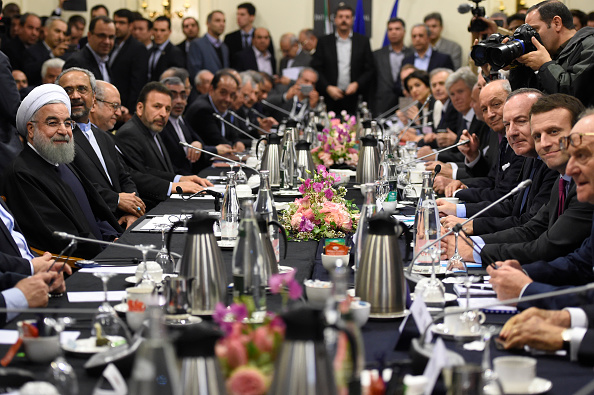
Building strong relationships is essential in professional settings. Meetings often start with casual small talk to establish rapport and ease into discussions. It is customary to exchange business cards; when presenting your card, use both hands as a sign of respect, and take a moment to carefully read the card you receive to show appreciation and attentiveness.
History of Major Football Incidents
Football is immensely popular in Iran, with a rich history. Notable incidents include:
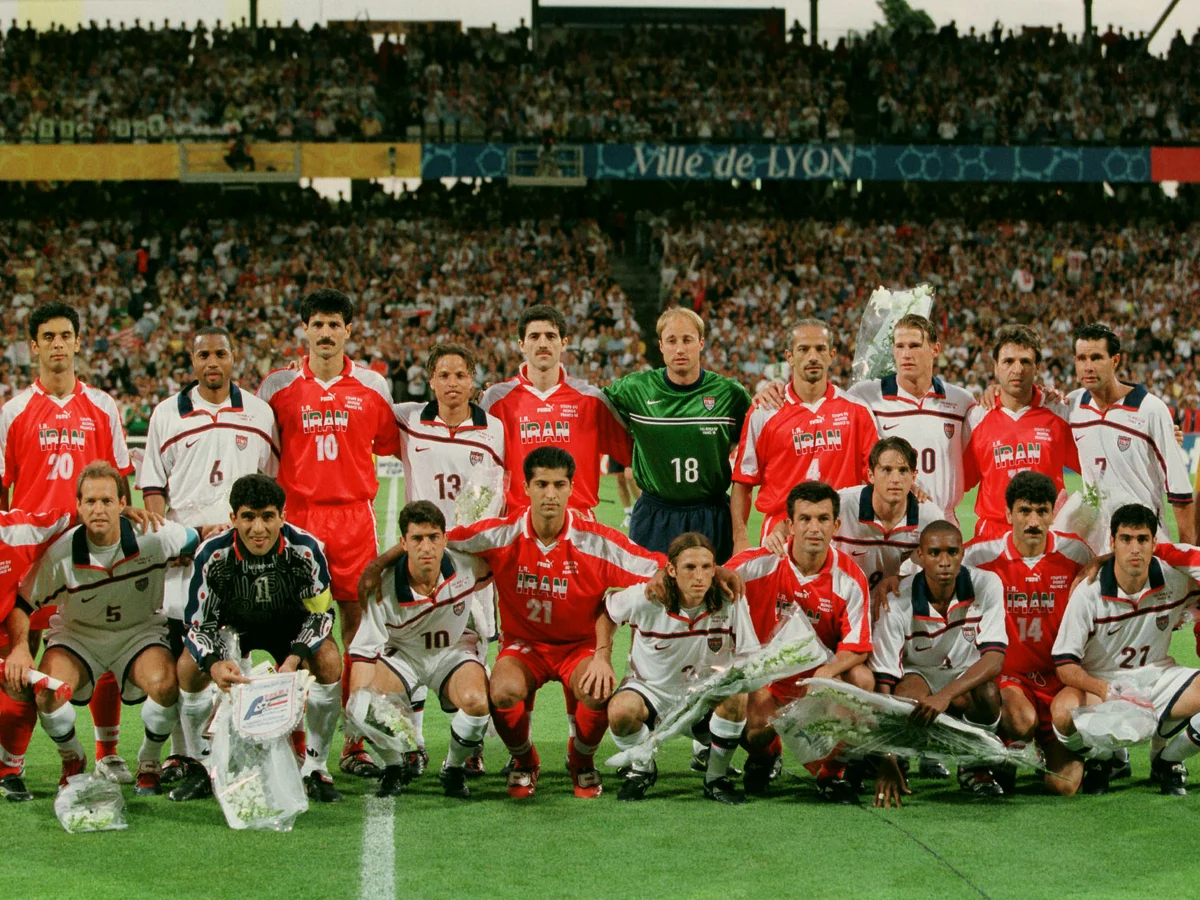
1998: Iran's historic victory over the USA in the World Cup.
2001: Controversial matches and management issues within the domestic league.
The national team is a source of pride, and matches often draw large crowds.
Natural Disasters
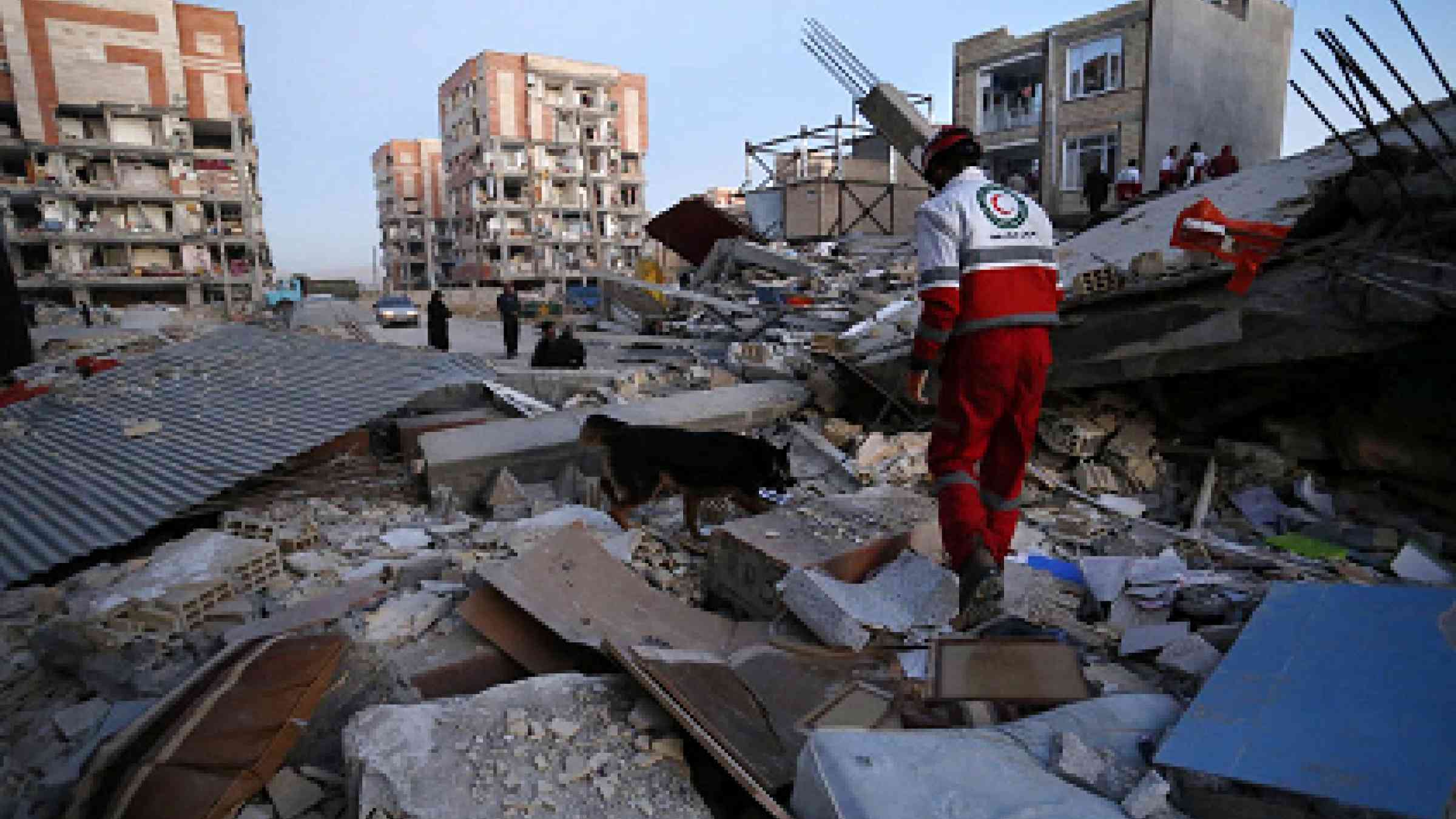
Iran experiences frequent seismic activity and thus earthquakes, especially in specific areas. It is crucial to stay updated on local conditions and adhere closely to any instructions or warnings issued by authorities to ensure your safety during your visit.
Emergency Response
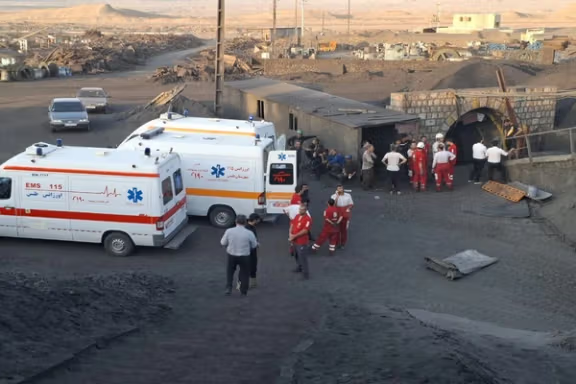
In case of any emergencies, you should immediately dial 115 for medical assistance or 110 for police support. It is highly recommended to familiarize yourself with your hotel's contact details as well as the local emergency service numbers to ensure you can quickly get help when needed.
Medical Services
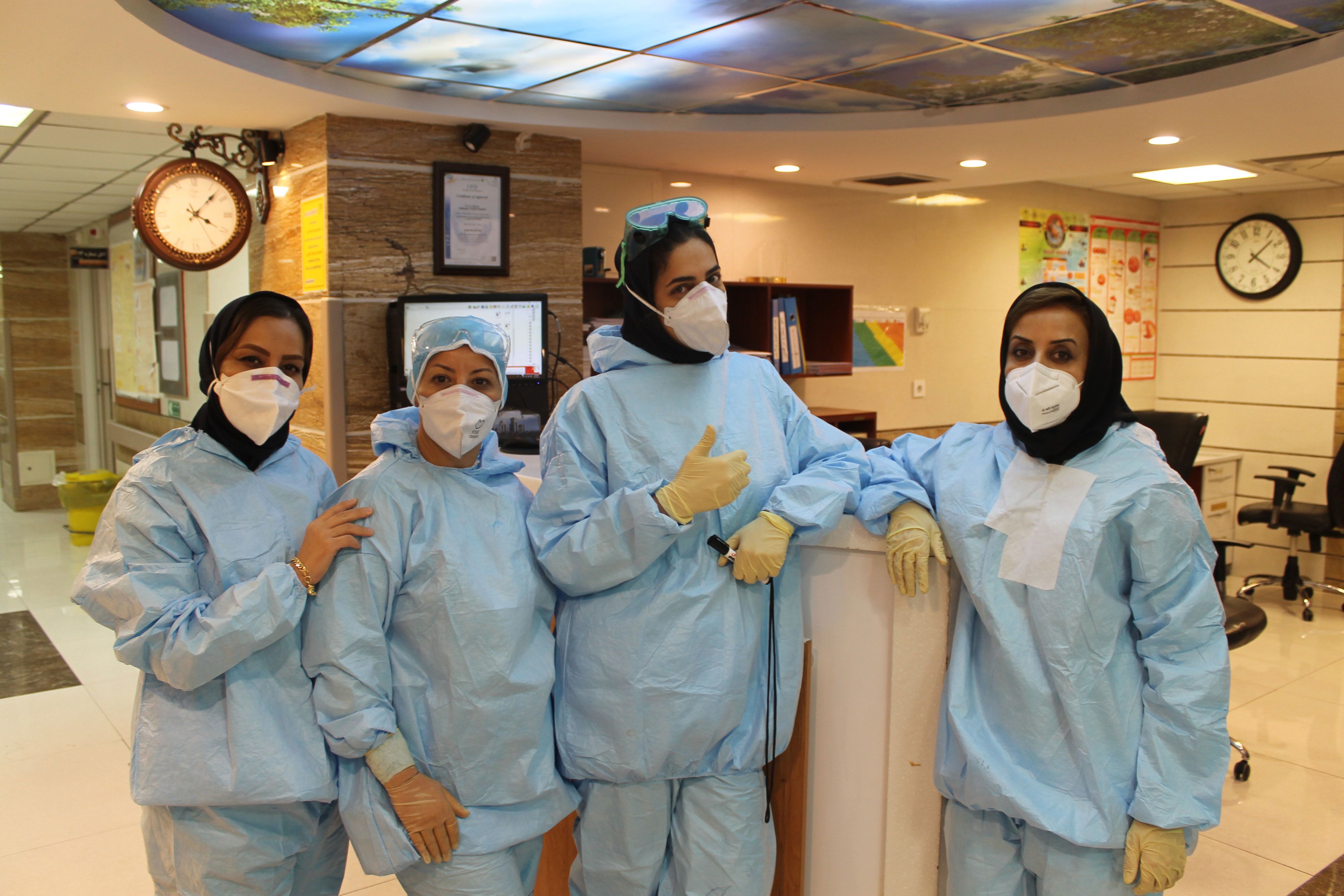
Healthcare quality can vary significantly depending on the location. While major cities are home to hospitals and medical facilities that meet or even exceed international standards, travelers should always be prepared for unexpected health issues. It is highly recommended to secure comprehensive travel insurance that not only covers routine medical care but also provides extensive coverage for medical emergencies, evacuation, and specialized treatments to ensure peace of mind during your trip.
Pharmacies
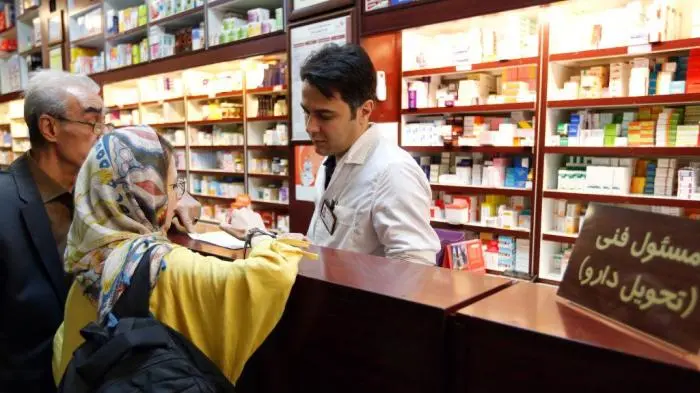
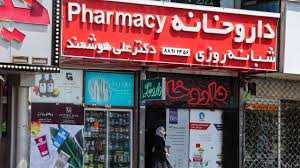
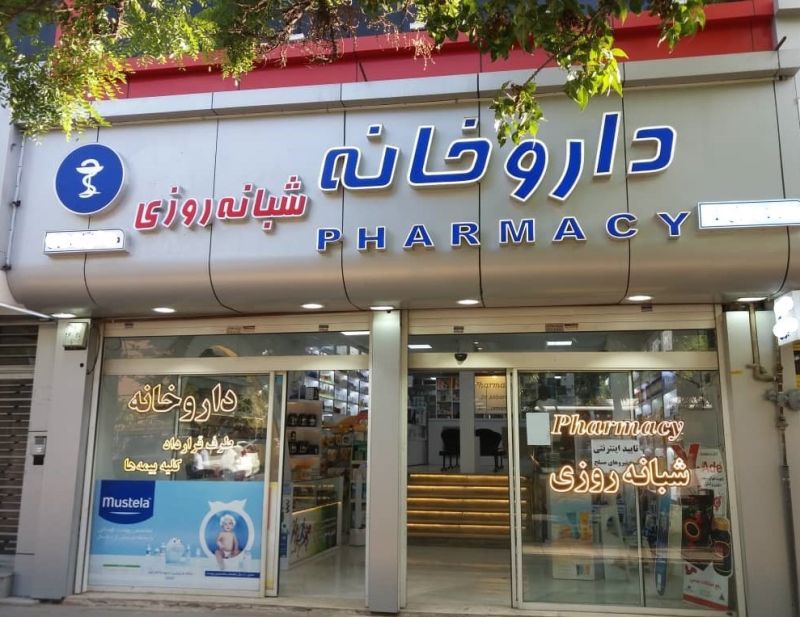
Pharmacies are widely available across Iran, especially in urban areas and near hospitals or clinics. Both prescription and over-the-counter (OTC) medications can be accessed easily, although some medications that are OTC elsewhere may require a prescription in Iran.
💊Major Pharmacy Chains
1. Dr. Abidi Pharmacy – One of Iran’s well-known pharmacy brands, offering both local and imported medicines, health supplements, and skincare products.
2. Shafa Pharmacies – A trusted name in many cities, offering prescription services and basic medical supplies.
3. Jam-e-Jam Pharmacy – Located in major cities like Tehran, known for its wide selection of medications and imported health products.
4. 7-E Mehr Pharmacy Group – A growing pharmacy chain that also provides online services and delivery in select regions.
5. Tehran’s 13 Aban Pharmacy – A central pharmacy with an extensive range of medications, including some rare or imported drugs; often recommended by locals and doctors.
Other options: Independent pharmacies are widespread and often reliable. Most pharmacists can offer advice in Farsi, and some in English, especially in larger cities. Pharmacies are usually open during regular business hours, though a few offer 24-hour service in Tehran and other major urban centers.
Online & delivery services: While online pharmacy services are growing, they are less widespread than in some countries. Some large chains and platforms offer local delivery, especially in Tehran, via apps or phone orders.
🩺 Common Over-the-Counter Medicines
1. Paracetamol (e.g., Acetaminophen) – Commonly used for headaches, fever, and minor aches; widely available.
2. Ibuprofen (e.g., Brufen) – Used for pain and inflammation relief; typically sold in pharmacies with dosing guidance.
3. Cold & flu medications (e.g., Codral, Decamin) – Contain combinations of antihistamines, decongestants, and pain relievers for multi-symptom relief.
4. Antihistamines (e.g., Loratadine, Cetirizine) – Used for allergies, hay fever, and mild allergic reactions. 5. Throat lozenges & sprays (e.g., Strepsils, Tantum Verde) – Available for soothing sore throats and mouth irritation.
6. Stomach remedies (e.g., Antacids, Bismuth subsalicylate) – Used for heartburn, indigestion, and mild diarrhea; charcoal tablets are also common. Topical ointments (e.g., hydrocortisone, antibiotic creams) – Available for skin irritations, cuts, and rashes.
Culture & Foods
Culture: Iran boasts a rich cultural heritage, and hospitality is highly valued. Engaging with local customs is appreciated.
Foods:
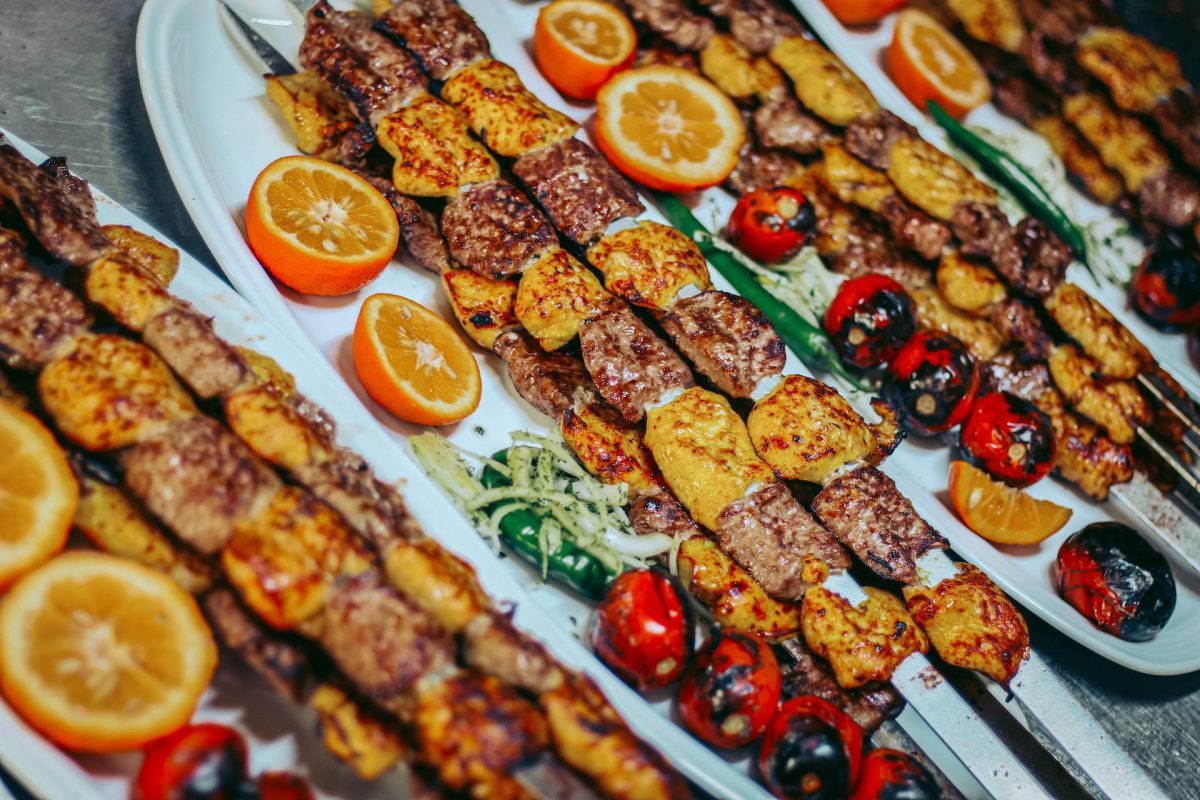
1. Kebabs – A staple dish in Iran, typically made with marinated meat (lamb, chicken, or beef), grilled and served with saffron rice and charred tomatoes.
2. Fesenjan – A luxurious stew made with ground walnuts and pomegranate molasses, usually cooked with chicken or duck, offering a rich, sweet-sour flavor.
3. Tahdig – The crispy, golden crust of rice formed at the bottom of the pot, often infused with saffron or layered with potatoes or bread, considered a prized delicacy.
4. Ghormeh Sabzi – A herbaceous stew made with parsley, cilantro, fenugreek, kidney beans, and dried limes, typically cooked with lamb or beef.
5. Zereshk Polo – Fragrant saffron rice mixed with barberries, often served with roasted chicken, combining tangy and savory flavors.
6. Ash Reshteh – A hearty noodle and bean soup thick with herbs, often topped with kashk (fermented whey) and fried onions, popular during colder months and festivals.
7. Baghali Polo – Rice cooked with dill and fava beans, often served with lamb shank, especially popular during large gatherings and celebrations.
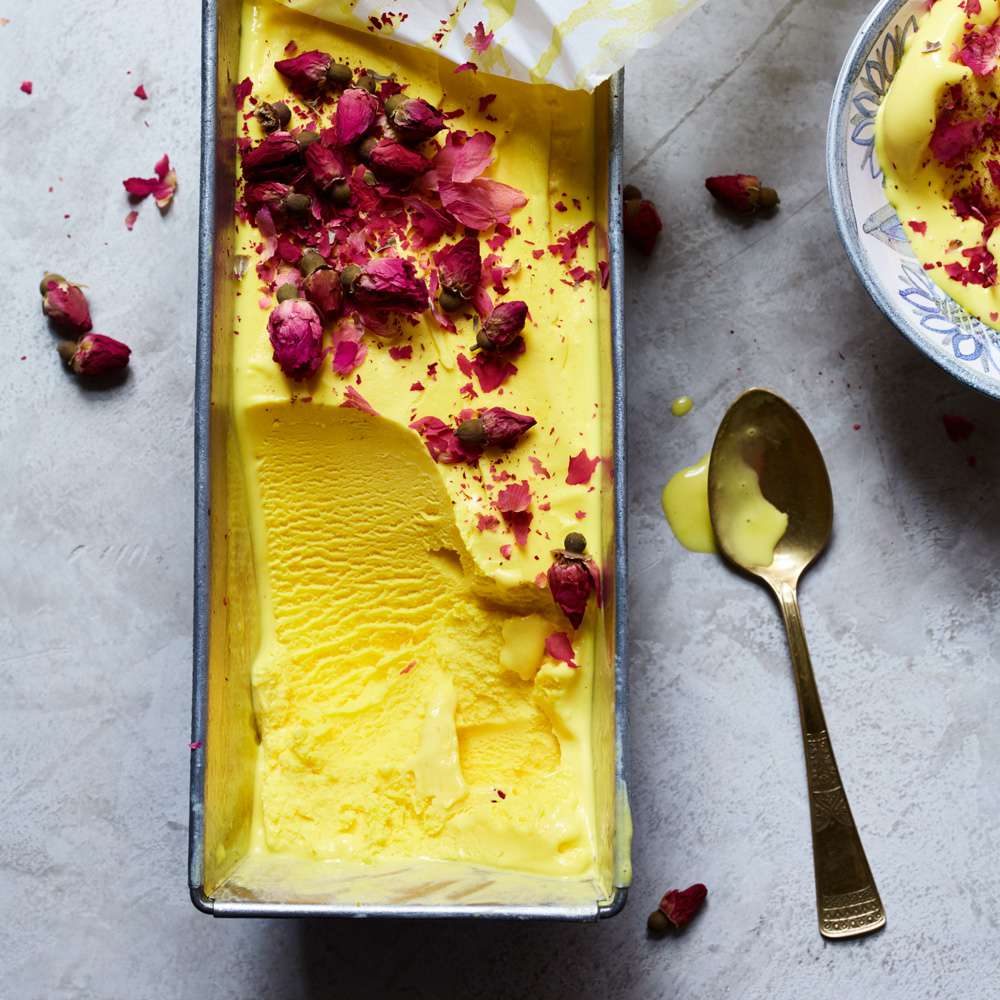
8. Saffron Ice Cream (Bastani Sonnati) – A traditional frozen dessert flavored with saffron, rosewater, and pistachios, sometimes mixed with flakes of frozen cream.
9. Shirazi Salad – A refreshing mix of cucumber, tomato, and red onion finely chopped and dressed with lemon juice and dried mint, often served as a side dish.
Others
By keeping these points in mind, you’ll be well-prepared for your business trip to Iran. Safe travels!
Time Zone: GMT+3:30.
Transport: Taxis, metro (Tehran), domestic flights connecting major cities.
Climate: Continental – hot summers, cold winters.