Indonesia
Entry Visa
Visa requirements: Most travelers need a visa to enter Indonesia for business purposes. Common visa types include:
Visa on Arrival (VoA): Available for certain nationalities for short stays (up to 30 days) and can be extended once for another 30 days.
Business Visa: For longer stays or specific business activities. This requires an invitation letter from an Indonesian company.
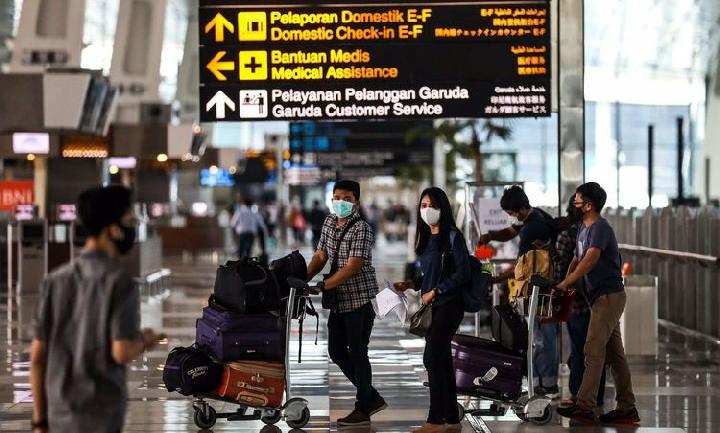
Before exiting the airport, travellers are required to complete both Customs and Health Form online (by scanning a QR code inside the airport terminal)Before exiting the airport, travellers are required to complete both Customs and Health Form online (by scanning a QR code inside the airport terminal)
Major Airports
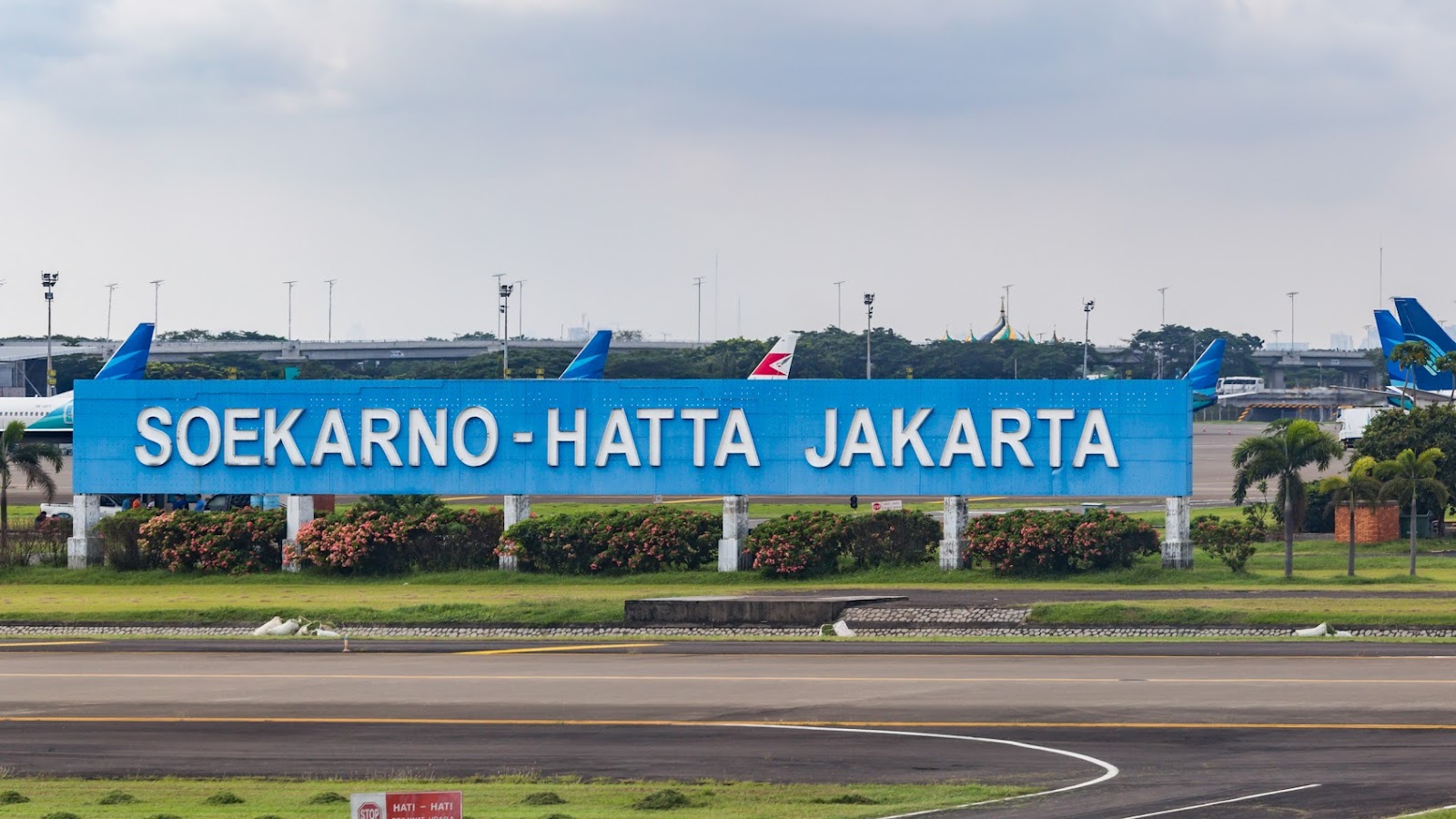
Soekarno-Hatta International Airport (CGK) in Jakarta is the main international gateway.
Ngurah Rai International Airport (DPS) in Bali is another significant airport for business travelers and tourists.
Juanda International Airport (SUB) East Java’s main hub
Sultan Hasanuddin International Airport (UPG) Serves South Sulawesi
Kualanamu International Airport (KNO) Gateway to North Sumatra
Supadio International Airport (PNK) International status since 2017
Facilities: Both airports offer amenities like lounges, dining options, and duty-free shops. Expect security checks and be prepared for potential delays.
Money Exchange
Currency: The Indonesian Rupiah (IDR) is the local currency.
Exchanging Money: Currency exchange services are available at airports, banks, and authorized exchange bureaus. ATMs are widely accessible in urban areas, but it's advisable to carry cash for smaller transactions.
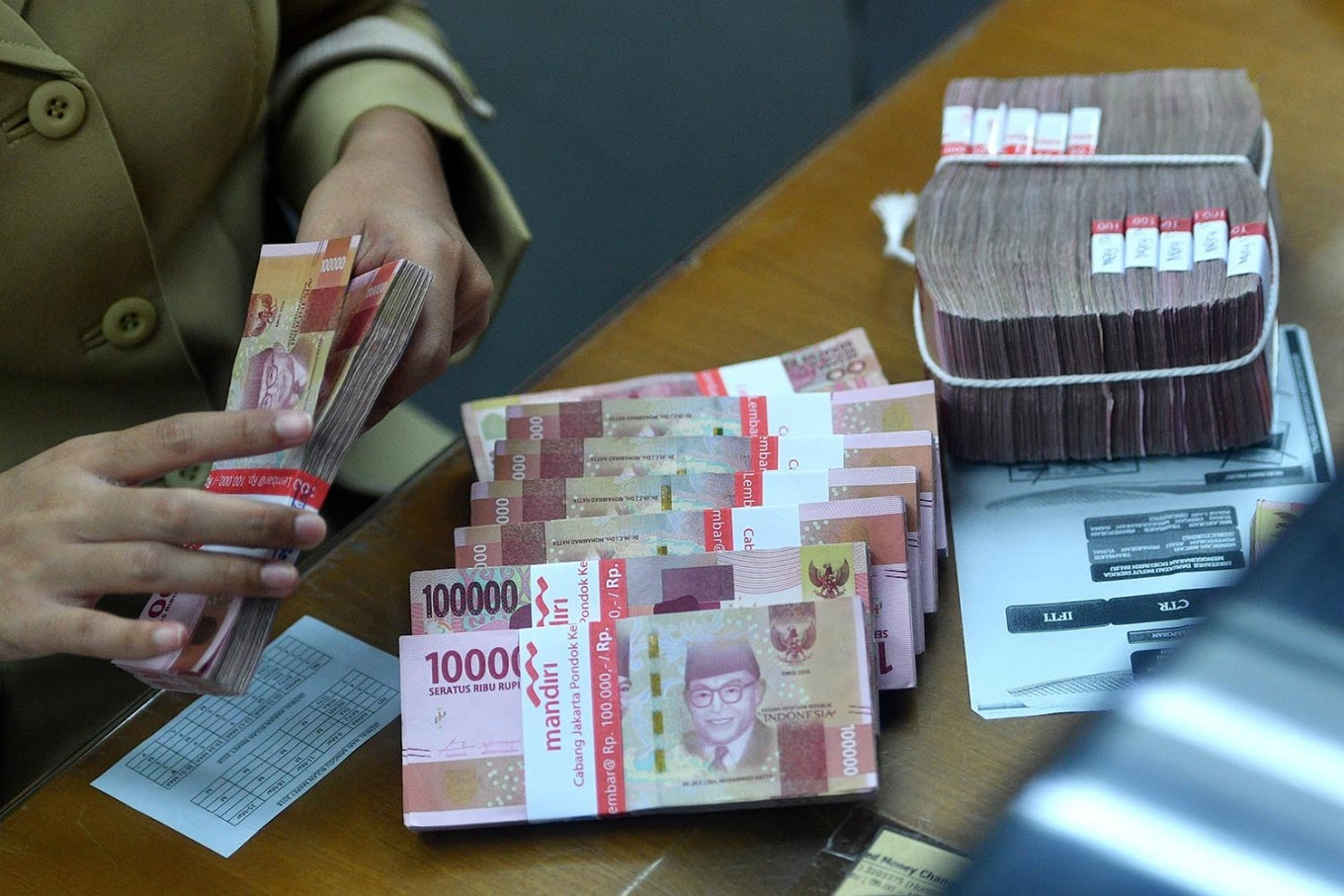
Money exchange counters at airports are giving good rates (very similar to hotels and banks). So, it's advisable to carry one to two million rupiahs cash with you. Indonesia is one of the few countries you can be millionaires!
Dress Code
Men: Suit or collared shirt and slacks.
Women: Professional dress or suit; modest coverage recommended, especially in conservative areas.
Batik:
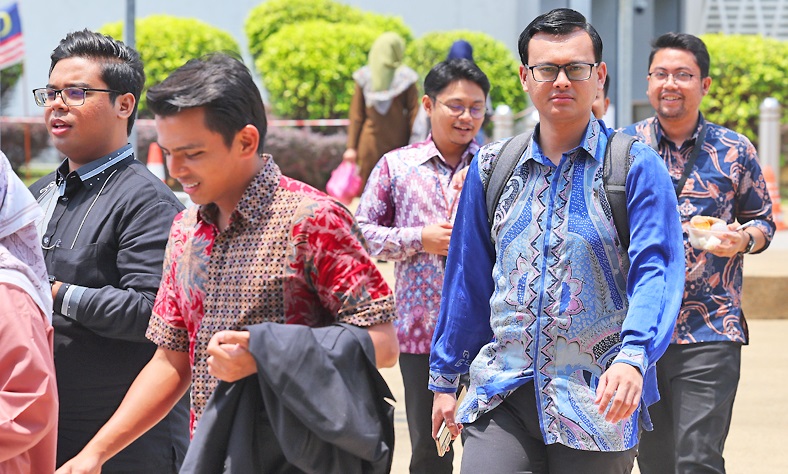
In Indonesia, it is common and appropriate to wear batik for business meetings, especially for mid-level and formal occasions. It is a respected and versatile option that showcases cultural appreciation and can be worn in many professional settings.
Language
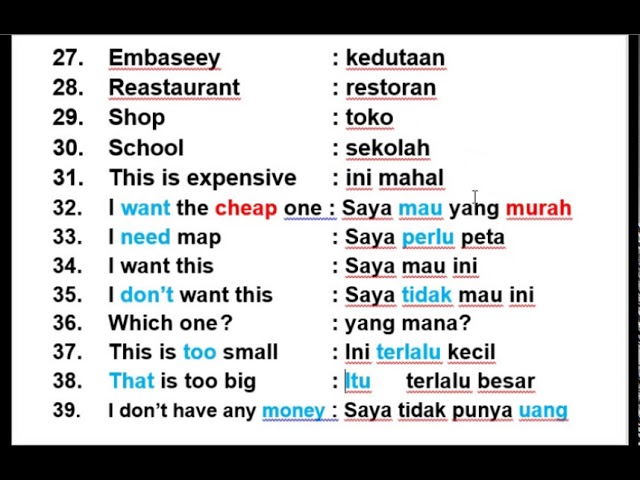
Indonesian (Bahasa Indonesia) is the official language. While English is commonly spoken in business circles, particularly in urban areas, having a few phrases in Indonesian can be helpful.
Basic Phrases
Selamat pagi: Good morning
Selamat siang: Good day (used from around 11 am to 3 pm)
Selamat sore: Good afternoon (used from around 3 pm to 6 pm)
Selamat malam: Good evening/night (used from around 6 pm)
Halo: Hello (informal)
Apa kabar?: How are you? Polite expressions
Terima kasih: Thank you
Sama-sama: You're welcome
Tolong: Please
Maaf: Sorry
Permisi: Excuse me
The locals will address someone of same or higher position as "Bapak" or "Pak" (for men) and "Ibu" (for women). But you don't use it to address someone junior to you.

Telephone
International Dialing: To call Indonesia, use +62. Drop the leading zero from area codes when dialing internationally.
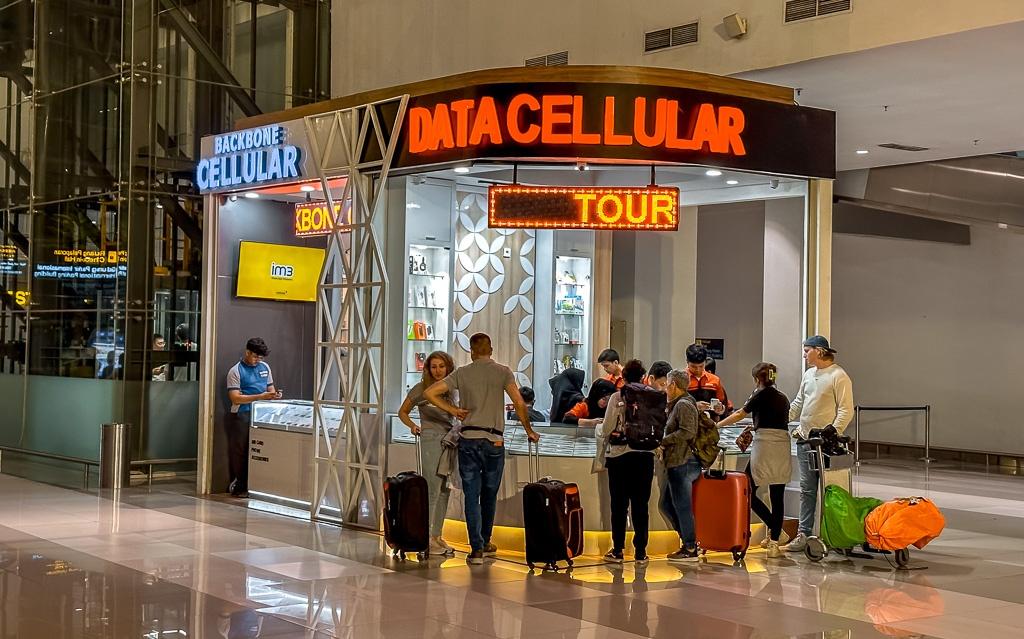
Local SIM Cards: Consider purchasing a local SIM card from providers like Telkomsel, XL Axiata, or Indosat for affordable data and calls. If the LOC is not providing, getting the local SIM at the airport is advisable
Internet
Internet access is generally good in major cities, with many hotels and cafes offering free Wi-Fi. However, connectivity may vary in rural areas. Consider having offline access to important documents.
Business Hours
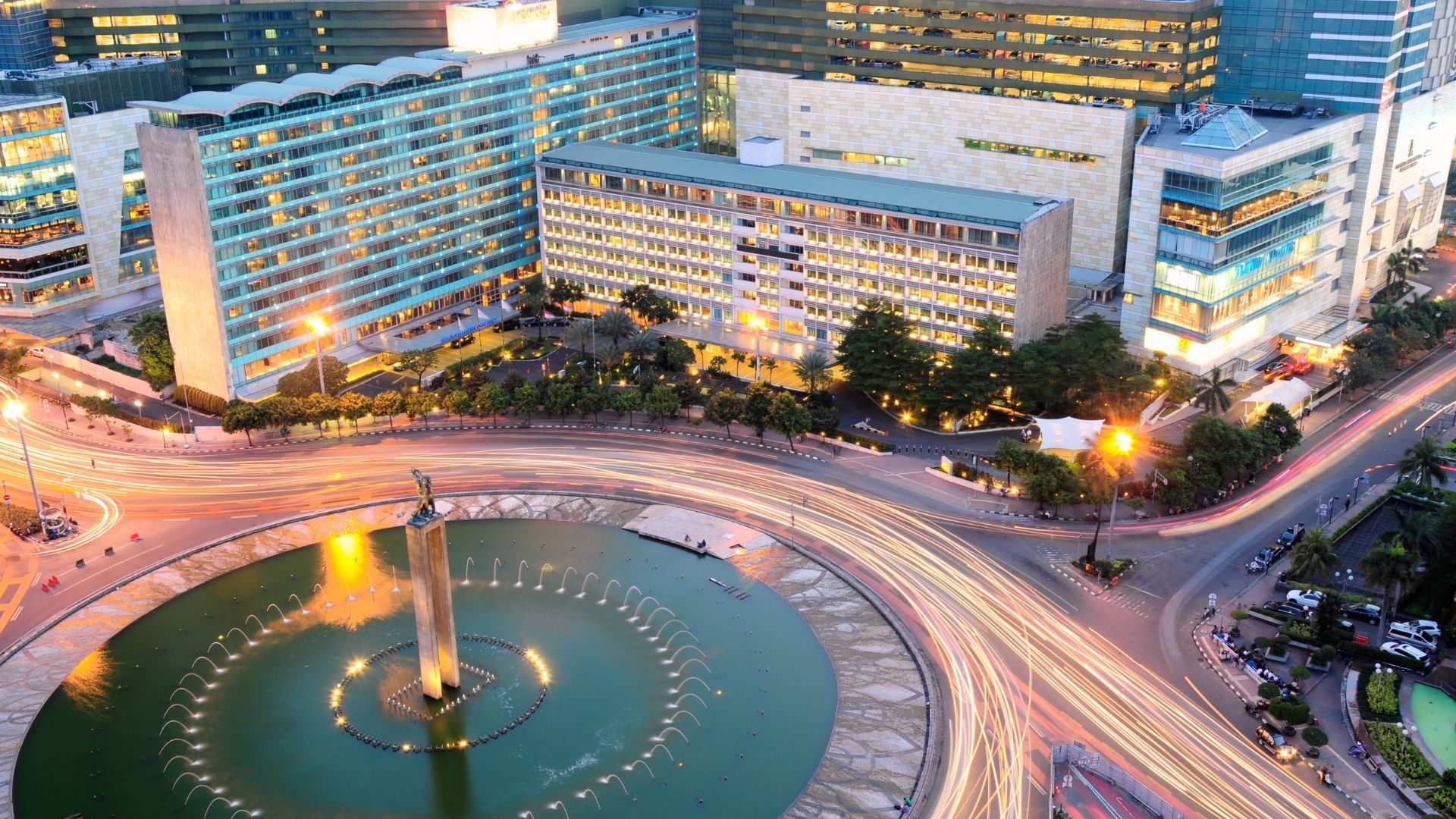
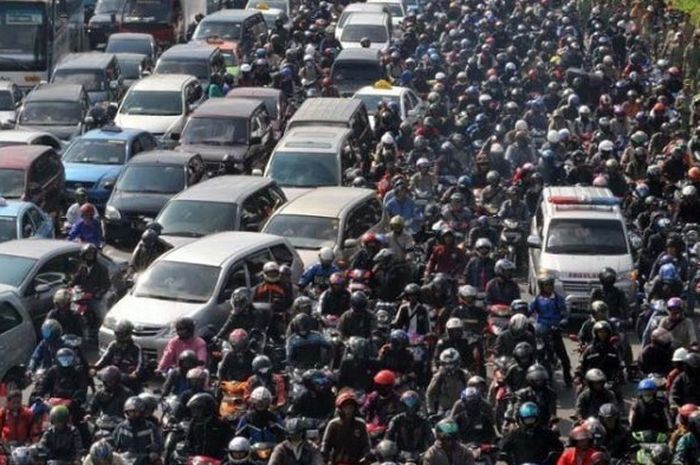
Typical business hours are Monday to Friday, from 9 AM to 5 PM, though some businesses may close for lunch. Many companies may also operate on Saturday mornings.
Since majority of the populations are Muslim, most of the offices have longer breaks for the Friday Prayers. The Holy month of Ramadan will also affect the business time.
Punctuality
Punctuality is important in business culture, but there may be some flexibility. Arriving on time is appreciated, but meetings may start a little later than scheduled.
In Indonesia, office punctuality is often viewed with cultural flexibility, contrasting with stricter Western standards. While official work hours generally exist, practices are influenced by concepts such as "jam karet," (A popular phrase in Indonesia is jam karet, or "rubber time," which implies that time can be stretched and manipulated. Being late is common and often tolerated, and a manager or superior may be late to a meeting without explanation. For those from cultures with stricter punctuality norms, this requires adaptation and patience.)


Meeting Etiquette
Building personal relationships is crucial in Indonesian business culture. Meetings often begin with small talk, and exchanging business cards is customary. When presenting, be respectful and courteous, and use both hands when giving or receiving cards.
More info
https://www.bluente.com/blog/8-indonesian-business-etiquette-you-need-to-know
History of Major Football Incidents
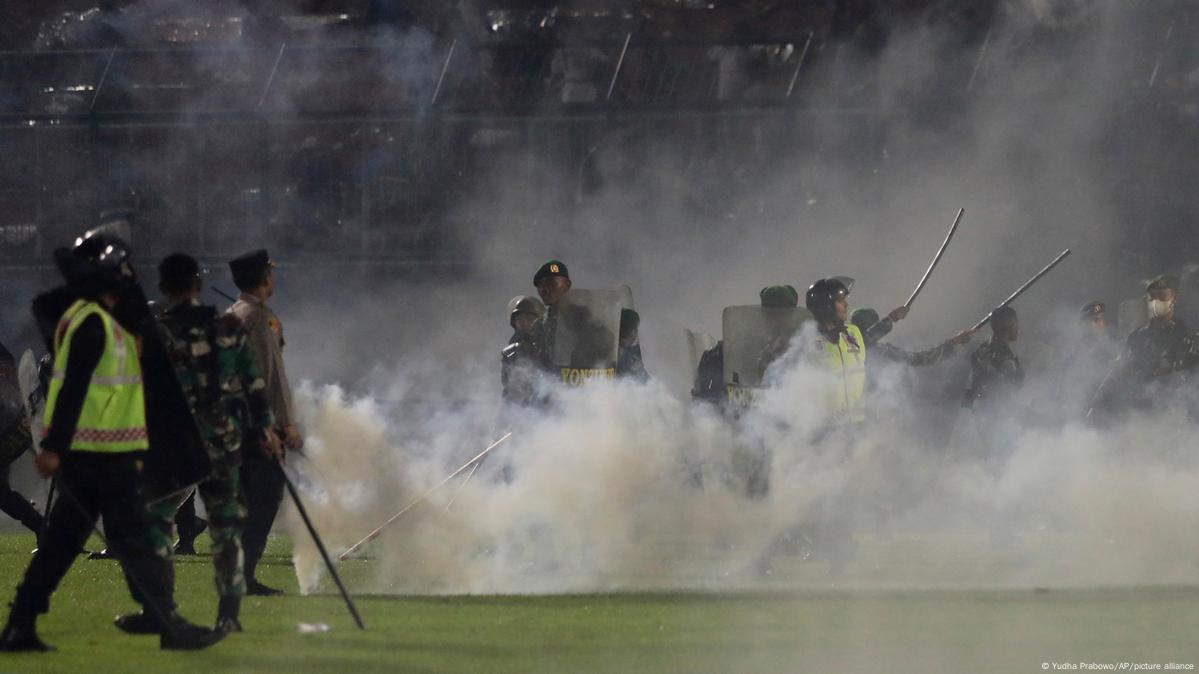
Football is the most popular sport in Indonesia, there are tens of millions football fans and ultras are very common. Thus, riots and chaos before, during and after high tension matches are very common. Working closely with local polices and security forces are essential.
Tragedies in Stadiums: Past incidents that causes football fans death have raised concerns about safety during matches. Deep understanding local football culture can enhance conversations with stakeholders.
Natural Disasters
Indonesia is prone to natural disasters, including earthquakes, volcanic eruptions, and floods. Stay informed through local news and weather services, especially during the rainy season (November to March).
Volcano
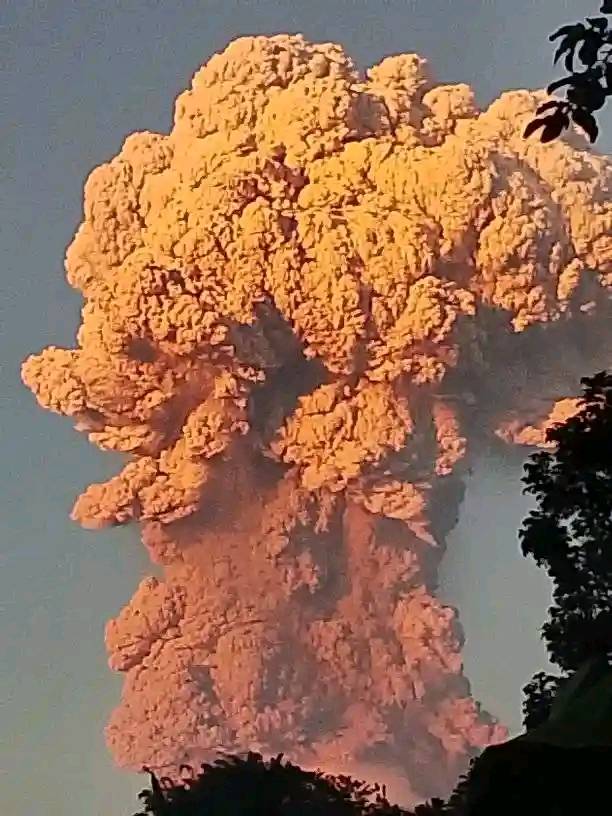
There were more than 10 volcano eruptions in Indonesia in the last 24 months. Such incidents might flights cancellation and delay.
Earthquake
Indonesia is one of the most seismically active regions in the world, as it sits right on the Pacific "Ring of Fire," where several major tectonic plates meet and constantly collide. This means earthquakes, both minor and major, are a daily occurrence.
Emergency Response
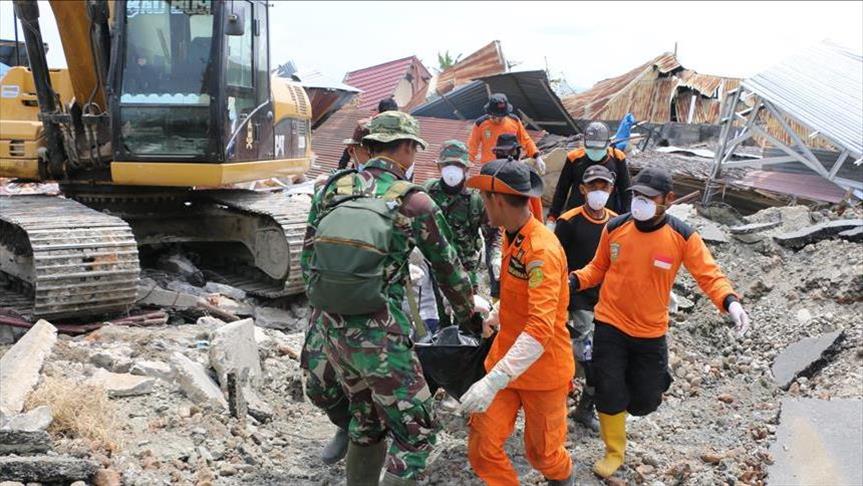
Indonesia's emergency response system is a multi-layered structure involving national and local government bodies, as well as the Red Cross, communities, and international partners. As one of the world's most disaster-prone countries, Indonesia's system is frequently activated to respond to earthquakes, tsunamis, floods, and volcanic eruptions.
In an emergency, you can dial 112 for police, fire, and ambulance services. It’s advisable to have the contact information for your hotel and local authorities readily available.

Medical Services
Healthcare quality varies across Indonesia, with major cities having hospitals that cater to foreigners. Comprehensive travel insurance that covers medical emergencies is recommended.
Private healthcare
Better quality: Private hospitals are generally preferred by expats and those who can afford it, as they offer a higher standard of care.
Improved facilities: Major cities have some of the best hospitals in the country, but many private facilities also focus on medical tourism with luxurious amenities.
English-speaking staff: Staff in private facilities are more likely to speak English.
Pharmacies
The major pharmacy chains in Indonesia are Kimia Farma, Apotek K-24, Guardian, Watsons, and Century. The Indonesian word for pharmacy is "apotek".
Major pharmacy chains
Kimia Farma: A large pharmacy chain that is state-owned. They have locations across Indonesia, including tourist areas like Bali.
Apotek K-24: Known for being open 24 hours a day and for having a "100% genuine medicine" guarantee. They are widely available, with a strong presence in urban centers like Jakarta and tourist hubs.
Guardian: A well-known health and beauty retail chain with a pharmacy section. They have a presence in many Indonesian cities.
Watsons: Another health and beauty retail chain that also operates pharmacies in Indonesia.
Century: A pharmacy chain that is a prominent competitor in the Indonesian pharmacy retail market


Culture & Foods
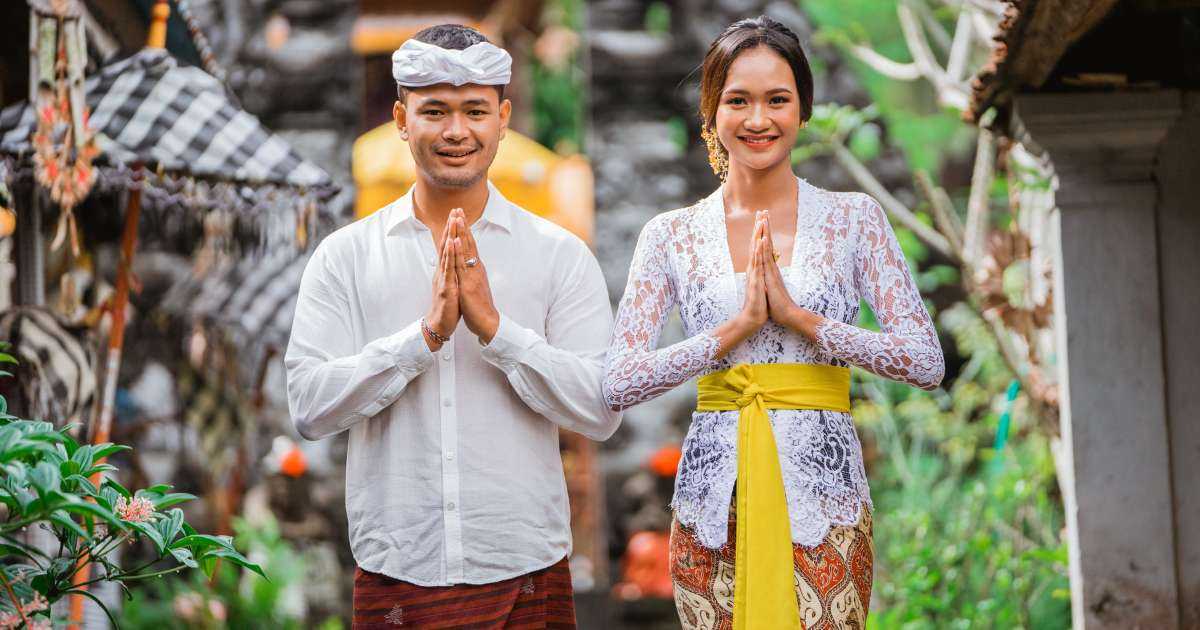
Culture: Indonesia local culture Indonesia's local culture is a complex and diverse tapestry woven from over 600 ethnic groups, indigenous customs, and centuries of foreign influences. As an archipelago, the country's local traditions, language, and customs vary significantly from island to island, reflecting a history of interaction with traders, missionaries, and colonizers from India, the Middle East, China, and Europe.
https://makeyourasia.com/indonesia/indonesian-culture.html
Foods
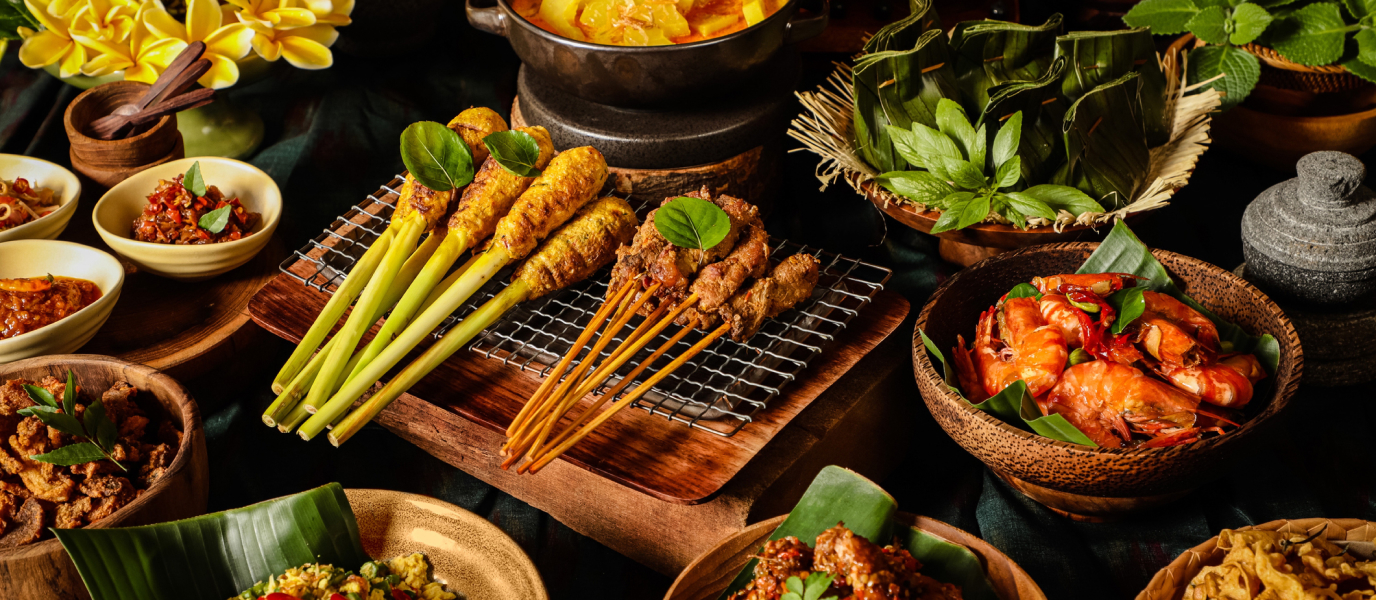
If you have not tried the Nasi Goreng, Sate and Nasi Padang Indonesia, you have not eaten any Indonesia foods.
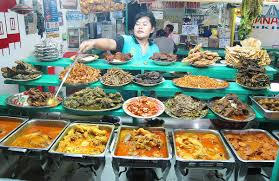
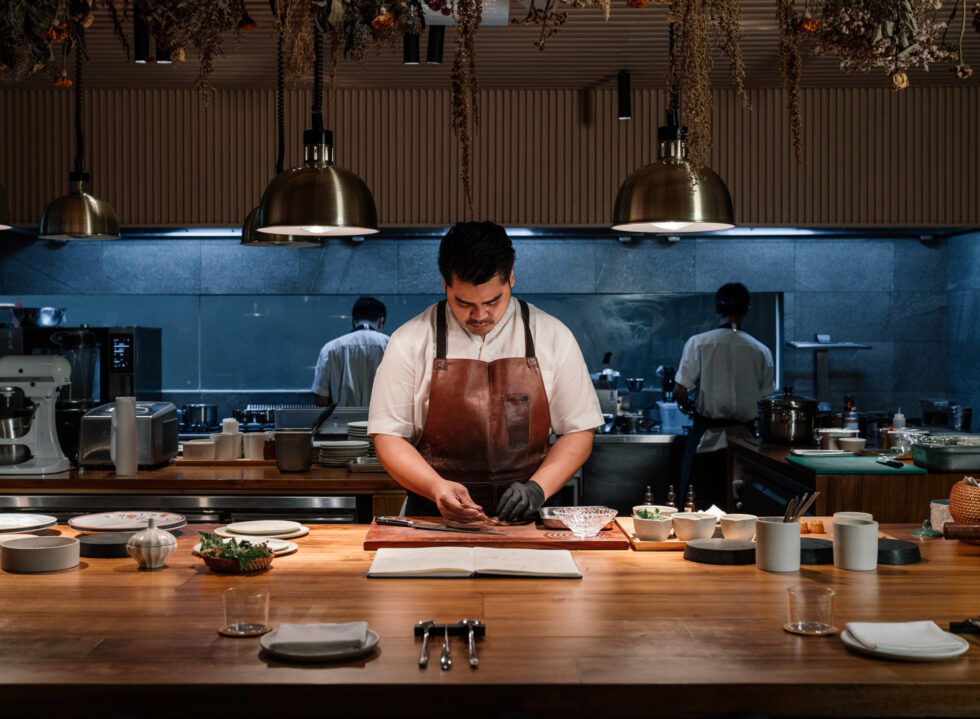
Indonesia is a food haven with diverse culinary scenes, including Bali for upscale dining and fresh seafood, and Jakarta for vibrant street food like nasi padang, nasi goreng and satay. Other must-visit food destinations include Padang for its spicy gulai and rendang, and cities like Malang, known for its beloved bakso. They also have more than 10 restaurants with Michelin Stars rating.
Must-try Indonesian dishes
Nasi Goreng: Indonesian fried rice, a national dish that often includes shrimp paste and kecap (sweet soy sauce).
Sate: Skewered and grilled meat, served with a variety of sauces and found everywhere from street stalls to upscale restaurants.
Nasi Padang: A feast of small, flavorful dishes served with steamed rice.
Bakso: A beloved meatball soup that can be found across the country.
Martabak: A stuffed pancake that comes in both sweet and savory versions.
Ikan Bakar: Grilled fish, particularly popular in coastal areas like Jimbaran.
Gado-gado: A salad of blanched vegetables with a peanut sauce dressing.
Nasi Uduk: Rice cooked in coconut milk, often served with various side dishes and sambal (chili paste).
Others
By keeping these points in mind, you’ll be well-prepared for your business trip to Indonesia. Safe travels!
Time Zones: GMT+7 to GMT+9 depending on province
Transport: Domestic flights, intercity buses, taxis, ride-hailing, ferries between islands.
Climate: Tropical to monsoon tropical—humid, warm year‑round with wet season from November to March.