India
Entry Visa
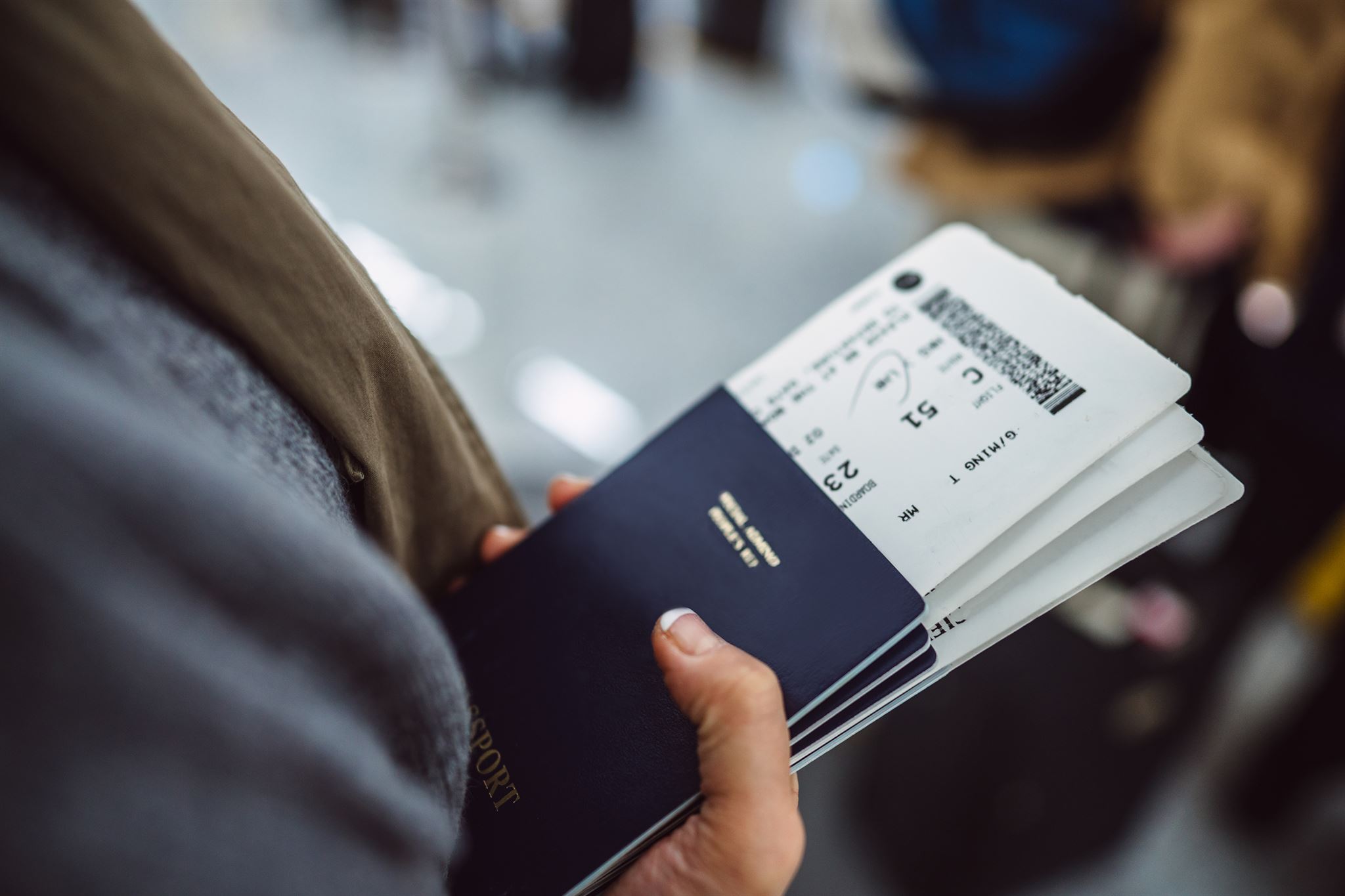
Visa Requirements: Most travelers need a visa to enter India. Various types of visas are available, including:
e-Visa: Available for short stays (up to 60 days) for business, tourism, or medical purposes. Apply online in advance.
Regular Visa: For longer stays or specific business purposes, apply through an Indian embassy or consulate, providing necessary documents.
Check the official Indian visa website for details specific to your nationality.
Major Airports
Major Airports
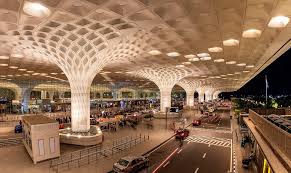
Indira Gandhi International Airport (DEL) in Delhi.
Chhatrapati Shivaji Maharaj International Airport (BOM) in Mumbai.
Kempegowda International Airport (BLR) in Bengaluru.
Rajiv Gandhi International Airport (HYD) Hyderabad
Cochin International Airport (COK) Kerala
Goa (Dabolim/Mopa) Dabolim Airport (civil enclave at naval base)
Additionally, Chennai (MAA), Kolkata (CCU), Ahmedabad (AMD), Goa/Mopa (GOI), Varanasi (VNS), Lucknow (LKO), Jaipur (JAI), Pune (PNQ), Nagpur (NAG), Mangalore (IXE), Vizag (VTZ), and Port Blair (IXZ) are designated civilian airports with e‑Visa facilities
Facilities: Airports generally have good amenities, including lounges, shopping, dining, and currency exchange services.
Money Exchange
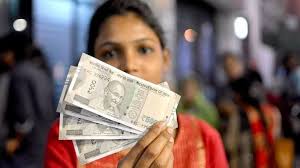
Currency: The Indian Rupee (INR) is the local currency.
Exchanging Money:
Where to exchange money in India
Airports: Currency exchange counters are available at international airports upon arrival. While convenient, the rates are often less favorable than at other locations.
Banks: Most banks offer currency exchange services. Major banks like ICICI Bank, HDFC Bank, and Axis Bank handle foreign exchange for customers and non-customers. You will likely get better rates here than at the airport.
Authorized money changers: Look for authorized currency exchange outlets in major cities and tourist areas. These are often found at hotels, travel agencies, and in commercial centers. Ensure the changers are licensed to avoid counterfeit money or poor rates.
Dress Code
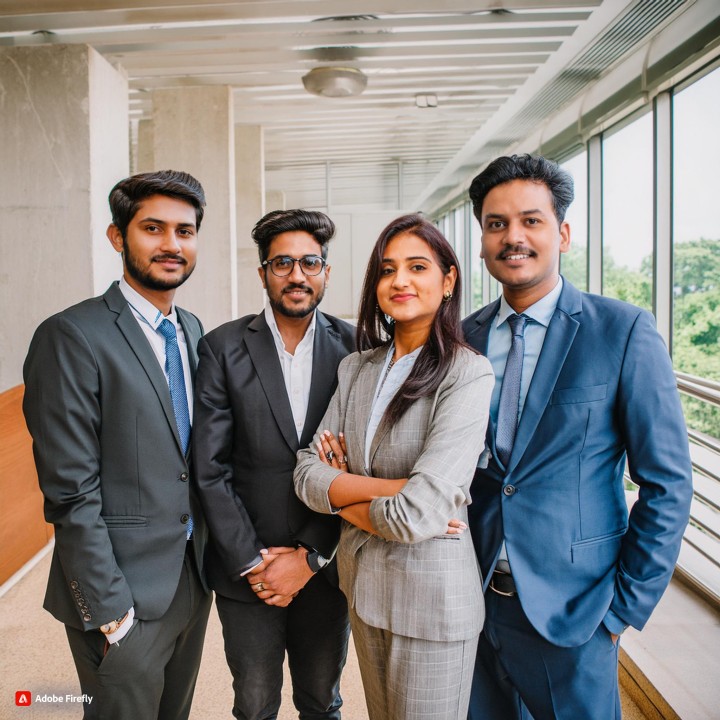
Dress codes in Indian offices vary widely by company and industry, but generally, they blend professional Western business attire with Indian formal and business casual wear. In general, office wear is expected to be modest and project a professional image.
Men: Suit or shirt with slacks.
Women: Business suits or modest professional wear conservative dressing is preferred in formal contexts and conservative states.
Language
Hindi and English are the official languages. English is widely spoken in business contexts, but familiarity with basic Hindi phrases can be beneficial.
1. Namaste – Hello (Hindi) This is how India says hello! A visit to this vibrant country would not be complete without this basic greeting. Brownie point – it can be a great way to start a conversation with the locals. Fold your hands and slightly bow your head while saying namaste, especially when greeting elders. It is seen as a sign of respect.
2. Dhanyavaad – Thank you (Hindi) Want to thank someone for their service or company? Just say dhanyavaad and see their eyes beam with happiness. Dhanyavaad is a Hindi phrase that means “Thank You”. Of course, the English words are also well understood. But, the Hindi phrase will make them smile!
3. Bahut achha hai – It’s very good (Hindi) When someone asks you how the food is, or whether you like the souvenir you’ve picked up, a simple – bahut achha hai will make them feel appreciated.
4. Kaise Ho? – How are you (Hindi) This Hindi phrase literally translates as “How are you”.
Telephone
International Dialing: To call India, use +91. Drop the leading zero from area codes when dialing internationally.
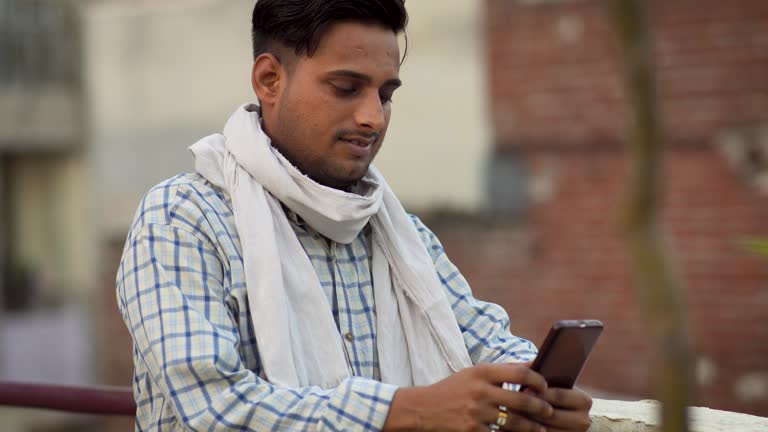
When using an international mobile phone in India, you can either activate an international roaming plan with your home carrier, use an eSIM, or purchase a local prepaid SIM card. Using a local SIM or eSIM is generally more cost-effective for data and calls than international roaming.
Option 1: Purchase a local prepaid SIM card For longer stays, buying a local prepaid SIM card is significantly cheaper than roaming. The process requires visiting an official telecom store in person and providing documentation.
Requirements: As a foreign tourist, you will need to present your passport, visa, and at least one passport-sized photo to complete the registration.
Where to buy: Look for official stores at major airports or in cities. Avoid third-party vendors, as official stores are more reliable for handling foreign applications.
Recommended providers: Airtel and Vi (formerly Vodafone Idea) are the most reliable options for foreign tourists.
Activation: The process can take anywhere from 15 minutes to a few hours. The store clerk will assist with the paperwork and take a headshot. You may need a local reference's phone number for activation
Option 2: Get an eSIM (best for modern devices) An eSIM is a digital SIM card that you can download to your phone, allowing you to get connected instantly without having to visit a store or handle physical paperwork.
How it works: Buy an India eSIM plan from a provider like Airalo, Holafly, Nomad, or Trip.com online before your trip. You will receive a QR code via email that you can use to activate the plan on your device. It works on eSIM-compatible phones, including most recent models from Apple, Samsung, and Google.
Best for: Travelers with modern phones who want to save time and avoid registration hassles. It offers a balance of cost-effectiveness and convenience.
Key features: Data only: Most travel eSIMs are data-only and do not include a local phone number for traditional calls or SMS. Keeps your number: Since your home SIM remains active, you can use apps like WhatsApp to continue calling and messaging, while using the eSIM for mobile data.
Internet
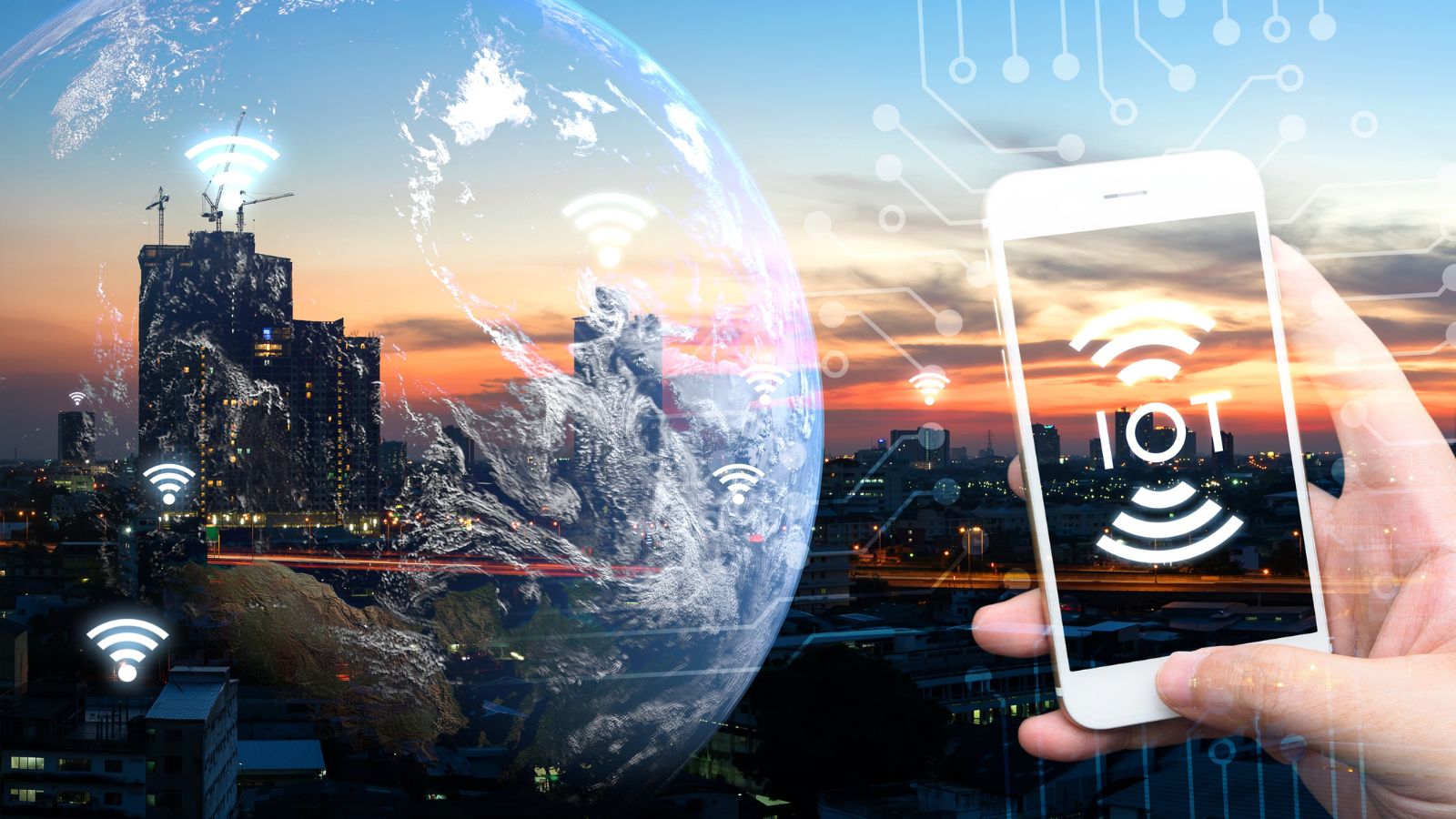
Internet access is generally good in urban areas, with many hotels, cafes, and public spaces offering free Wi-Fi. However, connectivity can vary in rural areas.
In 2025, India's median mobile internet bandwidth reached 136.53 Mbps, a significant improvement that propelled it to 26th globally. The median fixed broadband speed was lower, around 63.55 Mbps. This mobile speed increase is largely attributed to the rapid 5G rollout, while challenges remain in bridging the digital divide in rural areas. Key bandwidth figures:
Median mobile download speed: 136.53 Mbps (April–June 2025)
Median fixed broadband download speed: 63.55 Mbps (early 2025)
Business Hours
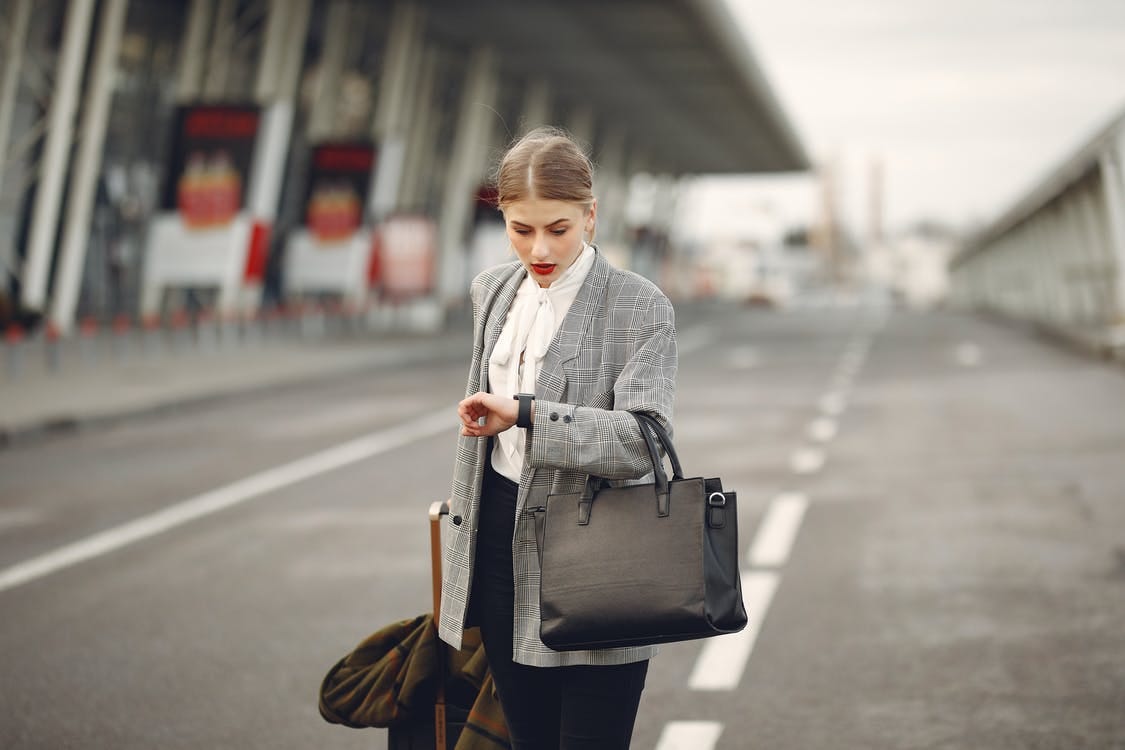
Standard working hours in India are generally 9 hours a day or 48 hours a week, though a 40-hour work week is also common, particularly in the corporate sector. A mandatory break, often one hour for lunch, is included in these hours, and any work beyond this is considered overtime. The typical business day is approximately 9:30 AM to 5:30 PM, with corporate offices often working a five-day week, and government offices sometimes open for a half-day on Saturdays.
Government and Shops: Often 9:30 AM to 5:30 PM, with a half-day on Saturday and closed on Sunday.
Corporate Offices: Frequently operate on a five-day work week, from approximately 9:30 AM to 6:00 PM.
Punctuality
India generally operates with a more relaxed and polychronic attitude toward time, where relationships and simultaneous activities often take precedence over strict adherence to schedules. This can manifest as a casual approach to social and professional meetings, with lateness being common and sometimes even a sign of importance or status. However, it is crucial to distinguish this from contexts where punctuality is expected, such as formal business meetings, doctor appointments, or interactions with international clients, where it is still valued and often necessary to show respect.
Business and formal situations
Important meetings: While a relaxed approach is common, punctuality is often expected for formal business meetings, especially when dealing with clients or in international contexts.
Professional setting: Being on time is considered a sign of respect and reliability, and arriving late can be perceived negatively.
Flexibility: In a business context, be prepared for schedules to be changed or meetings to be delayed, as priorities can shift.

Meeting Etiquette
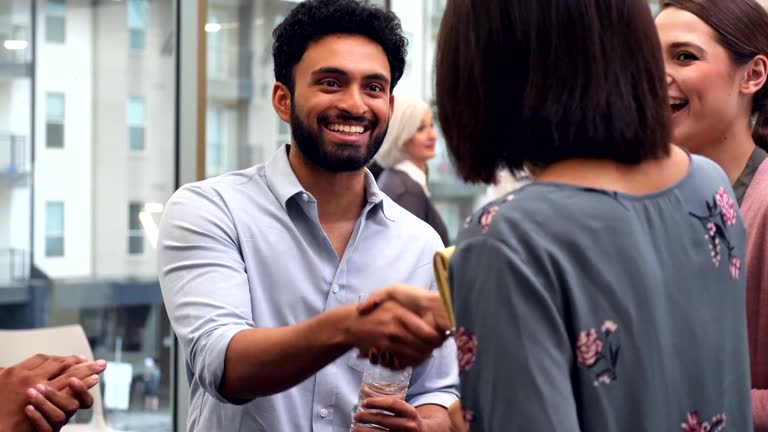
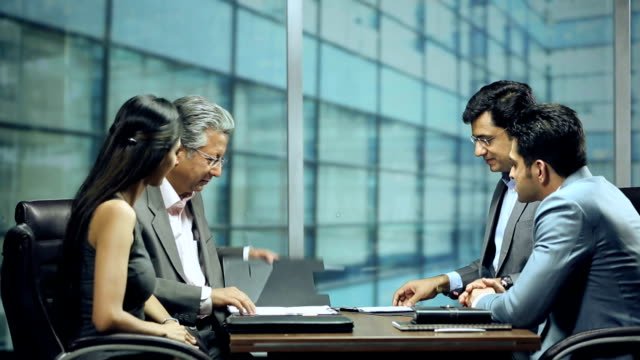
Building personal relationships is crucial in Indian business culture. Meetings often start with small talk, and exchanging business cards is common. Present your card with both hands and take a moment to examine the card you receive.
How to navigate the culture
Be punctual: When in doubt, it is always best to err on the side of respect and arrive on time for important appointments.
Confirm and follow up: For any planned meeting, confirm details beforehand and be prepared for slight delays.
Build trust: In polychronic cultures, building personal relationships and trust is paramount. Be patient and focus on the interaction rather than strictly on the clock.
Be aware of your own expectations: Understand that while your punctuality is likely to be appreciated by your Indian counterparts, they may have a more relaxed attitude toward it in other situations.
History of Major Football Incidents
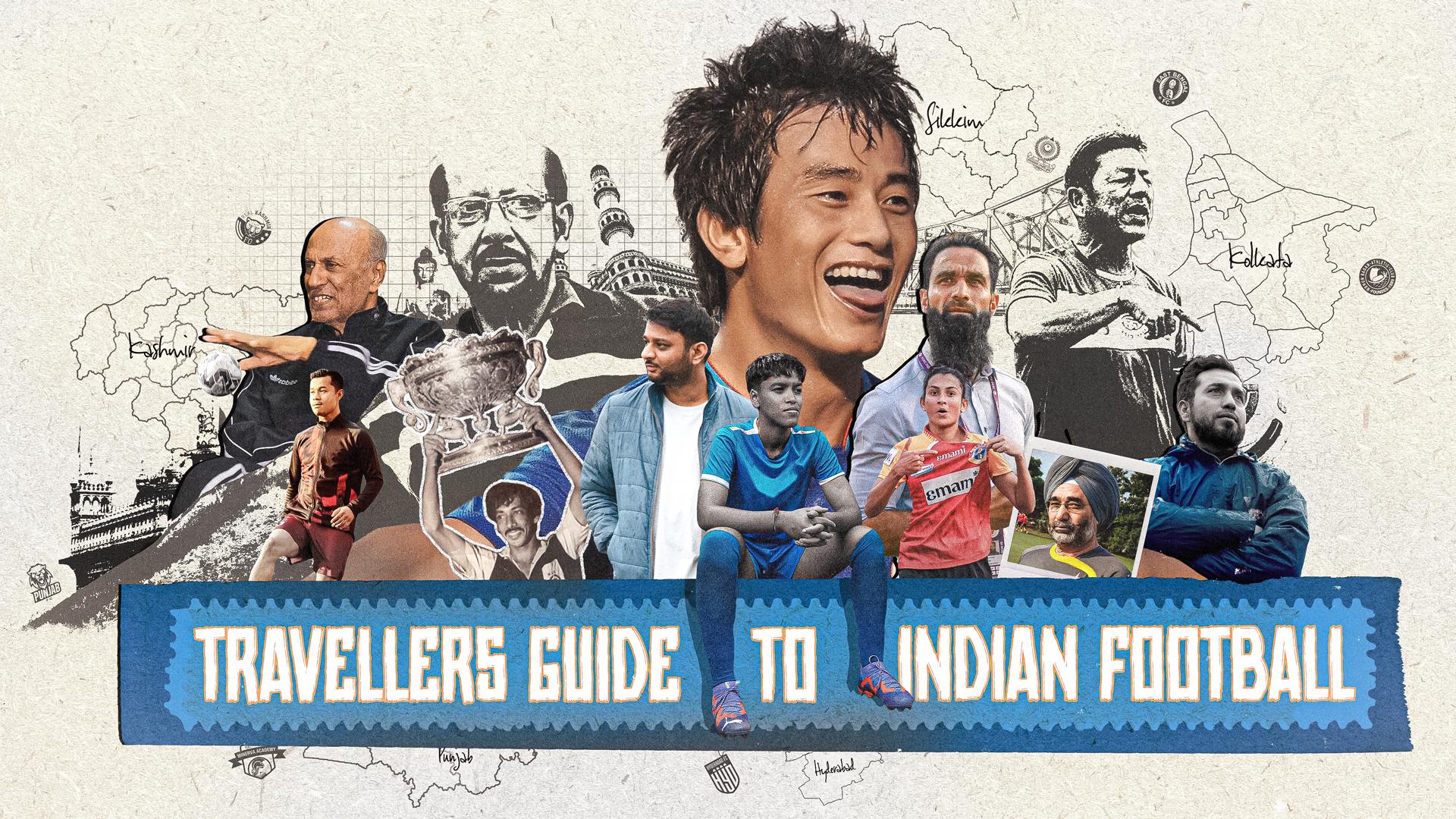
Football culture in India is a vibrant, diverse, and rapidly growing phenomenon, fueled by the launch of the Indian Super League (ISL), passionate regional rivalries, and a devoted fanbase for international clubs. While cricket remains the most popular sport, football is deeply ingrained in certain regions and is steadily increasing its national prominence.
Regional strongholds:
Kolkata, West Bengal: Often called the "Mecca of Indian Football," Kolkata has a rich footballing tradition centered on the intense rivalry between historic clubs East Bengal FC and Mohun Bagan.
Goa: Football has a strong cultural identity in this region, which is home to one of the country's oldest and most successful clubs, Sporting Clube de Goa.
Kerala: The state is known for its passionate fans and has produced numerous football icons.
North-Eastern states: States like Mizoram and Manipur have become important breeding grounds for talent, contributing a significant number of players to the national leagues.
Recent incidents
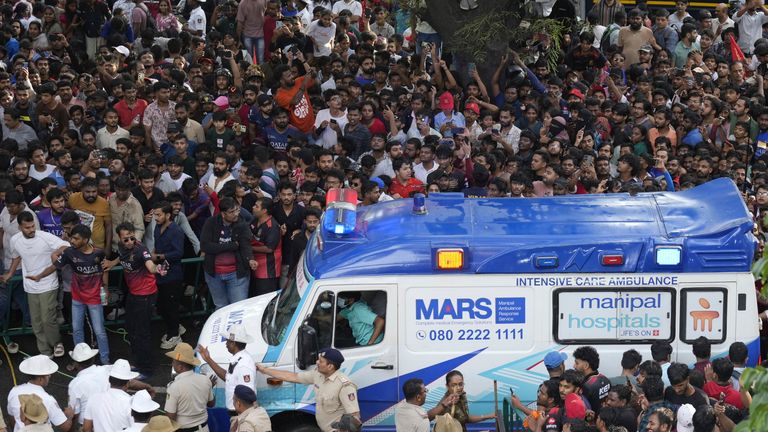
Machete chase: In October 2025, a spectator was chased with machetes at a football stadium in Bengaluru during a local league match, highlighting security concerns at venues, according to The Times of India.
Indian Super League (ISL) crisis: The ISL is facing a crisis due to the All India Football Federation (AIFF) failing to secure a new commercial partner for the league. This has led to uncertainty, with some clubs suspending operations and players fearing non-payment of salaries, reports Firstpost and The Indian Express.
Firecracker incident: In February 2025, over 30 people were injured when firecrackers misfired at a football match in Kerala, reports The Times of India.
Natural Disasters
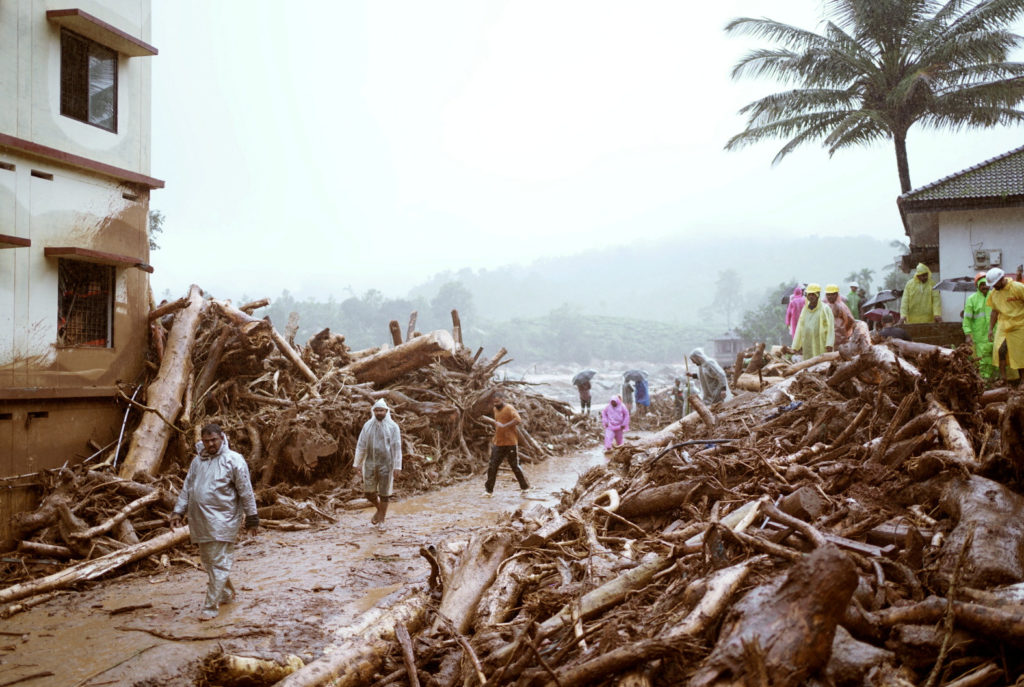
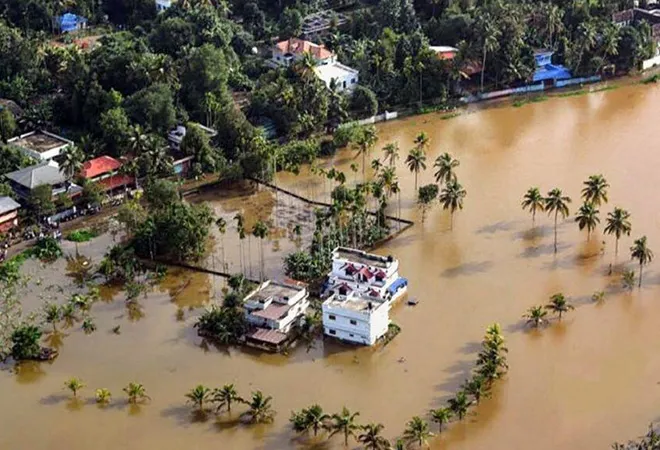
India is prone to various natural disasters, including monsoon flooding, earthquakes, and cyclones, particularly in coastal areas. Stay informed about weather conditions and local alerts, especially during the monsoon season (June to September).
Recent and ongoing natural disasters in 2025
Uttarakhand Flash Flood: In August 2025, a flash flood occurred in Uttarkashi, killing at least five people and leaving dozens more missing. The event, possibly caused by a cloudburst, glacial lake outburst, or landslide, destroyed dozens of homes and hotels and impacted the Char Dham Yatra pilgrimage.
Cyclone Montha: In late October and early November 2025, Cyclone Montha struck the coastal states of Andhra Pradesh and Odisha, causing widespread flooding, power outages, and crop damage. Mass evacuations helped minimize casualties, but the storm's impact was felt across the eastern and southern states.
India-Pakistan Floods: In August and September 2025, floods occurred in the Punjab region, which lies across both India and Pakistan.
Northern India Storms: In April 2025, severe storms with heavy rain, lightning, and hail hit the northern states of Bihar, Uttar Pradesh, and Jharkhand, killing at least 47 people.
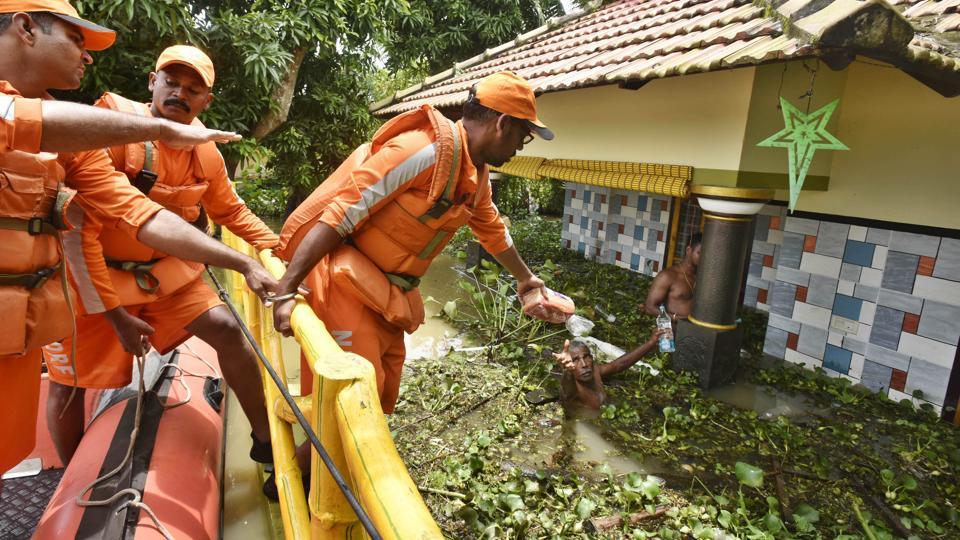
Emergency Response
In India, emergency response has shifted from a reactive approach to a proactive, technology-driven strategy that emphasizes prevention, mitigation, preparedness, and response. The system is managed at national, state, and district levels, with a centralized emergency number, 112, for coordinating all services.
Medical Services
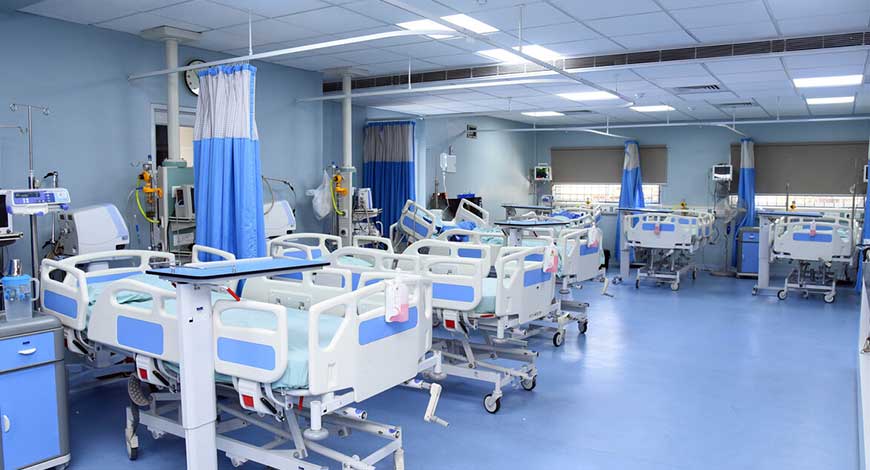
Healthcare and medical services in India are delivered through a mixed system comprising a large, under-resourced public sector and a rapidly growing, concentrated private sector. While government initiatives have expanded coverage and technology, significant disparities in access, quality, and affordability persist, especially for the rural population.
The private sector is a dominant force in India's healthcare landscape, accounting for most of the market share and providing the majority of advanced medical services.
- Structure: Includes a wide range of providers, from large corporate hospital chains to single-doctor clinics.
- Prominence: Most secondary and tertiary care institutions are privately owned and concentrated in urban areas.
- Medical tourism: India has emerged as a hub for medical tourism due to its cost-competitive services and highly trained medical professionals, attracting patients from around the world.
Service perception: Patients often favor private hospitals for perceived better quality of care, faster service, and modern facilities, despite the higher cost
Pharmacies
In India, you can find medicines through national pharmacy chains, independent pharmacies, and a large number of online pharmacies.
National pharmacy chains - These chains are widely available in major cities and provide a wide selection of medicines and healthcare products.
Apollo Pharmacy: One of Asia's largest and India's most extensive pharmacy networks, with over 5,600 stores nationwide. Apollo offers online ordering with home delivery, as well as a variety of health and wellness products.
MedPlus Pharmacy: Another major pharmacy chain in India, with a strong retail presence and an online store.
Wellness Forever: The third-largest pharmacy and lifestyle retail chain in India, with over 400 stores, particularly strong in Western India. It also operates a 24/7 online service with deliveries as quick as two hours in some cities.

Culture & Foods
Culture:
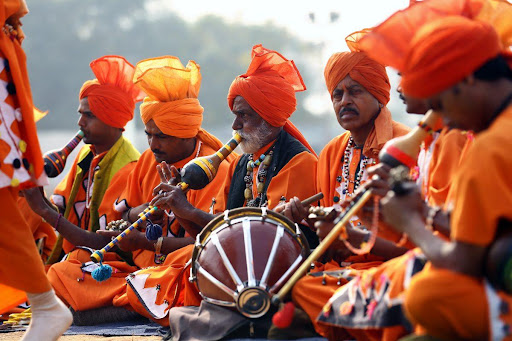
Indian culture is a rich and diverse tapestry, woven from millennia of history, traditions, and various influences. Central to this vibrant culture is the concept of "Unity in Diversity," where numerous languages, religions, and customs coexist harmoniously. The nation celebrates this unique blend through countless festivals that bring communities together.
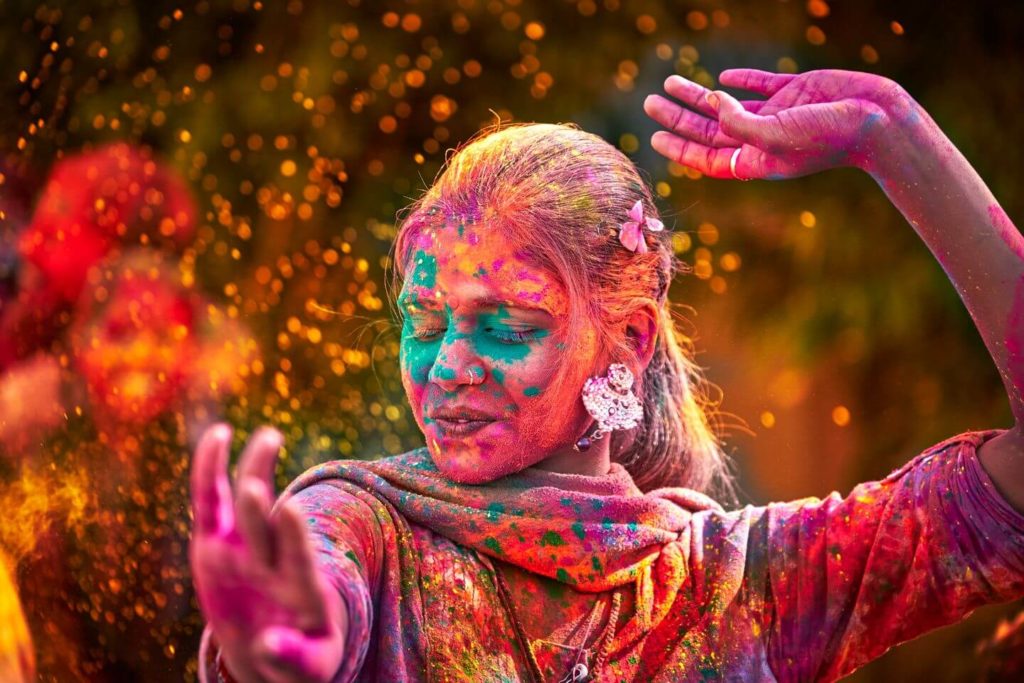
Festivals in India are far more than holidays; they are deeply ingrained in faith and tradition, reflecting the country's multi-religious and agrarian heritage. Major religious festivals include Diwali, the "festival of lights" celebrating the victory of good over evil, and Eid, marking the end of Ramadan with prayer and feasts. The colorful Hindu festival of Holi welcomes spring, while Christmas is celebrated by the Christian community. Harvest festivals like Pongal and Baisakhi are also significant, celebrating bountiful yields with special rituals and traditional foods.
Regardless of their specific origins, these festivals unite people through shared celebration, strengthening social bonds with family and friends. This collective enthusiasm, filled with music, special cuisine, and vibrant decorations, is a defining characteristic of Indian culture.
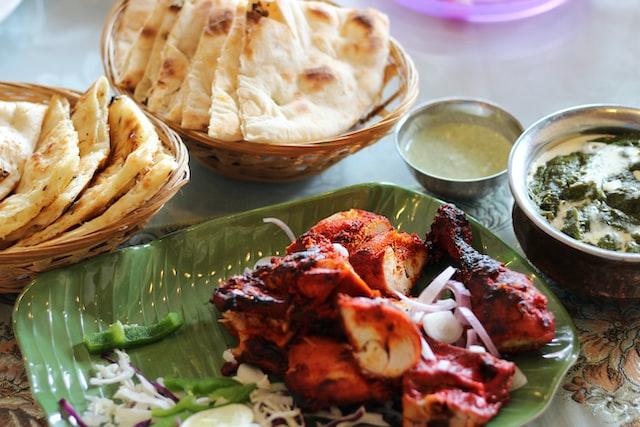
Indian cuisine is renowned for its diverse, flavorful, and aromatic dishes, which vary significantly by region due to differences in climate, local ingredients, and cultural influences. Below are some of the most prominent foods and dishes from across India.
Popular main dishes and curries
Biryani: A fragrant rice dish cooked with spices and layered with marinated meat, eggs, or vegetables.
Butter Chicken (Murgh Makhani): A creamy and rich tomato-based curry with tender chicken pieces, originating from North India.
Chicken Tikka Masala: Marinated and grilled chicken pieces (tikka) served in a rich and creamy masala sauce. It is extremely popular worldwide.
Dal Makhani: A rich, buttery lentil dish made with black lentils and red kidney beans, often served at special occasions.
Rogan Josh: A staple of Kashmiri cuisine featuring braised lamb or goat cooked in a flavorful gravy with aromatic spices.
Shahi Paneer: A creamy, royal cheese curry made with paneer (Indian cheese), onions, almond paste, and a spicy tomato-cream sauce.
Vindaloo: A flavorful and spicy curry dish, typically made with marinated pork or other meats, that is popular in the Goa region.
Since cow and bull are considered as sacred animals, most outlets do not serve beef.
IMPORTANT!! Don't be too adventurous and eat outside the hotel.
Others
By keeping these points in mind, you’ll be well-prepared for your business trip to India. Safe travels!
Time Zones: GMT+5:30.
Transport: Wide domestic network of trains, flights, buses, metros, and ride‑hail services.
Climate: Diverse coastal tropics, arid deserts, alpine north. Monsoon season (June–Sept) impacts logistics.
Extra Tips: For a first-time business traveler to India, prioritize getting a visa early, planning for significant travel time due to traffic, and packing light, conservative clothing. Stay healthy by drinking only bottled water, avoiding ice in drinks, and being mindful of food hygiene. For business interactions, be punctual, dress conservatively for meetings, and focus on building relationships through hospitality and polite conversation
INDIA TRAVEL GUIDE: 10 Things to know before visiting India for the first time!