Hong Kong China
Entry Visa
Visa Requirements: Many nationalities can enter Hong Kong visa-free for short visits (typically 14 to 90 days). Check the specific requirements for your nationality.
Documents Required: A valid passport (with at least six months validity), proof of onward travel, and possibly a hotel reservation or invitation letter.
Major Airport
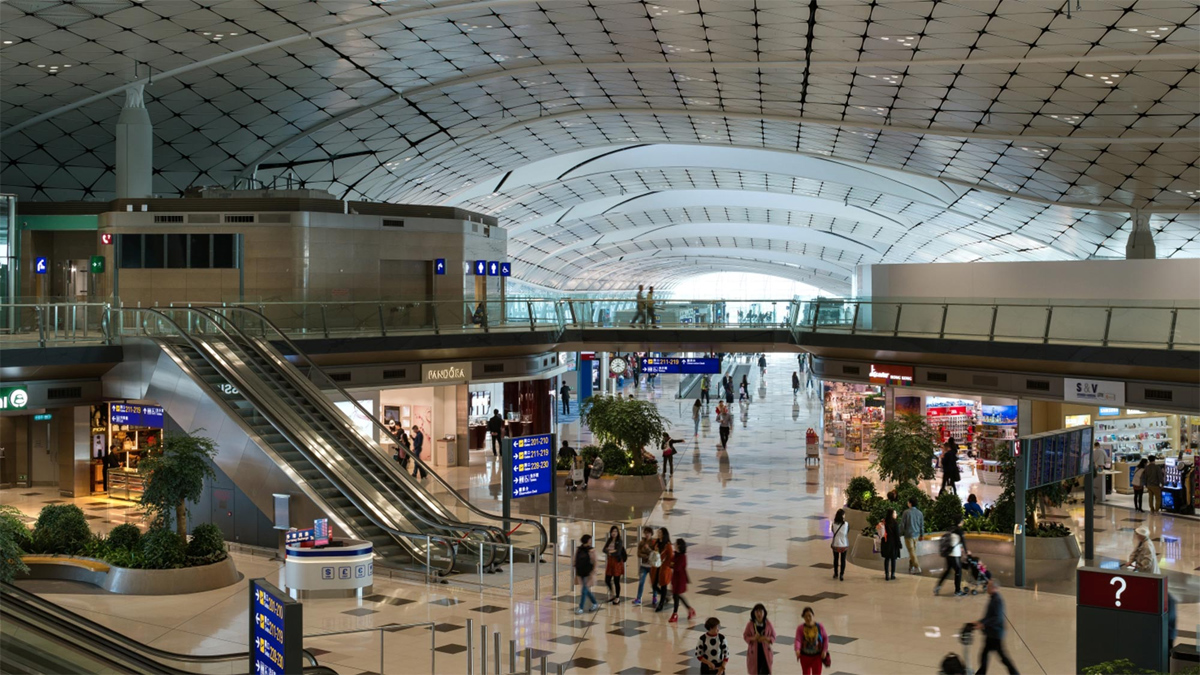
Hong Kong International Airport (HKG) is the main international gateway.
Terminals: The airport features multiple terminals, including the primary Terminal 1, which is one of the largest passenger terminals in the world.
Connectivity: It offers extensive connections to urban areas via highways, railways, and bridges, including the MTR Airport Express train.
Facilities: The airport offers extensive amenities, including duty-free shopping, restaurants, lounges, and free Wi-Fi. It’s well connected to the city via public transport.
Money Exchange
Currency: Hong Kong Dollar (HKD).
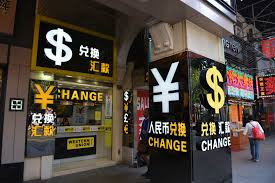
Exchanging Money: Currency can be exchanged at banks, authorized money exchange offices, and the airport. ATMs are widely available and usually accept international cards.
Online Platforms and Travel Money Cards: Services like Wise allow you to order a travel money card online, top it up remotely, and use it for spending and withdrawals overseas. These can offer better exchange rates and lower costs compared to airport or in-person exchanges.

Dress Code
Business attire is typically formal.
Men: Suits and ties are standard.
Women: Professional dresses or suits; business casual is also acceptable in some industries.
Language
The official languages are Chinese (Cantonese) and English. English is widely used in business settings and signage.

Telephone
International Dialing: To call Hong Kong from abroad, use +852. For local calls, just dial the number directly.
Local SIM Cards: Available from providers like CSL, 3 Hong Kong, and SmarTone, offering various data plans.
Internet
Hong Kong has high-speed internet access, with many cafes, hotels, and public areas offering free Wi-Fi. Mobile data coverage is excellent.


Business Hours
Typical business hours are Monday to Friday, 9 AM to 6 PM, with many offices closed on weekends. Some businesses may operate shorter hours on Saturdays.
Punctuality
Punctuality is highly valued in business settings. Arriving on time for meetings is expected.


Meeting Etiquette
Meetings usually start on time. Use formal titles until invited to use first names. Exchanging business cards is common; present and receive them respectfully.
History of Major Football Incidents
Football is popular in Hong Kong, with passionate support for local clubs. While there have been minor incidents during matches, they are infrequent and generally well-managed.


Natural Disasters
Hong Kong is prone to typhoons, especially during the summer months. Familiarize yourself with local safety protocols and emergency procedures.
Emergency Response
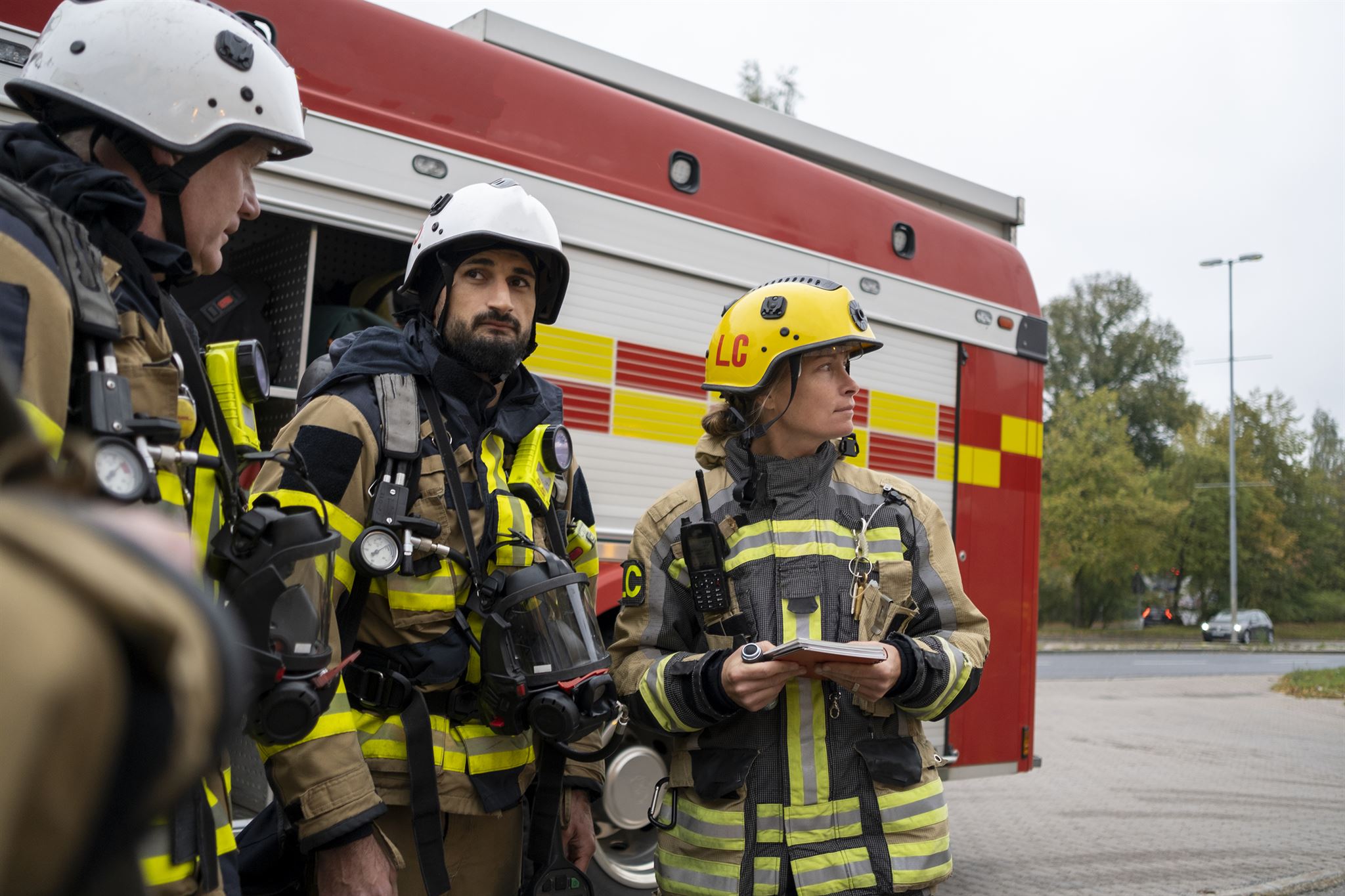
For emergencies, dial 999 for police, fire, and medical services. Keep local emergency numbers handy.
Medical Services
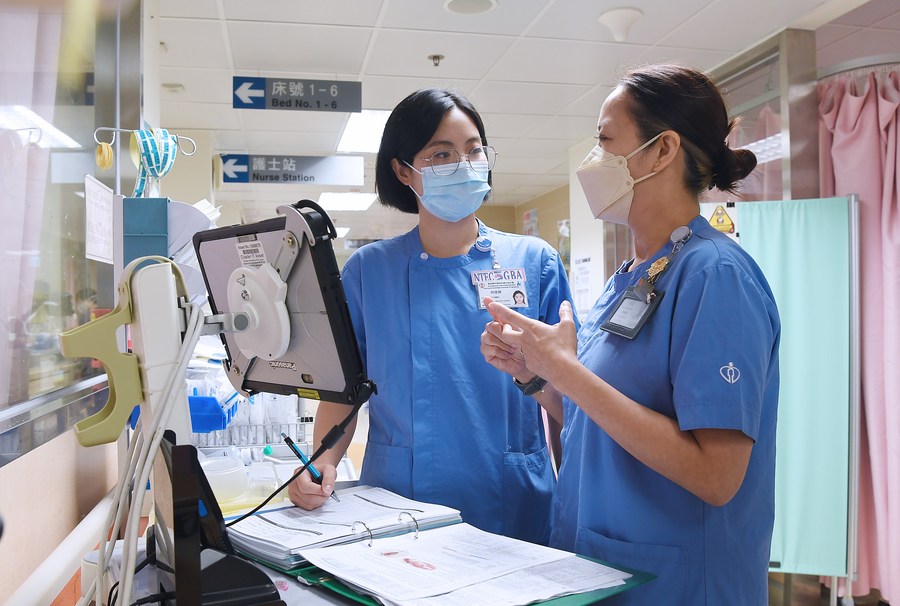
Hong Kong's medical services are a dual-track system consisting of a highly subsidized public sector and a market-driven private sector. Both systems are known for their high standards, though they differ greatly in cost, waiting times, and level of comfort.
Public healthcare system
This system is run by the Hospital Authority and the Department of Health and is accessible to all Hong Kong residents at a low cost. Services covered:
- General outpatient clinics (GOPCs): These offer basic medical care for the community and are available across the city.
- Specialist outpatient clinics (SOPCs): These provide consultations for more specific medical issues, but may require a referral from a GOPC doctor and have long waiting lists for non-urgent cases.
- Hospitals: Public hospitals are well-equipped and offer 24-hour accident and emergency (A&E) services. Some of the major public hospitals include Queen Mary Hospital and Queen Elizabeth Hospital.
Pharmacies
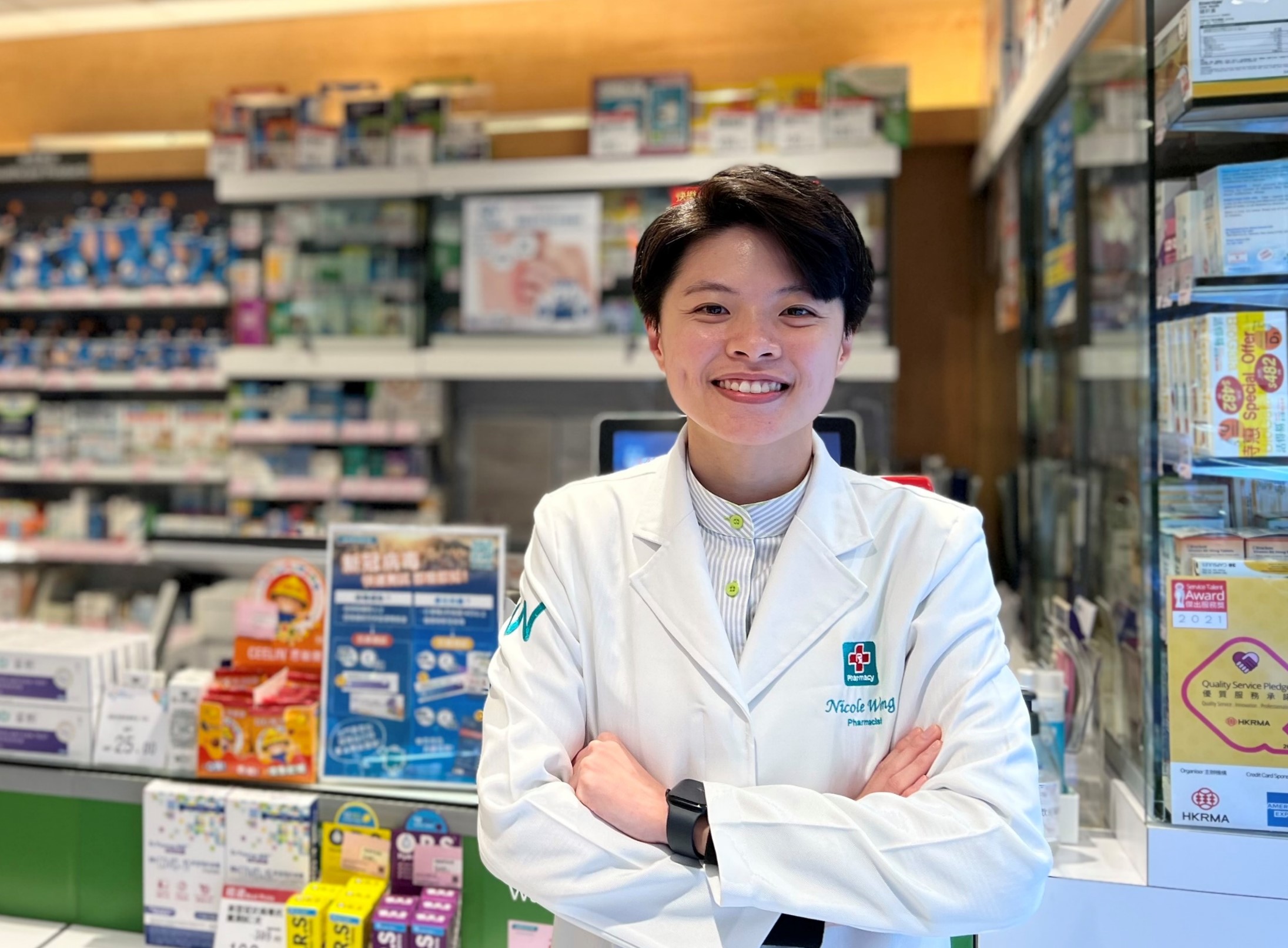
The most prominent pharmacies in Hong Kong are the major retail chains Watsons and Mannings, as well as smaller local and independent dispensaries. Hospitals and government-run clinics also have their own pharmacies.
The two largest pharmacy chains in Hong Kong offer a wide range of over-the-counter (OTC) medications, health supplements, and personal care items. Many of their larger branches have a licensed pharmacist on duty for professional consultation and dispensing of prescription drugs.
- Watsons: This chain has over 200 locations across Hong Kong, with more than 50 featuring an in-store pharmacy. A store finder is available on their website.
- Mannings: As Hong Kong's largest health and beauty retailer, Mannings has numerous outlets throughout the city. Larger branches often provide services from pharmacists and dieticians. You can find locations on their website or other business directories.
Culture
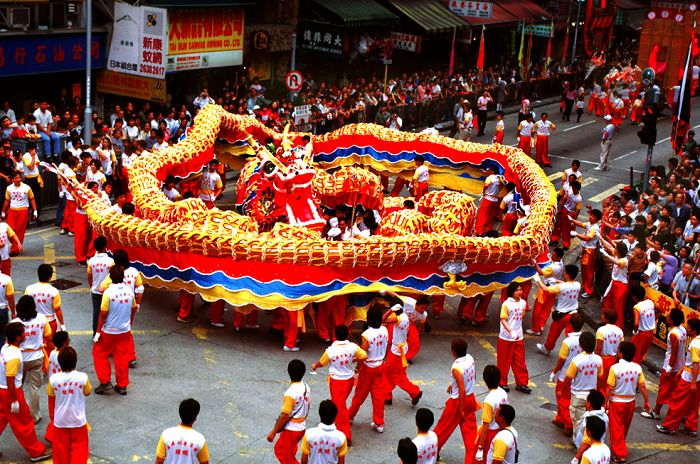
Hong Kong's culture is a vibrant and unique fusion of its traditional Cantonese roots and over 150 years of British colonial influence. This "East-meets-West" identity is reflected in its social customs, cuisine, festivals, and spiritual beliefs, blending Confucian values with international savvy
Traditional festivals and celebrations
Lunar New Year (Chinese New Year):
This is the most popular festival, with celebrations including family dinners, giving red envelopes (lai see) containing money, visiting flower markets, and watching spectacular fireworks displays.
Dragon Boat Festival: Celebrated on the fifth day of the fifth lunar month, this public holiday features exhilarating dragon boat races and the eating of sticky rice dumplings (zongzi).
Mid-Autumn Festival: During this festival, families gather under the full moon to celebrate unity, eat mooncakes, and admire intricate lantern displays. In the Tai Hang district, a spectacular fire dragon dance is a must-see event.
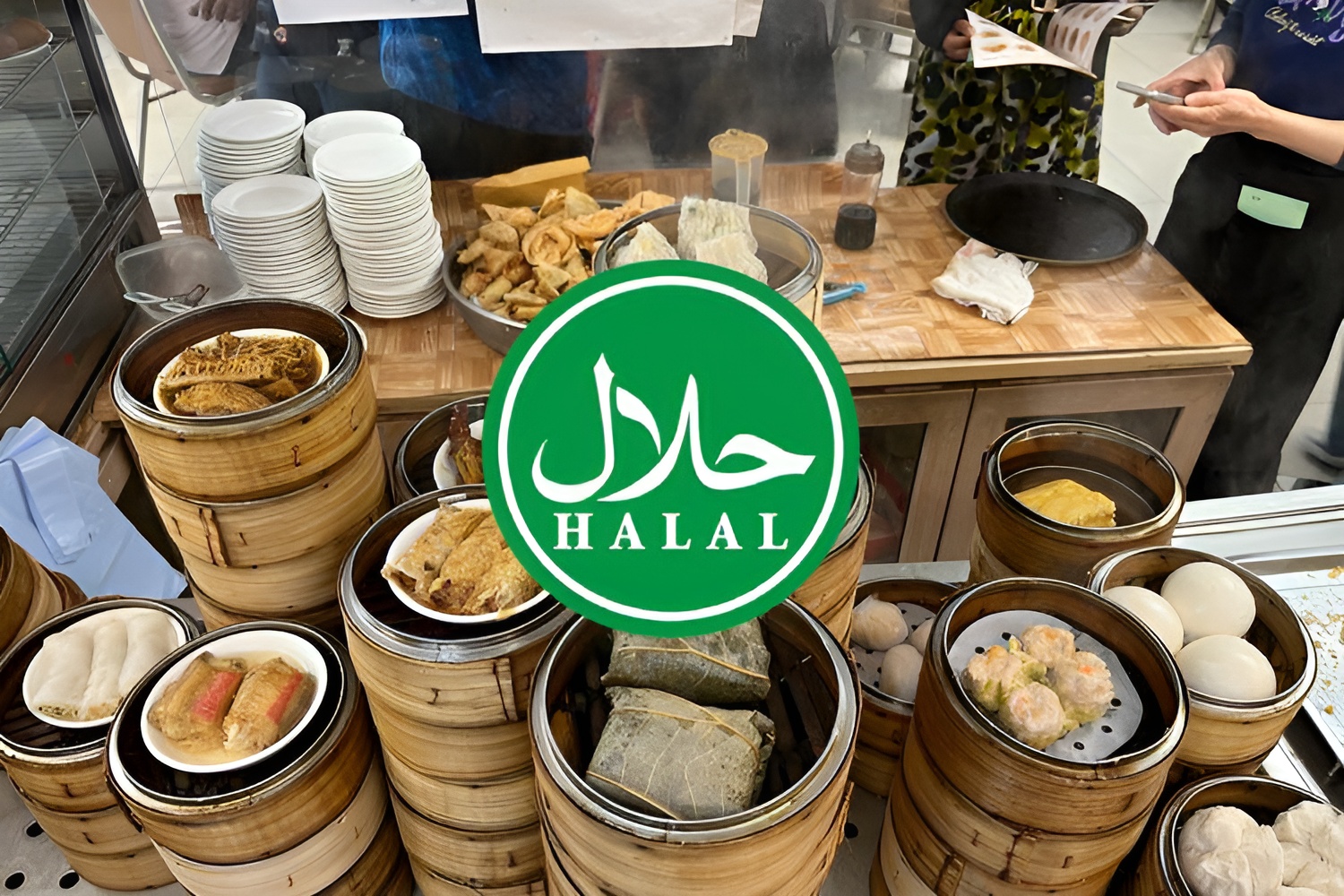
FOODS
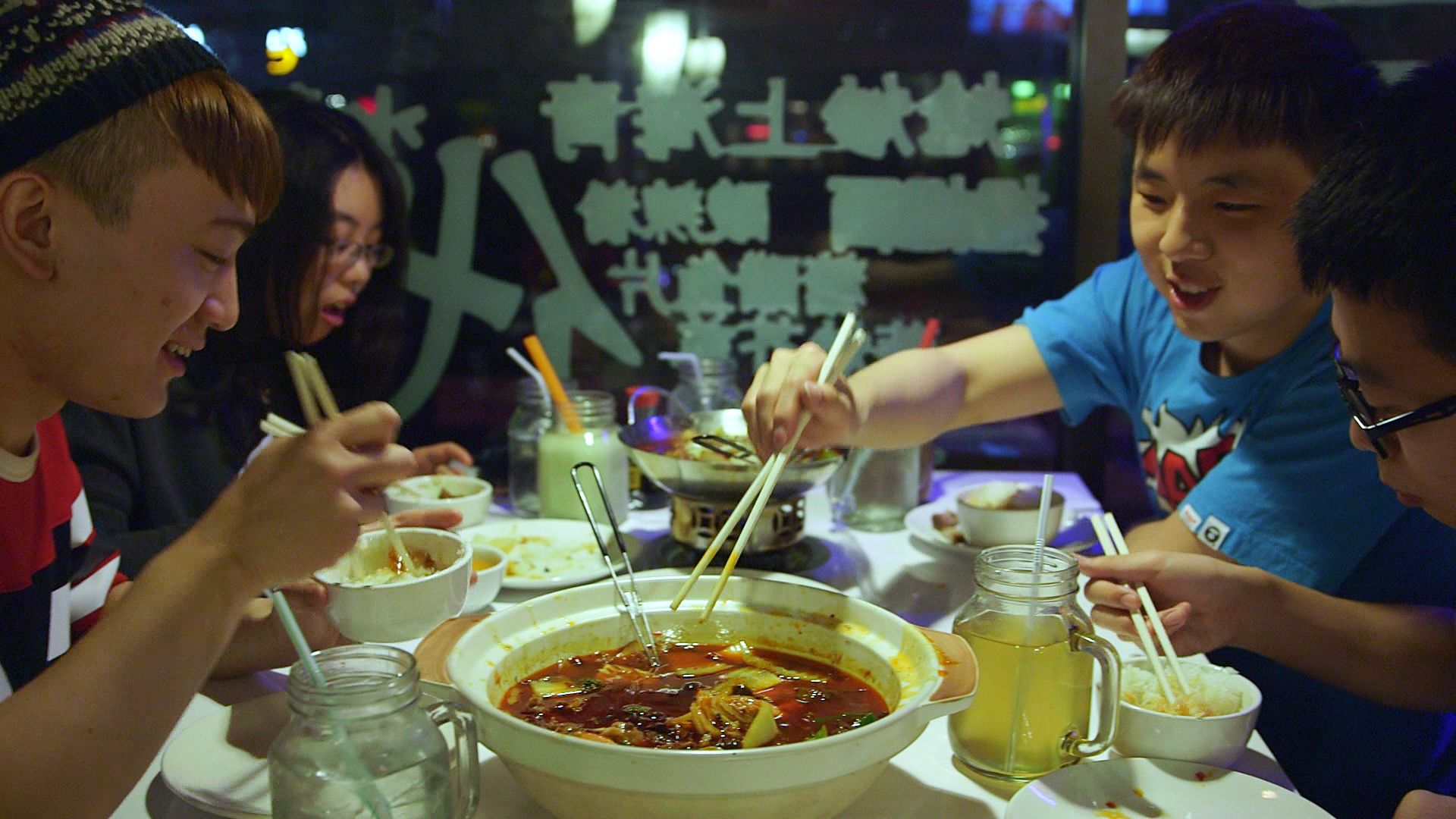
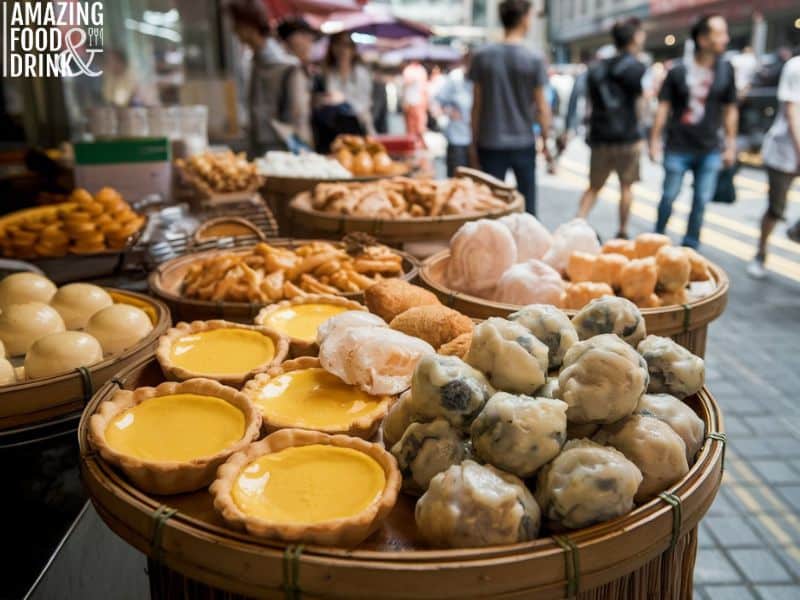
Hong Kong is known as one of the top foods haven for the Chinese. Hong Kong's local food culture blends Cantonese culinary traditions with influences from its colonial past and other Asian cuisines, resulting in diverse dishes like dim sum, wonton noodles, claypot rice, and various roast meats. This rich culinary scene is evident in both street food stalls selling snacks like fish balls and egg tarts, and in establishments offering elaborate dim sum lunches and traditional Cantonese banquets.
Must-Try Local Foods (Beware!! Most of the local foods are NON-Halal)
Dim Sum: An essential experience, this includes delicate dishes like steamed shrimp dumplings (har gow), siu mai (steamed dumplings), and char siu bao (barbecued pork buns).
Wonton Noodles: Silky egg noodles served in a light broth with savory wonton dumplings, often found at street food stalls.
Claypot Rice: A comforting dish of rice cooked in a clay pot, with various toppings like meat and vegetables, served hot.
Roast Meats (Siu Mei): Cantonese barbecue, including crispy roast goose, char siu (barbecued pork), and crispy pork, is a popular choice.
Egg Tarts: A sweet pastry or shortbread tart with a rich, creamy egg custard filling.
Pineapple Buns (Bo Lo Bao): A soft, sweet bun with a distinctive crispy, cookie-like topping.
Hong Kong Milk Tea: A creamy, strong drink made with black tea and evaporated or condensed milk.
HALAL Foods in Hong Kong
Top halal Chinese and Cantonese restaurants
- Islamic Centre Canteen (Wan Chai): Located on the fifth floor of the Masjid Ammar, this canteen is renowned for serving some of the best halal Cantonese dim sum in Hong Kong. Specialties: Halal dim sum (available only until mid-afternoon), including har gow (prawn dumplings), siu mai (chicken dumplings), and xiao long bao (soup dumplings). What to know: It's very popular and can get crowded, especially on Sundays. Dim sum sells out early, so arrive in the morning for the best selection.
- Islam Food (Kowloon City): A long-standing, family-run restaurant famous for its traditional Chinese-Muslim cuisine since 1950. Specialties: Legendary pan-fried beef buns, lamb curry, beef dumplings, and scallion pancakes.
- Wai Kee Halal Restaurant (Wan Chai): Found in the Bowrington Road Cooked Food Centre, this is a beloved spot for authentic halal Cantonese roast meats. Specialties: Signature roast duck rice and flavorful mutton curry rice.
- Hung's Chinese Restaurant (Tsim Sha Tsui): A small, cozy spot located inside the Chungking Mansions, popular with Malaysian and Singaporean tourists. Specialties: Crispy roasted chicken, beef brisket noodles, and fried rice.
Others
By keeping these points in mind, you'll be well-prepared for your business trip to Hong Kong. Enjoy your visit!
Time Zone: GMT+8.
Transport: Seamless rail, bus, taxi, ferry, and car rental systems.
Climate: Subtropical hot and humid summers; typhoon season from June to October; mild winters.
Must Do in Hong Kong
Ride the Peak Tram Travel on one of the world's oldest and most famous funicular railways, the Peak Tram. Arriving at the top, you'll be greeted with stunning, panoramic views of the city, Victoria Harbour, and the surrounding islands. For an even better view, visit the Sky Terrace 428 at the Peak Tower.
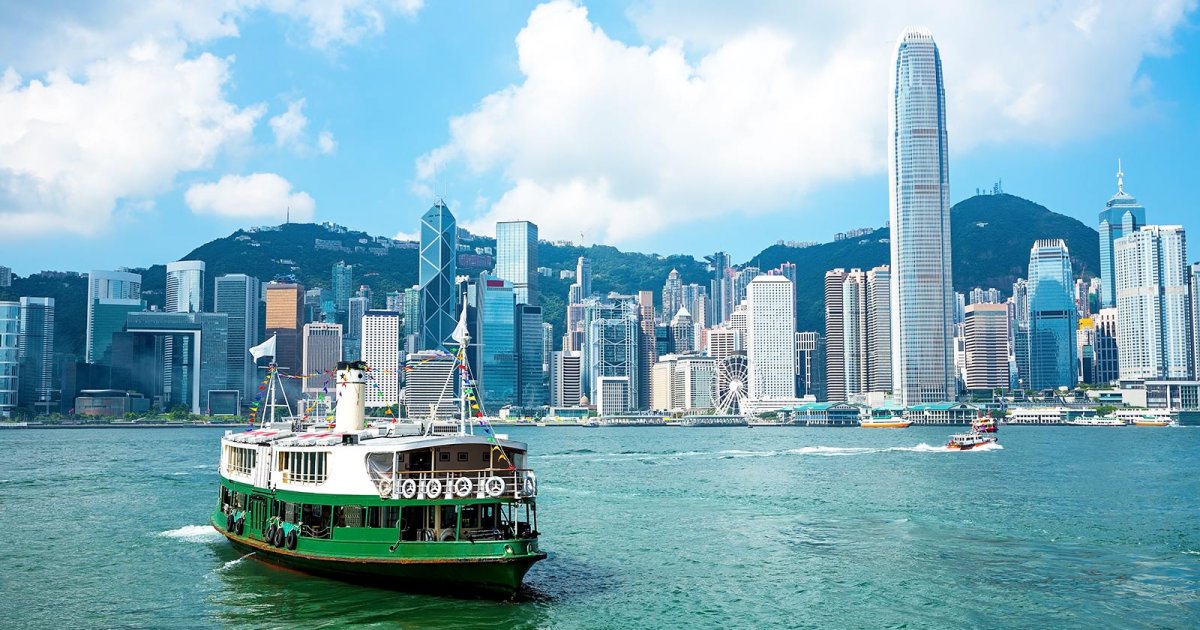
Take the Star Ferry Enjoy a short, picturesque trip across Victoria Harbour for an unforgettable view of the iconic skyline. It's one of the most classic and affordable ways to see Hong Kong's impressive cityscape.
See the Symphony of Lights View the world's largest permanent light and sound show from the Tsim Sha Tsui waterfront on the Kowloon side. The daily light show features more than 40 buildings on both sides of the harbour.
Explore vibrant street markets
- Temple Street Night Market: Find everything from electronics to clothes and local street food as you enjoy the lively, bustling atmosphere.
- Ladies' Market (Mong Kok): A shopper's paradise for clothes, accessories, and souvenirs.