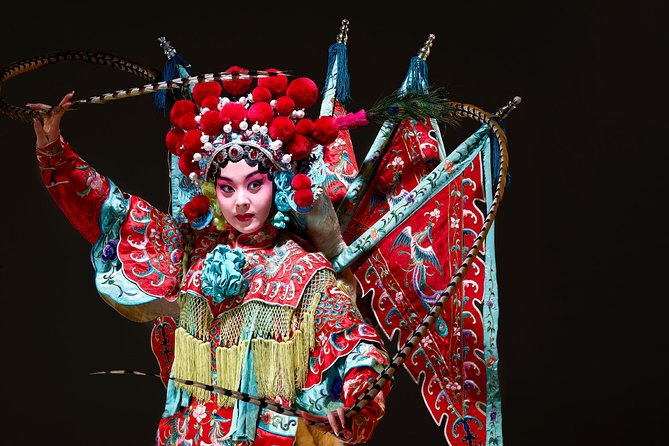
Chinese Taipei
Entry Visa
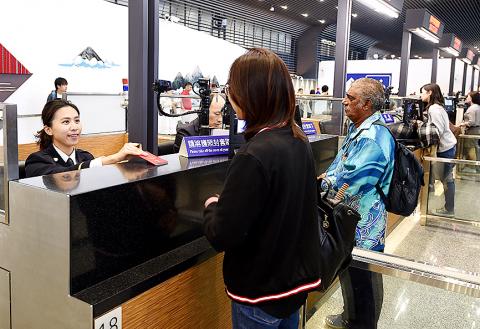
Visa Requirements: Many nationalities can enter Taiwan visa-free for short stays (ranging from 14 to 90 days). Check the Taiwan National Immigration Agency website for specific requirements based on your nationality.
Visa Application: If required, apply for a visitor visa through a Taiwan embassy or consulate, providing necessary documentation such as a passport copy and travel itinerary.
Major Airports
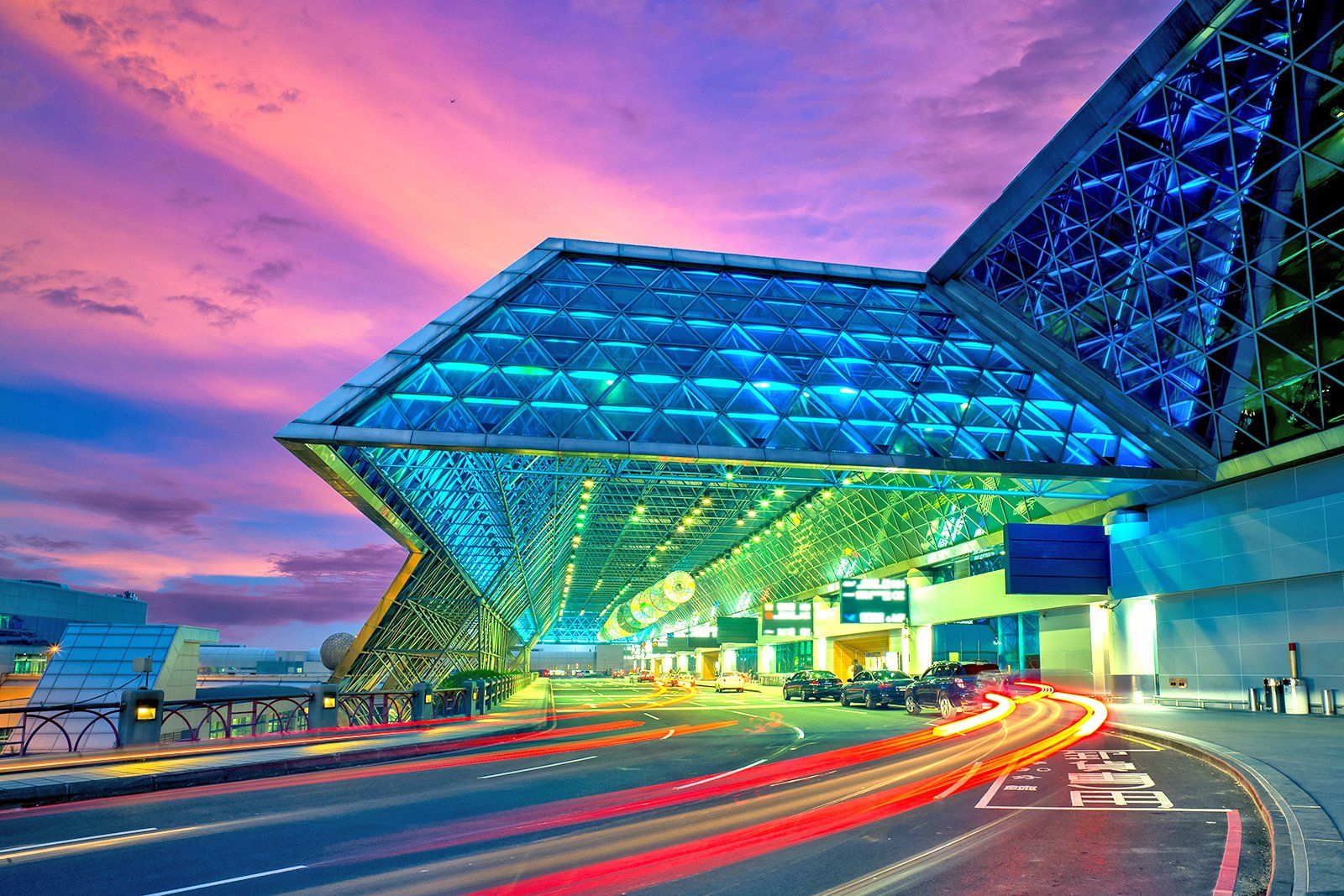
Taoyuan International Airport (TPE): The primary international gateway located near Taipei.
Songshan Airport (TSA): Mainly serves domestic flights and a few international routes.
Facilities: Airports have various amenities, including lounges, restaurants, shopping, and free Wi-Fi.
Money Exchange
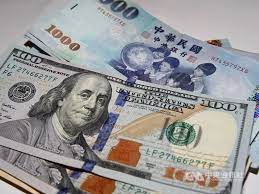
Currency: The New Taiwan Dollar (TWD) is the local currency.
Exchanging Money: Currency exchange services are available at the airport, banks, and exchange bureaus. ATMs are widely accessible, and most major credit cards are accepted.

Dress Code
Business attire is typically formal or business casual, depending on the industry.
Men: Suit and tie.
Women: Business suit or professional dress.
Language
Mandarin Chinese is the official language, but many people in business contexts also speak English. Familiarity with basic Mandarin phrases can be helpful.
Telephone
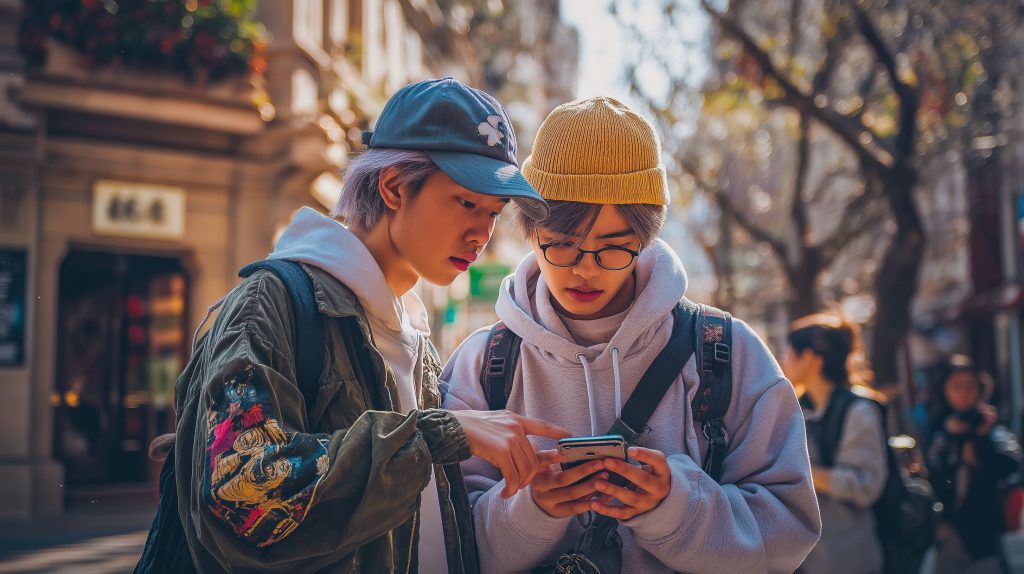
International Dialing: To call Taiwan, use +886. Drop the leading zero from area codes when dialing internationally.
Local SIM Cards: Consider purchasing a local SIM card from providers like Chunghwa Telecom, Taiwan Mobile, or FarEasTone for affordable data and calls.
Internet
Internet access is widely available and generally fast. Most hotels, cafes, and public spaces offer free Wi-Fi. Consider having offline access to important documents.

Business Hours
Government: Monday–Friday, typically 8:00 AM–5:00 PM
Private Sector: Similar hours; most businesses close at weekends.
Punctuality
Punctuality is valued in Taiwanese business culture. Arriving on time for meetings is important, and being late can be seen as disrespectful.

Meeting Etiquette
Building relationships is essential. Meetings often start with small talk, and exchanging business cards is customary. Present your card with both hands and take a moment to examine the card you receive as a sign of respect.
History of Major Football Incidents
Football (soccer) is popular in Taiwan, but the national team has faced challenges in achieving international success.
2014: Taiwan’s national team won the AFC Challenge Cup qualifying round, marking a significant moment in their football history.
The local football league has seen ups and downs, and fan support is growing, contributing to a vibrant football culture.

Natural Disasters
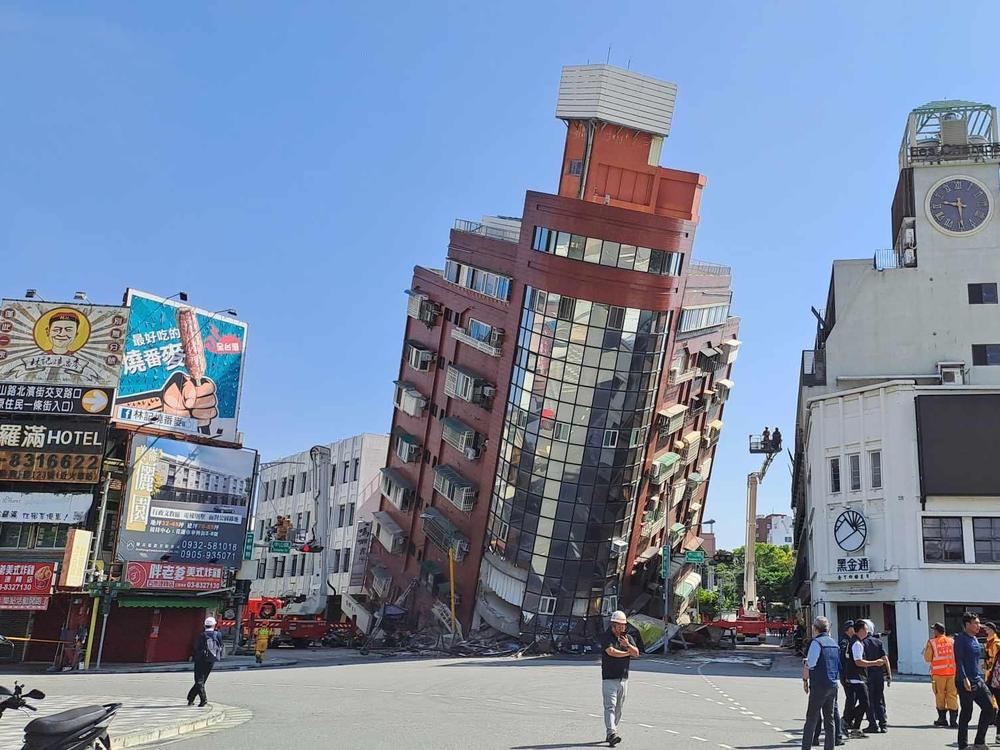
Taiwan is prone to natural disasters such as typhoons and earthquakes. Stay informed about weather conditions and local alerts, especially during typhoon season (May to November).
Emergency Response
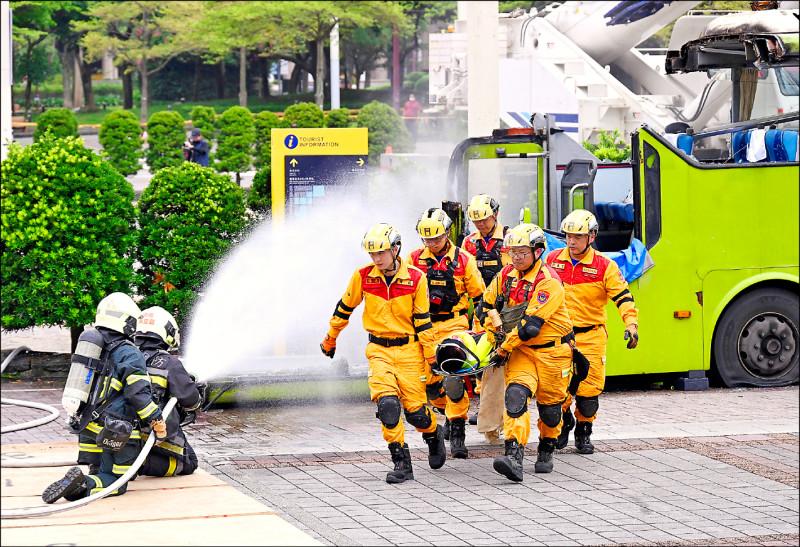
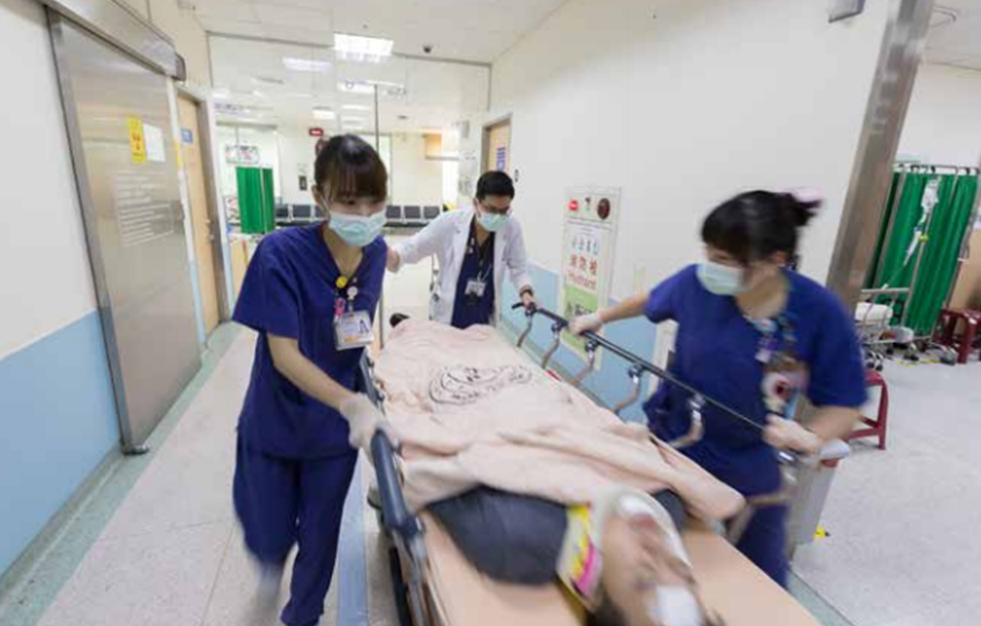
In an emergency, you can dial 119 for fire and medical services and 110 for police. Keep the contact information for your hotel and local authorities readily available.
Medical Services
Healthcare in Taiwan is of high quality, with both public and private hospitals available. Comprehensive travel insurance that covers medical emergencies is recommended.
Pharmacies
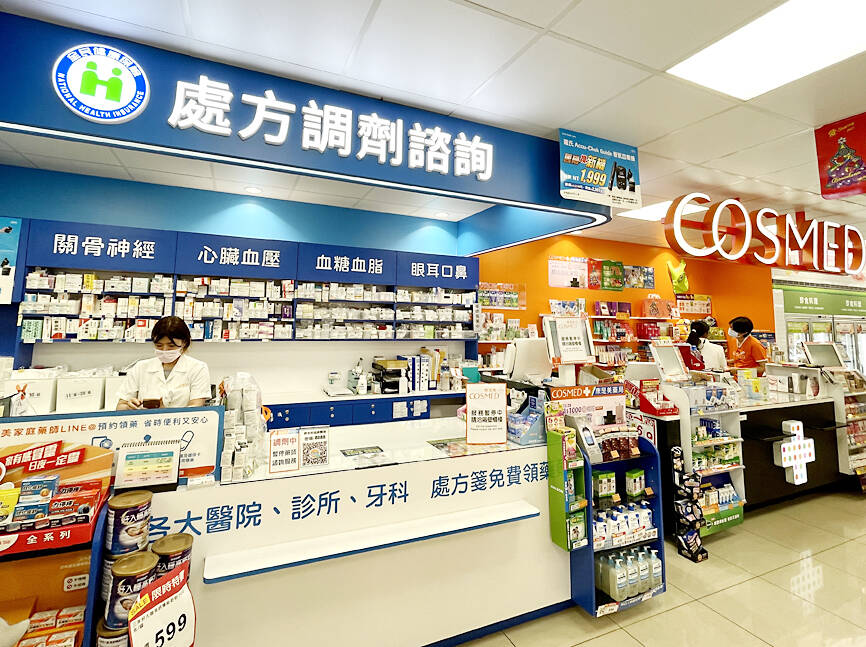
Pharmacies are widely available and generally carry a range of medications. For prescription medications, bring necessary items and a doctor’s note if required.
Culture & Foods
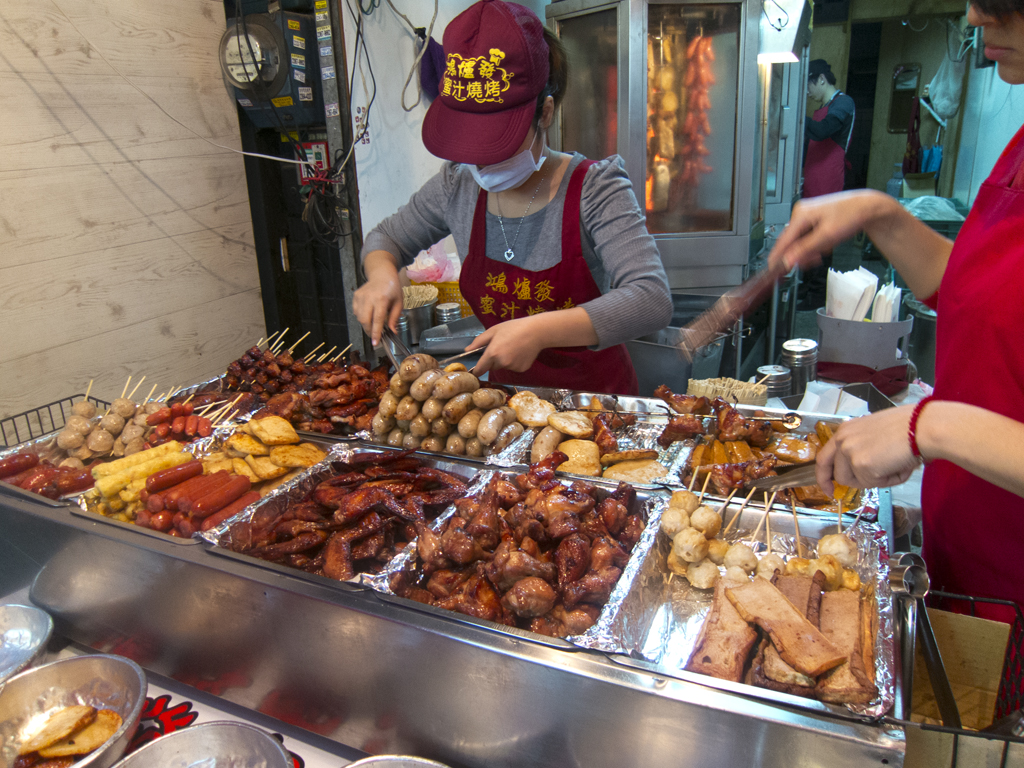
Culture: Taiwanese culture is a blend of Chinese traditions and indigenous influences. Hospitality is highly valued, and it’s common to share meals.
Foods:
Try local specialties such as:
- Beef Noodle Soup: A hearty dish that is a staple in Taiwanese cuisine.
- Oyster Omelet: A popular street food made with eggs, oysters, and a starch mixture.
- Braised Pork Rice (Lu Rou Fan): A comfort food consisting of braised pork served over rice.
- Bubble Tea: A famous Taiwanese beverage that combines tea with milk and chewy tapioca pearls.
Others
By keeping these points in mind, you’ll be well-prepared for your business trip to Chinese Taipei. Enjoy your travels!
Time Zone: GMT+8 (no DST)
Transport: Extensive metro (MRT), buses, ride-sharing, and high-speed rail.
Climate: Subtropical—hot & humid summers (June–Aug), mild winters (Dec–Feb). Typhoon impact should be monitored during planning.