China PR
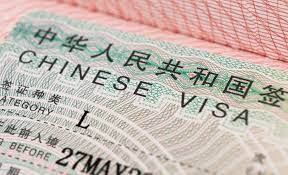
Entry Visa
Entry Visa Information
Visa Exemptions
(1) Unilateral Visa Exemption: updated website link: https://en.nia.gov.cn/n147418/n147463/c183390/content.html
Asia (8 countries): Bahrain, Brunei, Japan, Kuwait, Malaysia, Oman, Saudi Arabia, South Korea
(2) Mutual Visa Exemption Agreements: updated website link: https://en.nia.gov.cn/n147418/n147463/c181470/content.html
(3) Indonesia and Vietnam are not visa-free to China
Apply through a Chinese embassy or consulate. Ensure you have all required documents, including an invitation letter from a Chinese business partner.

Major Airports
Beijing Capital International Airport (PEK): Located in the capital city, it's one of the busiest airports in the world and a major international hub.
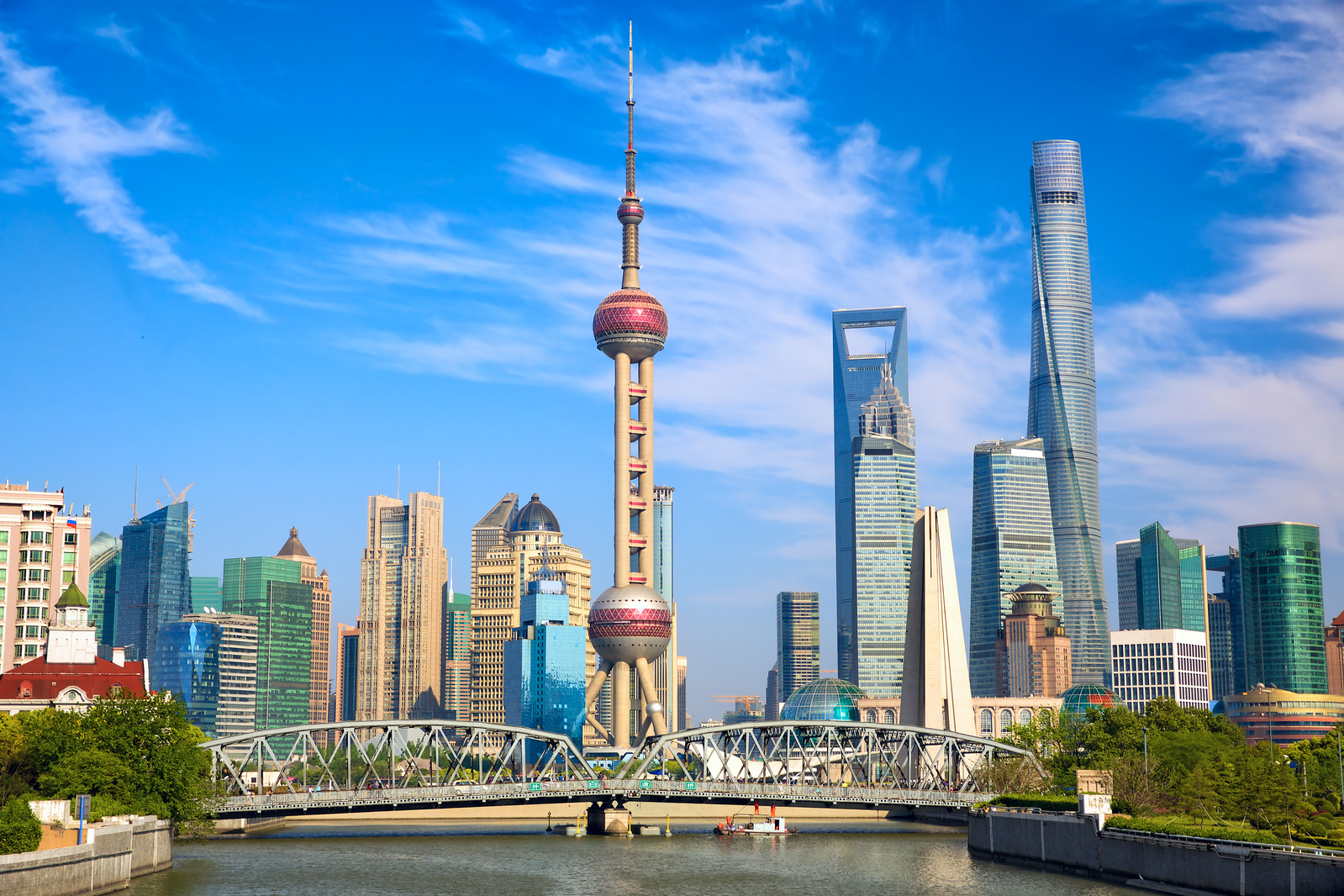
Shanghai Pudong International Airport (PVG): Serving as a major international gateway, it's also a key cargo hub.
Guangzhou Baiyun International Airport (CAN): A major airport in southern China, serving the Guangzhou area.
Chengdu Shuangliu International Airport (CTU): A major airport in western China, serving the Chengdu area.
Shenzhen Bao'an International Airport (SZX): Located in the Pearl River Delta, it's a major airport serving Shenzhen
Facilities: All major airports have various amenities, including restaurants, duty-free shops, and lounges. Expect security checks and potential delays.
Money Exchange
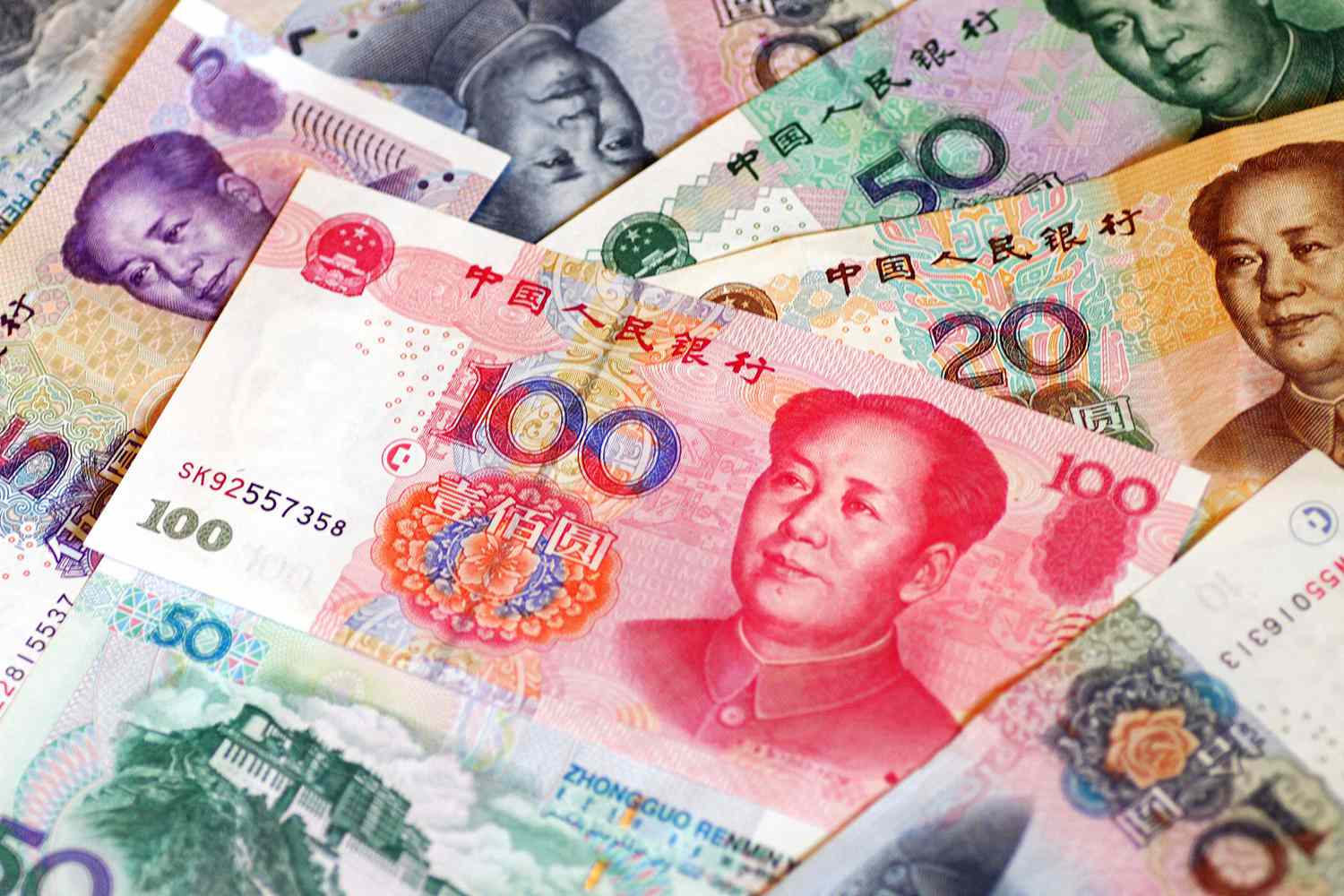
Currency: The Chinese Yuan (CNY) or Chinese Renminbi (RMB) is the local currency.
Exchanging Money: Currency exchange services are available at airports, banks, and exchange bureaus. ATMs are widely accessible, especially in cities, but may have limits on foreign cards.
Important
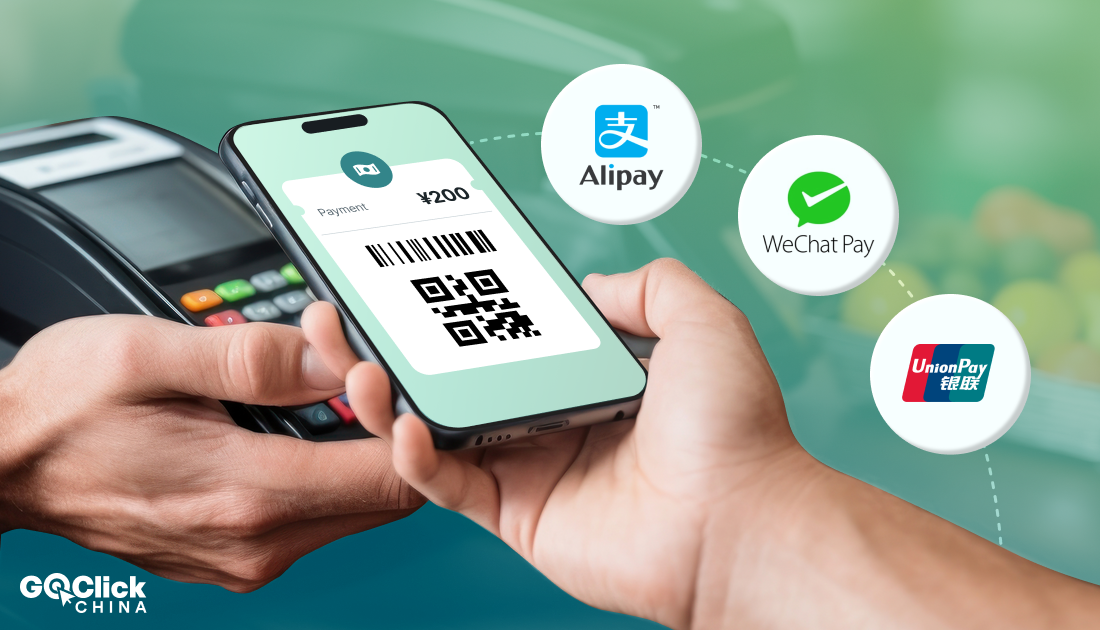
Cash payment is obsolete in China nowadays, many outlets and shops do not accept cash anymore.
China's payment system is dominated by Alipay and WeChat Pay, which are mobile-first super-apps that use QR codes for transactions and function as digital wallets for a vast array of services, not just payments. UnionPay, China's state-backed card network, also offers a mobile payment app and supports international transactions. Physical cash and traditional bank cards are less common due to the widespread adoption of these digital platforms. Foreign visitors can typically link an international bank card to these apps to pay for goods and services


Meeting Dress Code
For a meeting in China, the dress code is formal and conservative, as professional appearance is viewed as a sign of respect. However, expectations can vary by industry, so it is always safer to overdress, especially for a first meeting.
Men
Suit: A dark, conservative business suit is the standard, with navy or black being the safest options.
Shirt and tie: Wear a button-down shirt and a tie. Opt for neutral colors or simple patterns for the tie. A long-sleeved shirt is generally preferred.
Shoes: Ensure your shoes are polished and in good condition. Dress shoes in a dark color like black or brown are appropriate.
Women:
Attire:
Wear a modest business suit, pantsuit, or a formal dress.
Colors: Stick to conservative, muted colors. Avoid anything too bright or patterned.
Modesty: Keep attire modest by avoiding low necklines, short skirts, or revealing clothing, as these are often frowned upon. Hemlines should generally be at or below the knee.
Shoes: Wear flats or shoes with very low heels. High heels can be considered inappropriate in a Chinese office environment.
Makeup and jewelry: Keep makeup neutral and jewelry simple.
Language
Mandarin Chinese is the official language. While English is spoken in major cities and business contexts, having a translator can be helpful for more nuanced discussions.
A basic Chinese conversation typically starts with greetings and introductions. Common phrases include
"你好 (nǐ hǎo)" for "hello,"
"谢谢 (xiè xiè)" for "thank you,"
"对不起 (duì bu qǐ)" for "sorry," and
"没关系 (méi guān xi)" for "it's okay/no problem".

Telephone
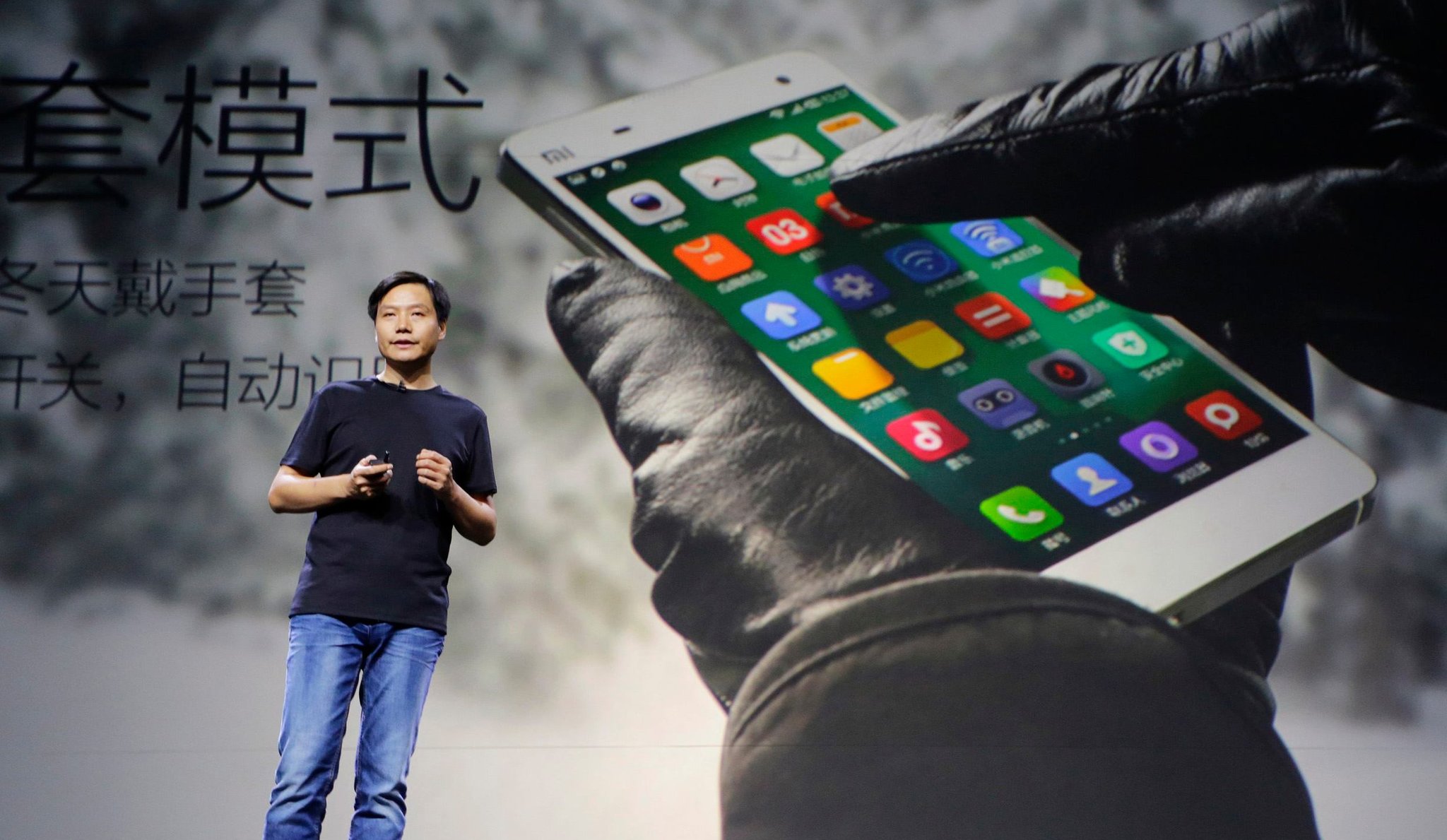
Major mobile phone brands in China are dominated by domestic manufacturers like Huawei, Xiaomi, and Vivo, which fiercely compete with Apple and Oppo. In 2025, market leaders have shifted between Xiaomi and Huawei, while premiumization and AI capabilities have become key market trends.
International Dialing: To call China, use +86 and drop the leading zero from area codes.
Local SIM Cards: Consider purchasing a local SIM card from providers like China Mobile, China Unicom, or China Telecom for affordable data and calls.
Internet
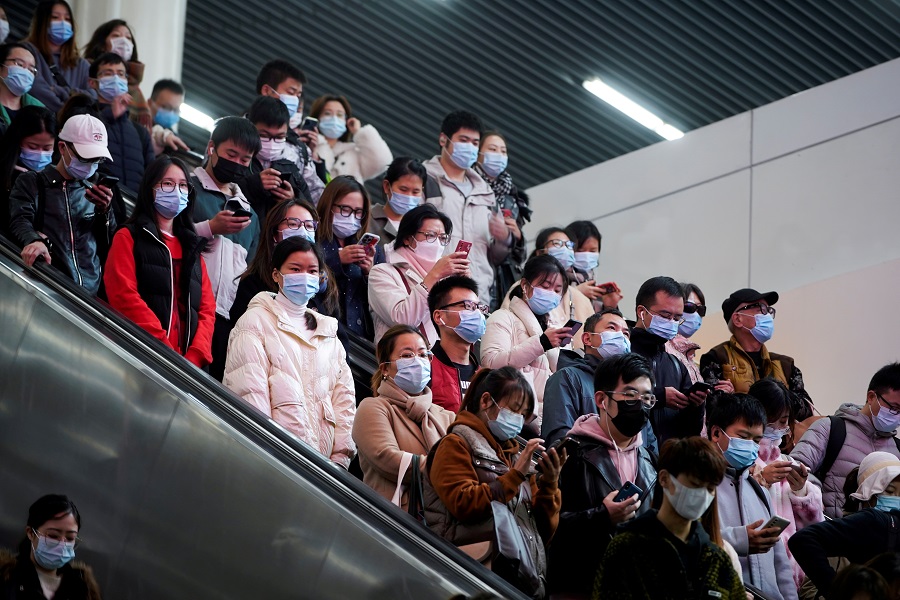
Internet access in China is widespread and technically advanced, but VPN is required to access Twitter, Facebook, WhatsApp, INS, Google, Gmail etc.
While China has a large online population and high internet penetration rates, especially in urban areas, access to certain websites and online services.

Business Hours
The standard working hours in China are eight hours per day and 40 hours per week, typically equating to a five-day work week, with at least one rest day. There are also alternative work systems like comprehensive and flexible working hours, which may be applied in specific cases with local labor department approval.
Typical business hours are Monday to Friday, from 9 AM to 5 PM. Some businesses may also operate on Saturday mornings. Be mindful of local public holidays.
Punctuality
In China, meeting punctuality is highly valued, especially in formal business contexts, as it is a sign of respect for your counterparts. Being late can be seen as offensive and unprofessional, potentially harming your reputation and relationship, or guanxi.
Arrive early. The general rule is to arrive 5 to 10 minutes ahead of the scheduled time. This demonstrates your commitment and organizational skills. Arriving right on the dot is also acceptable. Acknowledge and apologize for delays. If you are going to be late, even by a few minutes, you must inform your hosts immediately. In Chinese business culture, it is important to communicate any unforeseen delays, such as traffic, out of courtesy.
Account for different power dynamics. While you should always be punctual, it is not uncommon for senior officials or high-ranking executives to arrive late. This is a reflection of hierarchy and power dynamics, not disrespect. In this situation, it is best to be patient and wait for your host to arrive.
Don't read too much into "China time." Some expatriates may refer to "China time" to describe a more relaxed approach to time. However, this is mostly a cultural generalization and does not apply to professional meetings, where punctuality is taken seriously.
Punctuality can be more flexible in social and informal settings, though it is not a guarantee.
Don't be too early for social gatherings. For events like a dinner party, arriving too early could be seen as an inconvenience to the host, who may still be preparing. A good practice is to wait until the appointed time before entering.
Be aware of the setting. The expected punctuality for a casual gathering with friends is very different from a formal dinner or a banquet.



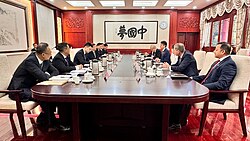
Meeting Etiquette
Navigating business meetings in China requires an understanding of key cultural values, particularly the concepts of "guanxi" (relationships) and "face" (reputation). Meetings focus on building long-term trust and respect, often proceeding more slowly than in Western countries
Schedule in advance and confirm: Appointments are essential and should be arranged well ahead of time. Avoid scheduling meetings during major Chinese national holidays, such as Chinese New Year.
Be punctual: Arriving 10 minutes early shows respect for your hosts' time. If you are delayed, inform them immediately.
Respect hierarchy: Understand that rank and seniority are very important. The most senior person in your delegation should enter the meeting room first and lead introductions.
Handshakes and bows: A handshake is a common greeting, often accompanied by a slight nod or bow. Wait for your Chinese counterpart to initiate the handshake, as physical contact is not as common as in Western cultures.
Address with titles: Address people by their official title and surname (e.g., "Director Wang"). Use "Mr." or "Ms." followed by the family name if you are unsure of their title. The Chinese family name is typically stated first.
Be patient: Decision-making can be a lengthy process as it often requires input and consensus from multiple parties. Avoid pressuring your counterparts for a quick answer.
Decipher subtle responses: A direct "no" is rarely used. Instead, phrases like "we'll consider it" or "it will be difficult" may signal disagreement. Similarly, a nod or "yes" may simply mean they are listening, not that they are in agreement.
Avoid interrupting: Speaking over a Chinese colleague is considered rude. Be attentive and wait your turn to speak.
History of Major Football Incidents
Football (soccer) is gaining popularity in China. Notable incidents include:
2002 World Cup: China’s first appearance, though they did not advance past the group stage, was a significant moment in national pride.
Domestic Leagues: The rise of the Chinese Super League has attracted international attention, especially with high-profile player signings.
Football Culture in China
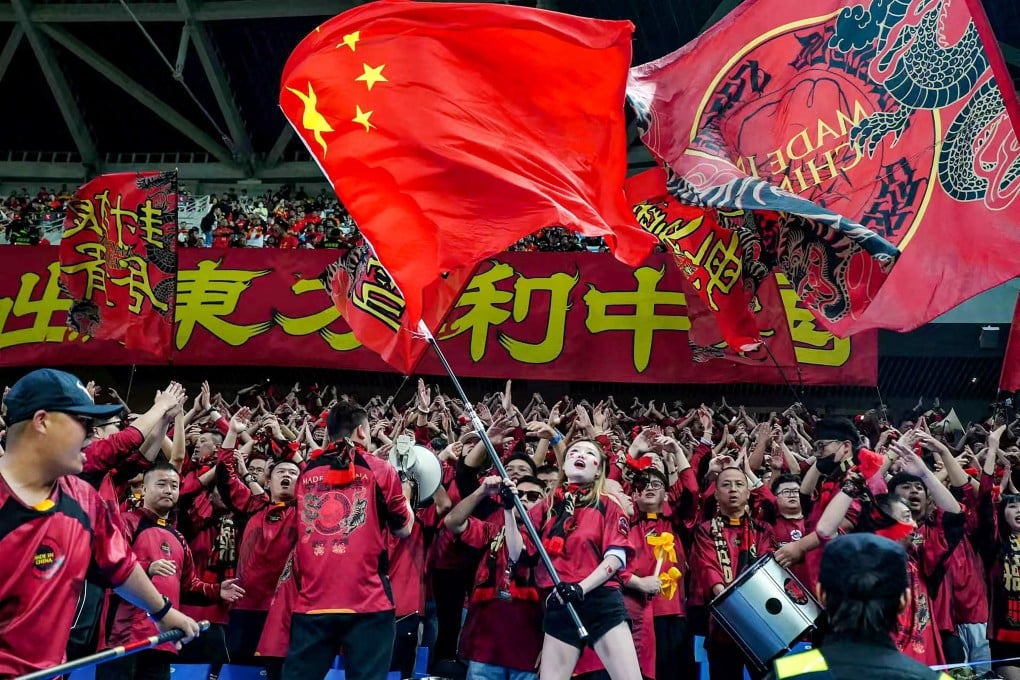
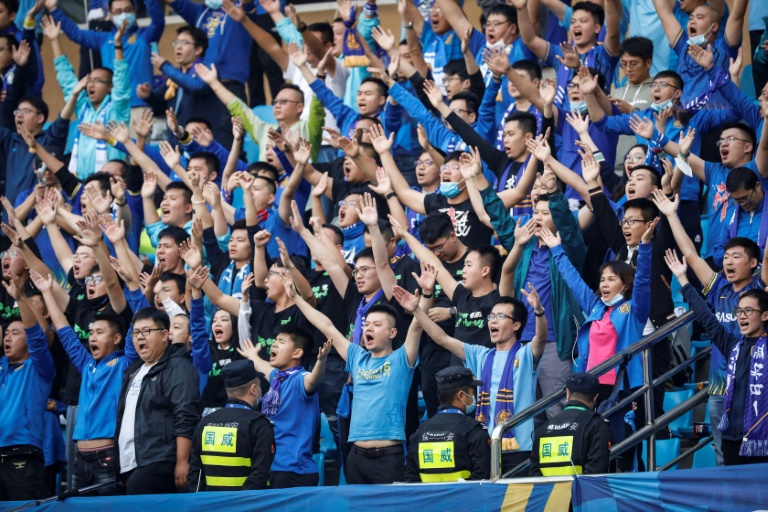
Football in China has a long, but disrupted, history, marked by the sport's rise in the early 20th century and subsequent periods of decline due to political upheaval. While China's professional leagues have struggled with issues like corruption, a recent surge in interest in amateur and fan-driven leagues, such as SuChao, is fostering a more organic and grassroots football culture, driven by local pride and community. This evolving culture includes a large, sometimes temporary, fanbase and a growing appreciation for local teams and the social aspects of the game beyond just professional success.
Natural Disasters
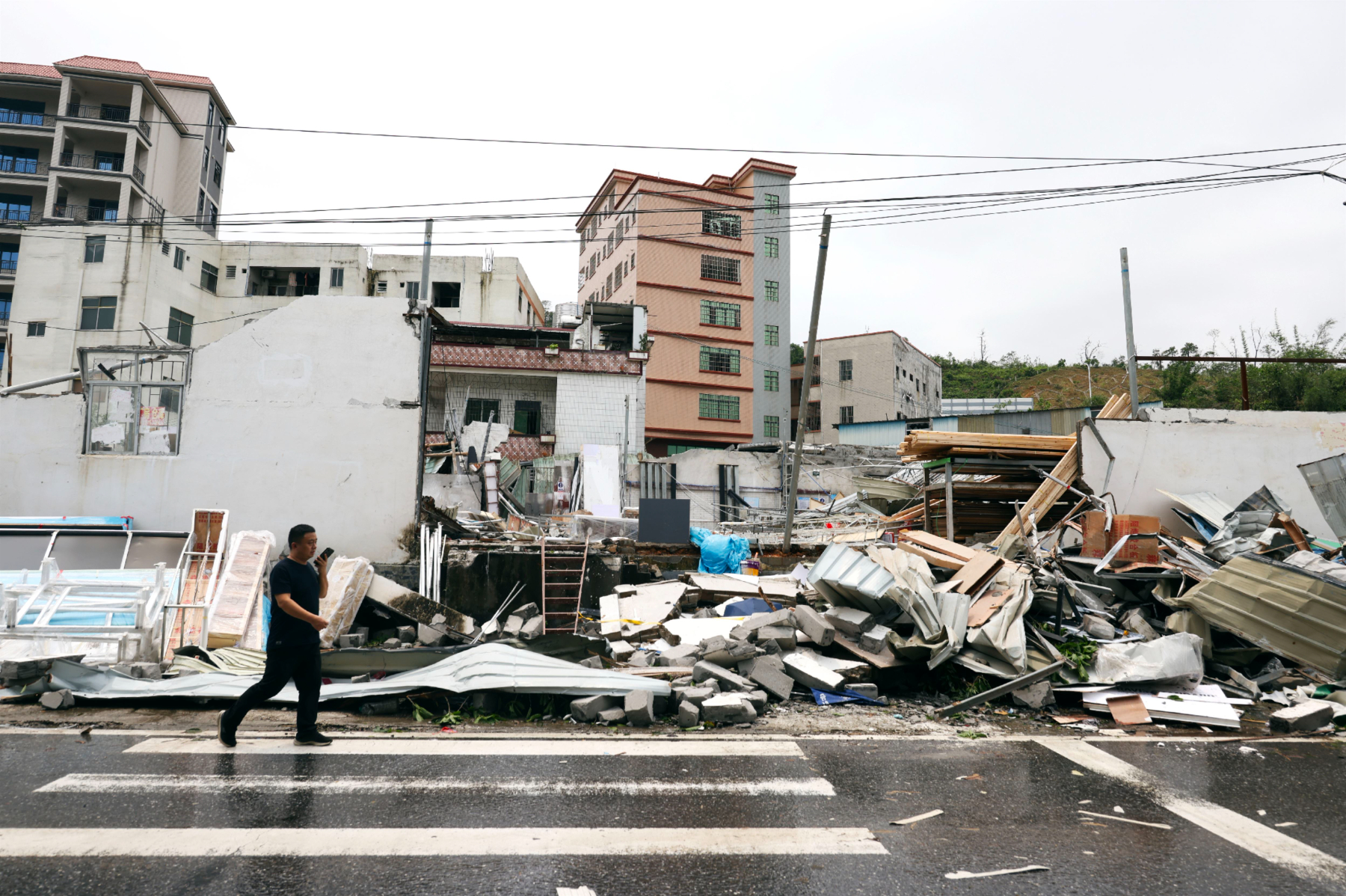
Major types of natural disasters in China
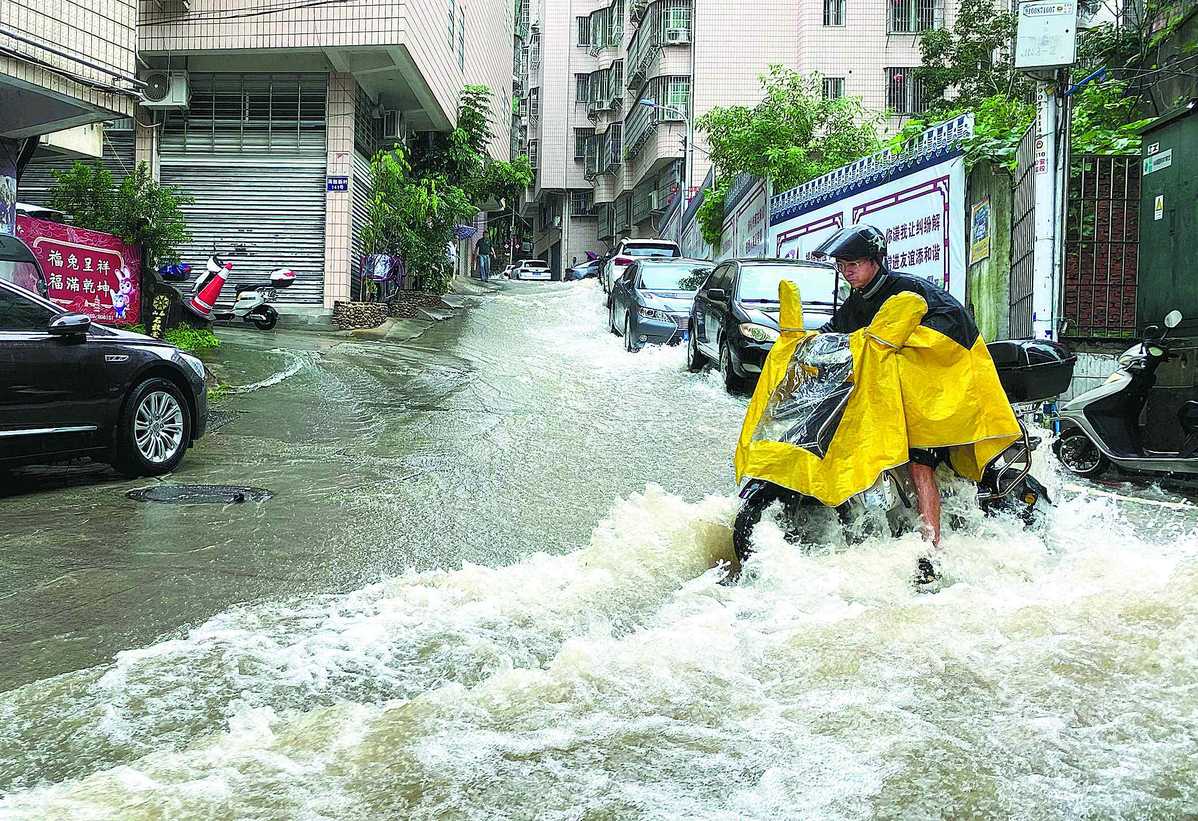
Floods: Flooding is one of the most frequent and impactful natural hazards, threatening two-thirds of the country's territory. The Yangtze, Yellow, Huaihe, and Haihe river valleys are particularly prone to flooding. Many urban areas have also experienced an increase in flood events in recent years.
Typhoons and severe storms: With an extensive coastline, China is hit by an average of seven tropical cyclones a year. Severe storms frequently cause high winds, rainfall, and coastal damage. Climate change is projected to increase the frequency and intensity of these typhoons.
Earthquakes: Situated at the intersection of the Eurasian, Pacific, and Indian Ocean plates, China is highly susceptible to seismic activity. The southwestern and northwestern regions are the most earthquake-prone. Historically, earthquakes in China have resulted in a high number of casualties due to the dense population in vulnerable areas.
Landslides and debris flows: Due to its mountainous terrain, geological disasters such as landslides and debris flows are common, particularly in the southwest and other mountainous regions. Heavy rainfall often triggers these events.
September has more disaster declarations than any other month of the year. September is the month with the most disasters. It has 12.76% of all disasters recorded over the last several decades.
Emergency Response
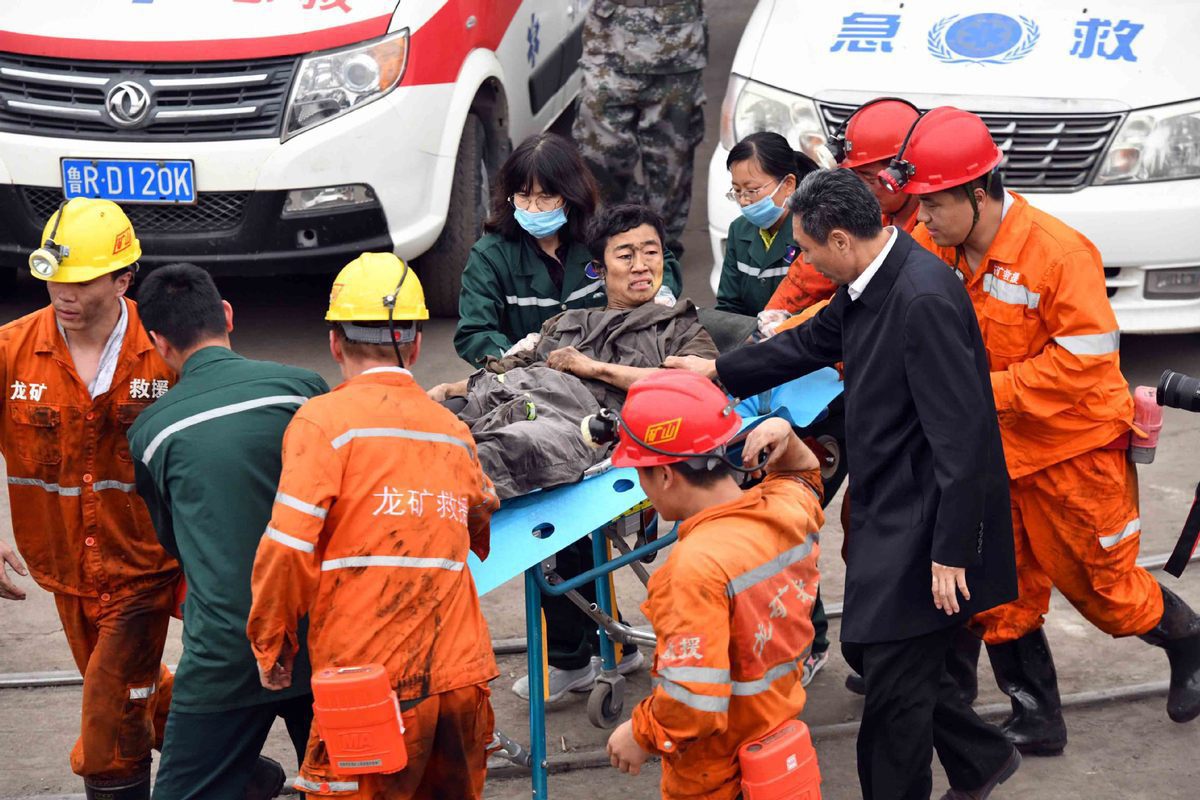
China has a tiered emergency response system for natural disasters and other emergencies, with a national system led by the National Emergency Management Ministry.
- 119 for fire,
- 120 for medical emergencies,
- 110 for police;
- 122, is used for traffic accidents.
The system relies on immediate reporting by local governments, with a hierarchical structure to ensure unified leadership for handling major incidents.
Medical Services
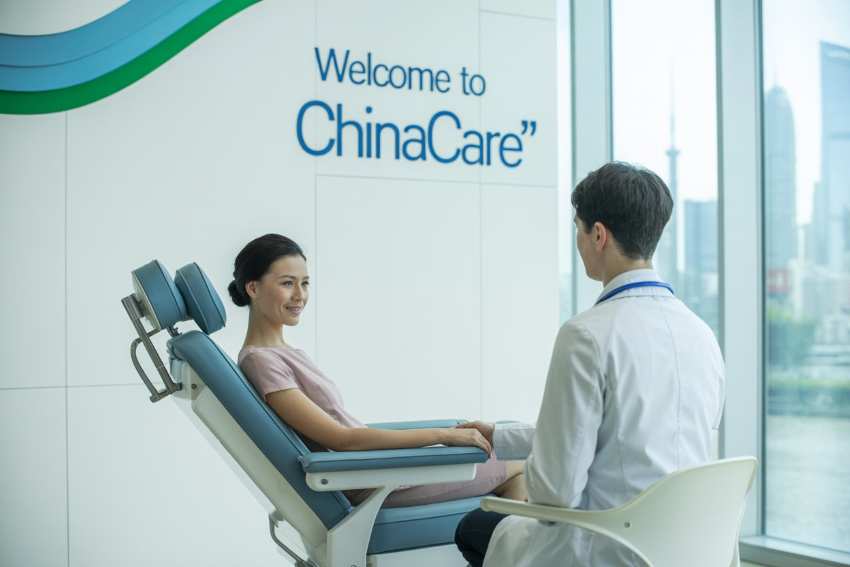
Medical services in China range from public to private options, with public hospitals offering extensive but often crowded services and private hospitals providing English-speaking staff, higher privacy, and better amenities at a higher cost. Public insurance covers a large portion of the population, while private health insurance is recommended for expats. Expats should research insurance coverage and hospital options, as quality varies and language barriers can exist in public facilities.
For Expats
Insurance: Private health insurance is highly recommended for expats, as public insurance can be limited and expensive for basic plans.
Hospital Choice: Research hospitals and their relationship with your insurance provider before committing to a policy.
Language: In major cities, some facilities offer English-speaking staff, but language barriers can still be a challenge in public settings.
Emergency: For medical emergencies, call the hotline 120.
Traditional Chinese Medicine
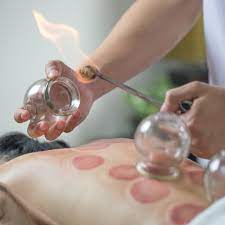
TCM is deeply integrated into China's modern healthcare system, often practiced alongside Western medicine.
Hospitals: TCM has its own hospitals and departments within Western medicine hospitals, with patients often having a choice between TCM and Western treatment.
Integration: Many hospitals practice "integrative medicine," combining Western and traditional Chinese treatments. During the COVID-19 pandemic, TCM was officially used in treatment strategies.
Government support: The Chinese government strongly supports the development and expansion of TCM and has invested heavily in the sector.
Pharmacies
Pharmacies are available in urban areas, but not all staff speak English. For prescription medications, bring necessary medications and a doctor’s note if required.
Offline Pharmacies: These are the traditional brick-and-mortar stores, with major chains like Sinopharm (a state-owned enterprise), Yonghui Superstores, and Watsons operating numerous locations.
Online Pharmacies: Online pharmacies are experiencing rapid growth, with significant year-on-year increases in sales revenue, though they still represent a smaller share of the overall market compared to offline pharmacies.

Foods
Try local specialties such as:
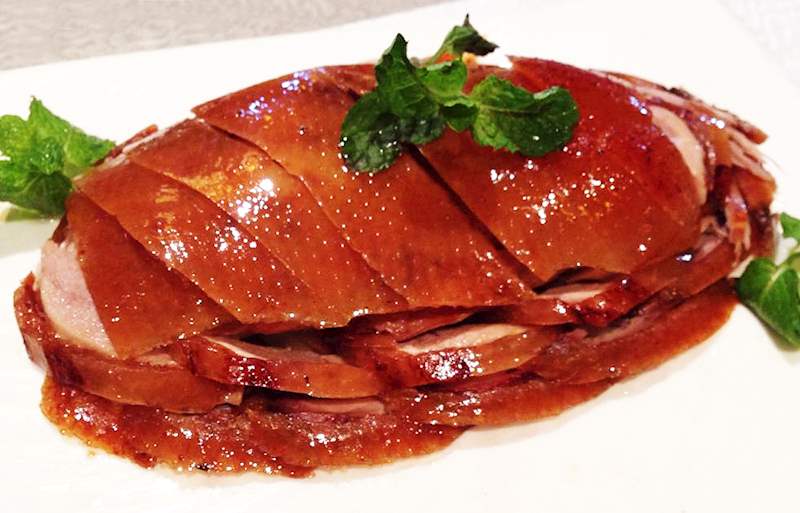
Peking Duck: A classic dish from Beijing, featuring crispy skin and tender duck, often served with thin pancakes, scallions, and sweet bean sauce.
Kung Pao Chicken: A Sichuan specialty with diced chicken, peanuts, vegetables, and chili peppers, known for its spicy and savory flavor.
Mapo Tofu: Another Sichuan staple, this dish features soft tofu in a spicy and flavorful sauce with minced meat (usually pork).
Jianbing: A popular street food, these savory crepes are made with a thin batter, filled with egg, scallions, and other toppings, and often enjoyed for breakfast.
Biang Biang Noodles: Thick, hand-pulled noodles from Shaanxi province, typically served with a rich, savory sauce.
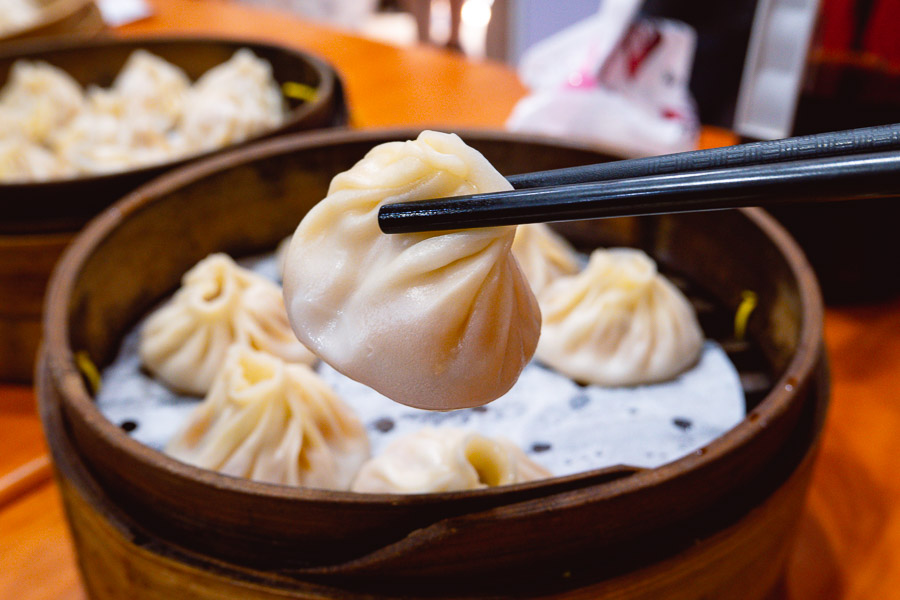
Xiaolongbao (Soup Dumplings): These steamed dumplings are filled with flavorful broth and meat or seafood, a popular treat in Shanghai and other regions.
Sichuan Hot Pot: A communal dining experience where diners cook raw meats, vegetables, and noodles in a simmering pot of spicy broth.
Cities with Halal Food
Xi'an:
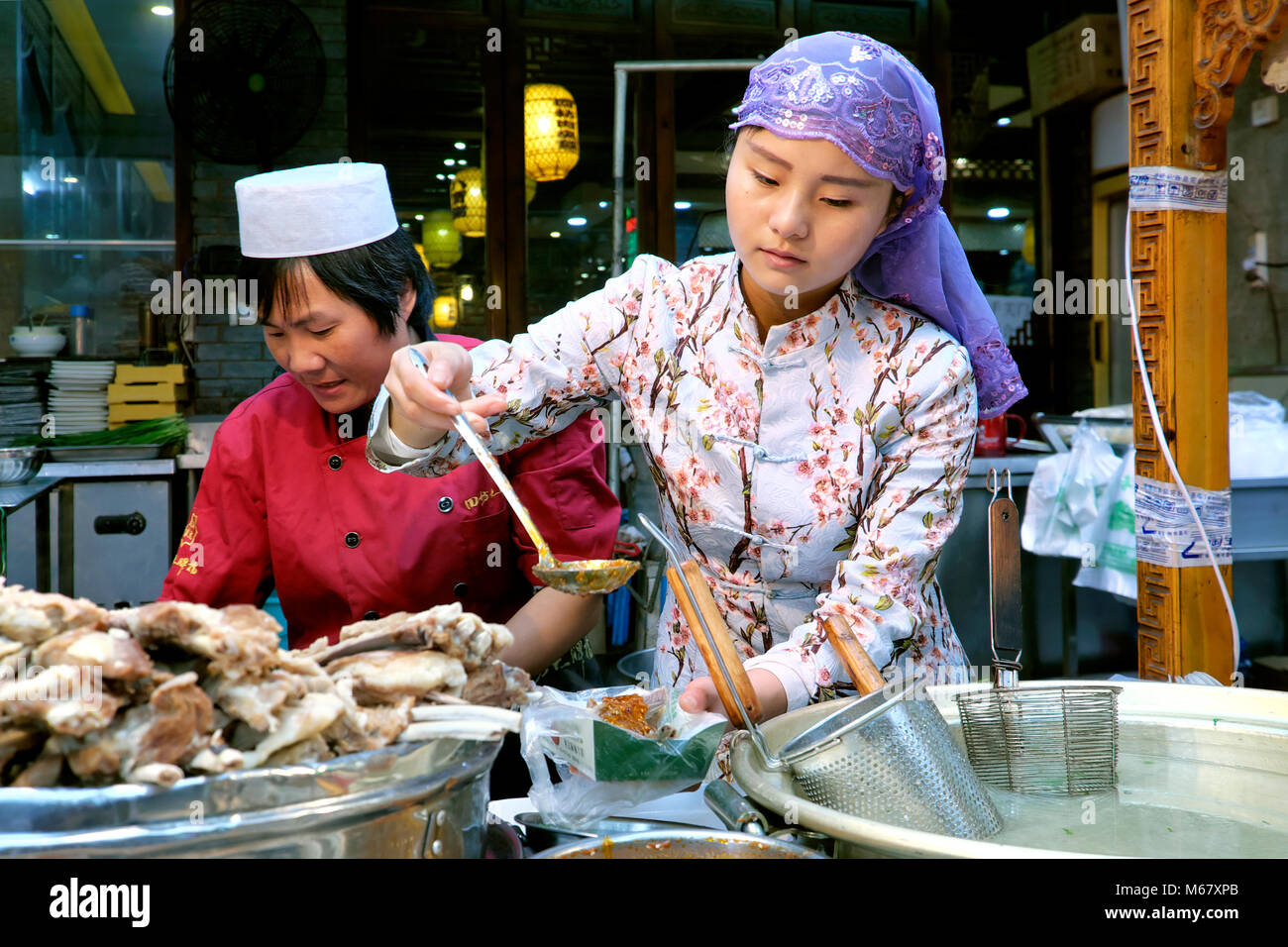
Xi'an, a historical starting point of the Silk Road, is famous for its vibrant Muslim Quarter (Huímín Jiē). Here, you can find a bustling street food market near the Great Mosque offering traditional dishes like lamb skewers and yángròu pàomó (lamb and bread stew).
Beijing: The Niujie Muslim Quarter in the capital is a major hub for halal food. Many restaurants, including the historic Hong Bin Lou, serve classic dishes such as lamb hotpot.
Shanghai: As a cosmopolitan city, Shanghai offers a diverse range of halal food options. Xinjiang restaurants like Yershari can be found there, as well as Muslim-friendly options in the Hongkou District and near mosques.
Guangzhou: In this southern hub, a concentration of halal food can be found in the "Little Africa" area near the Xiaobei metro station. This district is known for its Arab and African communities and offers a mix of Chinese Muslim and international halal cuisines.
Culture
Family and Social Structure: Family remains central, with strong emphasis on filial piety and respect for elders. Modern Chinese families often live in apartments, sometimes with multiple generations, and maintain close ties.
Tradition and Modernity: While traditional Chinese values like harmony, benevolence, and righteousness are still present, modern Chinese culture also incorporates Western-style clothing and modern amenities.
Cultural Identity: China's cultural identity is shaped by the tension between preserving its traditional values and adapting to global influences, particularly those from the West.
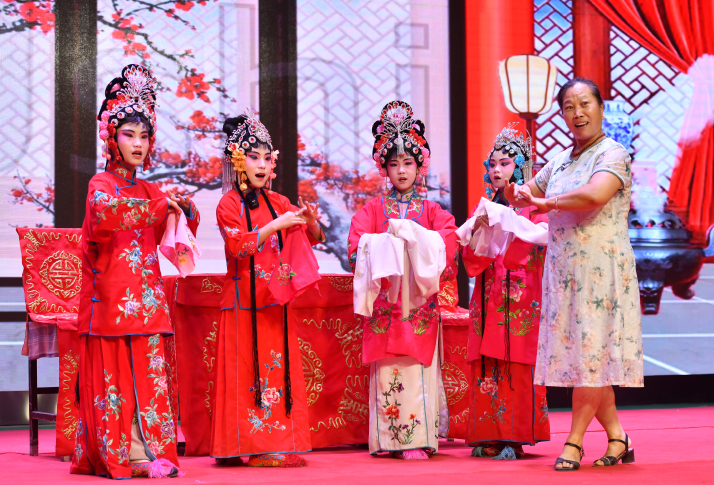
Arts and Literature: Chinese culture is rich in traditional arts, including calligraphy, painting, and opera, as well as modern literature and film.
Festivals and Celebrations: Traditional festivals, like the Mid-Autumn Festival, are still widely celebrated, often with a mix of traditional customs and modern adaptations.
Language: China has two written forms, Traditional and Simplified Chinese, reflecting the evolution of the language.
Others
By keeping these points in mind, you'll be well-prepared for your business trip to China. Safe travels!
Time Zone: GMT+8.
Transport: Robust network of domestic flights, high-speed rail, metro and city buses.
Climate: Ranges from humid subtropical in the south to temperate/continental in the north; monsoon season June – September.
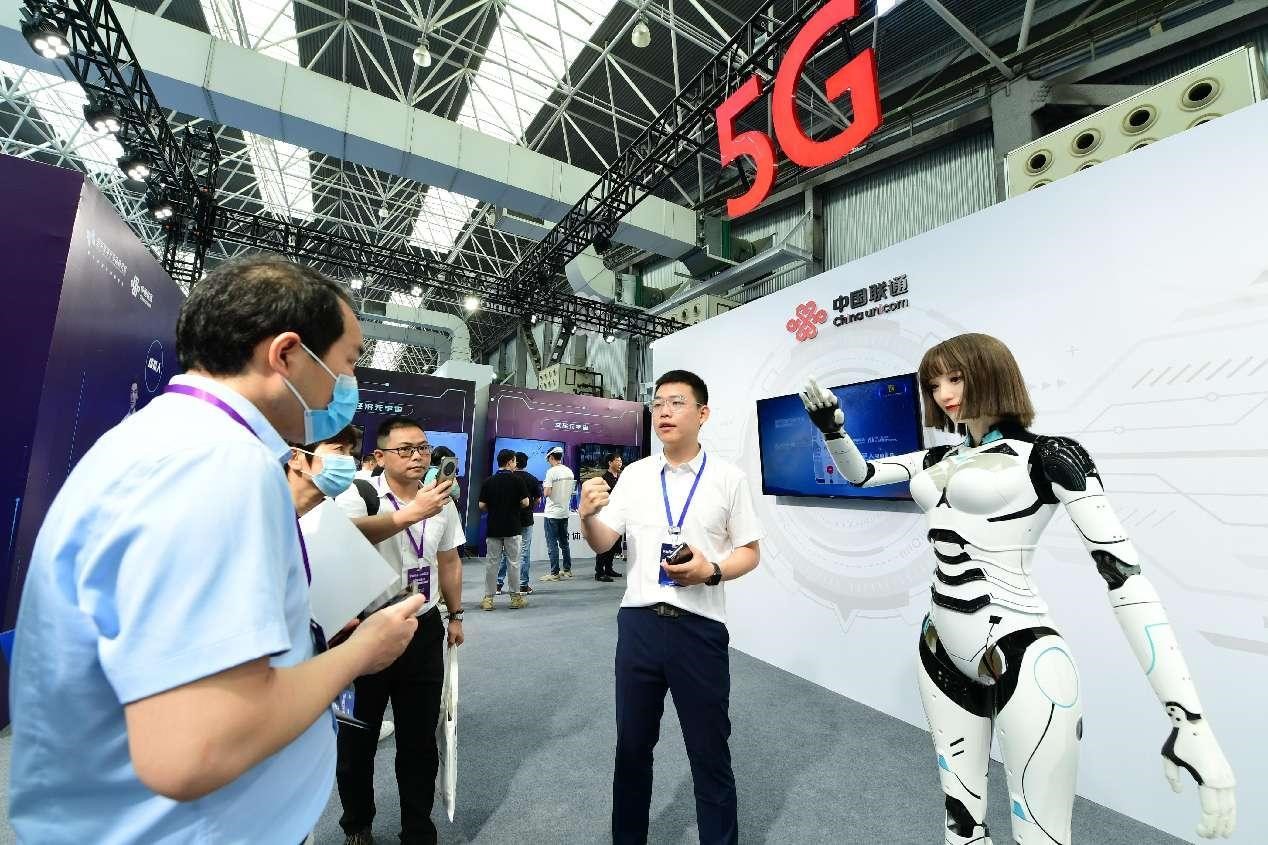
China has emerged as a global leader in modern technology, driven by significant government investment and a dynamic private sector. The country has made remarkable advancements in artificial intelligence (AI), renewable energy, and space exploration, positioning itself as a major technological power alongside the United States.