Cambodia
Entry Visa
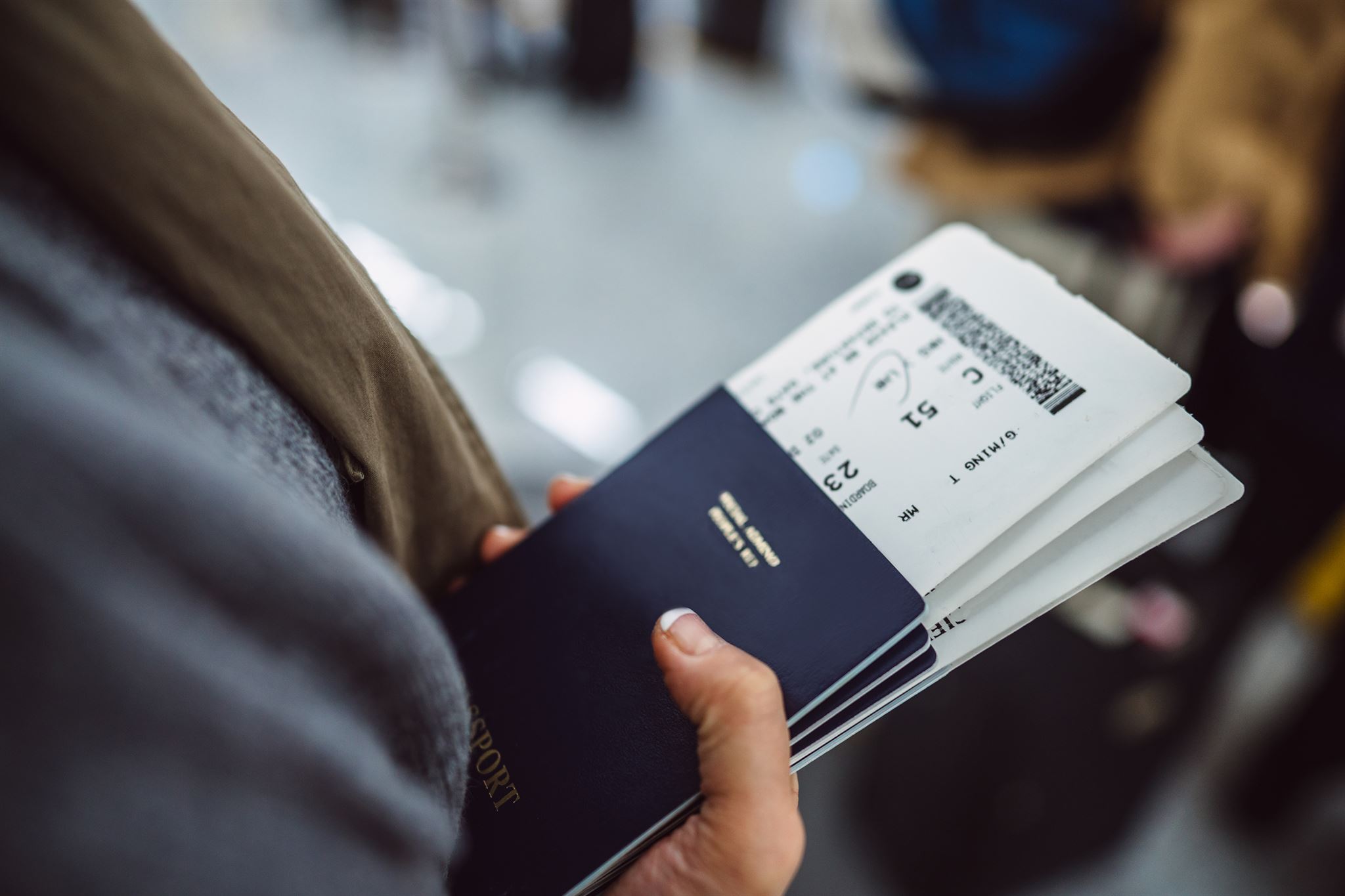
Visa Requirements: Most travelers require a visa to enter Cambodia. Many nationalities can obtain an e-visa online or a visa on arrival.
Documents Required: A valid passport (with at least six months validity), a completed visa application form, and a passport-sized photo. The e-visa can be processed online before arrival.
Major Airports
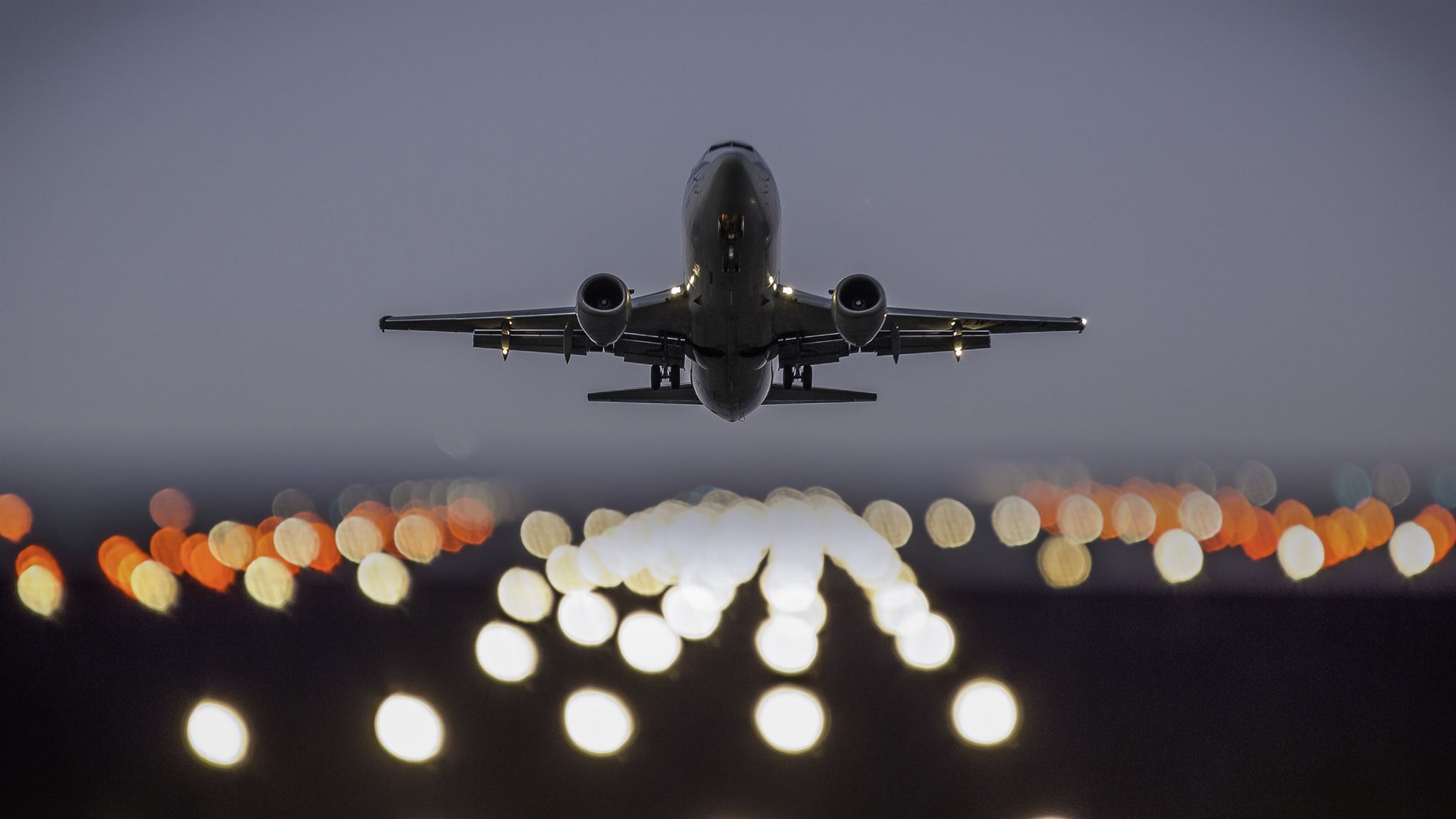
Phnom Penh International Airport (PNH) and Siem Reap International Airport (REP) are the main international gateways.
Facilities: Airports offer basic amenities such as duty-free shops, restaurants, and currency exchange services. Wi-Fi is available, although it may be limited.
Money Exchange
Currency: Cambodian Riel (KHR) and US Dollar (USD) are widely used.
Exchanging Money: Currency can be exchanged at banks, authorized exchange offices, and the airport. ATMs are available, primarily dispensing US dollars.


Dress Code
Business attire is generally formal.
Men: Suits and ties are common in business settings.
Women: Professional dresses or suits; modesty is appreciated, so avoid overly revealing clothing.
Language
The official language is Khmer. English is widely spoken in business settings and urban areas, especially among younger people.


Telephone
International Dialing: To call Cambodia from abroad, use +855. For local calls, dial the number directly.
Local SIM Cards: Available from providers like Cellcard, Smart, and Metfone, offering various data plans.
Internet
Internet access is widely available in urban areas. Many hotels and cafes offer free Wi-Fi. Mobile data coverage is generally good.


Business Hours
Typical business hours are Monday to Friday, 8 AM to 5 PM, with some businesses closed on weekends. Lunch breaks can vary in length.
Punctuality
While punctuality is appreciated, some flexibility is common. It’s best to arrive on time for meetings.


Meeting Etiquette
Meetings may begin with small talk. Use formal titles and last names until invited to use first names. Exchanging business cards is customary; present and receive them with both hands.
History of Major Football Incidents
Football is popular in Cambodia, with a growing fanbase. While there may have been minor incidents, major issues are relatively rare.


Natural Disasters
Cambodia experiences seasonal monsoons and can occasionally face flooding. Familiarize yourself with local safety procedures in case of severe weather.
Emergency Response
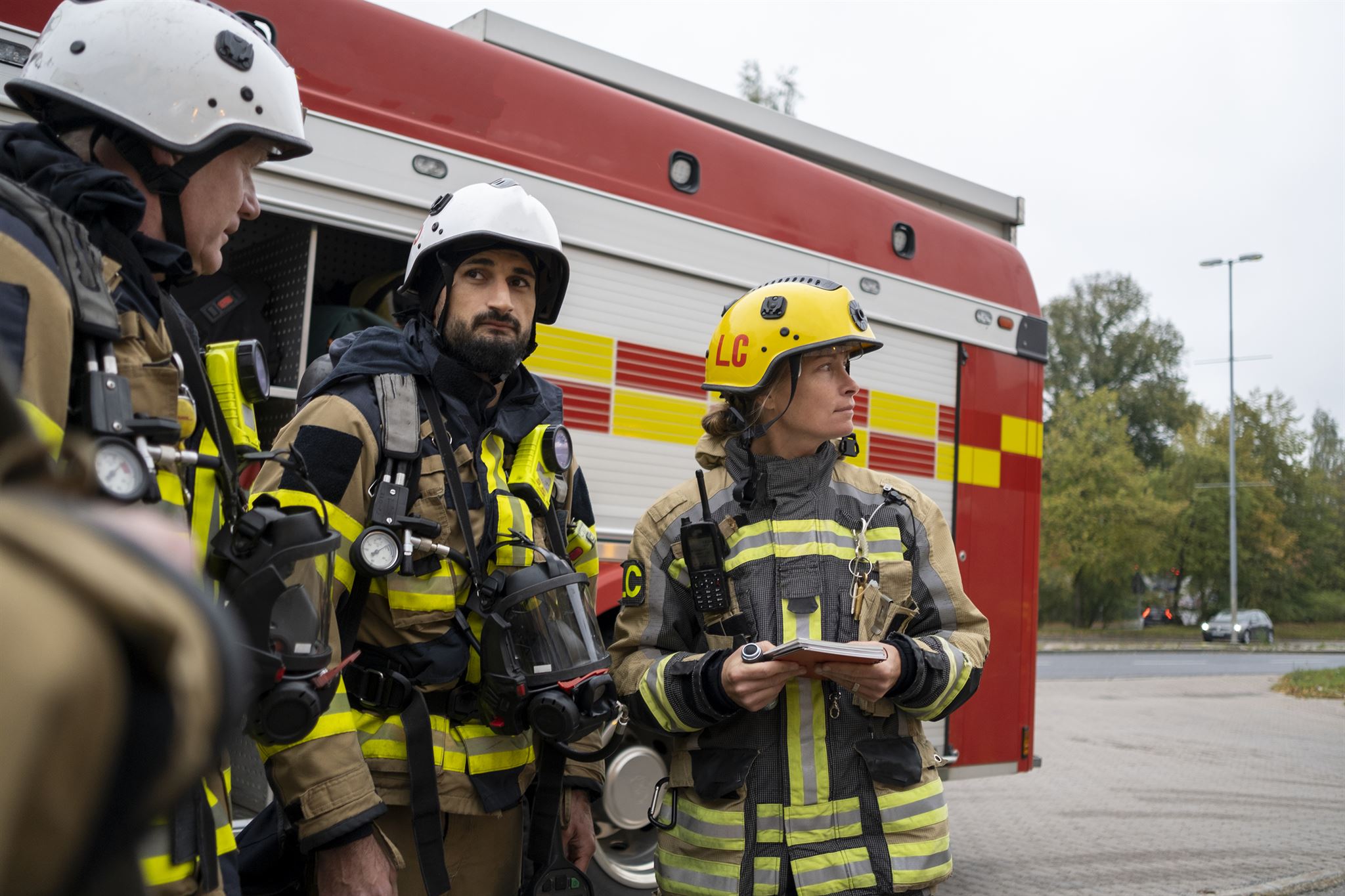
For emergencies, dial 117 for police, 118 for fire, and 119 for medical emergencies. Keep local emergency numbers handy.

Medical Services
Healthcare services vary in quality. Larger cities have hospitals with decent facilities, but it’s advisable to have travel insurance that covers medical emergencies.
Pharmacies
Pharmacies are available in cities and towns, offering both prescription and over-the-counter medications. Many staff members can communicate in English.
Culture & Foods
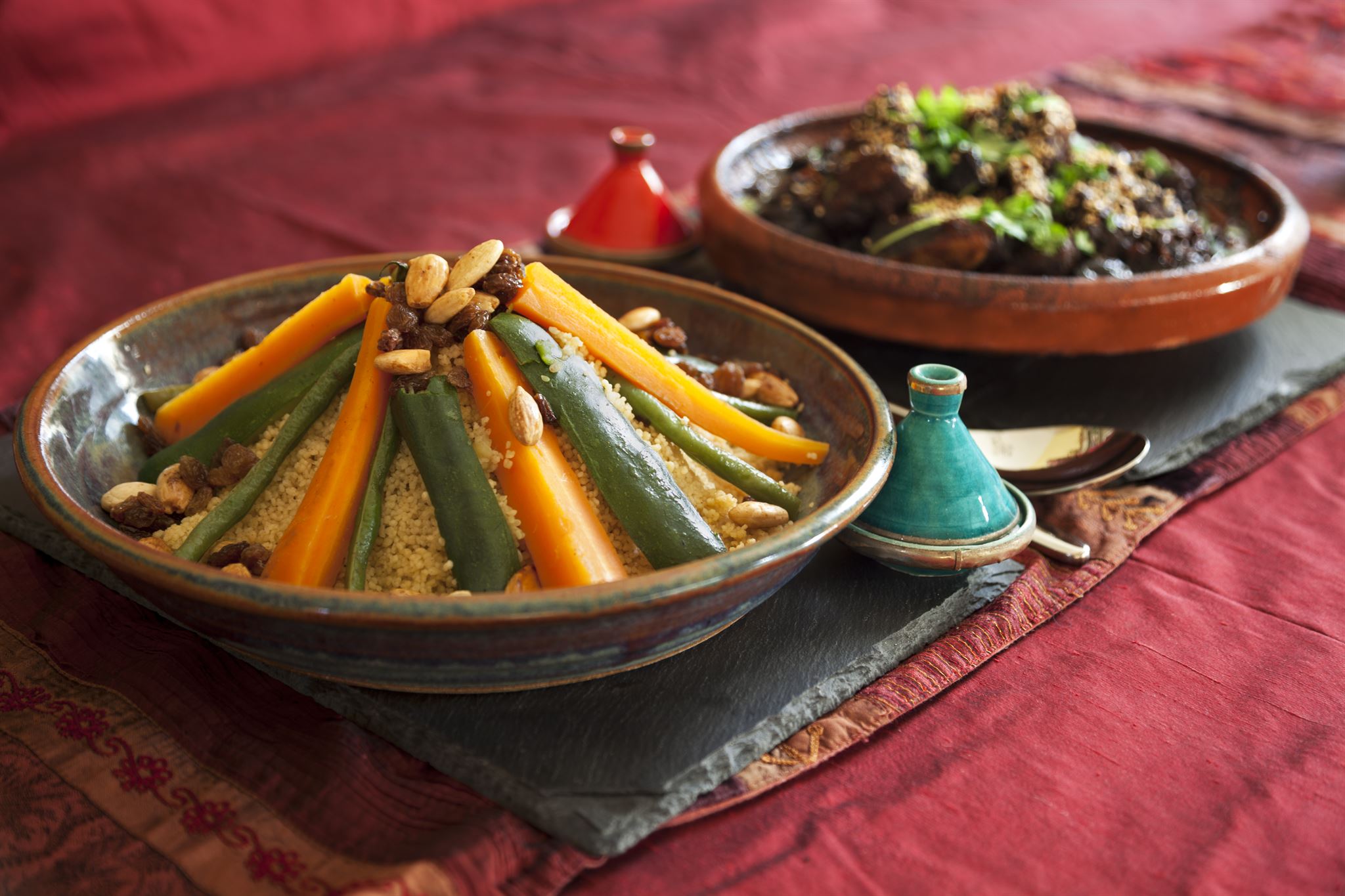
Culture: Cambodia has a rich cultural heritage influenced by Buddhism and history. Respect for local customs and traditions is important.
Foods:
- Amok: A traditional curry made with fish or chicken, often served with rice.
- Khmer Noodles: A popular dish, often stir-fried with vegetables and meats.
- Bai Sach Chrouk: Grilled pork served over rice, commonly eaten for breakfast.
- Kuy Teav: A noodle soup typically made with beef or pork.
Others
By keeping these points in mind, you’ll be well-prepared for your business trip to Cambodia. Enjoy your visit!
Time Zone: GMT+7.
Transport: Domestic flights, buses, taxis, ride-hailing apps, and connectivity to Angkor temples
Climate: Tropical – hot and humid; rainy season significant