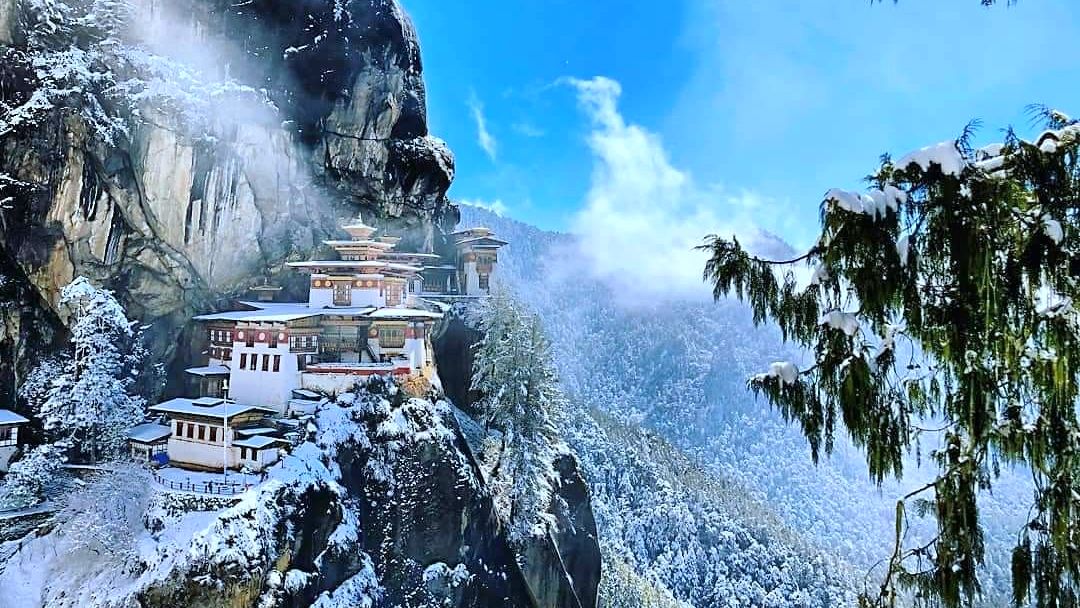
Bhutan
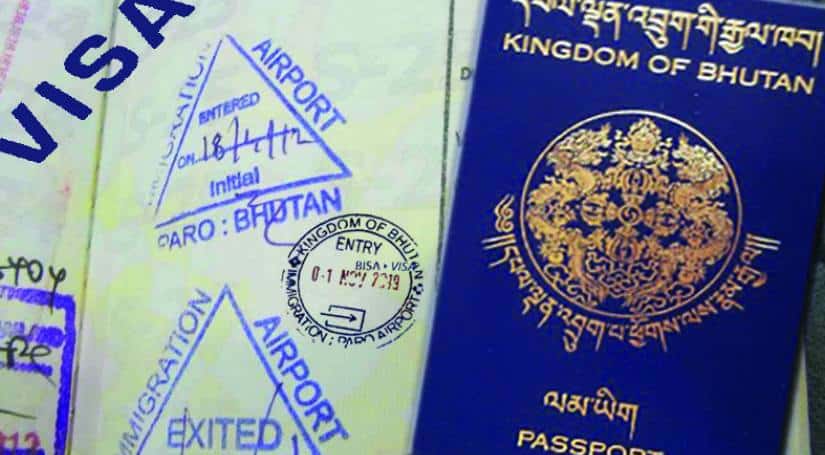
Entry Visa
Visa Requirement: All travelers to Bhutan require a visa, which must be arranged in advance.
Visa Application: Apply through a licensed travel agency in Bhutan or directly through the Bhutanese government. You’ll need a passport copy, a passport-sized photo, and your travel itinerary.
Note that visas are issued only after payment of the minimum daily fee.
Major Airports
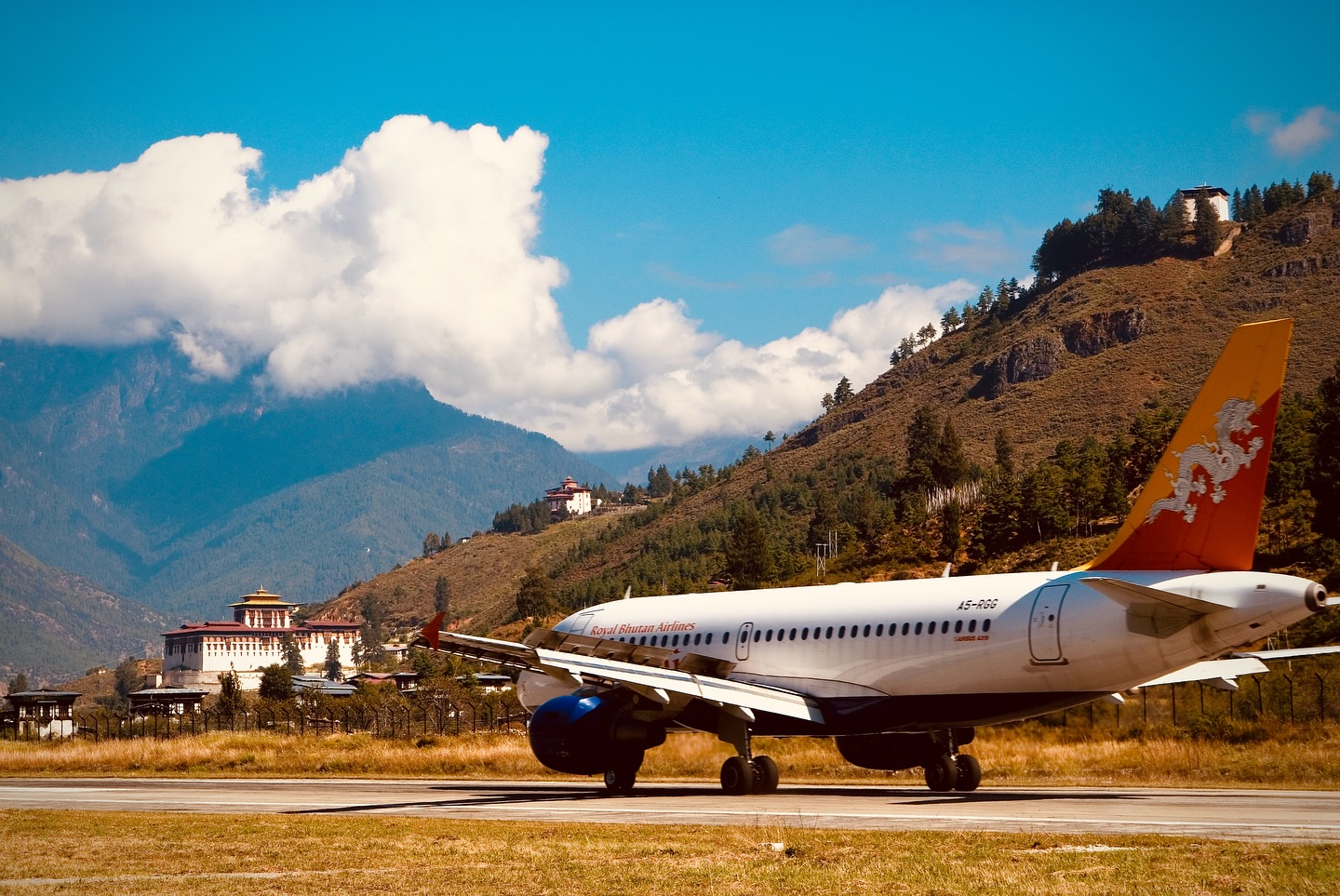
Paro International Airport (PBH): The only international airport in Bhutan, located in Paro.
Facilities: The airport has basic amenities, including duty-free shops and cafes. Security checks are standard, and flights may be subject to weather conditions due to the mountainous terrain.
Money Exchange
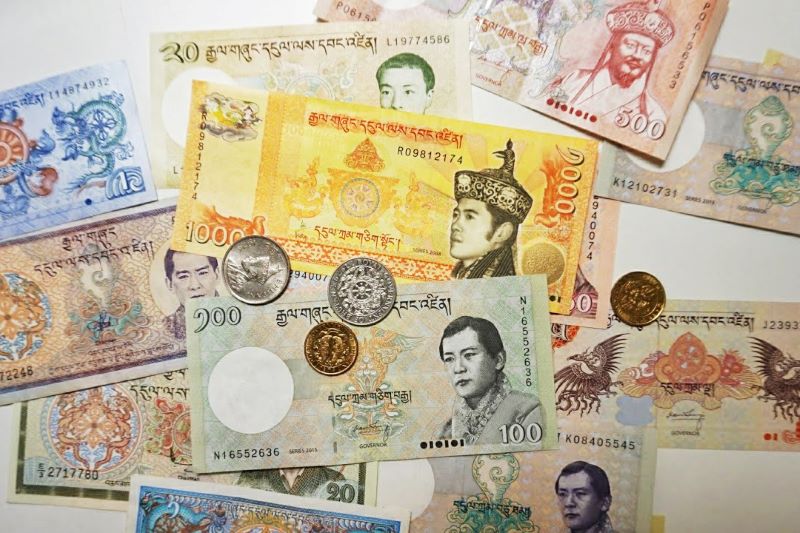
Currency: The Ngultrum (BTN) is the local currency, which is pegged to the Indian Rupee (INR).
Exchanging Money: Currency exchange is available at the airport and in major towns. ATMs are limited, so it’s advisable to carry cash, especially for smaller transactions.
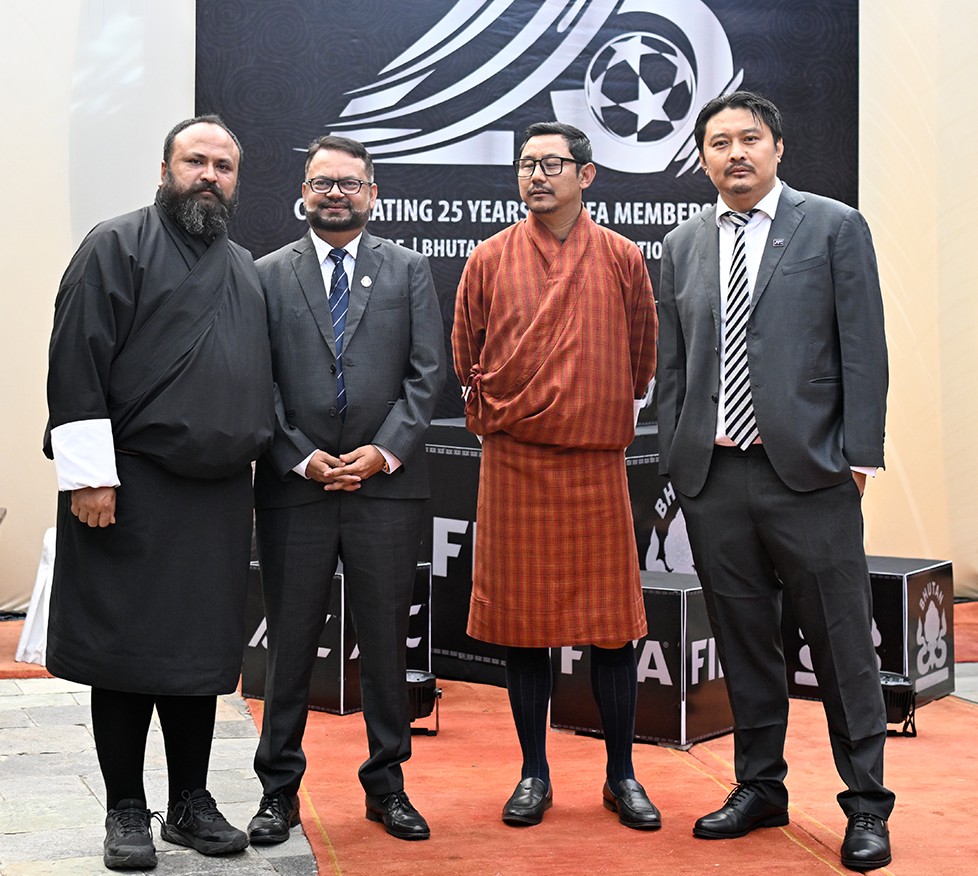
Dress Code
For visitors, business attire is typically formal.
Men: Suit or dress shirt with smart trousers
Women: Professional outfits with modest coverage, respecting Bhutanese customs
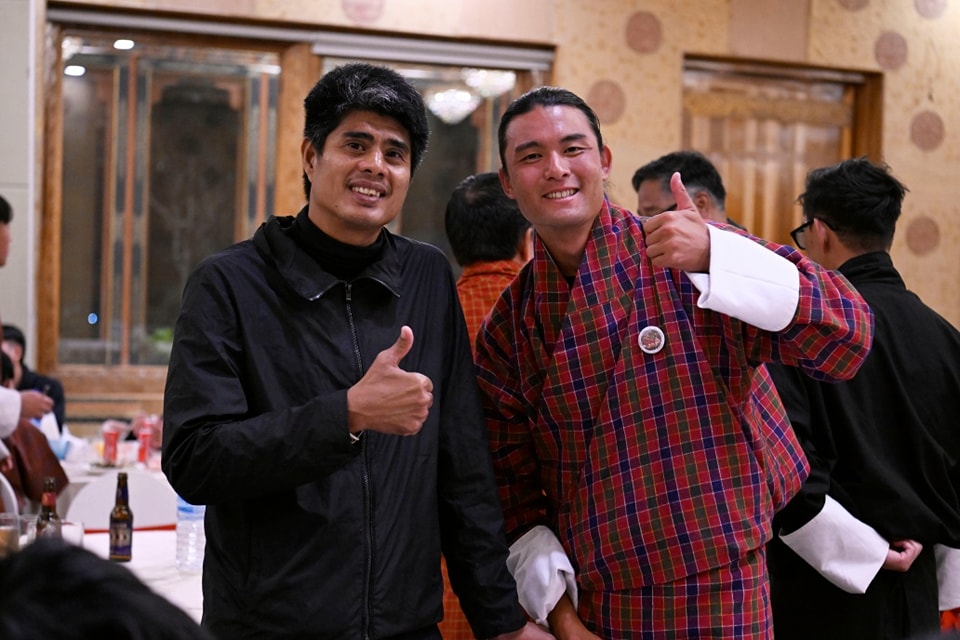
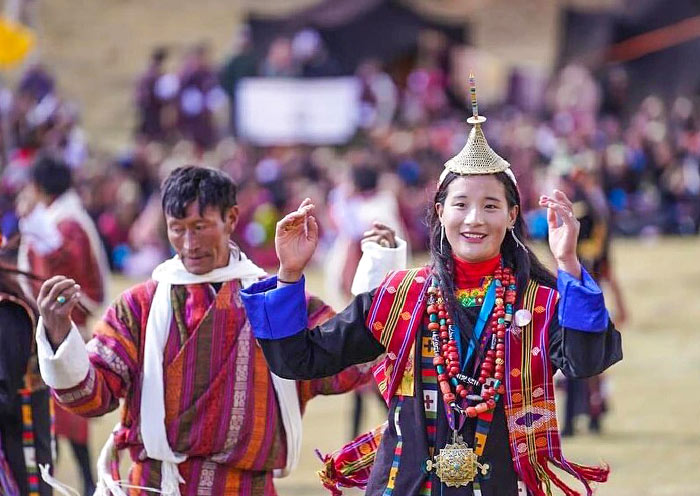
Don't be surprised if the locals are wearing Bhutanese traditional customs because this is their official attire in all official and government and religious functions.
Language
Dzongkha is the official language. While English is widely spoken, especially in business contexts, familiarity with basic Dzongkha phrases can enhance your interactions.
Hello - Kuzuzangpo la
Thank you - Kadrin Chey la
Goodbye / Good luck - Tashi Delek
Welcome - Jenpa Lekso
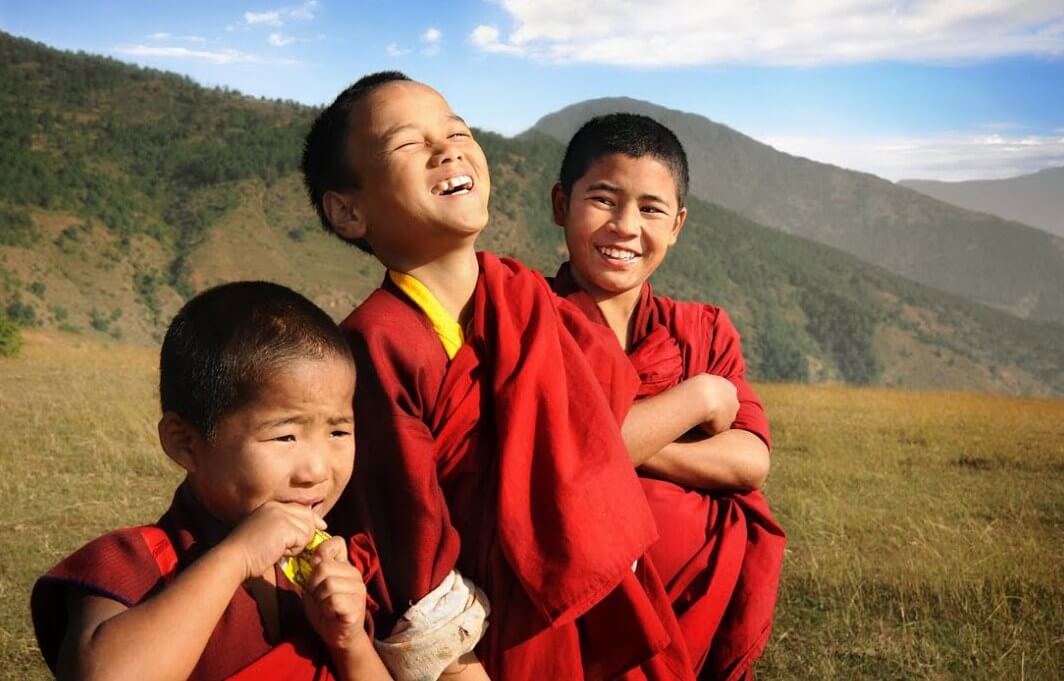
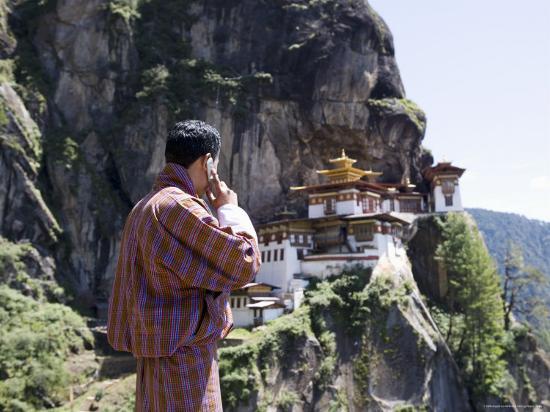
Telephone
International Dialing: To call Bhutan, use +975. Drop the leading zero from area codes when dialing internationally.
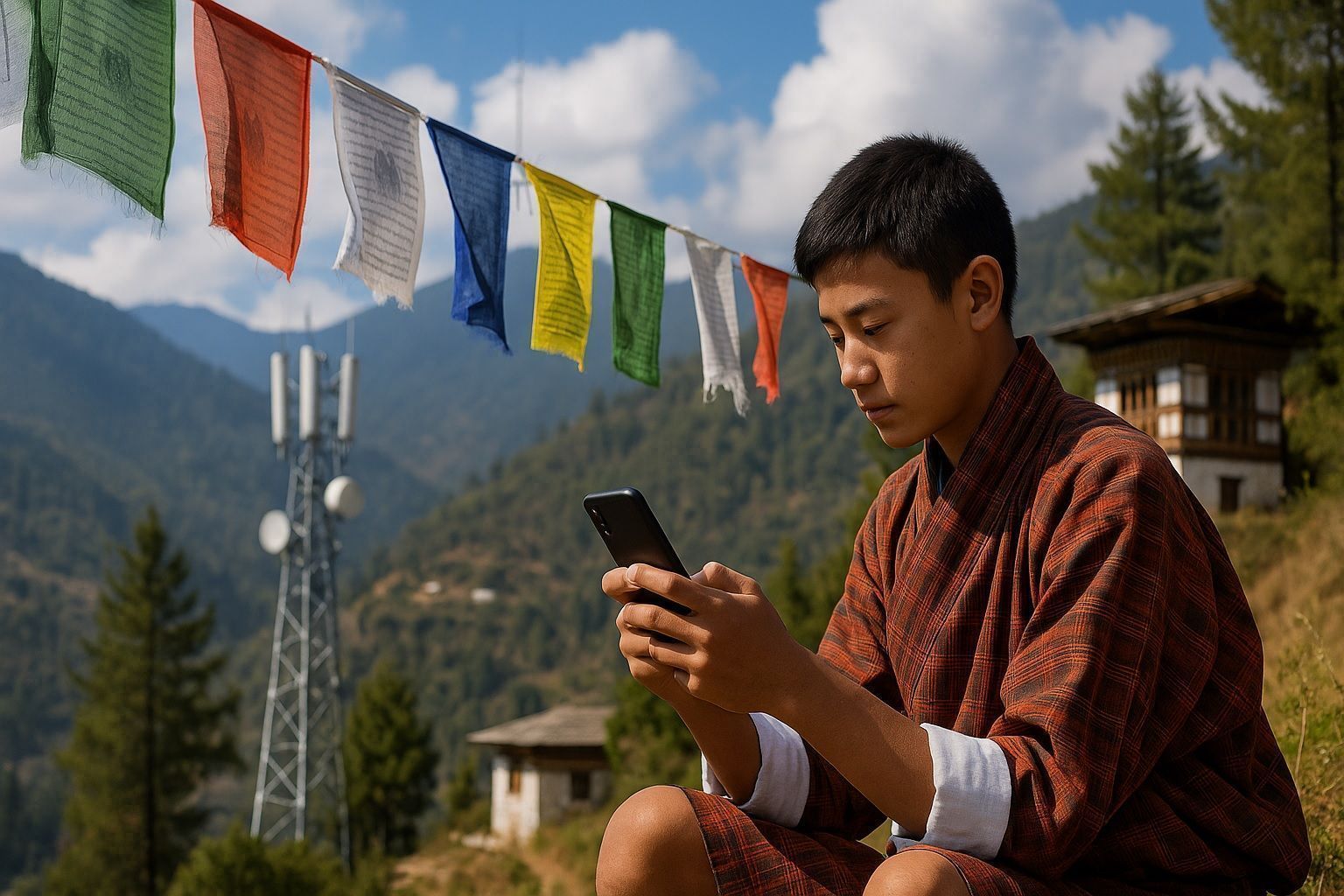
Local SIM Cards: BBS (Bhutan Broadcasting Service) is the national news broadcaster. Bhutan Telecom Limited (BTL) and Tashicell are the two main telecom service providers in Bhutan. Both offer SIM cards and mobile data services. Coverage is generally good in urban areas but may vary in rural regions.
Internet
WiFi availability in Bhutan In urban and tourist areas Most hotels and cafes in major towns like Thimphu, Paro, and Punakha offer free WiFi.
Hotels: Many provide complimentary WiFi, though connection strength may be weaker in rooms compared to the lobby. High-end accommodations usually offer faster, property-wide service.
Cafes and public spaces: WiFi hotspots are increasingly available, but the quality can vary. Internet cafes are an alternative if you need a reliable connection and can be found in some towns.
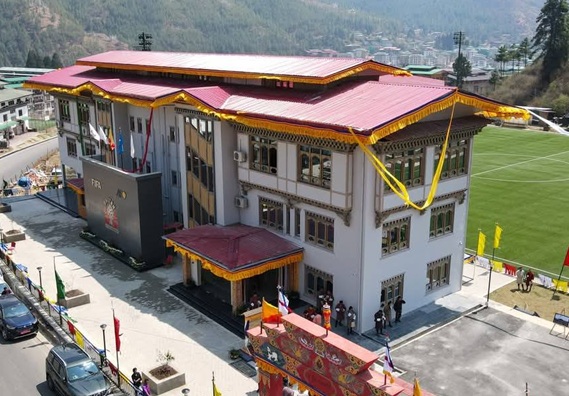
For more info on Internet Connection
Business Hours
Typical business hours are Monday to Friday, from 9 AM to 5 PM, though some businesses may close for lunch. Government offices often have slightly different hours.
Punctuality
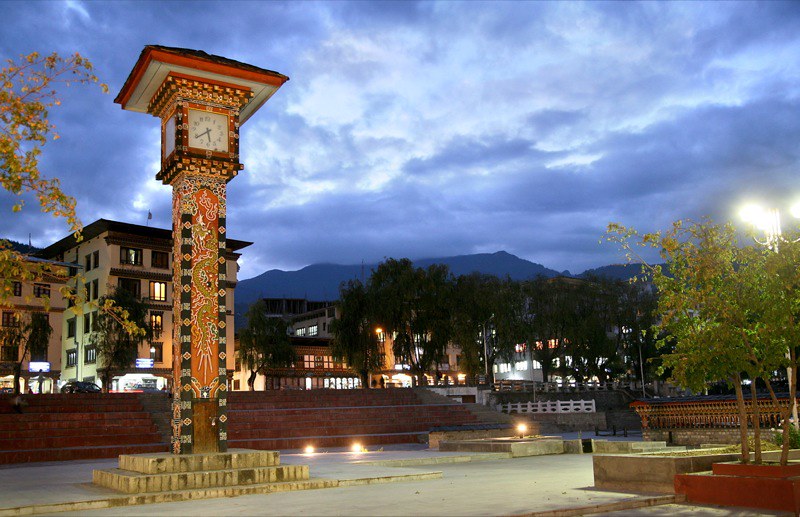
Punctuality in Bhutan is generally more flexible than in many Western cultures, though perceptions and expectations can vary depending on the context. Time is often seen through a more relaxed, relationship-focused lens, particularly in informal settings.
In formal and official contexts, such as business meetings or religious services, punctuality is more strictly observed and valued as a sign of professionalism and respect.
Business etiquette: While business meetings may sometimes start late, being on time is considered respectful and courteous. The focus is often on building relationships and trust, which can sometimes extend the duration of meetings.
Government and institutions: In settings with government officials or institutions, a higher degree of punctuality is expected.
Meeting Etiquette
Meeting decorum Dress: Dress conservatively in formal business attire.
- Men: A suit is appropriate, but be prepared for your Bhutanese counterparts to wear the traditional gho.
- Women: A professional suit or conservative dress or skirt (kira) is appropriate. Clothing should cover your shoulders and knees.
Punctuality: While you should arrive on time, be prepared for meetings to start late. The focus is on being present and engaged rather than sticking to a rigid schedule.
Mindfulness: Meetings may begin with a prayer or a moment of silence, reflecting Buddhist principles of compassion.
Hierarchy: Let the most senior members of the meeting speak first. This demonstrates humility and respect for the traditional hierarchy.
History of Major Football Incidents
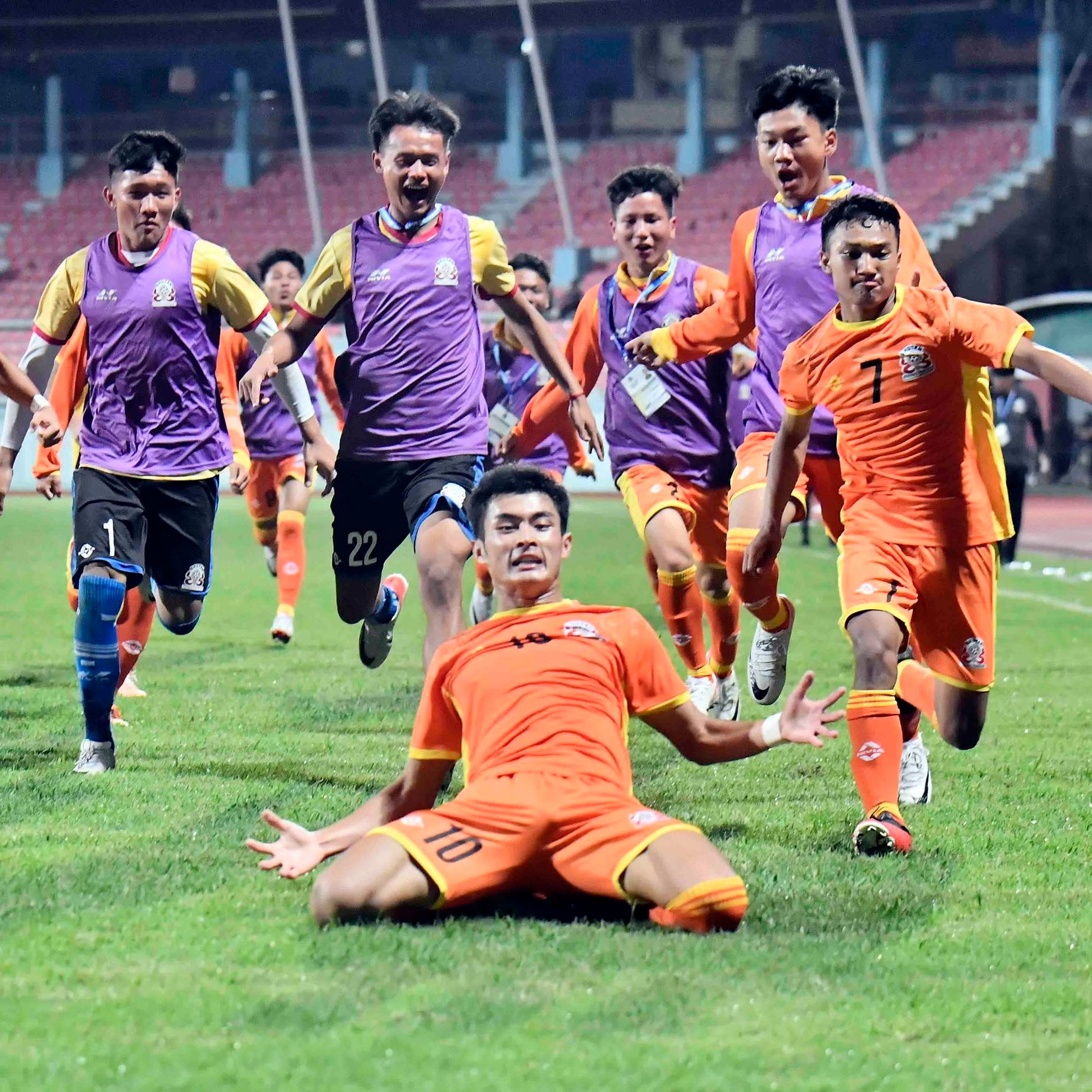
Here are some notable achievements and historical moments for Bhutanese football:
First International Victory: Bhutan's men's national team achieved its first international victory by defeating Montserrat 4–0 in 2002. This match, known as "The Other Final", was held on the same day as the 2002 FIFA World Cup final and was sanctioned by FIFA.
2018 FIFA World Cup Qualification First Round Win: In 2015, Bhutan won its first-ever World Cup qualifying game against Sri Lanka, winning the first leg 1-0 and the second leg 2-1 (3-1 on aggregate), advancing to the second round of qualification.
2008 SAFF Championship Semi-finals: Bhutan reached the semi-finals of the 2008 SAFF Championship, their best performance in the competition to date, losing to India 2-1 in extra time.
Progress in AFC Asian Cup Qualification: Bhutan drew the first leg of their 2019 AFC Asian Cup play-off round match against Bangladesh 0-0, breaking a long losing streak, and then won the second leg 3-1, advancing to the third round of qualification.
Bhutan Women's National Team Reaches Finals: The Bhutan Women's National Team reached the finals of the International Women's Friendly Tournament in Saudi Arabia in 2023.
FIFA Forward Awards Recognition: In 2025, Bhutan received a Silver Award at the FIFA Forward Awards for excellence in football infrastructure, sharing the honor with Bahrain and Uzbekistan.
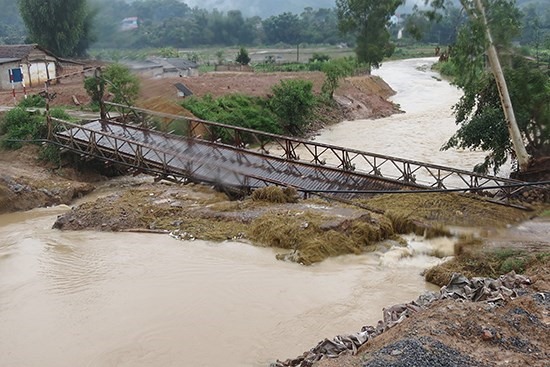
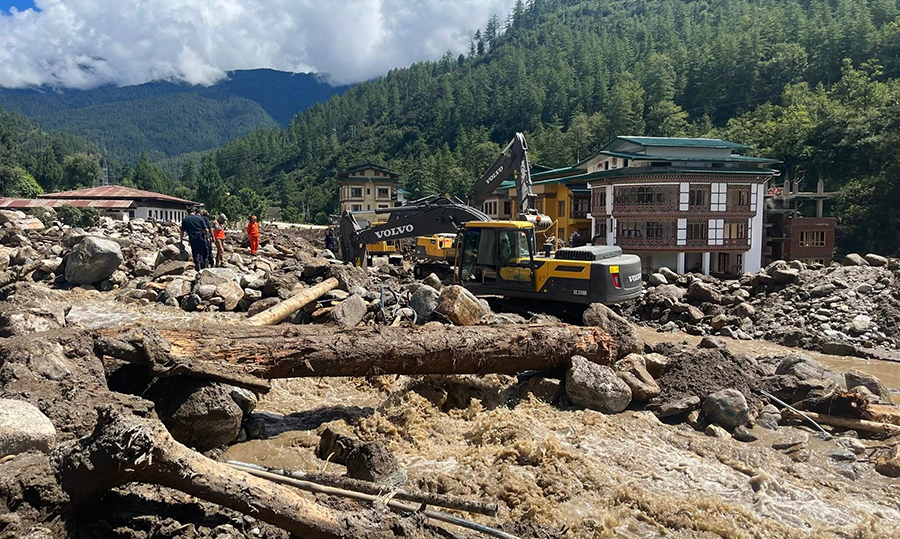
Natural Disasters
Bhutan is vulnerable to a range of natural disasters, primarily due to its location in the geologically fragile and seismically active Himalayas. The young, steep mountainous terrain and variable climate make the country susceptible to frequent and intense natural hazards. The major types of disasters affecting Bhutan include earthquakes, floods (including glacial lake outburst floods), and landslides
Earthquakes - Bhutan lies in an active seismic zone, meaning significant earthquakes are a constant threat. Vulnerability: Many older buildings and cultural heritage sites are not earthquake-resistant, and rapid, unregulated urban expansion has made population centers more vulnerable.
Floods and glacial lake outburst floods (GLOFs) - Flooding is one of the most frequent disasters in Bhutan, made more dangerous by the region's climate. Flash floods and landslides: The summer monsoon season (June to September) brings heavy rains that frequently cause flash floods and landslides, often blocking critical roads and destroying infrastructure.
Other hazards In addition to major hazards,- Bhutan is affected by other seasonal and climate-related events. Forest fires: Periods of drought, exacerbated by climate change, increase the risk of forest fires. These fires threaten the country's rich biodiversity and impact air quality. Windstorms: Bhutan experiences seasonal windstorms, which can damage structures, particularly the roofs of traditional houses.
Emergency Response
Keep the contact information for your hotel and local authorities readily available.
Emergency contact numbers
113: General Emergency Hotline
112: Ambulance and Medical Emergencies
110: Fire and Rescue Services
111: Traffic-related emergencies
999: Disaster Communication Helpline Unit
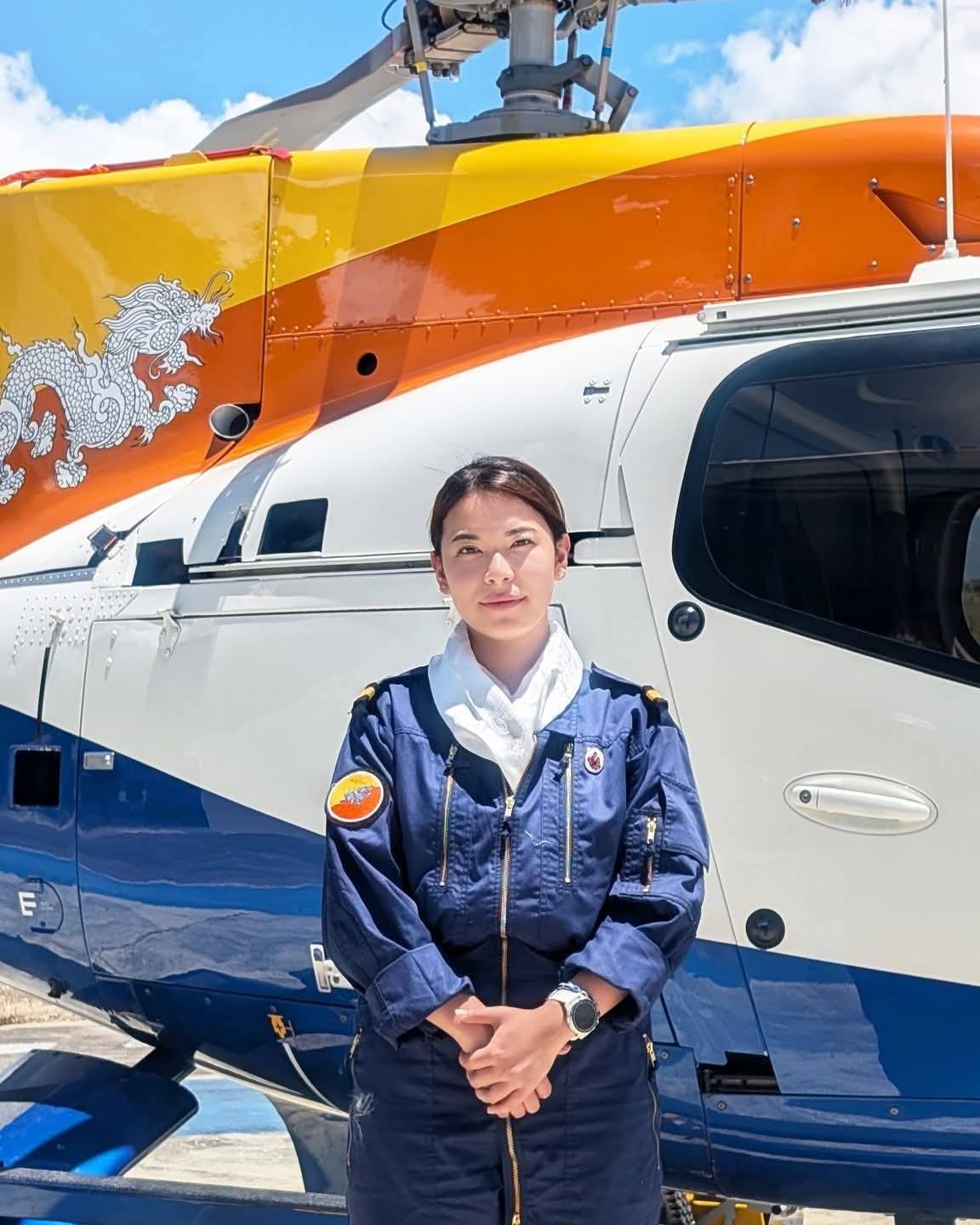
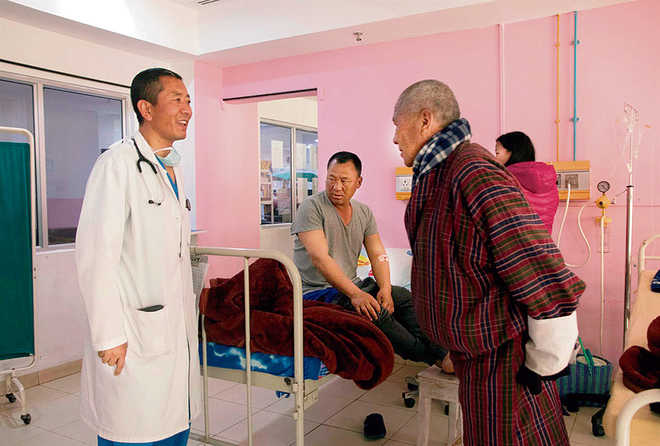
Medical Services
Bhutan offers free, government-funded, three-tier health system that integrates both modern and traditional medicine, but faces challenges with overstretched resources and lack of specialists for complex cases. While basic public healthcare is free for citizens, tourists and expats are strongly advised to secure private international health insurance to cover potential evacuation costs for advanced treatment, as severe conditions may require evacuation to countries like India or Thailand.
Pharmacies
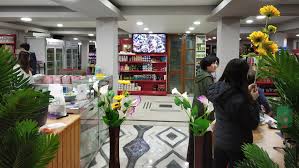
In Bhutan, the pharmaceutical market is primarily serviced by local, privately owned pharmacies, rather than large international chains. The importation of medication is highly regulated by the government.
Prominent pharmacies in Bhutan
While no international chains operate in Bhutan, several major local pharmacies and suppliers serve the public:
- Kuenphen Pharmacy: A well-known pharmacy located at 21 Norzin Lam II in Thimphu.
- HM Pharmaceuticals & Medical Supplies: A local company in Bhutan that deals with pharmaceutical and medical supplies.
- KMT Pharmaceuticals & Medical Supplies: A company based in Bhutan that supplies drugs, medical consumables, and other products.
Culture & Foods
CULTURE
Bhutanese culture and tradition are deeply rooted in Mahayana Buddhism, influencing everything from social etiquette to national identity, architecture, and art. The national philosophy of "Gross National Happiness" (GNH) further emphasizes preserving cultural heritage and spiritual well-being over material wealth.
Buddhism: A vibrant version of Mahayana Buddhism, the Drukpa Kagyu, is the state religion, with the monk body playing a vital role in society and daily life.
Animist and Bon influences: Before the 8th century introduction of Buddhism, Bhutanese practiced Bonism, an animistic religion. Remnants of this faith persist, with local deities of mountains, rivers, and forests still being appeased through rituals.
Spiritual practices: The countryside is dotted with monasteries, prayer flags, and prayer wheels. It is customary to turn prayer wheels clockwise and walk clockwise around religious structures to gain merit.
Monks: Monks are highly respected and perform religious rites for significant life events, such as births, marriages, and funerals.
FOODS:
Try local specialties such as:
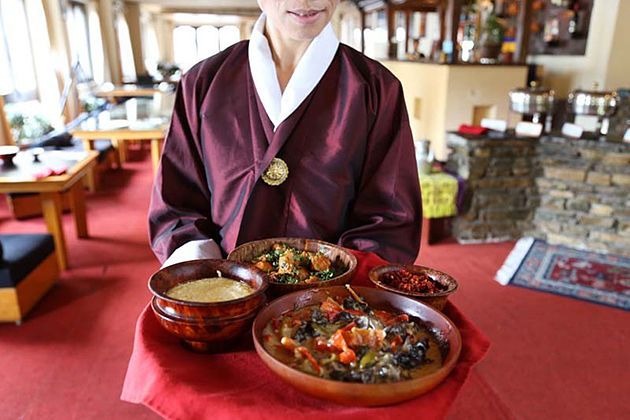
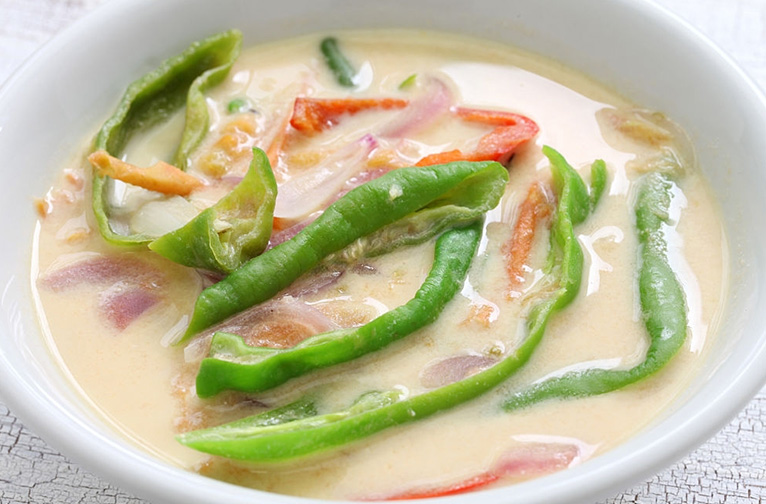
- Ema Datshi: A popular dish made with chili peppers and cheese.
- Phaksha Paa: Pork cooked with radishes and chili.
- Jasha Maroo: Traditional spicy chicken stew.
- Buckwheat Noodles: Commonly served with various sauces and toppings.
Must try foods in Bhutan!
It is difficult to find certified halal food in Bhutan, especially outside of the capital, Thimphu. Due to the nation's predominantly Buddhist culture, the slaughter of animals is prohibited, and the vast majority of meat is imported. For Muslim visitors, the most reliable options are vegetarian dishes and Indian restaurants.
Bhutan, a predominantly Buddhist nation, does not have public churches or mosques, as building them is restricted. While Christians and Muslims exist, they often practice their faith privately, leading to social isolation, but not necessarily hostility, in their communities.
Others
Enjoy your travels!
Time Zone: GMT+6.
Transport: Limited domestic flights, mostly mountainous roads.
Climate: Alpine in north, sub-tropical in south. Cool alpine winters, monsoon rains in summer.
If you have a few hours or 1-2 days to spare, please make sure you visit the following places as this is the opportunity of a lifetime: