
Australia
Entry Visa
Business travelers invited for a meeting or conference
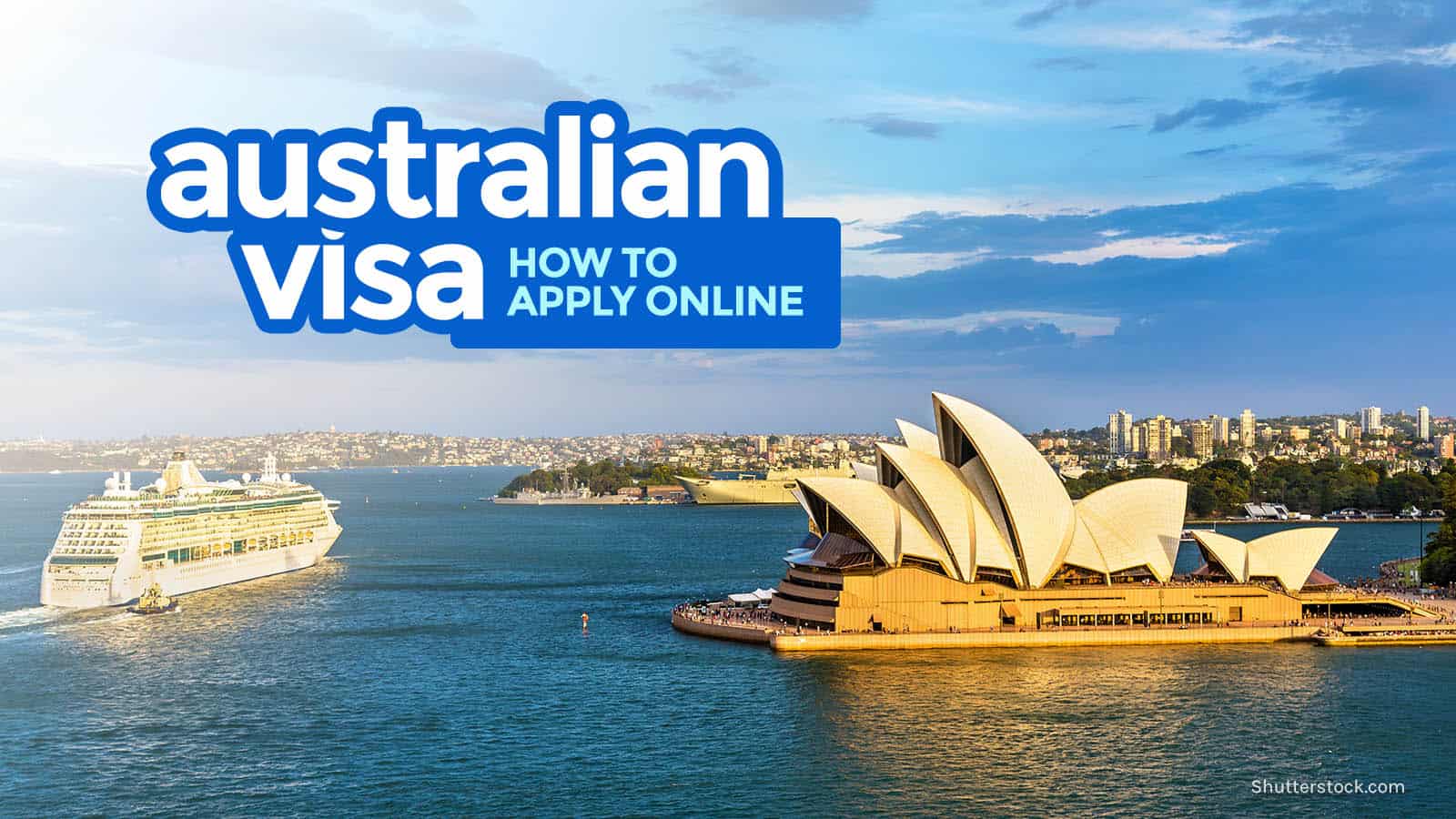
Visa Requirements: All non-Australian citizens must obtain a valid visa before entry. Short stay visitors may qualify for ETA (subclass 601) or eVisitor (subclass 651) online visas; guidelines vary by nationality
Electronic Travel Authority (ETA) – Subclass 601: For tourism/business visits up to 3 months. eVisitor – Subclass 651: Free for eligible European passport holders. Visitor Visa – Subclass 600 (Business Stream): Broader eligibility and validity up to 12 months.
Appointed match officials receiving payment (including MC and RA)
Temporary Activity (subclass 408) Invited Participant Visa - three months validity
Apply online and ensure all required documents are in order before your trip.
Major Airports
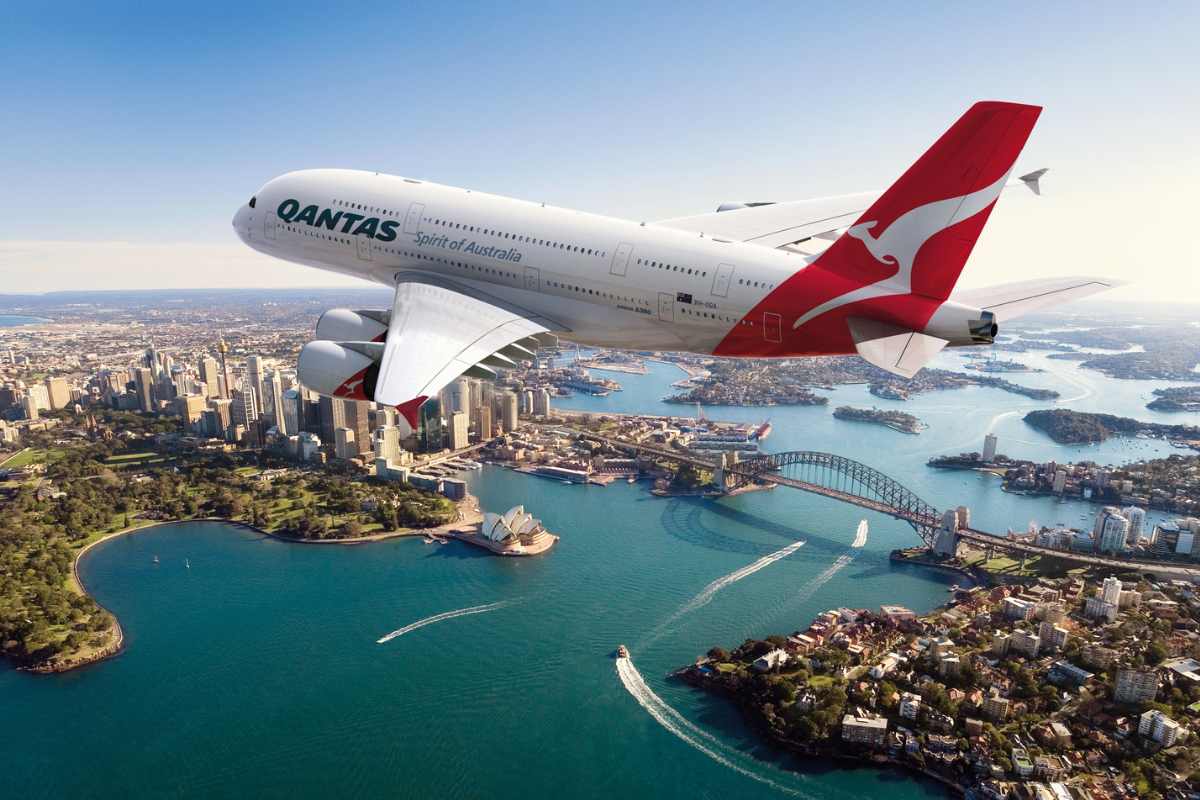
Sydney Airport (SYD): Located approximately 8 kilometers south of Sydney's city center, it's the busiest airport in Australia and a major hub for Qantas, Virgin Australia, and Jetstar.
Melbourne Airport (MEL): Also known as Tullamarine Airport, it's the second busiest airport in Australia and the primary international airport for the city.
Brisbane Airport (BNE): Located in Queensland, it's the third largest airport in Australia and a significant hub for Virgin Australia and Qantas.
Perth Airport (PER): A major airport in Western Australia, serving both domestic and international flights.
Adelaide Airport (ADL): The main airport for Adelaide, South Australia, and the fifth busiest in the country.
Facilities: Most major airports have lounges, dining options, and shopping. Free Wi-Fi is generally available, but registration may be required.
Money Exchange
Currency: The Australian Dollar (AUD) is the local currency.
💱 Exchanging Money in Australia
Australia’s official currency is the Australian Dollar (AUD). Exchanging money is generally straightforward, with several convenient options available for travellers:
Currency Exchange Services: Available at major airports, banks, and dedicated exchange bureaus in city centres. While airport rates are convenient, they may not be the most competitive—compare a few places if possible.
ATMs
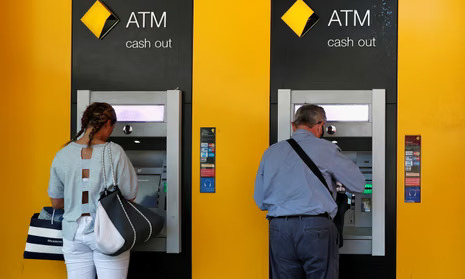
Widely available across cities and towns, and typically offer better exchange rates than airport counters or kiosks. Most international debit and credit cards are accepted, though transaction fees may apply.
Credit & Debit Cards Australia is largely cashless—Visa and Mastercard are accepted almost everywhere, including in taxis, restaurants, and even small shops.
Contactless payment (tap-and-go) is widely used.
💡 Travel Tips
1.Notify Your Bank: Let your bank know you're travelling to Australia to avoid having your cards blocked for suspicious activity.
2. Check Fees: Be aware of potential international transaction fees or ATM withdrawal charges from your home bank and the local bank.
3. Carry Some Cash: While cards are widely accepted, it's useful to have a small amount of cash for rural areas, markets, or places with minimum card spend limits.


Dress Code
In Australia, the appropriate dress code for a business meeting is typically "smart casual," though this can vary significantly depending on the industry, company culture, and location. It is always safer to dress slightly more formally than the perceived standard, especially for initial meetings.
This is the most common dress code, balancing professionalism and the country's relaxed culture.
For men: A collared shirt (button-down or polo), trousers or dark chinos, and dress shoes or loafers are appropriate. A sports coat or blazer can be added for a more polished look. A tie is not usually required.
For women: A blouse or collared top paired with tailored trousers, a skirt (knee-length or longer), or a business-style dress is suitable. Flats, low heels, or smart closed-toe shoes are good options.
Language
English is the primary language spoken throughout Australia. While communication is generally straightforward, Australians often use informal expressions and local slang in everyday conversation. Locals tend to speak casually and may shorten words (for example, “afternoon” becomes “arvo,” and “breakfast” becomes “brekkie”). Clear and polite communication is always appreciated, and most people will happily clarify if you're unsure about a phrase.
Travel Tips
Familiarising yourself with a few common Australian phrases can make interactions more enjoyable. For example:
G'day: A casual greeting used any time of day. Example: "G'day, mate!"
Mate: A friendly term for a friend, acquaintance, or even a stranger. Example: "Thanks, mate."
No worries: Means "no problem" or "it's alright." It's a very common response to a thank you or an apology. Example: "Sorry I'm late." "No worries."
She'll be right: An expression for "it'll be okay" or "don't stress". Example: "The car's playing up a bit, but she'll be right."
Fair dinkum: A way to say "true," "genuine," or "honestly." It can be used as a question or a statement.
Example: "Fair dinkum? Did that really happen?"

Telephone
International Dialing: To call Australia, use +61 and drop the leading zero from area codes.
Local SIM Cards: Consider purchasing a local SIM card for affordable data and calls from providers like Telstra, Optus, or Vodafone.
Internet
Australia has reliable internet access in most urban and regional areas. Travellers will find it easy to stay connected during their visit. Free Wi-Fi is commonly available in hotels, cafés, libraries, airports, and some public transport hubs. Speeds may vary depending on the location. Mobile Data is a convenient option for internet access on the go. Major providers such as Telstra, Optus, and Vodafone offer prepaid SIM cards with data packages for tourists.


Business Hours
Australian business hours typically follow a 9 AM to 5 PM standard workday, Monday to Friday, with a lunch break of 30-60 minutes, though these can vary by industry and business. A key aspect of Australian business hours culture is the emphasis on work-life balance and the recently introduced right to disconnect, which allows employees to ignore non-essential communications outside of work hours.
Workplace Culture and Communication
Informal Environment: Australian workplaces tend to be informal and friendly, with an emphasis on approachability.
Direct Communication: Communication is typically direct and honest.
Teamwork: Collaboration and teamwork are important values.
Punctuality
Punctuality is highly valued in Australian business culture. It’s expected that you arrive on time—or preferably a few minutes early—for meetings and appointments. While some degree of flexibility exists, consistently being late can be perceived as unprofessional or disrespectful. Maintaining a respectful and straightforward communication style is also appreciated in business settings.



Meeting Etiquette
Australian business etiquette blends professional courtesy with a relaxed, informal culture that values honesty and humility. Punctuality is important, though initial small talk is common to establish a personal connection before getting down to business.
Before the meeting
Scheduling: Book appointments in advance and be aware that business hours are typically 9 a.m. to 5 p.m., Monday to Friday.
Timeliness: Punctuality is valued and shows respect for your colleagues' and clients' time. Arrive on time or a few minutes early.
Meeting and communication style
Atmosphere:
Australian meetings are generally relaxed but productive. They often begin with a few minutes of informal conversation before focusing on the agenda.
Small talk: Appropriate topics include sports (especially rugby or cricket), the weather, or general observations about Australia. Steer clear of religion, politics, or aboriginal issues unless your Australian counterpart brings them up.
Humility: Australians value modesty and directness. Avoid over-marketing your company or being boastful about personal or company achievements.
Honesty: Be straightforward and honest. Australians appreciate transparent communication and dislike aggressive sales tactics or hidden agendas.
Egalitarianism: Australian workplaces have flatter hierarchies than in many other countries. In meetings, everyone is expected to contribute ideas and engage in open debate, regardless of their rank.
Decision-making: Expect a collaborative process. Top management will often consult with subordinates before making a decision. Do not try to rush the process.
History of Major Football Incidents
Australia has a passionate football culture. However, there are several major incidents:
- Melbourne Derby pitch invasion (2022) - Fan violence --> Match abandoned
- Pratten Park riot (1985) - Fan violence --> Massive pitch invasion
- Ustaša chants & Nazi salutes (Sydney United) (2022) - Extremist abuse
- Anti-Semitic abuse (U18 match) (2025) - Hate speech
- Geelong Nazi salutes (2025) - Extremist symbols

Natural Disasters
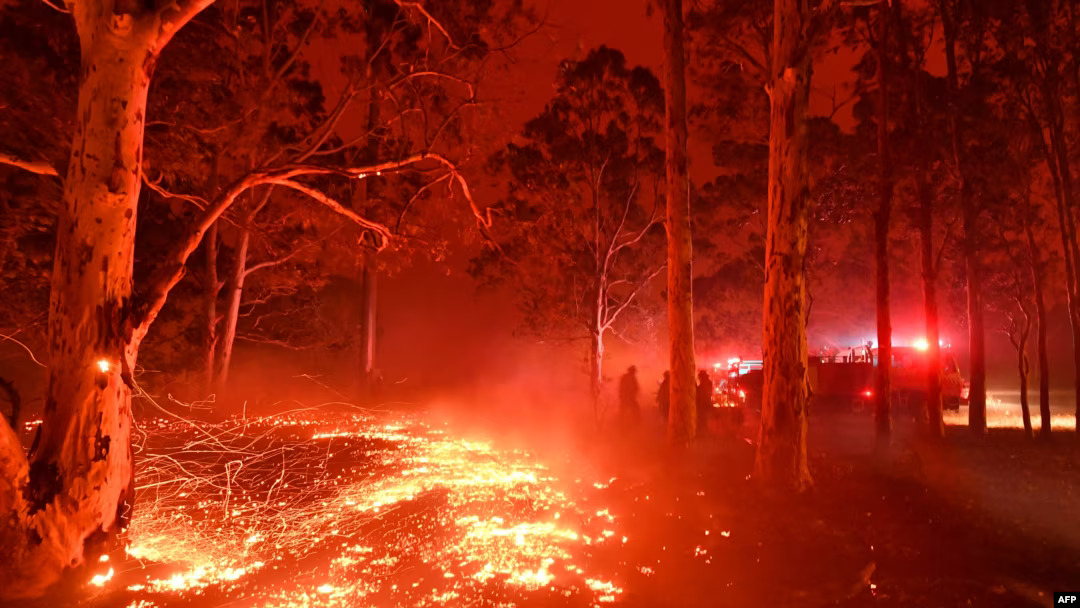
Australia is prone to a range of natural disasters, including bushfires, floods, and tropical cyclones. These events can vary by region and season, so it’s important for travellers to stay aware of local conditions.
Bushfires are most common during the hot, dry summer months (December to February), particularly in rural and forested areas.
Flooding can occur after heavy rainfall, especially in northern and eastern regions.
Cyclones typically affect northern Australia during the wet season (November to April).
Safety Tips
Monitor local news, weather apps, or the Bureau of Meteorology (www.bom.gov.au) for up-to-date warnings and alerts.
Follow instructions from local authorities and emergency services if a warning is issued.
Download the “Emergency+” app, a national public safety app that provides location data and emergency contacts. If travelling to remote or high-risk areas, let someone know your plans and check conditions in advance.
Emergency Response
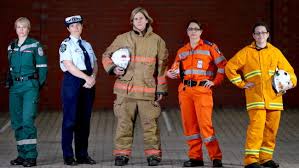
Australia's emergency response is a multi-layered system involving federal, state, and territory governments, with a strong focus on shared responsibility and coordination. The framework uses an "all hazards" approach to address everything from natural disasters like bushfires and floods to health emergencies.
Emergency contact numbers
Triple Zero (000): This is the primary number for police, fire, or ambulance assistance in a life-threatening or time-critical emergency.
State Emergency Service (SES) (132 500): This is for non-life-threatening assistance during floods, storms, and tsunamis, such as help with a leaking roof, rising floodwater, or fallen trees.
National Relay Service (106): A text-based service for people who are deaf or have a speech or hearing impairment to contact emergency services via a teletypewriter (TTY).
Police Assistance Line (131 444): For non-urgent police matters.
Emergency+ app: This smartphone application uses your phone's GPS to provide precise location details when you call Triple Zero (000).


Medical Services
Australia has a high standard of medical care, with well-equipped hospitals, clinics, and pharmacies available throughout the country. Medical professionals are highly trained, and emergency services are reliable.
Healthcare for Non-Residents can be expensive, especially if hospitalization or specialist treatment is required. Medicare, Australia’s public health system, only covers citizens and residents or those from countries with a reciprocal healthcare agreement.
Travel Insurance that includes coverage for medical expenses, emergency evacuation, and hospital stays is strongly recommended for all visitors.
Pharmacies
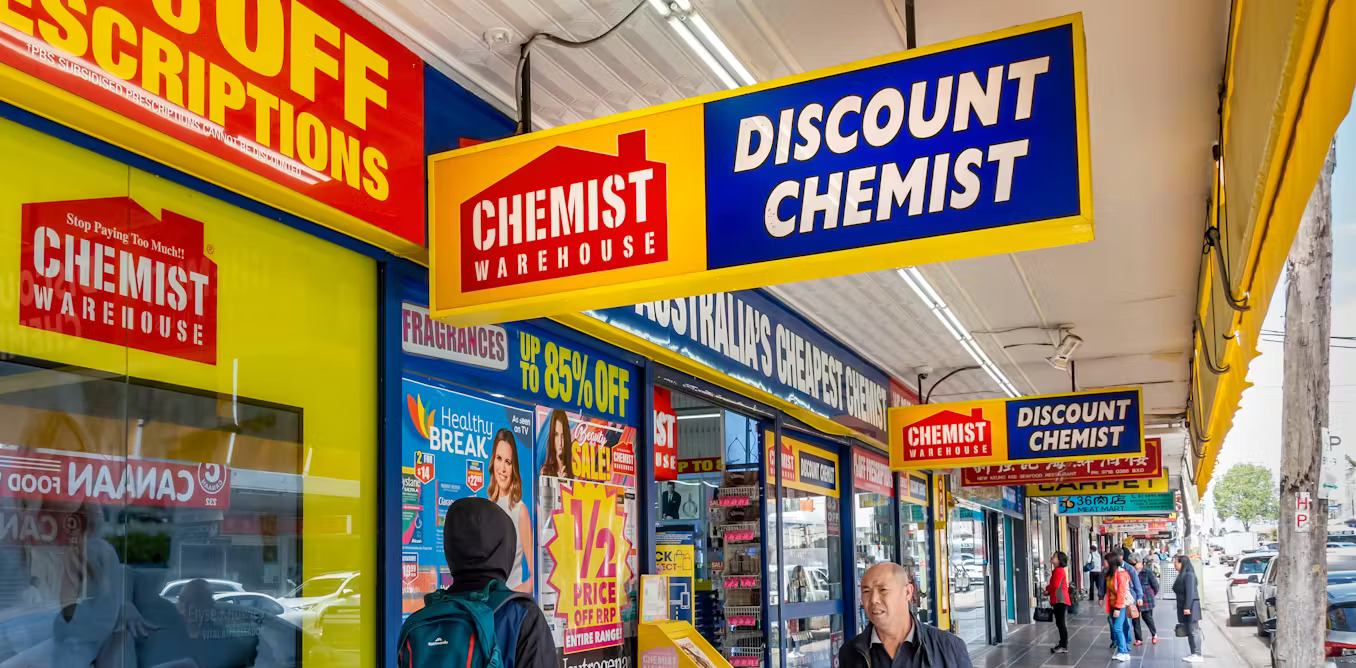
Pharmacies, commonly referred to as chemists in Australia, are widespread in cities, suburbs, and regional towns. Many are located within shopping centres or operate as standalone stores. They provide a broad selection of over-the-counter (OTC) medications, prescription drugs, health supplements, and personal care items. If you're travelling with regular prescriptions, it's recommended to bring a sufficient supply along with a doctor’s letter and medications in their original packaging.
OTC medications for common issues:
1. Paracetamol
– Most commonly found in Panadol, used for pain relief, fever reduction, and cold symptoms. Widely trusted and available across all major pharmacies. I
2. buprofen-based remedies – Commonly sold under brands like Nurofen, used for pain, inflammation, and fevers.
3. Codral – A popular multi-symptom remedy for cold and flu, often containing combinations of paracetamol, phenylephrine (decongestant), and antihistamines.
Common Pharmacy Chains:
1. Chemist Warehouse – Australia’s largest discount pharmacy chain, known for its low prices and extensive range of health and wellness products.
2. TerryWhite Chemmart – A major national network of community pharmacies offering prescriptions, health advice, and everyday pharmacy products.
3. Priceline Pharmacy – A well-known chain combining pharmacy services with a strong focus on health and beauty, especially popular with female consumers.




Culture & Foods
Culture: Australians are known for their laid-back, friendly nature. Respect for cultural diversity and inclusivity is important.
🇦🇺 Food in Australia:
Australia’s cuisine is a delicious reflection of its multicultural population and rich natural resources. From Indigenous bush tucker to British-influenced comfort food and Asian fusion, you’ll find a wide variety of flavours across the country. Whether you’re dining in a trendy Sydney café or grabbing a snack at a country bakery, here are some must-try Australian foods:
🥣 Local Favourites & Iconic Dishes:
1. Vegemite on Toast-
A distinctly Australian breakfast classic. This salty, yeast-based spread is typically served on buttered toast or best enjoyed in thin layers if you’re new to it!
2. Pavlova: A light and airy meringue dessert with a crispy shell and soft centre, topped with whipped cream and fresh fruit like kiwi, strawberries, and passionfruit. A favourite at Christmas and summer barbecues.
3. Meat Pie: A handheld pastry filled with minced meat, gravy, and sometimes onions or mushrooms. Found in bakeries, sports stadiums, and petrol stations—perfect for a quick, filling snack.
4. Sausage Roll: Minced meat seasoned and wrapped in flaky pastry. Often enjoyed with tomato sauce, and just as iconic as the meat pie.
5. Fish and Chips: A seaside classic. Australia’s version features flaky white fish (like flake or barramundi), battered and fried, served with thick-cut chips and sometimes a wedge of lemon or tartare sauce.
6. Chicken Parmigiana ("Parma"): A pub favourite, crumbed chicken breast topped with tomato sauce and melted cheese, typically served with chips and salad. Every Aussie pub has its own version.
🍰 Sweet Treats & Desserts
1. Lamingtons:
Soft sponge cake squares dipped in chocolate and rolled in desiccated coconut. Sometimes filled with cream or jam—often served with tea or at school fundraisers.
2. Tim Tams: Australia’s most famous chocolate biscuit. Try the Tim Tam Slam—biting off both ends and sipping hot tea or coffee through the biscuit like a straw.
3. Anzac Biscuits: Oat and golden syrup cookies originally sent to soldiers during WWI. Chewy or crunchy, they’re a nostalgic taste of Australian history.
4. Golden Gaytime: A beloved ice cream treat coated in toffee and biscuit crumbs. The name is quirky, but the flavour is serious business.
Others
By keeping these points in mind, you'll be well-prepared for your business trip to Australia. Enjoy your travels!
Time Zones: Ranges from UTC+8 to UTC+10 (note daylight saving in some states). transport (trains, trams, buses): ridesharing is widespread.
Climate: Australia’s climate is diverse and seasonally reversed compared to the Northern Hemisphere
Summer (Dec–Feb): Hot and dry in many regions; average 25°C–40°C.
Winter (Jun–Aug): Cool in southern cities warmer in the north.
Spring (Sep–Nov): Warm, with blooming landscapes and low rainfall