Afghanistan
Entry Visa
As of now, there is no AFC competition held in this country.
If needed to travel there, all foreign nationals must obtain a visa before traveling to Afghanistan
Major Airports
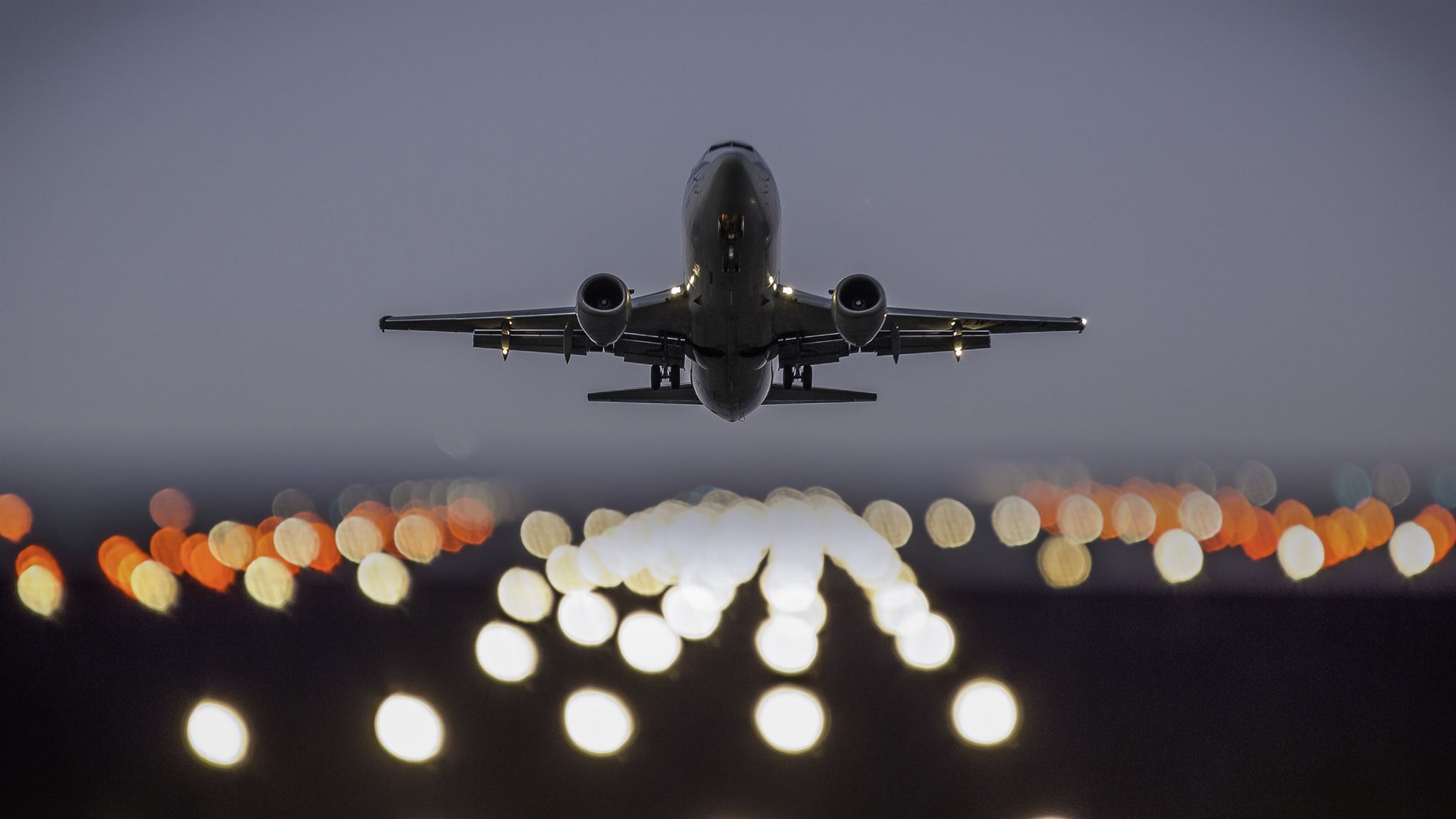
Hamid Karzai International Airport (KBL): Located in Kabul, it is the main international gateway. Be prepared for security checks and potential delays.
Facilities: The airport has basic facilities, including cafes and duty-free shops. However, amenities may be limited compared to larger international airports.
Money Exchange
Currency: The Afghan Afghani (AFN) is the local currency.
Exchanging Money: Currency exchange services are available at the airport and in major cities. ATMs may be scarce, so it’s advisable to carry cash and exchange a sufficient amount upon arrival.

Dress Code
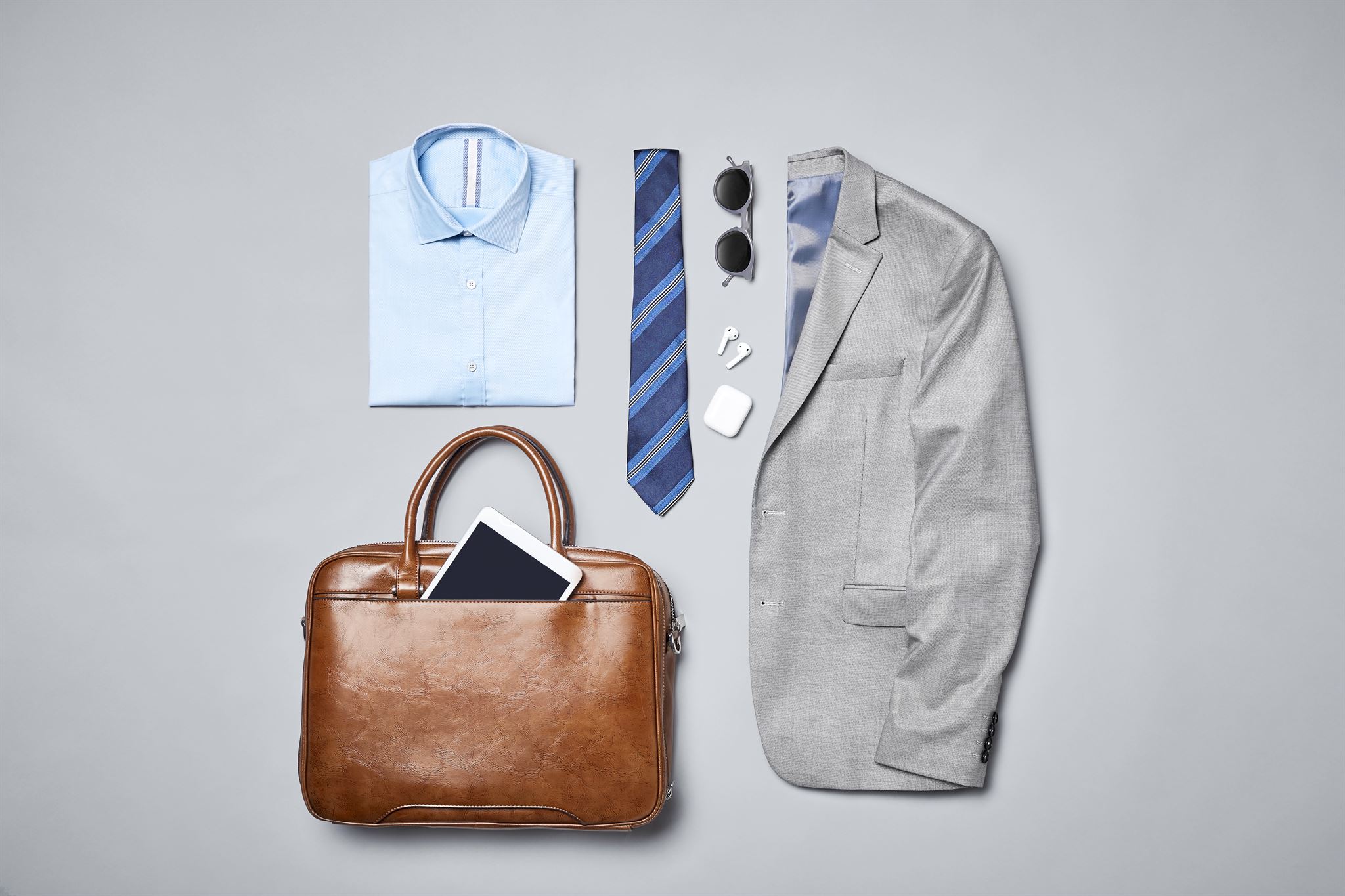
Modesty is crucial in Afghan culture.
Men should wear long pants and shirts, while women should dress conservatively, covering their arms and legs, and often wearing a headscarf in public. Local customs dictate that attire should be respectful and modest.
Language
Dari and Pashto are the official languages. While English is spoken in some business contexts, having a local translator can be beneficial for effective communication.


Telephone
International Dialing: To call Afghanistan, use +93. Be sure to drop the leading zero from area codes when dialing internationally.
Local SIM Cards: Consider getting a local SIM card for affordable calls and data. Major providers include Roshan and MTN.
Internet
Internet access can be limited, particularly outside major cities. In Kabul, some hotels and cafes offer Wi-Fi, but reliability may vary. Consider having offline options for important documents.


Business Hours
The standard workweek is Saturday to Thursday, with Friday being the holy day. Typical business hours are from 8 AM to 4 PM, but this can vary by organization.
Punctuality
Punctuality is appreciated, but be prepared for some flexibility in scheduling. Meetings may not always start on time, so patience is essential.


Meeting Etiquette
Building personal relationships is crucial. Meetings often begin with small talk and a focus on establishing trust. Respect and politeness are vital during discussions.
History of Major Football Incidents
Football is a popular sport in Afghanistan, with the national team gaining recognition.
2013: Afghanistan won the SAFF Championship, boosting national pride.
2015: The team qualified for the AFC Asian Cup qualifiers, marking a significant achievement.
Understanding local football culture can help in discussions with locals.


Natural Disasters
Afghanistan is prone to natural disasters such as earthquakes and floods.
Emergency Response
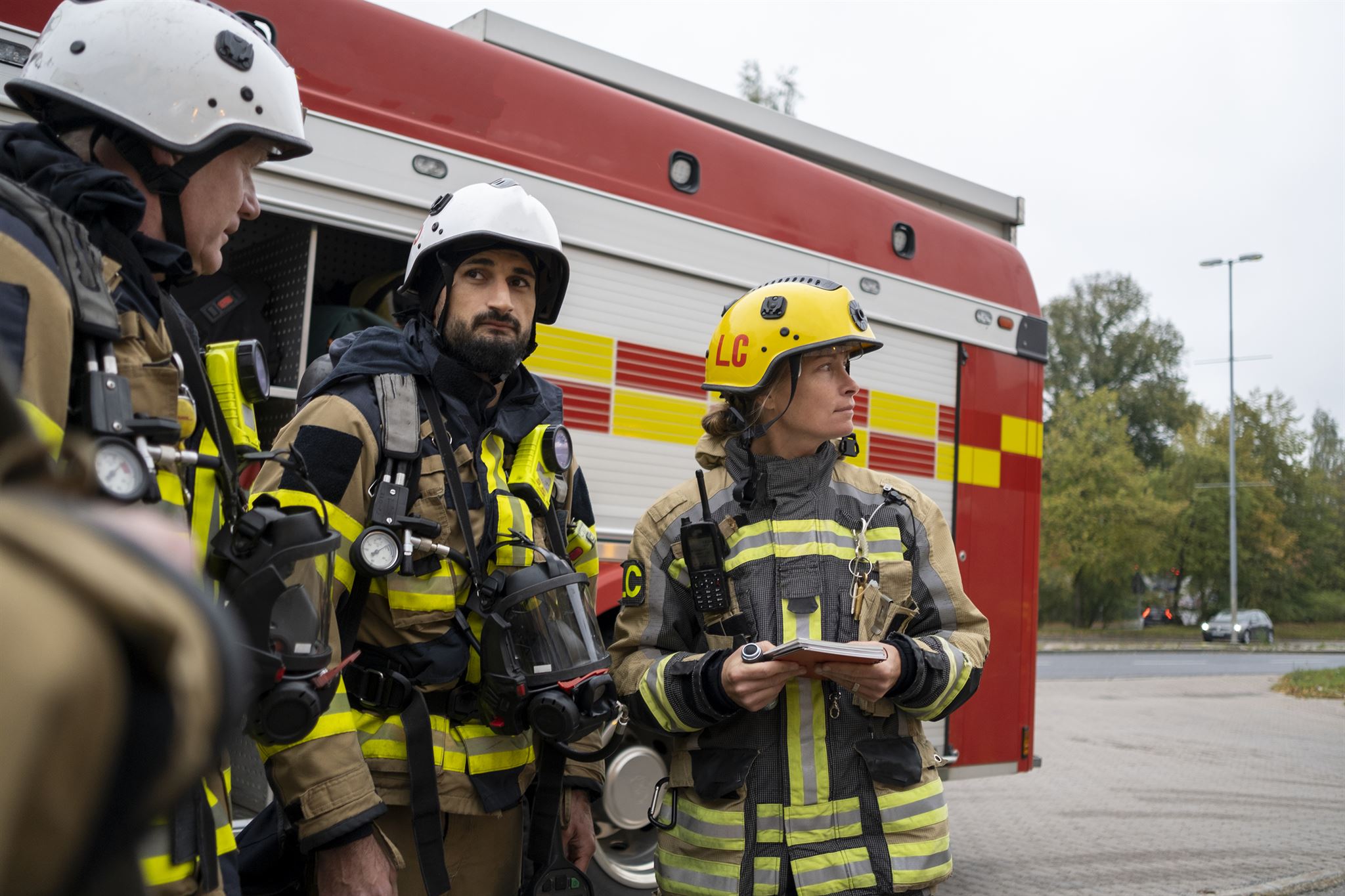
In an emergency, the local response number can vary by region, but it's advisable to have contacts for local authorities and your embassy or consulate handy.
Medical Services
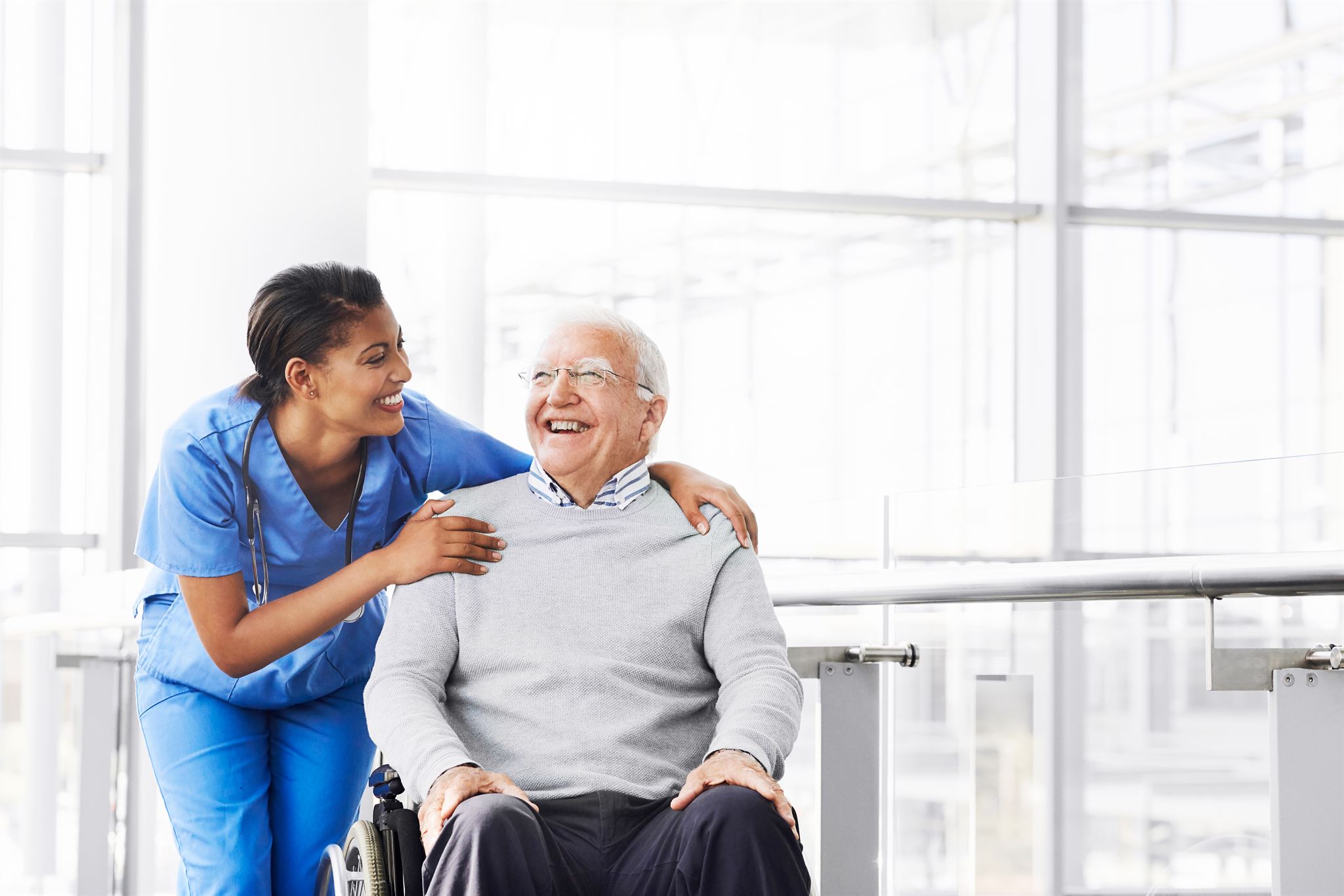
Healthcare facilities in Afghanistan may be limited, especially outside major cities. Ensure you have comprehensive travel insurance that covers medical emergencies.
Pharmacies
Pharmacies are available in larger cities, but the range of medications may be limited. Bring any necessary prescription medications with you, along with a doctor’s note if required.
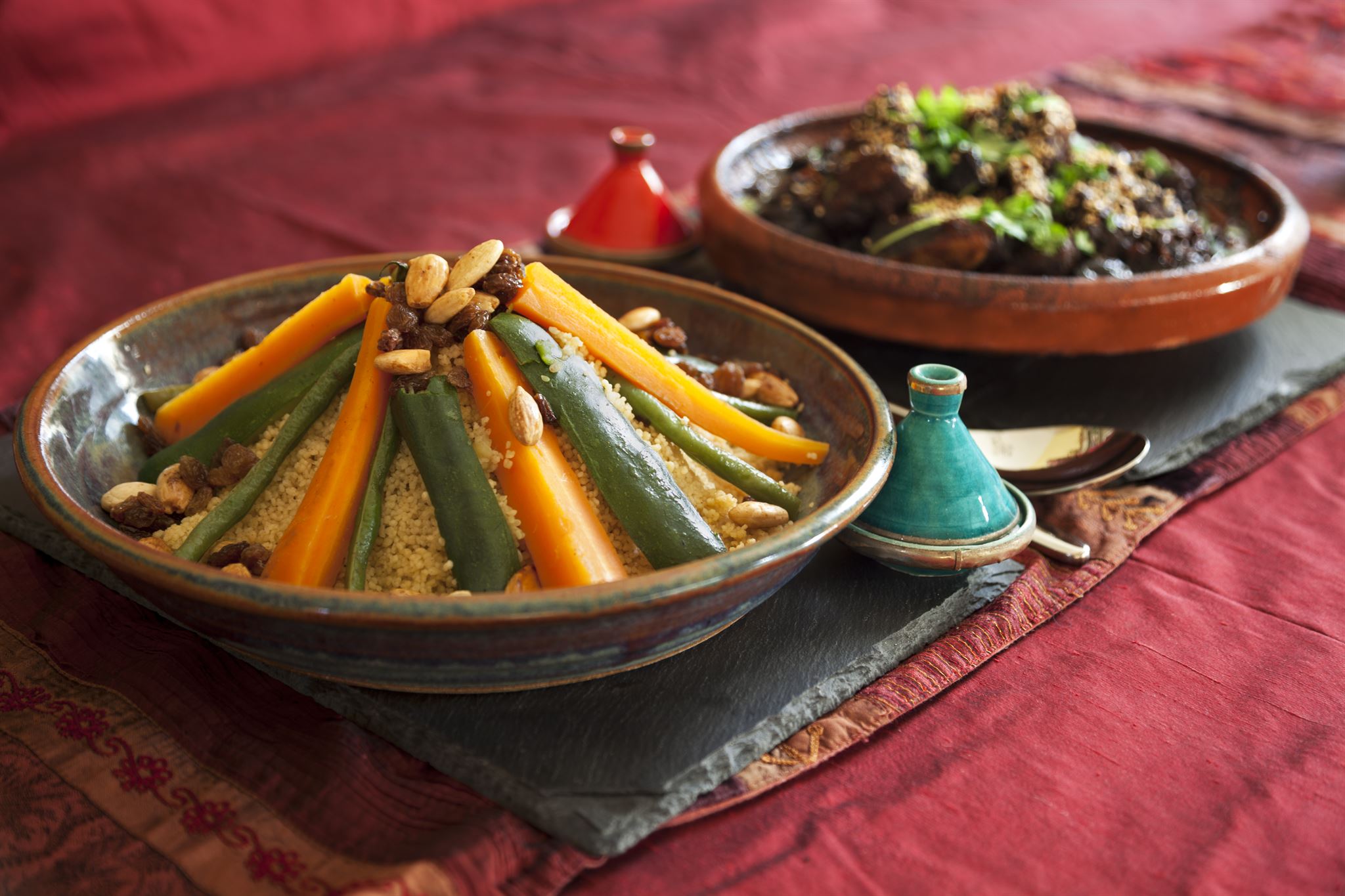
Culture & Foods
Culture: Afghanistan has a rich history and diverse cultural heritage. Hospitality is a key aspect of Afghan culture, and visitors are often treated warmly.
Foods:
Try local specialties such as:
- Kabuli Pulao: A rice dish with meat and raisins.
- Mantu: Steamed dumplings filled with meat and onions.
- Qabili Palau: A flavorful rice dish topped with carrots and raisins.
- Baklava: A sweet pastry made of layers of filo filled with nuts and honey.
Others
Being aware of these aspects will help you navigate your business trip to Afghanistan more smoothly and foster successful interactions. Stay safe and adaptable!